Chugai and UCSF to Collaborate on Drug Discovery Research
Chugai Pharmaceutical Co., Ltd. and UC San Francisco have entered into a Master Collaboration Agreement to advance drug discovery research. The multi-year agreement establishes a framework to

University of California San Francisco
Give to UCSF
Chugai Pharmaceutical Co., Ltd. and UC San Francisco have entered into a Master Collaboration Agreement to advance drug discovery research. The multi-year agreement establishes a framework to
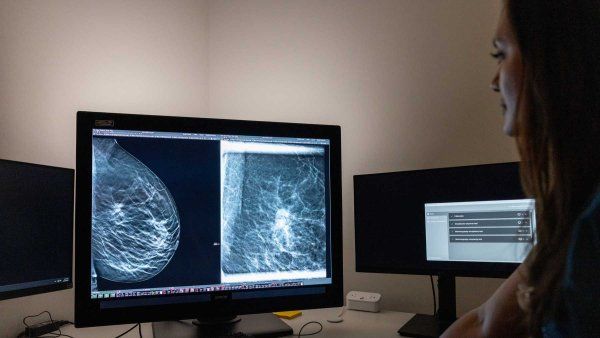
Researchers at UC San Francisco have developed a new method to predict how different types of breast cancer will respond to treatment, using patient data from an innovative clinical trial called I-SPY
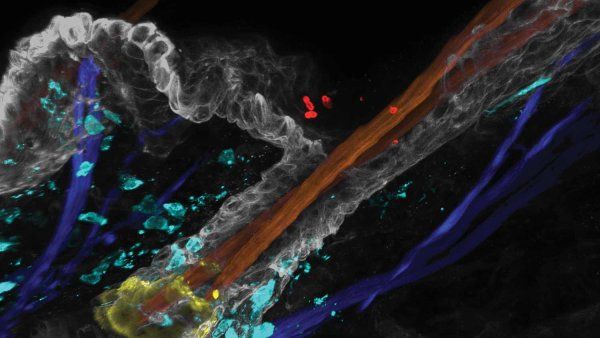
Teams of researchers at UCSF discover how C. auris, a fungal superbug that can make a difficult hospitalization deadly, stows itself in hair follicles to evade the skin's typical immune defenses.

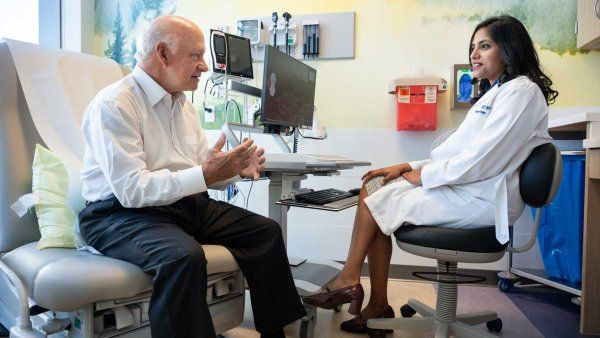
UCSF Medical Center ties as No. 1 hospital in California and ranks best in the state for cancer, geriatrics, neurology and neurosurgery, pulmonology, rheumatology, and urology, according to U.S. News & World Report.
UCSF Campus Life Services, in partnership with Golden Gate Bird Alliance, does an annual Bird and Butterfly Survey on Mount Sutro. The most recent survey demonstrates increased species diversity and bird population growth across the Mount Sutro Open Space Reserve, bolstering the ecological health of the reserve and the success of UCSF's vegetation management work.

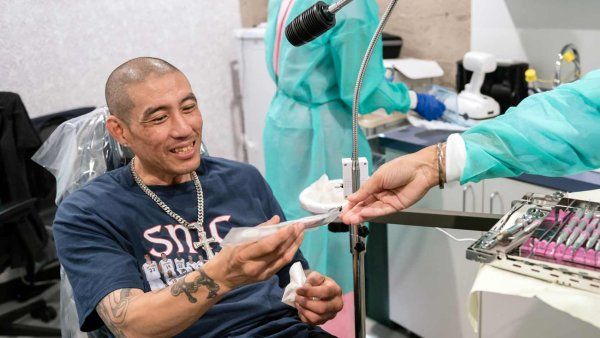
The Citywide Dental Clinic, a monthly free public pop-up dental clinic in San Francisco’s Tenderloin District organized by UCSF’s School of Dentistry, allows UCSF dental students to provide free care to patients under the watchful eye of UCSF dental faculty.
UCSF Health’s Adam Blaisdell, MD, PhD, has been selected as an IGNITE fellow by the Cancer Research Institute (CRI), a New York-based nonprofit that funds and promotes cancer immunotherapy research.
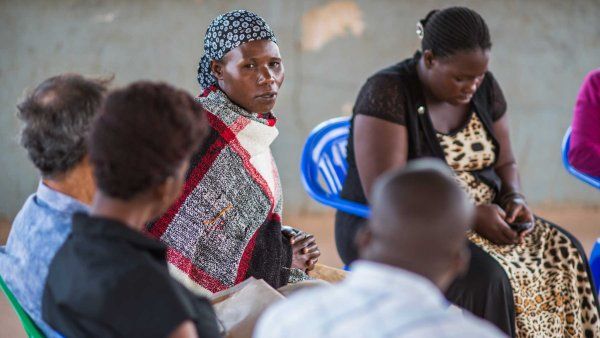
UCSF researchers presented data that found that the U.S. government’s withdrawal of funding for global HIV programs in January 2025 sharply reduced the number of people entering HIV care across East Africa within weeks.
Ten years ago, a small group of UCSF clinicians and community partners set out to address a gap in care they were seeing every day in the clinic: Spanish-speaking families navigating type 1 diabetes (T1D) without the language, cultural context, and support systems they needed. Today, Campamento Familiar en Español (CaFE) celebrates a decade of impact as a one-of-a-kind program transforming diabetes care across California.
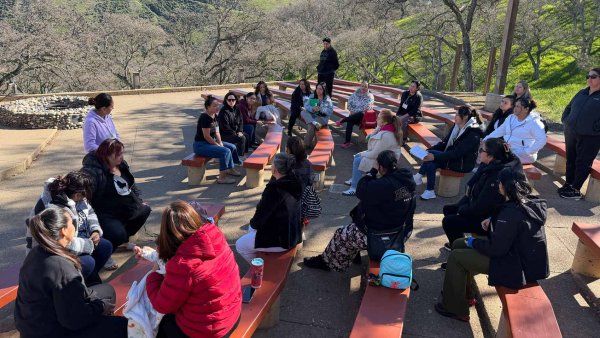
On Tuesday, July 14, 2026, the University of California Board of Regents appointed Jordan Roiland as the 2027–28 student regent. With his appointment, Roiland becomes the first M.D. student and only the third UC San Francisco student to serve as student regent in the 52-year history of the position.

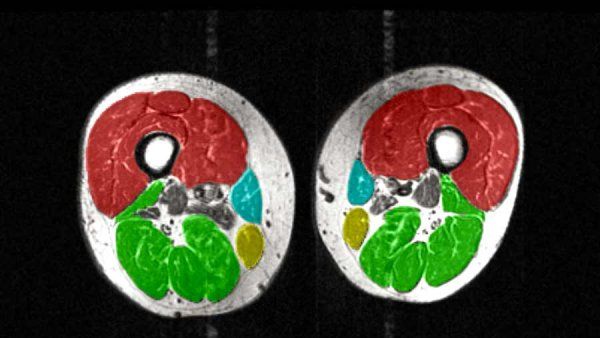
Analyzing MRI scans, UCSF radiologist Thomas Link showed that people whose weight fluctuates lose not only fat but muscle. Could have implications for people who go on and off GLP-1s.

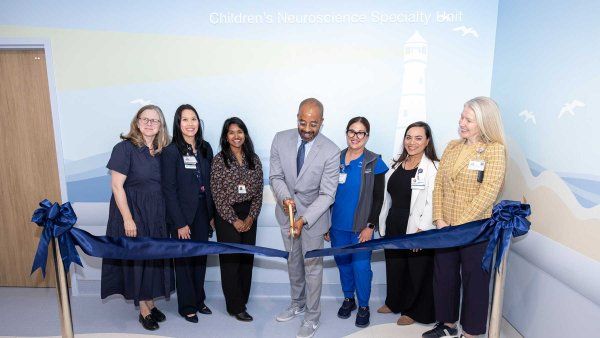
UCSF Benioff Children’s Hospital San Francisco is opening a dedicated 8-bed unit for pediatric neurological care, the first inpatient expansion since the Mission Bay Hospital opened in 2015.
UCSF’s Master of Science program in Artificial Intelligence and Computational Drug Discovery and Development (AICD3) has seen success in setting up learners for sought-after careers in drug discovery, drug development, bioinformatics, and pharmacovigilance. One alum has even translated his capstone project into a job at Genentech.
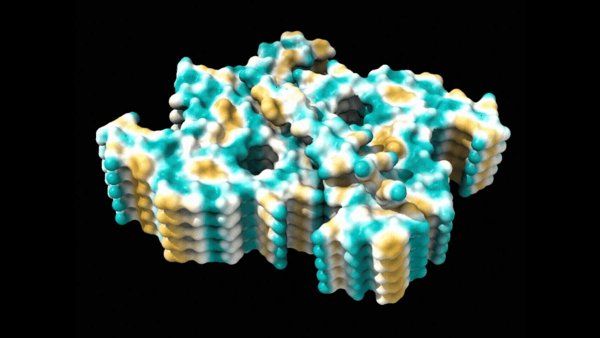
Saxitoxin, a neurotoxin released in algal blooms, has killed many people on the West Coast who've gathered shellfish that were exposed to it. The poison has also been developed as a chemical weapon. There is no antidote, yet — but it does exist.

San Francisco, CA (July 15, 2026) – Today, UCSF Health, Kleiner Perkins and Doerr Capital announced UCSF Health Converge, a new health AI accelerator that brings select companies together with
UCSF Health, Kleiner Perkins, and Doerr Capital launched UCSF Health Converge, a healthcare AI accelerator that helps startups build, test, and scale AI solutions for patient care in real-world clinical settings.

UCSF Health today announced a $170,000 investment in start-up funding to partner with Foothill College to develop a new two-year Neurodiagnostic Technologist (NDT) program. This landmark initiative
Breast cancer is known to disproportionately affect Asian American women who never smoked. Now, a new study documents a new breast cancer trend.
A study will test new drugs for early disease in an effort to prevent the buildup of toxic tau tangles that lead to cognitive decline.

UCSF experts explain menopause symptoms, hormone replacement therapy (HRT), benefits, risks, and new guidelines to help women make informed treatment decisions.

Researchers found that one in three men had minimal symptomatic benefits from tamsulosin, the most commonly prescribed medication for older men with a form of urinary tract infections, and suggest that they should be deprescribed of this medication.
UCSF researchers are using tiny "mini-organs" to model disease, personalize treatment, and understand human development. They are also addressing the limitations holding the field back: giving organoids a vascular system and making organoids reproducible.
