

“Love Island-Style” Power Couple Might Help Unlock HER2 Cancer
UCSF Grad Slam winners explain their research on cancer, MS, bone health, and Valley Fever in student research competition.
In the world of cancer, researchers devote a lot of time to studying the protein receptors HER2 and HER3, which, when paired together can turn into a toxic power couple.
Normally, HER2 and HER3 — which are found on all kinds of human cells — help regulate cell growth and survival, according to Brandon Courteau, a UC San Francisco PhD student in the Tetrad Program and first-place winner of UCSF’s 2026 Grad Slam student research competition. But when they pair up, they can get stuck sending nonstop grow and divide messages to cells — exactly what happens during cancer, particularly breast cancer.
Courteau’s presentation, “Protein Love Island: How Recoupling HER3 Could Reveal New Possibilities for Breast Cancer Therapeutics,” likened the pairing to the singles dating on the TV reality show “Love Island.”
To study how these pairings happen and what turns them toxic, Courteau is studying atypical HER3-HER3 pairings, rapidly freezing them and taking microscopic images to build a 3D model of how they fit together.
“If we can figure out what this looks like, we can figure out what it’s doing, whether that’s helping cancer cells or a way to fight against them,” Courteau said. “Once we have that information, we can use their structure to design new cancer drugs that could either create HER3 pairings or ‘break them up’, leading to potential new opportunities for cancer therapeutics.”
Watch the winning talk: Brandon Corteau was this year’s first place winner. Watch his talk, titled “Protein Love Island: How Recoupling HER3 Could Reveal New Possibilities for Breast Cancer Therapeutics.” Video by Isaac Conway-Stenzel
Vying for the top
As the top prize winner, Courteau received a $4,000 check and will go on to compete in the University of California systemwide Grad Slam on April 22 in Sacramento, with first-place Grad Slam winners from the other nine UC campuses.
He was one of 10 finalists selected from a pool of UCSF PhD student contestants vying for the top Grad Slam prize. Each was challenged to deliver a three-minute presentation in lay-friendly terms for a combined live and remote streaming audience of more than 700. Winners were chosen by a panel of five judges, including two past competition winners.
“At its core, communication is about connection and making ideas accessible and meaningful to the general population,” said Nicquet Blake, PhD, vice provost and dean of the Division of Graduate Education and Postdoctoral Affairs (GEPA). “Thank you to these students for stepping up to the challenge and reminding us that great science deserves and requires great communication.”
As in past years, this year’s Grad Slam, organized by GEPA was a featured event held in celebration of National Graduate Student Appreciation Week.
Better diagnostics for Valley Fever?
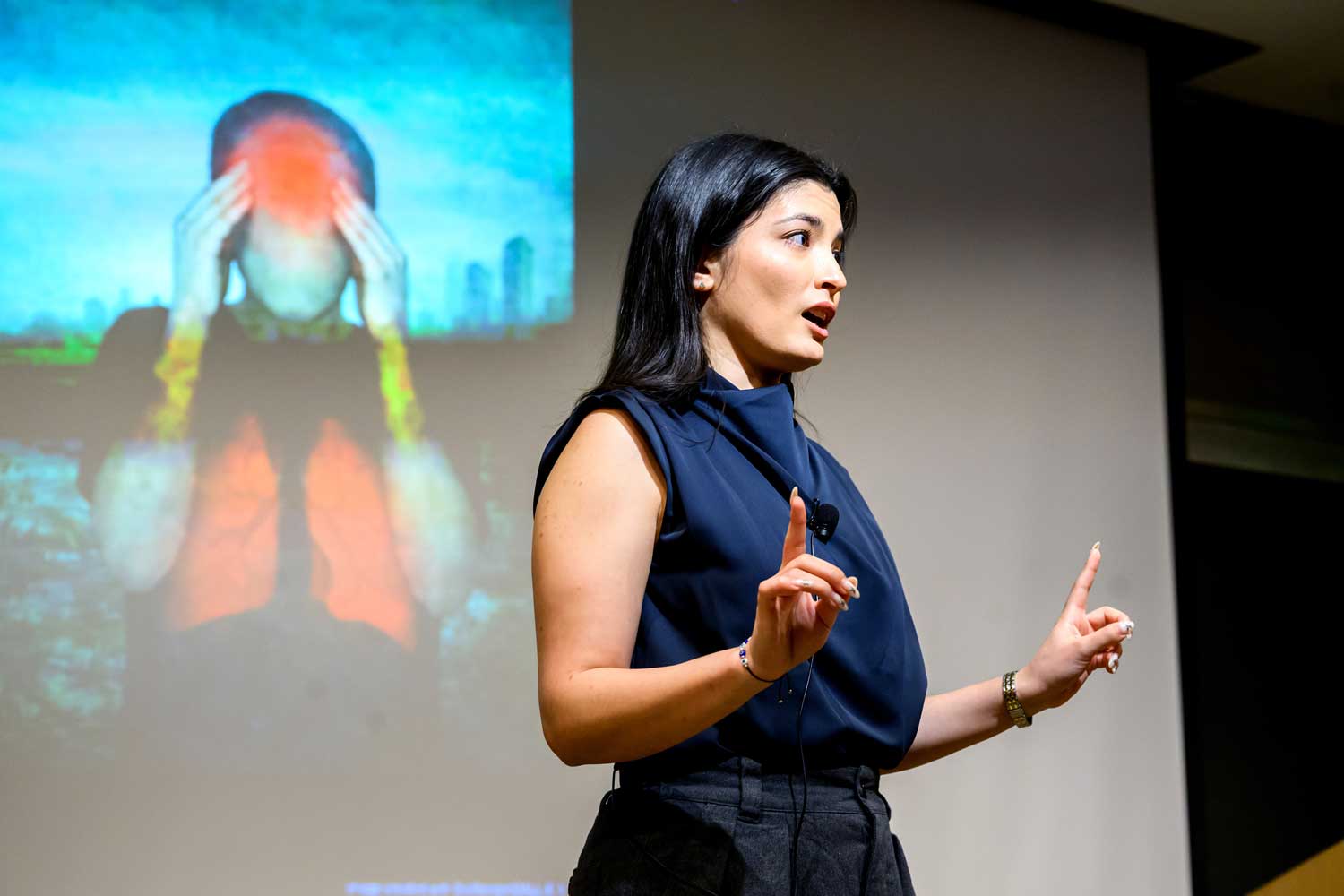
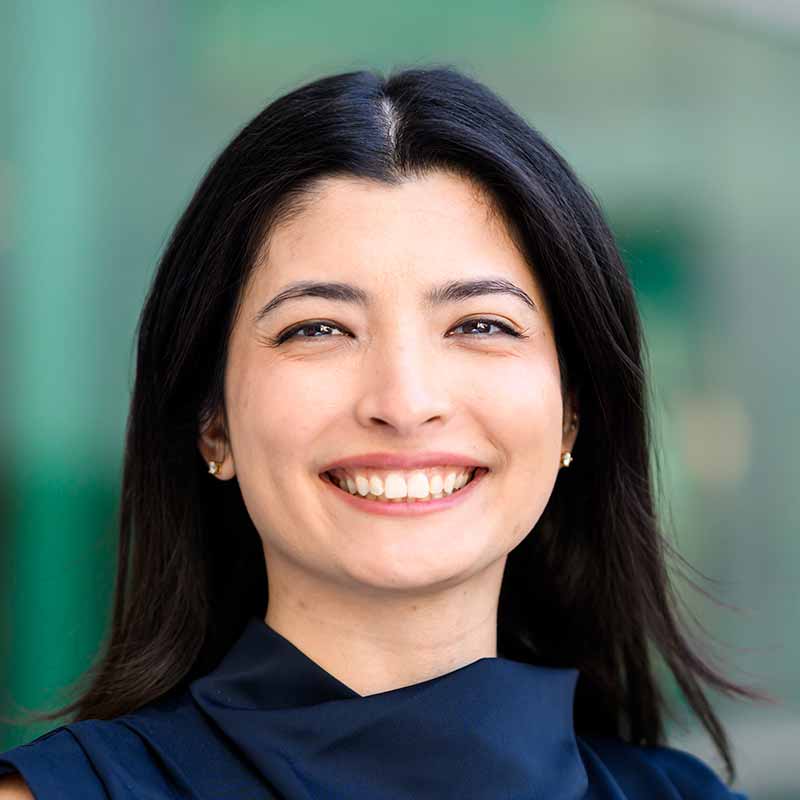
Christine Boutros, of the Neuroscience PhD Program, accepted the $2,000 second-place prize for her presentation titled “The Fungus Among Us: Fishing for Answers,” a close look at why patient responses to Valley Fever vary. Valley Fever is an air-borne fungus that causes mild lung infections in some people and meningitis, a life-threatening infection of the lining of the brain, in others.
Boutros bioengineered thousands of viruses with small bits of the Valley Fever fungus to study antibody responses in patient blood in the lab, “like baiting a fishing line with thousands of Valley Fever lures, to find out which antibodies would bite.” She found that people with mild reactions to Valley Fever had a broader set of antibodies than those with severe responses, potentially making them less reactive to the effects of the disease.
“The role of the antibodies is an active area of investigation,” Boutros said, “but by mapping antibody responses, I aim to identify immune signatures that could improve the diagnosis, treatment, and prevention of Valley Fever.”
How exercise improves bone strength
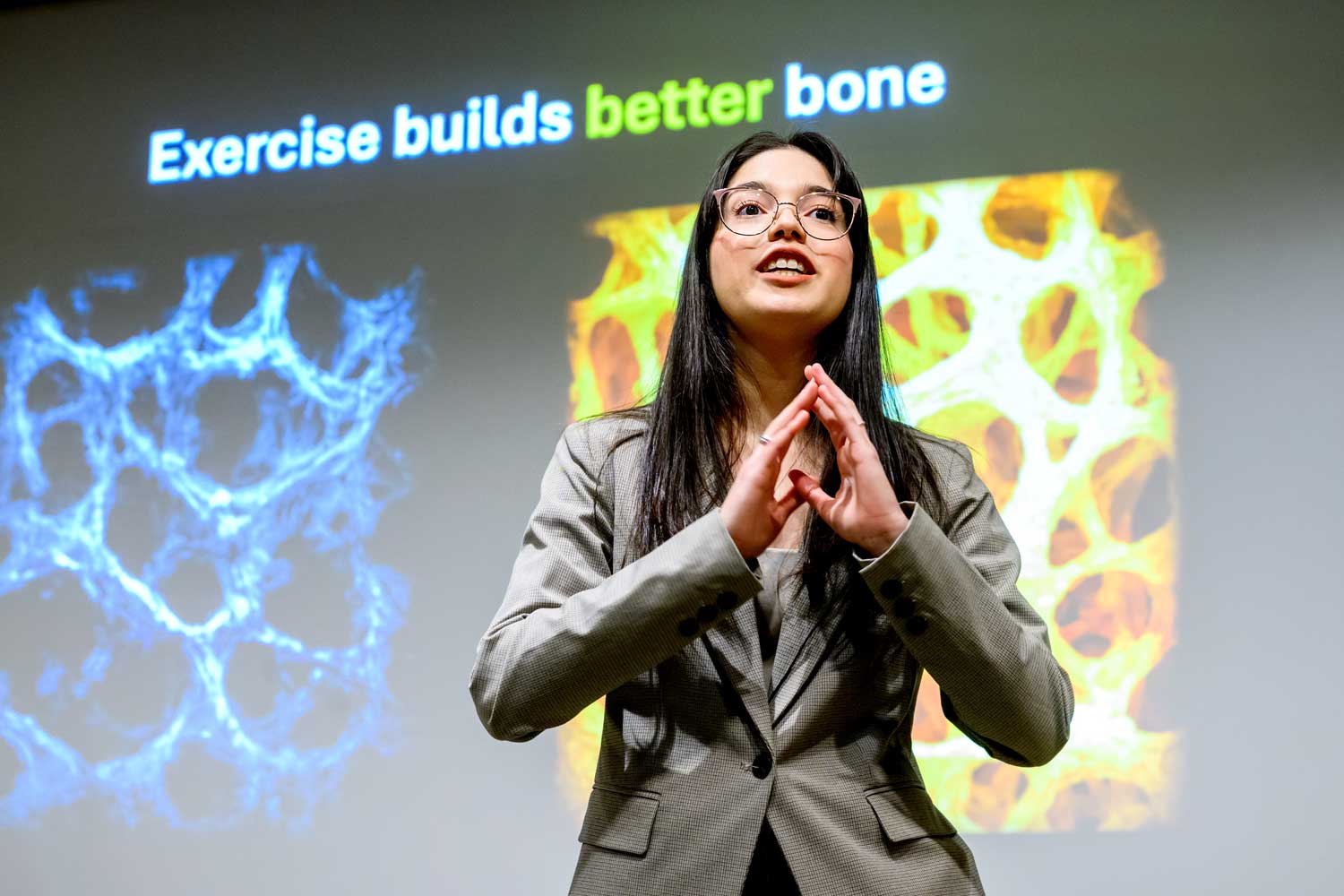
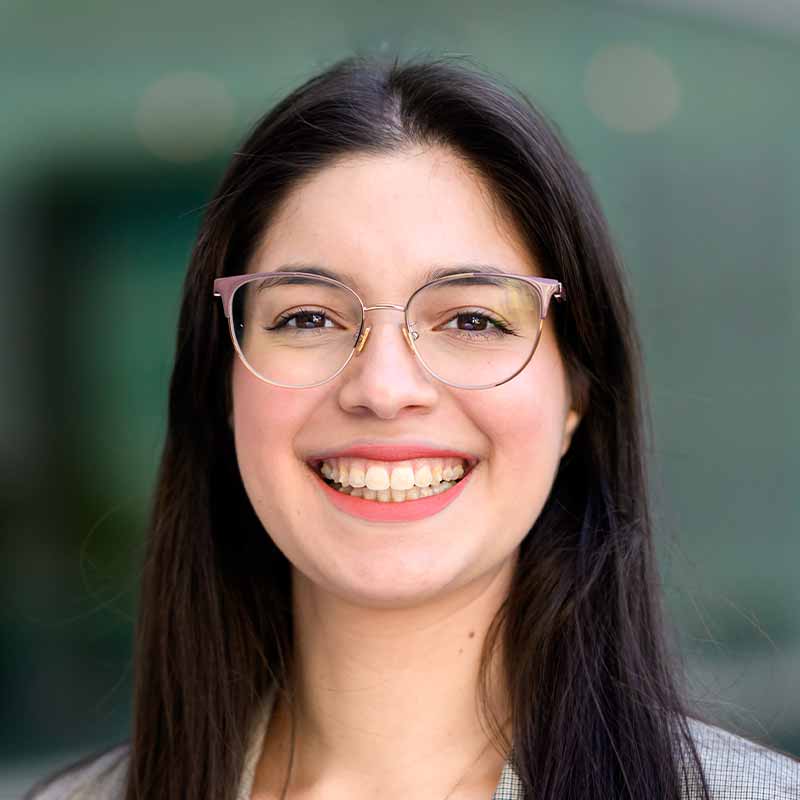
Nadja Michelle Maldonado Luna, PhD student with the UCSF Bioengineering Program, earned the $1,000 third place prize for “The Hidden Side of Bone Strength,” a look at the impact of movement on reshaping living bone cells.
“Relying on measuring bone density alone is like measuring a building’s strength by how heavy it is,” Maldonado Luna said. “What matters for bone strength isn’t how much bone you have but how well it’s built, and it all starts with movement.”
Using high-resolution imaging and molecular analysis to probe the structure of bones, Maldonado Luna tracked how bone strength is built over time. She concluded that exercise doesn’t just build bone cells but reorganizes existing bone cells to respond to the body’s daily movements. Bone cells are not static, but dynamic entities that respond to movement and decide what areas to repair and reinforce.
“Exercise improves not just the quantity but also the quality of bone cells,” she said. “By measuring the signals in the living bone cells, we can eventually detect bone fragility before bones break.”
Securing the immune system from MS
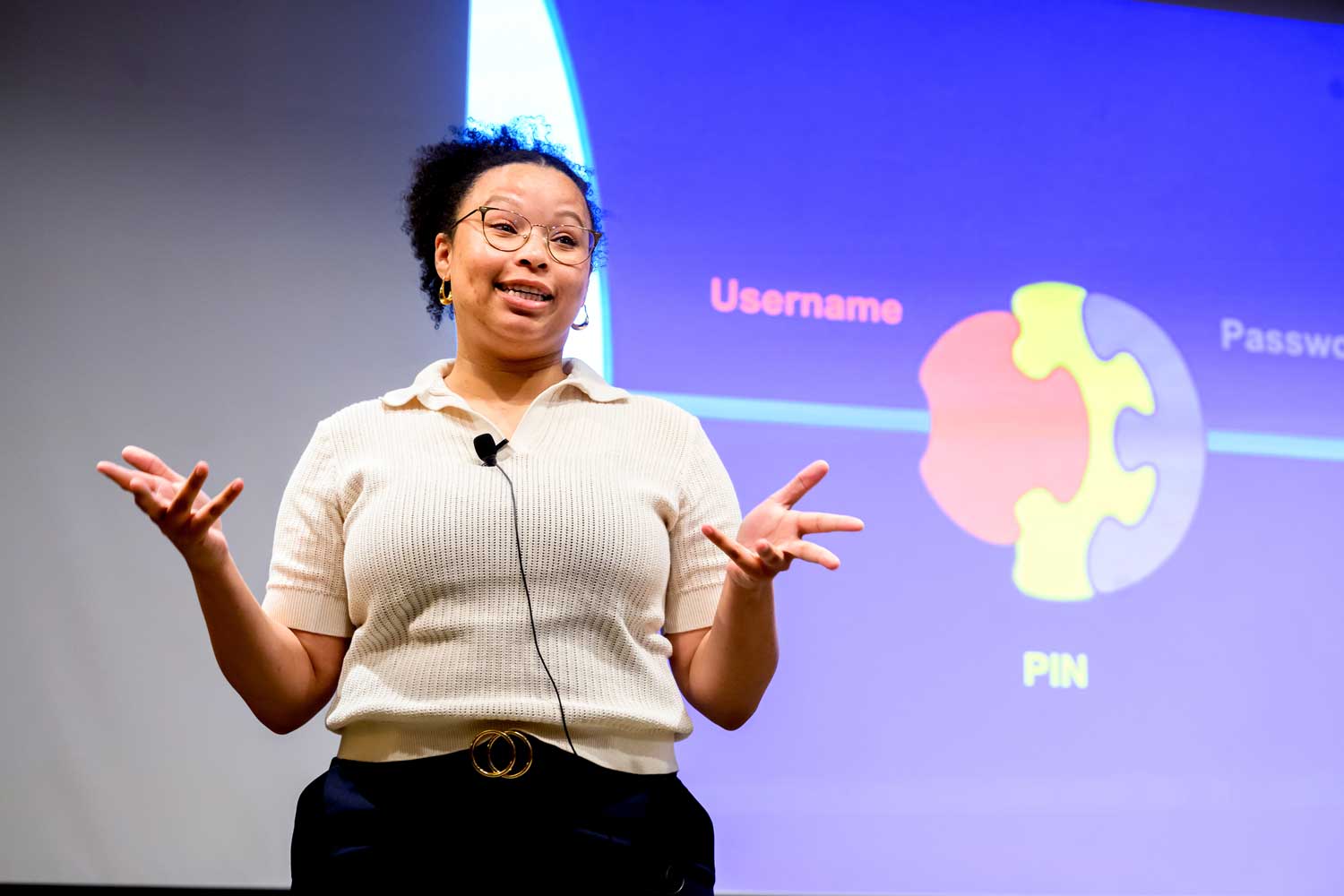
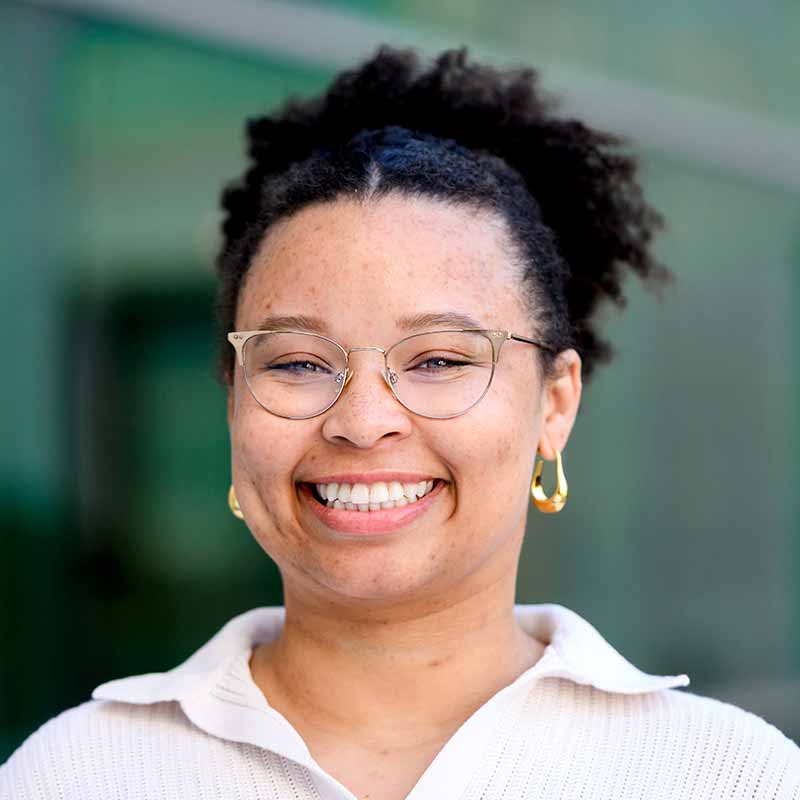
The People’s Choice Award and a $750 purse went to PhD student, Jacqueline Williams, of the UCSF Biological and Medical Informatics Program, for a compelling presentation titled “Decoding the Body’s Login System: The Missing Signal in MS.”
While Multiple Sclerosis (MS) is mostly treated by suppressing the body’s immune system, Williams explained her alternate perspective of treating MS using a “three-factor authentication” process, similar to the username, password, and PIN combination that is often used to access secure digital networks. The three-step authentication is what it takes to signal the immune system to recognize and respond to Epstein-Barr virus (EBV), a major risk factor for diseases like Multiple Sclerosis.
“The three factors create a protective code that helps the immune system detect and eliminate EBV-infected cells,” Williams said. “If we can understand and recreate that code, maybe we can start designing therapies that don’t just suppress the immune system but restore the body’s natural ability to catch the missing signal and respond to underlying drivers of disease.”
2026 panel of judges:
- Dan Bernal, Vice Chancellor, UCSF Community and Government Relations
- Atreya Dey, PhD, postdoctoral scholar, UCSF Department of Bioengineering and Therapeutic Sciences; UCSF Postdoc Slam champ, 2015
- Moira Gunn, PhD, Host of Tech Nation and Biotech Nation on NPR, and professor of Biotechnology at University of San Francisco
- Aenor Sawyer, MD, MS, executive director of Innovation and Entrepreneurship, UCSF Innovation Ventures, and associate professor, UCSF Department of Orthopaedic Surgery
- Shannon Smith-Bernardin, PhD ʼ16, associate professor and nurse scientist with UCSF School of Nursing (Social & Behavioral Sciences); UCSF Nursing PhD alum; UCSF Grad Slam 2016 champ
2026 UCSF Grad Slam Finalists
In the order they presented:

Sarah Wade
“Birdwatching in the Brain: A Field Guide to Neurons and Their Neighbors”
Faculty advisor: Anna Molofsky, MD, PhD
Watch Sarah’s talk

Jacqueline Williams
“Decoding the Body's Login System: The Missing Signal in MS”
Faculty advisor: Jill Hollenbach, PhD, MPH
Watch Jacqueline’s talk

Ruth Groza
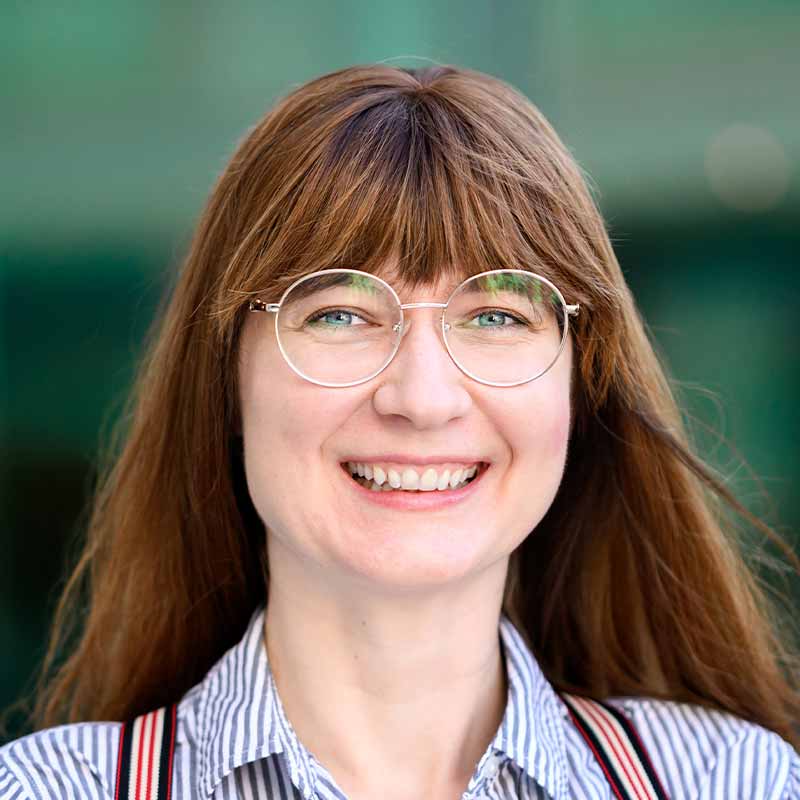
“Flight Risk: Predicting Pandemic Influenza Before It Emerges”
Faculty advisors: Angela Phillips, PhD

Nadja Michelle Maldonado Luna
“The Hidden Side of Bone Strength”
Faculty advisor: Tamara Alliston, PhD
Watch Nadja’s talk

Christine Boutros
“The Fungus Among Us: Fishing for Answers”
Faculty advisor: Michael Wilson, MD
Watch Christine’s talk

Brandon Courteau
“Protein Love Island: How Recoupling HER3 Could Reveal New Possibilities for Breast Cancer Therapeutics”
Faculty advisors: Natalia Jura, PhD and Kliment Verba, PhD
Watch Brandon’s talk

Mika Matera-Vatnick
“The Hidden Wiring of Hunger”
Faculty advisor: Peter Turnbaugh, PhD
Watch Mika’s talk

Vanna Tran
“Poking, Prodding, Pushing, and Pulling: Cell Division Edition”
Faculty advisor: Sophie Dumont, PhD
Watch Vanna’s talk

Rafaella Shima
“Quieting Molecular Gossip: How Ketone Esters Reshape Microbial Metabolism”
Faculty advisor: Peter Turnbaugh, PhD
Watch Rafaella’s talk

Lexi Schneider
“In the Spotlight: Illuminating Brain Therapeutics with TORCH”
Faculty advisors: Andrew Yang, PhD and Jason Cyster, PhD
Watch Lexi’s talk
2026 UCSF Grad Slam Finalists
In the order they presented:
Sarah Wade
“Birdwatching in the Brain: A Field Guide to Neurons and Their Neighbors”
Faculty advisor: Anna Molofsky, MD, PhD
Watch Sarah’s talk
Jacqueline Williams
“Decoding the Body's Login System: The Missing Signal in MS”
Faculty advisor: Jill Hollenbach, PhD, MPH
Watch Jacqueline’s talk
Ruth Groza
“Flight Risk: Predicting Pandemic Influenza Before It Emerges”
Faculty advisors: Angela Phillips, PhD
Nadja Michelle Maldonado Luna
“The Hidden Side of Bone Strength”
Faculty advisor: Tamara Alliston, PhD
Watch Nadja’s talk
Christine Boutros
“The Fungus Among Us: Fishing for Answers”
Faculty advisor: Michael Wilson, MD
Watch Christine’s talk
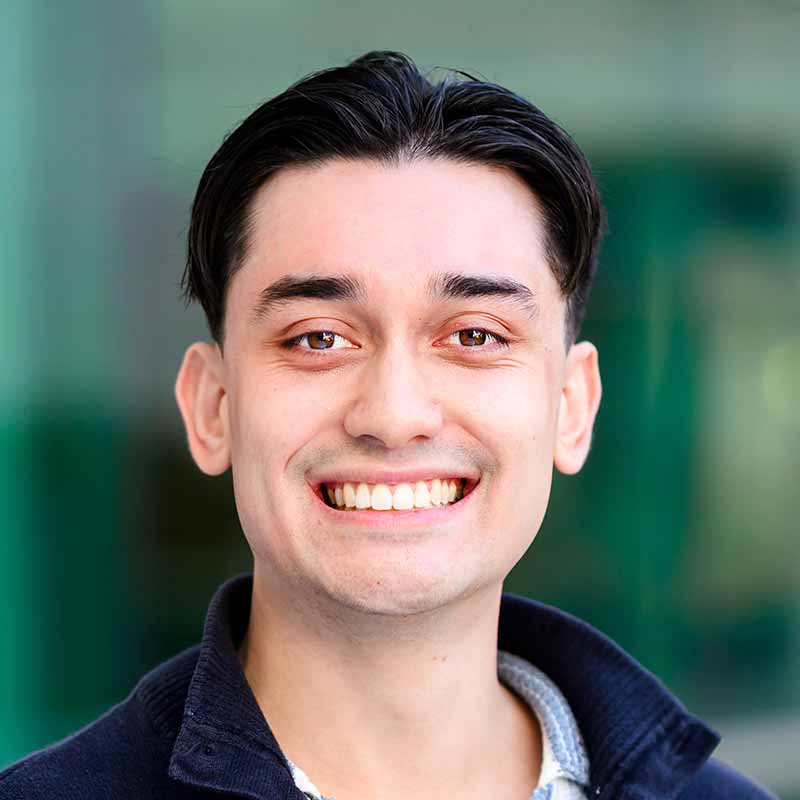
Brandon Courteau
“Protein Love Island: How Recoupling HER3 Could Reveal New Possibilities for Breast Cancer Therapeutics”
Faculty advisors: Natalia Jura, PhD and Kliment Verba, PhD
Watch Brandon’s talk
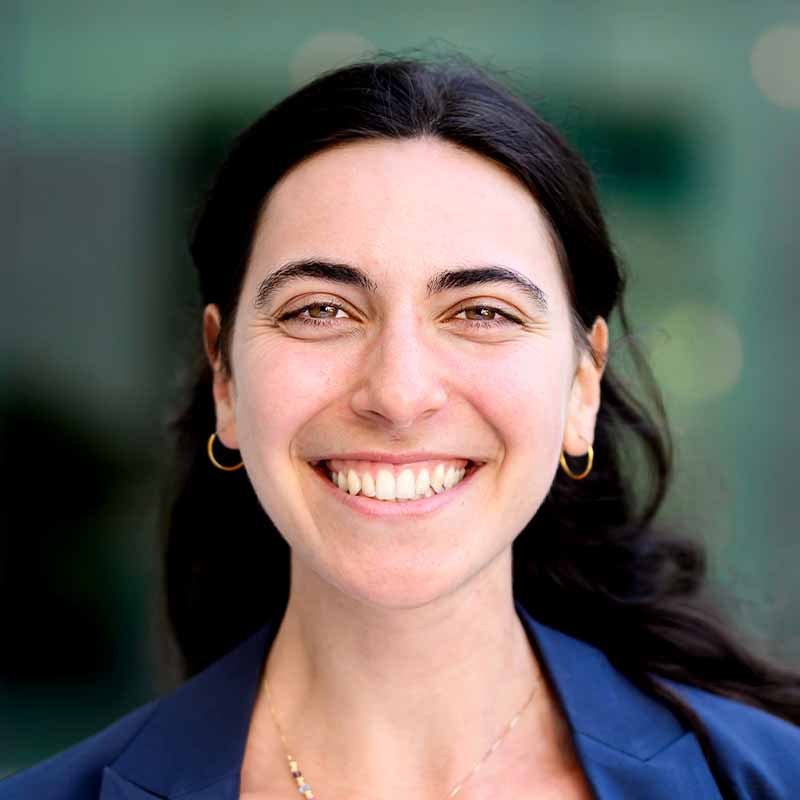
Mika Matera-Vatnick
“The Hidden Wiring of Hunger”
Faculty advisor: Peter Turnbaugh, PhD
Watch Mika’s talk
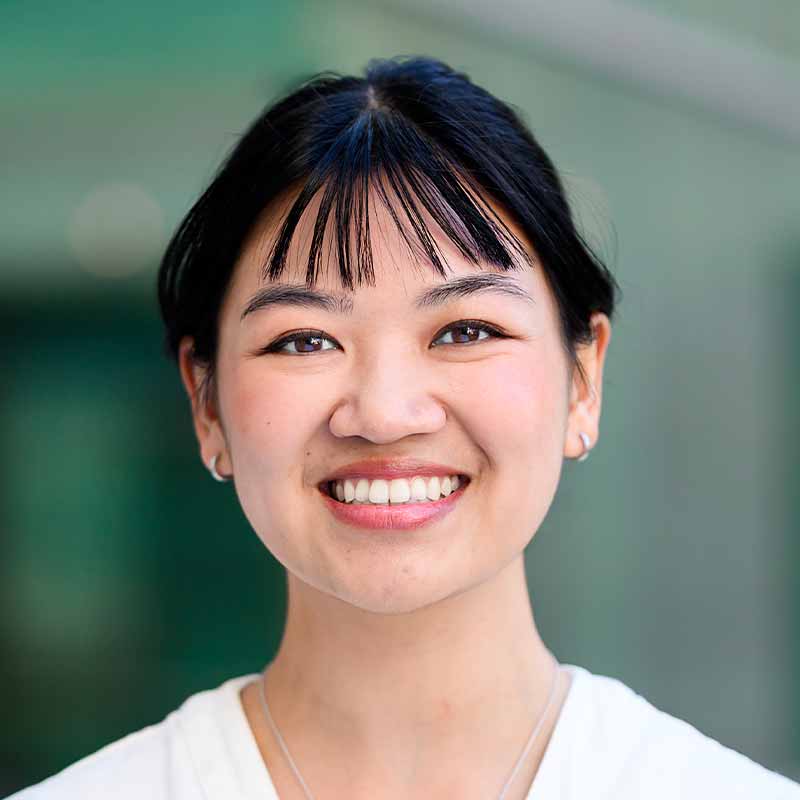
Vanna Tran
“Poking, Prodding, Pushing, and Pulling: Cell Division Edition”
Faculty advisor: Sophie Dumont, PhD
Watch Vanna’s talk
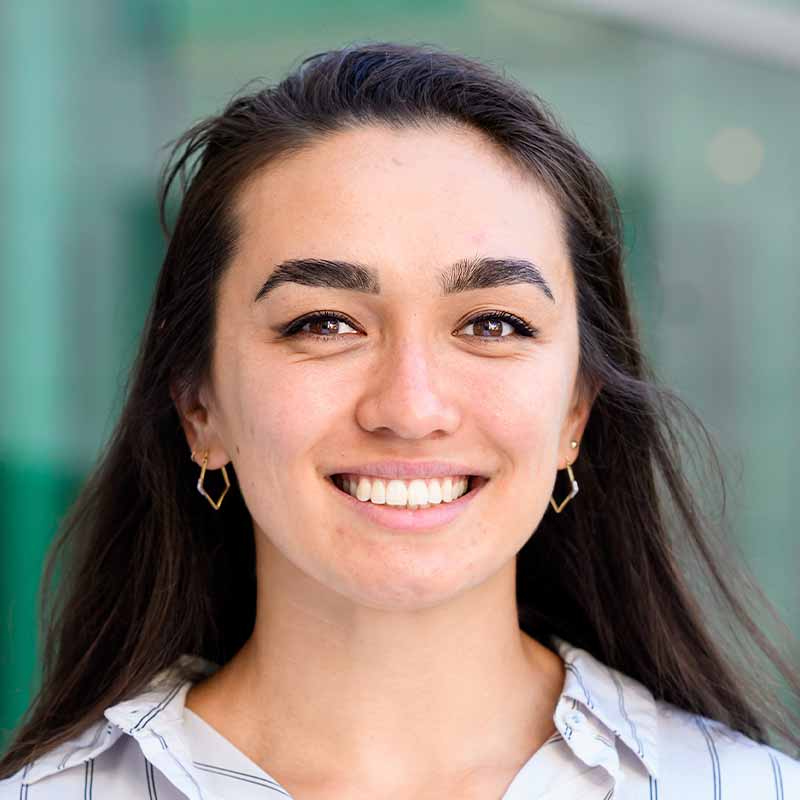
Rafaella Shima
“Quieting Molecular Gossip: How Ketone Esters Reshape Microbial Metabolism”
Faculty advisor: Peter Turnbaugh, PhD
Watch Rafaella’s talk
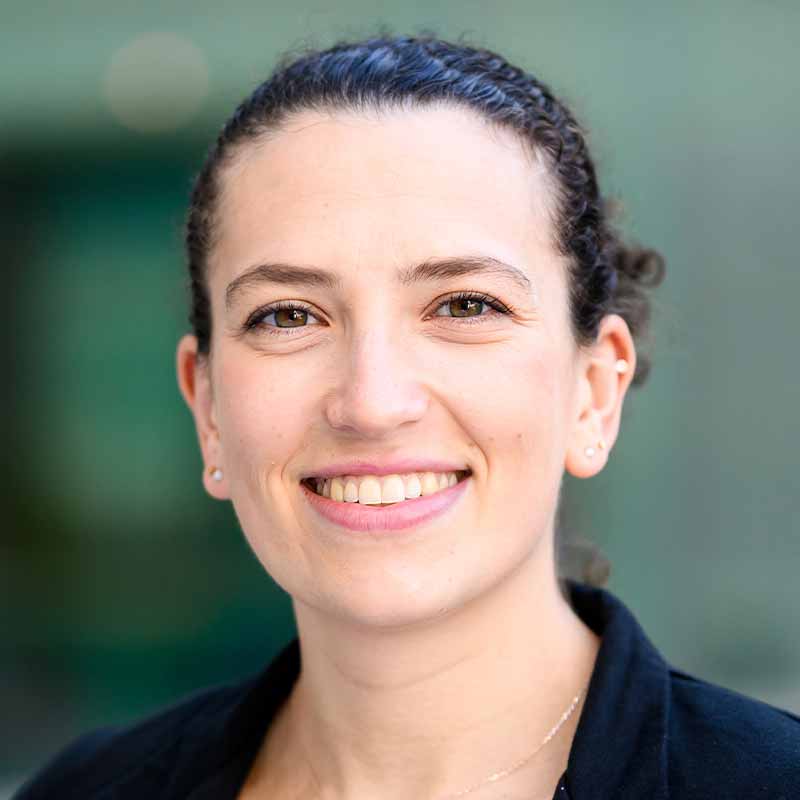
Lexi Schneider
“In the Spotlight: Illuminating Brain Therapeutics with TORCH”
Faculty advisors: Andrew Yang, PhD and Jason Cyster, PhD
Watch Lexi’s talk