Archive: Therapy for Abnormal Heartbeats May Cause Brain Injury
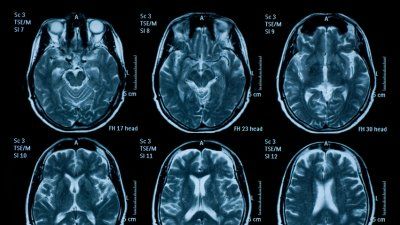
A common treatment for irregular heartbeats known as catheter ablation may result in the formation of brain lesions when it is performed on the left side of the heart.
University of California San Francisco
Give to UCSFA common treatment for irregular heartbeats known as catheter ablation may result in the formation of brain lesions when it is performed on the left side of the heart.
For concussion sufferers, physicians may now be able to predict early on who is more likely to continue experiencing symptoms months or years after the head-jarring event.
E-cigarettes – thought by some to be responsible for a decline in youth cigarette smoking – are actually attracting a new population of adolescents who might not otherwise have smoked tobacco products.
Study suggests, genetic variants that have distinct effects on physical traits in men versus women are also linked to men’s and women’s risk for a range of diseases – autism, multiple sclerosis, type 1 diabetes.
UCSF study demonstrates that nucleosomes actively change their shape as part of the larger process of epigenetic regulation of gene expression.
New research has found that successful cancer immunotherapy appears to depend on whether the treatment can trigger a system-wide immune response, rather than just a local response within the tumor itself.
Alcohol consumed during just seven weeks of intermittent binge drinking harms the liver in ways that more moderate daily drinking does not.
UC San Francisco scientists have formed an innovative research alliance with three global pharmaceutical companies.
Key members in the UCSF Science Policy and Strategy Group, as well as the Government Relations Office, discuss faculty concerns around decreased federal funding for biomedical research and advanced patient care, or the elimination of such funding altogether.
In Texas, increases in travel distance to the nearest abortion clinic caused by clinic closures were closely associated with decreases in the official number of abortions.
UC San Francisco’s Center for Digital Health Innovation announced a collaboration with Intel Corporation to deploy and validate a deep learning analytics platform designed to improve care.
People with bipolar disorder, schizophrenia and major depression with psychosis may be up to 15 more likely than the general population to be HIV positive, but are only marginally more likely to be tested for the virus.
Ifeyinwa Asiodu, an assistant professor at the UCSF School of Nursing, is working to close the gap in breastfeeding rates between African-American babies and others in the U.S.
Mitochondrial replacement therapy now has been used in humans to conceive a “three-parent baby” to prevent inherited mitochondrial disorders, but there remain questions about the effectiveness of the process.
UCSF researchers are working to figure out how mouse stem cells divide and differentiate into acinar cells to rebuild the salivary gland after an injury. Such research could apply to patients who often lose the ability to produce saliva after undergoing radiation therapy for head and neck cancers.
Over the next year, 19 new public water stations will be installed across San Francisco, thanks to a collaboration involving the City and County of San Francisco, community groups, and UCSF Health.
A UC San Francisco-led study has identified signatures of ethnicity in the genome that appear to reflect an ethnic group’s shared culture and environment, rather than its common genetic ancestry.
UC San Francisco and Pfizer Inc.’s Centers for Therapeutic Innovation have renewed an agreement to identify and develop biologic compounds against both known and novel targets.
Researchers at UCSF have developed a new optogenetic tool that can be used to completely eliminate single cells from brain networks in animals. The researchers believe the new tool will enable exquisitely precise experiments to help researchers understand how each cell contributes to the whole.
Steven Altschuler and Lani Wu are using artificial intelligence to spot and label potential medical uses for biological compounds.
Alcohol abuse may increase the risk for heart attack, atrial fibrillation and congestive heart failure.
Latino children with kidney failure have a surprising survival advantage over white children despite longer waits for transplants, according to a UCSF study that tracked more than 12,000 pediatric patients.
UCSF researchers have discovered a way to switch off the widely used CRISPR-Cas9 gene-editing system using newly identified anti-CRISPR proteins that are produced by bacterial viruses.
A newly identified bacterial protein that is shown to jump-start infection may be the culprit in a foodborne disease that strikes pregnant women in disproportionately high numbers, leading to miscarriage and pre-term birth.
In findings that show the effectiveness of a new strategy for treating multiple sclerosis, researchers are reporting positive results from three large, international, multicenter Phase III clinical trials of the investigational drug ocrelizumab in both relapsing multiple sclerosis and primary progressive multiple sclerosis.
UCSF is joining a unique collaboration agreement with Facebook that would allow its researchers to engage in joint technology projects without the usual red tape.
UCSF scientists have discovered an unexpected mechanism the brain uses to seamlessly compensate when speech sounds are obscured by noise.
UCSF researchers have taken a major step toward understanding the function of the tens of thousands of human genes that do not code for proteins, a phenomenon considered one of the key remaining mysteries of the human genome.
Researchers from UC San Francisco and the Broad Institute of MIT and Harvard have developed a new method for performing high-throughput functional screening of complex genetic interactions.
To give you a bit of scientific motivation, UCSF gathered some of the latest research behind the most popular health-related New Year’s resolutions that attest to why it really is good for your body to see them through.