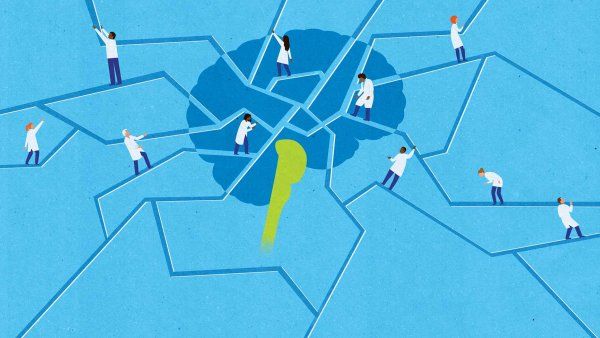
How a Team of Brain Detectives Is Cracking the Hardest Cases
A new diagnostic clinic for mysterious nervous-system disorders is giving patients answers they can’t find anywhere else.
University of California San Francisco
Give to UCSFA new diagnostic clinic for mysterious nervous-system disorders is giving patients answers they can’t find anywhere else.
A generation ago, a diagnosis of multiple sclerosis was a guarantee of a debilitating disease that would leave the patient wheelchair bound, and worse. Follow UCSF’s role in what some call the golden age of MS research and care.
The disabling effects of multiple sclerosis may be caused in part by damaged connections between neurons, and this can be seen in the eye, UC San Francisco researchers have found. They showed that
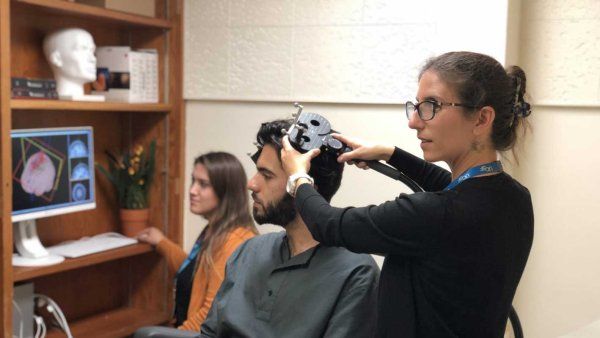
Transcranial magnetic stimulation (TMS) is a noninvasive in-office procedure. Brief magnetic pulses to the brain induces electrical currents that stimulate nerve cells in specific areas of the brain, providing symptom relief for patients with depression and OCD.
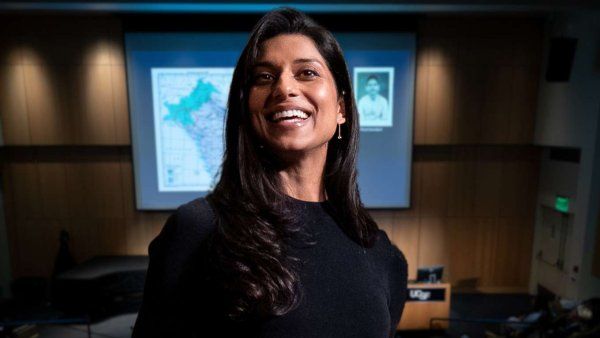
This year's Sumner and Hermine Marshall Endowed Last Lecture will be given by Dr. Rupa Lalchandani Tuan. Dr. Tuan will deliver a lecture on the prompt, "If you had but one lecture to give, what would you say?”
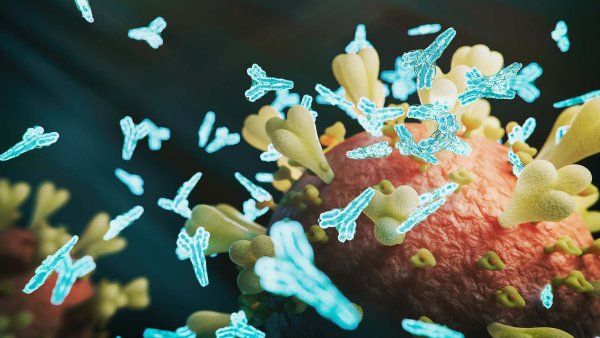
UCSF scientists have found a set of autoantibodies that emerge in some MS patients years before symptoms.
When a mouthful of water goes down the wrong pipe – heading toward a healthy person’s lungs instead of their gut – they start coughing uncontrollably. That’s because their upper airway senses the
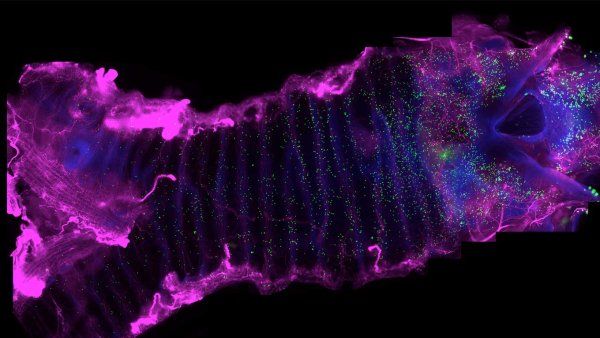
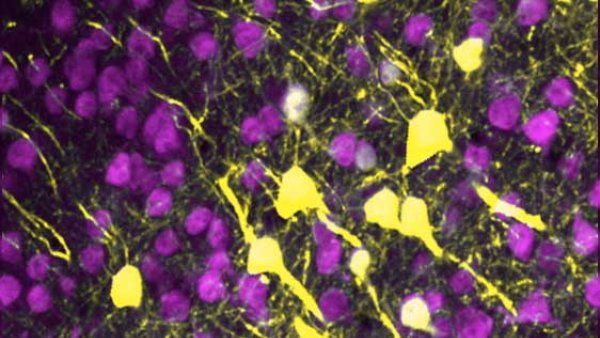
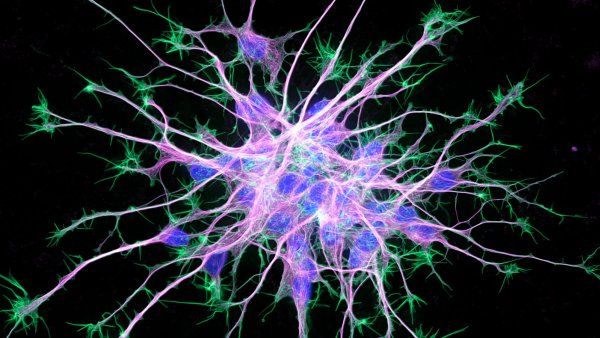
Mild brain inflammation destroys arm-like projections of neurons rather than the neurons themselves, but can still cause significant brain damage.
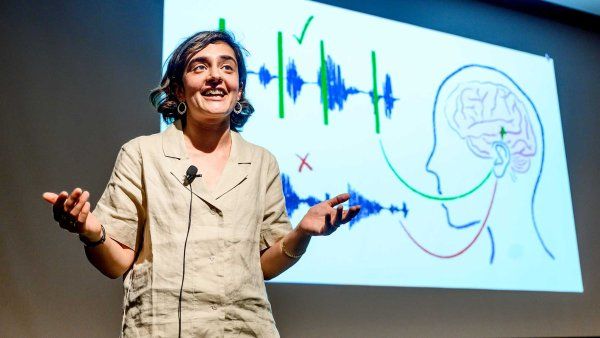
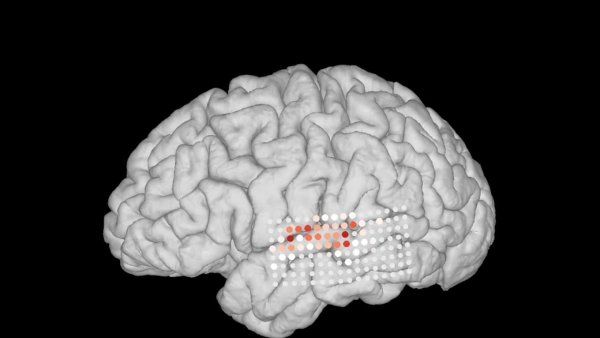
Ten UCSF graduate students presented their research in accessible, 3-minute talks at the 2024 Grad Slam event. This year’s first-place talk was by Ilina Bhaya-Grossman on how our brains make meaning out of groups of vowels, consonants and pauses in our native tongues to recognize words.
UCSF scientists have been awarded more than $30 million to develop “tissue GPS,” a new system using engineered T cells to guide therapies directly to their targets in the brain to treat neurological diseases like cancer, multiple sclerosis and Alzheimer’s.
A smartphone app could enable greater participation in clinical trials for people with frontotemporal dementia (FTD), a devastating neurological disorder that often manifests in mid-life.
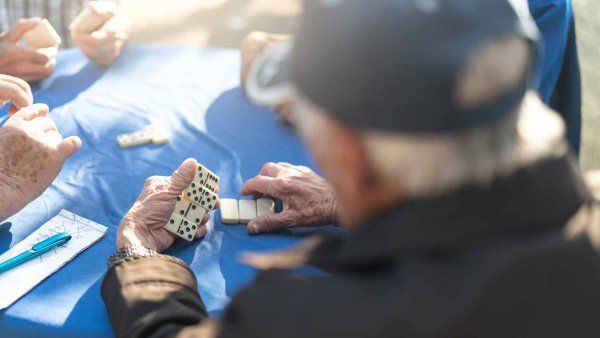
People with dementia and those who care for them should be screened for loneliness, so providers can find ways to keep them socially connected.
The Allen Institute is the newest member of the Weill Neurohub, a collaborative research network advancing treatments for neurological diseases.
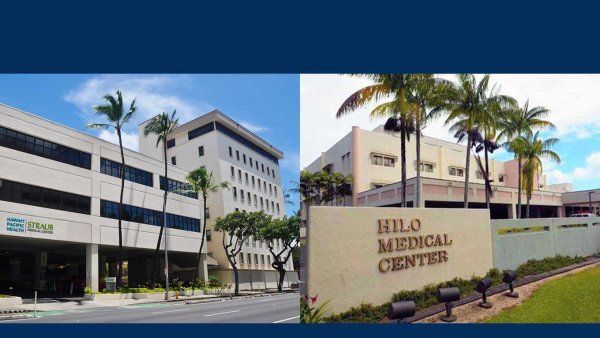
UCSF Health is expanding its collaboration with two hospitals in Hawaii, Hawai’i Pacific Health and Hilo Medical Center, to support a $150 million gift from Lynne and Marc Benioff that aims to increase access to high-quality medical care for Hawaii residents.
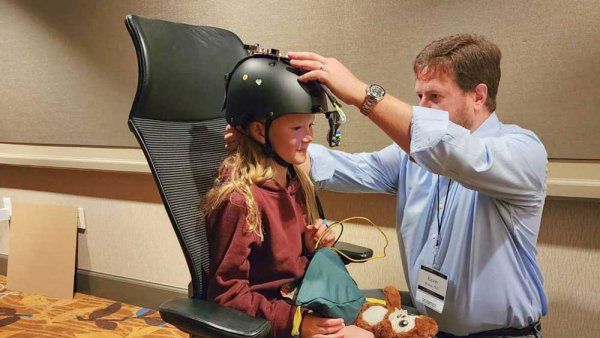
UCSF scientists may have discovered a new way to test for autism by measuring how children’s eyes move when they turn their heads.
Rather than simply hearing a string of notes, the brain is assessing them for patterns and predicting which notes will be next.
People with depression have higher body temperatures, suggesting there could be a mental health benefit to lowering the temperatures of those with depression.
Early identification of posterior cortical atrophy (PCA) may have important implications for Alzheimer’s treatment. PCA patients struggle with visual impairments like judging distances, distinguishing between moving and stationary objects and completing tasks like writing and retrieving a dropped item.
A newly-discovered gene may explain how humans go deaf both as they age, and in response to loud noise.
Quality of sleep, not quantity, may play a part in the development of dementia decades before symptoms start.
Fortified stem cells. Enhanced memory. A longevity hormone. UCSF researchers are finding out whether we can cancel – or at least delay – old age.
A new collaborative approach has begun revealing, in detail, how a set of around 100 autism spectrum disorder genes may lead to serious developmental problems. The technique involves looking beyond genes and their mutations, to the proteins they code for.