Archive: Monthly Brain Cycles Predict Seizures in Patients with Epilepsy
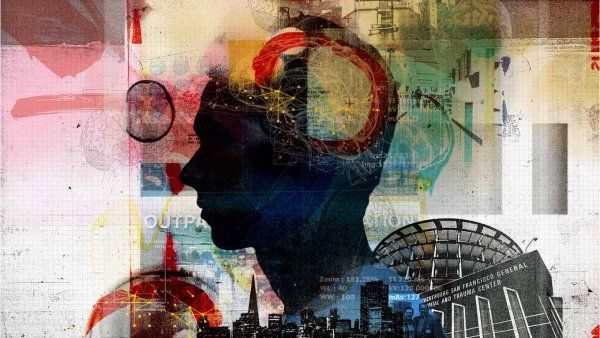
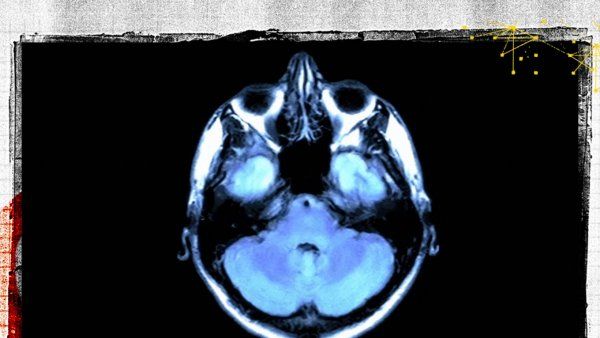
UCSF neurologists have discovered monthly cycles of brain activity linked to seizures in patients with epilepsy.
University of California San Francisco
Give to UCSFUCSF neurologists have discovered monthly cycles of brain activity linked to seizures in patients with epilepsy.
Anna Molofsky is researching how synapses pruning and formation occur normally during brain development in the hope of determining how subtle shifts in balance lead to neurodevelopmental disorders.
Kristine Yaffe shares what scientists are learning about the long-term consequences of traumatic brain injury.
More than half of TBI patients are over 65 – research hasn’t caught up to the demographic shift.
Amanda Woerman explores how basic science fuels efforts to end trauma-induced brain disease.
Millions of people suffer traumatic brain injuries each year, but there remains no effective treatment.
Whether you are seeing them for the first time or coming back for another look, check out the most popular scientific stories from UC San Francisco from the past year.
Researchers at UCSF have developed a new genetic model of autism, using neurons created in the lab from patients’ own skin cells.
Children with an extremely deadly form of brain cancer might benefit from a new treatment that aims to direct an immune response against a mutant form of a protein found exclusively on cancer cells.
The UCSF Weill Institute for Neurosciences has awarded funding to 11 UC San Francisco scientists seeking to support the Institute’s mission to improve the lives of people with brain diseases and disorders through innovative projects that unite the scientific disciplines of neurology, psychiatry and neurosurgery.
UCSF researchers are leading several initiatives that aim to see how dozens of seemingly unrelated genes and proteins involved in a disease are in fact all part the same interconnected biological pathway.
Researchers at UCSF have shown how the Bengalese finch can learn to tweak its song depending on context, which could shed light on how the human brain learns to apply different rules depending on the situation.
Researchers at UC San Francisco, the University of North Carolina-Chapel Hill, and Stanford University report a major step toward designing more powerful psychiatric drugs with fewer side effects.
A new UC San Francisco–led study shows that failure to follow this basic principle of population science can profoundly skew the results of brain imaging studies.
UCSF scientists have successfully completed a Phase II clinical trial showing that an FDA-approved antihistamine restores nervous system function in patients with chronic MS.
Researchers at UCSF have identified specific gut microbes associated with MS in human patients, showing that these microbes take part in regulating immune responses in mouse models of the disease.
Researchers at UCSF have identified neurons in the human brain that respond to pitch changes in spoken language, which are essential to clearly conveying both meaning and emotion.
The Global Brain Health Institute has brought in its first class of Atlantic Fellows. The 32 fellows are taking a range of classes and pursuing projects with the goal of returning to their communities with knowledge and skills to implement changes impacting brain health.
The benefits of a good night’s sleep have become widely known, and now neuroscientists at UCSF have discovered that the animal brain reinforces motor skills during deep sleep.
Scientists at UC San Francisco have found that administering a fragment of the klotho protein to young, aging or impaired mice rapidly improves their cognitive and physical performance.
Rare deletions or duplications of about 600 genetic “letters” in a region on chromosome 16 confer a high risk of autism spectrum disorders (ASDs) and other neurodevelopmental conditions.
UCSF neuroscientists answered questions about a molecule that reverses severe memory and learning impairments in mice with traumatic brain injury.
New research by UCSF neuroscientist Robert Edwards has uncovered the role alpha-synuclein plays in the normal brain. The protein has long been implicated in Parkinson’s disease.
Interim Dean Sandra Weiss of the UCSF School of Nursing is leading three major studies aimed at shedding important light on some of the most pressing issues facing American women with depression and the clinicians who treat them.
Ying-Hui Fu, a UCSF professor of neurology and a pioneer in the study of sleep and genetics, explains the science behind strange sleep patterns and shares why shut-eye is more important than you think.
A genome sequencing test developed at UCSF that can rapidly pinpoint the cause of a bacterial, viral, fungal or parasitic infection is now available to help physicians nationwide diagnose cases.
UCSF scientists used an experimental drug to completely reverse severe learning and memory impairments caused by traumatic brain injury in mice.