Adults Living with HIV Are at High Risk for Diabetes. Here’s Why
UCSF reserachers discover why people with controlled HIV are at much higher risk for diabetes than HIV-negative people.

University of California San Francisco
Give to UCSF
UCSF reserachers discover why people with controlled HIV are at much higher risk for diabetes than HIV-negative people.
UCSF researchers presented data that found that the U.S. government’s withdrawal of funding for global HIV programs in January 2025 sharply reduced the number of people entering HIV care across East Africa within weeks.
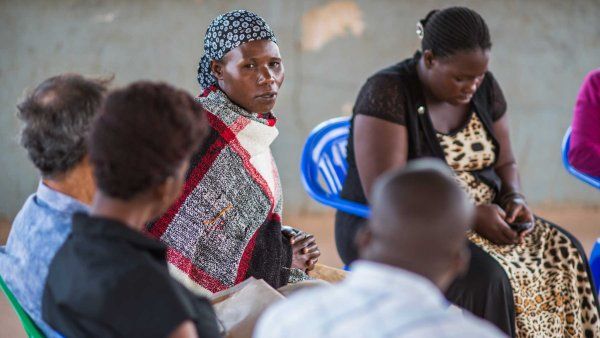
A new UCSF study looks at the real reasons women with HIV are dying earlier than people without HIV, and finds these leading causes are largely missing from official death records.
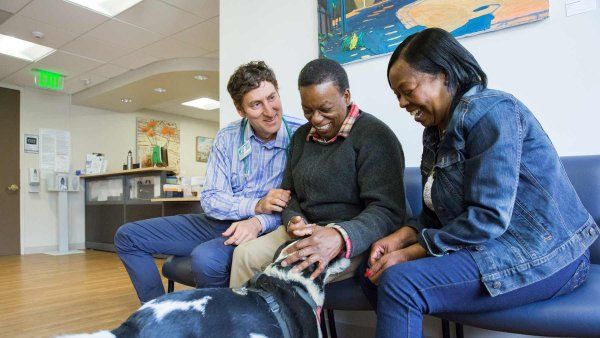
UCSF received $824 million from the National Institutes of Health (NIH) in 2025 to drive the discovery, translational, and clinical science that leads to new treatments for disease and advances U.S. leadership in health and science.
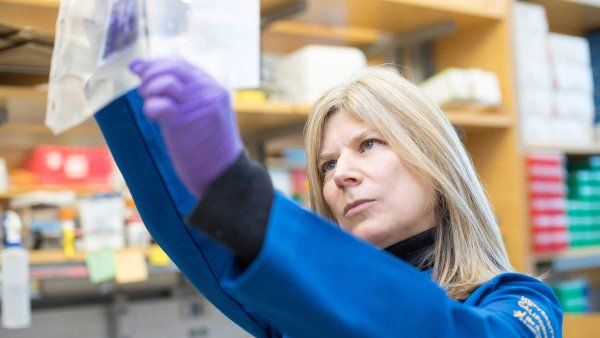
UCSF researchers have made strides toward an HIV cure, showing experimental immunotherapy can help control the virus without long-term antiretroviral therapy (ART). In a small study, 7 of 10 participants maintained low HIV levels after stopping medications, reprogramming their immune systems.
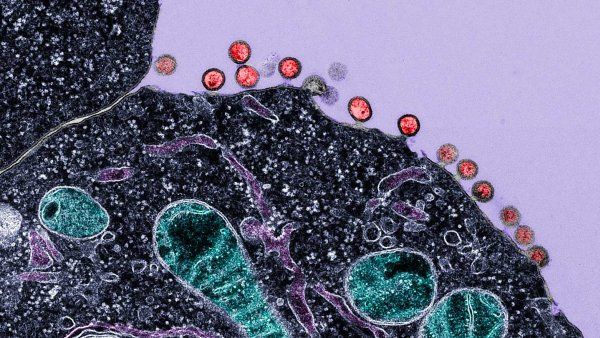
Endocrine disruption during pregnancy and genetic drivers of bone disease were among the topics experts from UC San Francisco presented at the annual meeting of the Endocrine Society — ENDO 2025 — in

Patients who struggle to take daily HIV pills can benefit from long-acting injectable treatments, a new study by researchers at UC San Francisco has found.
A new study on doxy-PEP sheds light on whether people who are regular users become resistance to this treatment, which often serves as a “morning after” pill to prevent sexually transmitted diseases.

Results from a national study led by UCSF informed the first guidelines at the federal level in the U.S. to detect and treat anal cancer precursor lesions in people with HIV to reduce the risk of developing anal cancer.

The COVID-19 pandemic slowed previous gains made in controlling HIV blood levels and worsened health disparities.
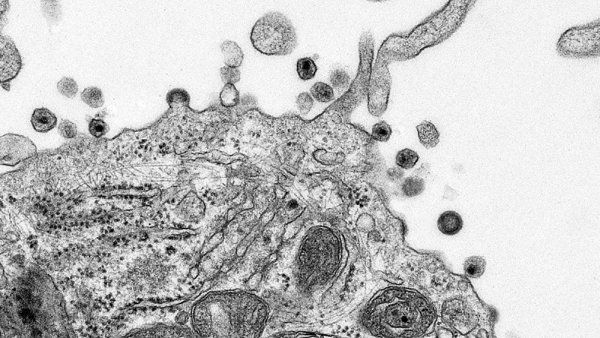
A new report from the Lancet Commission on tuberculosis releases recommendations, providing a path forward to turn the tide on this preventable, treatable and curable disease.
A short course of antibiotics, Doxy-PEP, can prevent some STIs after condomless sex.

A sexual health strategy called Doxy-PEP, which involves taking doxycycline after condomless sex, is highly effective in reducing bacterial STIs but is still associated with a limited rise in resistant strains of bacteria.
Three UCSF researchers were named 2022 fellows by the American Association for the Advancement of Science (AAAS), one of the highest honors in science.
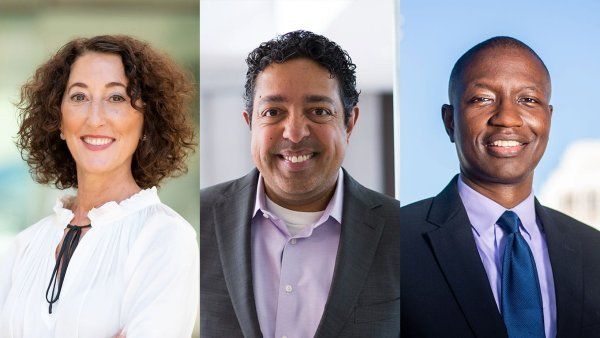
People who identify as lesbian, gay, bisexual, transgender or non-binary may have a higher risk for stroke at a younger age, and possibly a higher risk for recurrence than those who identify as straight and cisgender.

A significant proportion of bacterial sexually transmitted infections – gonorrhea, chlamydia, or syphilis – were prevented with a dose of doxycycline after unprotected sex, according to preliminary results of a clinical trial.
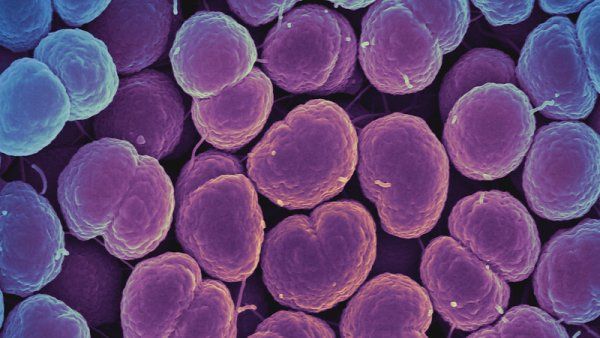
A groundbreaking national study led by UCSF finds that treating anal cancer precursor lesions reduces cancer risk for people with HIV.

Individuals with HIV are more than twice as likely to die from sudden cardiac death (SCD) compared to the general population, and more likely to have hearts compromised by fibrosis, a factor that may play a role in increasing their susceptibility to SCD, according to new findings from a UCSF study.

There is a big, global problem: viruses such as HIV and COVID-19 mutate, but treatments for them don’t.
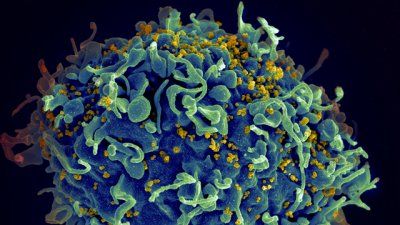
A look at past outbreaks offers guidance on bringing the current one to an end – and on thwarting the next one.

HIV infection significantly increases the risk of atrial fibrillation.
Chemtai Mungo, MD, MPH, is committed to tackling the public health effects of gender inequality and helping to improve cervical cancer screening in Kenya.
UCSF experts in gene editing and bioethics weigh in on the news of Chinese researcher He Jiankui’s announcement of the birth of the first babies who had their DNA edited as embryos.
The Quantitative Biosciences Institute attracts investigators on the basis of the tools and techniques they employ, rather than the diseases they study.