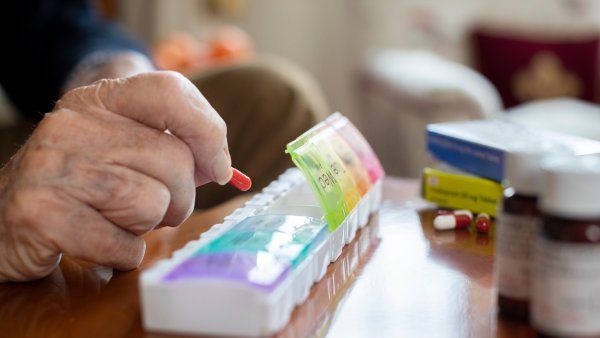
UCSF Research Crucial to Approval of Breakthrough Diabetes Therapy
Groundbreaking research by UCSF scientists has led to FDA approval of a new therapy that can delay the onset of type 1 diabetes by at least 2 years.
University of California San Francisco
Give to UCSF
Groundbreaking research by UCSF scientists has led to FDA approval of a new therapy that can delay the onset of type 1 diabetes by at least 2 years.
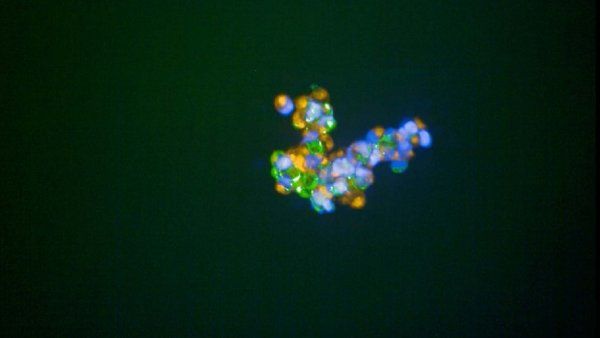
Researchers have engineered molecules that act like “cellular glue,” a major step toward building tissues and organs.
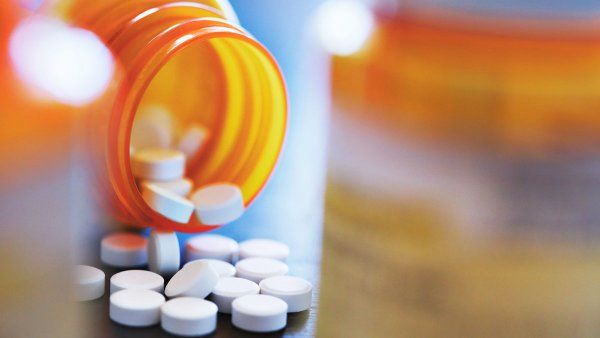
New records in the Opioid Industry Documents show that Insys Therapeutics improperly sold vast amounts of its addictive product for off-label uses.
Researchers have identified specific immune cells that drive deadly heart inflammation in a small fraction of patients treated with powerful cancer immunotherapy drugs.
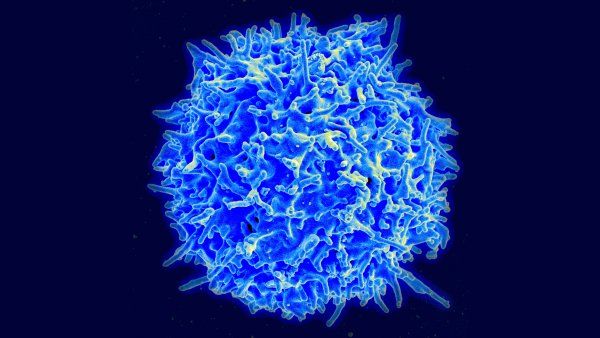
Scientists at UCSF have developed a new way of looking at sex-biased diseases that is rooted in evolutionary biology.
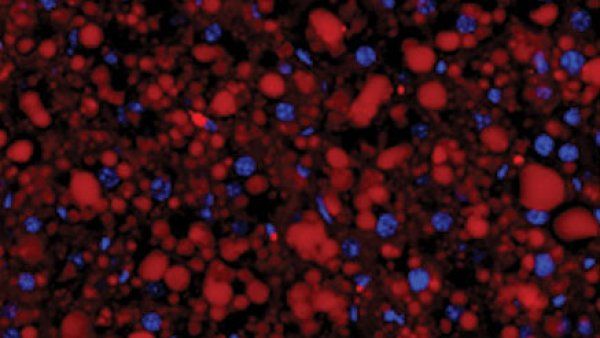
A new UCSF study researchers of more than 23 million people concludes that some commonly used and abused drugs pose previously unidentified risks for the development of atrial fibrillation (AF), a potentially deadly heart-rhythm disorder.

A small molecule called ISRIB that was identified at UCSF can reverse the neuronal and cognitive effects of concussion in mice weeks after an injury occurred, new research found.
Johns Hopkins University and UCSF, have added new documents to the Opioid Industry Documents Archive that detail the role of retail pharmacies in the opioid overdose epidemic.

The single-celled protozoan Euplotes eurystomus achieves a scurrying walk by coordinate its microscopic uses a simple, mechanical computer instead of a brain like most animals, UCSF researchers found.

A newly identified set of molecules alleviated pain in mice while avoiding the sedating affect that limits the use of opiates, according to a new study led by researchers at UC San Francisco.
UCSF has revealed how blood vessel cells develop in the prenatal human brain, paving the way to fully understand the role of these cells in healthy brain development and disease.

Scientists have designed compounds that hit the same key receptor that LSD activates without causing hallucinations. A single dose produced powerful antidepressant and antianxiety effects in mice that lasted up to two weeks.
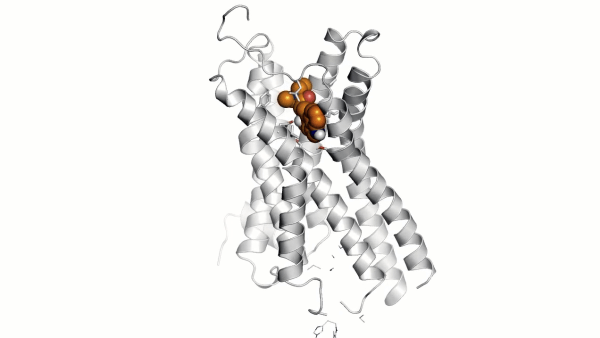
A new therapy pulls forward a mutated version of the KRAS protein to help the immune system recognize and destroy cancer cells.
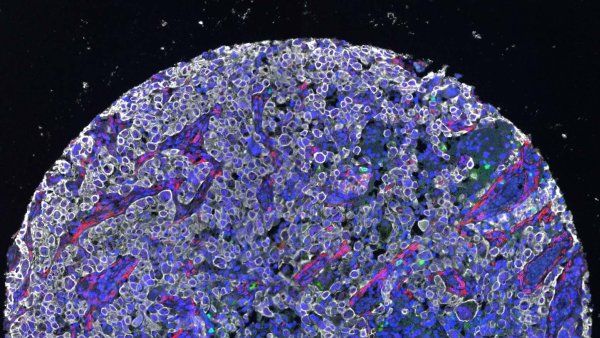
Pregnant women in the U.S. are being exposed to chemicals like melamine, cyanuric acid, and aromatic amines that can increase the risk of cancer and harm child development, according to a study from researchers at UCSF and Johns Hopkins Bloomberg School of Public Health.

The Opioid Industry Documents Archive (OIDA), a project of UCSF, and Johns Hopkins University, today released more than 114,000 documents related to McKinsey & Company's work as a management consulting firm for the opioid industry.
How David Julius and Ardem Patapoutian found the molecules in our bodies that sense heat, cold, touch, and pain – and transformed sensory neuroscience.

The latest advances in cancer care and research will be showcased at the annual American Society of Clinical Oncology (ASCO) Annual Meeting, the world’s largest clinical cancer meeting.
A significant proportion of bacterial sexually transmitted infections – gonorrhea, chlamydia, or syphilis – were prevented with a dose of doxycycline after unprotected sex, according to preliminary results of a clinical trial.
UCSF and Johns Hopkins University announced the addition of 1.4 million documents to their Opioid Industry Documents Archive from Mallinckrodt, a leading generic opioid manufacturer now in bankruptcy.
An antiviral drug approved for high-risk COVID patients may also benefit those with long COVID, according to the findings of a small case series that need to be confirmed with future rigorous studies.

In a study, UCSF neurologist William Seeley, MD, and colleagues identified two key moments in the natural history of Alzheimer’s, pointing to a window of opportunity for treatment with amyloid-lowering drugs.
55% of seniors with dementia take more than six medications even though most have good health. However, a UCSF study showed that 87% are willing to cut down if their doctors agree.