University of California San Francisco
Give to UCSF
Displaying 181 - 210 of 942
-
-
$147M Grant Will Address Imbalances in Alzheimer’s Study
A $147 million grant will expand diversity among Alzheimer’s disease research participants, and involve partners from UCSF, the San Francisco VA Medical Center, and the Northern California Institute for Research and Education.
-
Small-Molecule Drug Reverses Neural Effects of Concussion
A small molecule called ISRIB that was identified at UCSF can reverse the neuronal and cognitive effects of concussion in mice weeks after an injury occurred, new research found.
-
Minority Patients Less Likely to Get Newer Alzheimer’s Meds
-
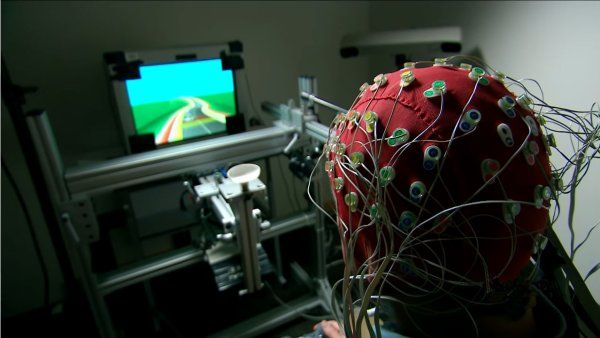
Video Games Offer the Potential of “Experiential Medicine”
After a decade of work, scientists at UCSF’s Neuroscape Center have developed a suite of video game interventions that improve key aspects of cognition in aging adults.
-
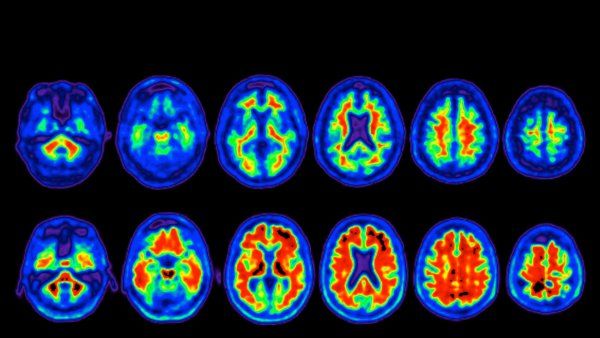
Fewer Asian, Black, Hispanic Patients Eligible for Drugs That May Delay Alzheimer’s Progression
A new study shows that fewer Black, Hispanic and Asian patients would qualify for these treatments that may slow Alzheimer’s progression, since cognitive impairment in these groups is more likely to be caused by other forms of dementia that may be unrelated to amyloid plaques.
-
Non-Opioid Compounds Squelch Pain Without Sedation
A newly identified set of molecules alleviated pain in mice while avoiding the sedating affect that limits the use of opiates, according to a new study led by researchers at UC San Francisco.
-
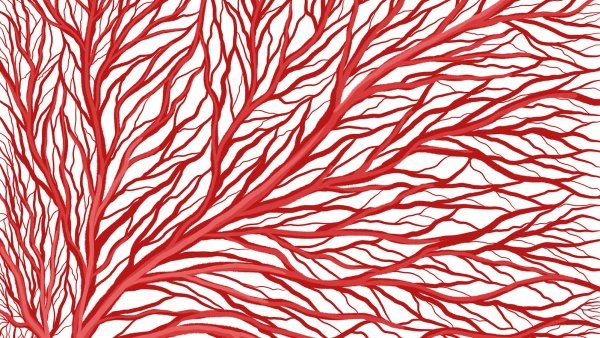
UCSF Researchers Discover How Vascular Cells Develop in Prenatal Brain
UCSF has revealed how blood vessel cells develop in the prenatal human brain, paving the way to fully understand the role of these cells in healthy brain development and disease.
-
A Drug Based on LSD Appears to Treat Depression in Mice Without the Psychedelic Trip
-
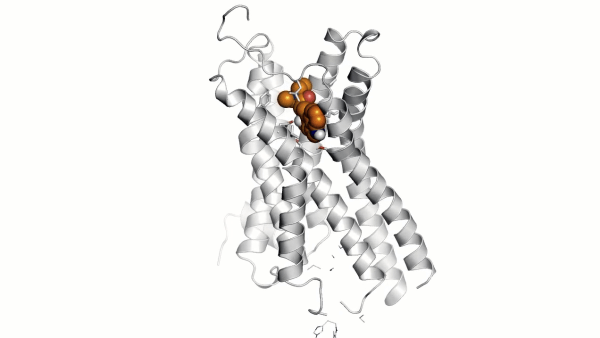
LSD-Like Molecules Counter Depression Without the Trip
Scientists have designed compounds that hit the same key receptor that LSD activates without causing hallucinations. A single dose produced powerful antidepressant and antianxiety effects in mice that lasted up to two weeks.
-
Longevity Calculator Could Aid Planning After Dementia Diagnosis
-
Life Expectancy Tool May Improve Quality of Life for Patients With Dementia
A mortality prediction model for older adults with dementia may help physicians determine which treatments to provide while facilitating decision-making for patients and their families.
-
Eye Movements in REM Sleep Mimic Gazes in the Dream World
When our eyes move during REM sleep, we’re gazing at things in the dream world our brains have created, according to a new study by UCSF researchers. The findings shed light not only into how we dream, but also into how our imaginations work.
-
Are You Just Distracted or Is It Adult ADHD?
-
Reprogramming the Brain’s Cleaning Crew to Mop Up Alzheimer’s Disease
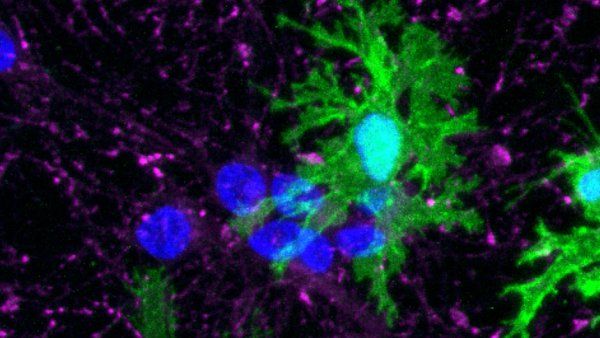
The discovery of how to shift damaged brain cells from a diseased state into a healthy one poses a potential new path to treating Alzheimer’s and other forms of dementia, according to a new study from UCSF researchers.
-
New Research Finds Blood Tests Can Predict Severe Outcomes of Brain Injury
-
Blood Tests in Newly Brain-Injured Patients Predict Death, Severe Disability
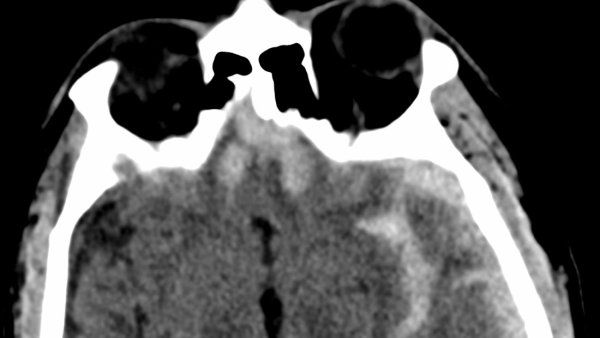
Blood tests taken within 24 hours of a traumatic brain injury (TBI) flag which patients are likely to die and which patients are likely to survive with severe disability, according to a study headed by UCSF, the University of Pennsylvania and the University of Michigan.
-
Abortion Ban May Mean Denial of Effective Drugs for Women with MS, Migraine, Epilepsy
Severe restrictions and bans on abortion access may have life-changing and even life-threatening consequences in as many as 28 states for women of childbearing age with conditions like migraine, multiple sclerosis (MS) and epilepsy.
-
A Soaring, Light-Filled Atrium Is at the Heart of this San Francisco Facility Serving Mental Health Needs
-
Even When Stroke Centers Are Near, Black Americans Often Lack Access
-
UC San Francisco Opens Psychiatric Center, Without the Stigma
-
UCSF Nancy Friend Pritzker Psychiatry Building Opens to Patients
UCSF is welcoming its first patients to the Nancy Friend Pritzker Psychiatry Building, a one-of-a-kind treatment center that aims to redefine mental health services and make a bold statement against stigma.

-
Local Stroke Center May Be Off Limits to Patients in Black Neighborhoods
A new study shows that when residents in Black communities have a stroke, they are at greater risk of receiving care at a less-resourced hospital, where their chances of recovery are slimmer.
-
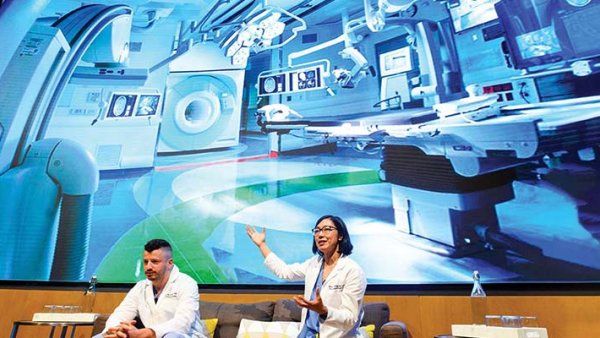
Envisioning the Operating Room of the Future
Glimpse the technologies that will catapult neurosurgery to the next level of precision.
-
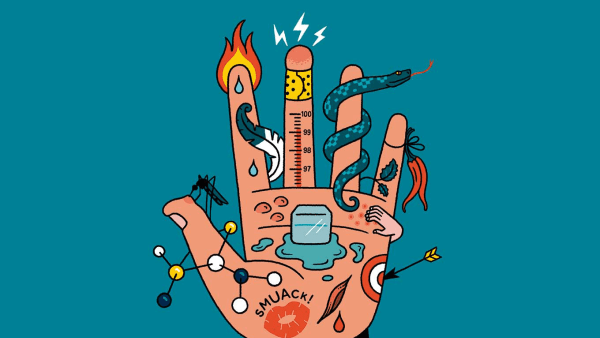
The Nobel-Winning Discoveries Illuminating How We Sense the World
How David Julius and Ardem Patapoutian found the molecules in our bodies that sense heat, cold, touch, and pain – and transformed sensory neuroscience.
-
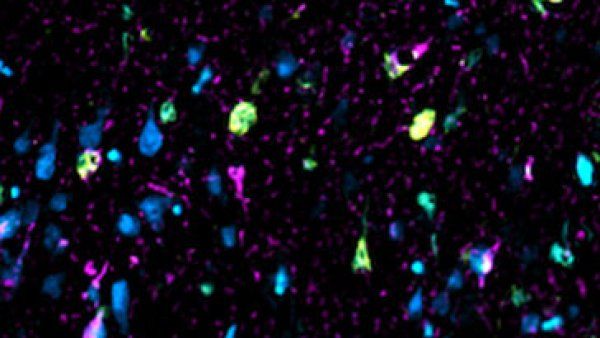
Overlooked Proteins May Be Key to Better Diagnosis of Alzheimer’s
In a new study of Alzheimer’s disease, UCSF reserachers have discovered that a relatively unstudied form of the tau protein associated with neurodegeneration may be a means for better diagnosis and treatment of the disease.
-
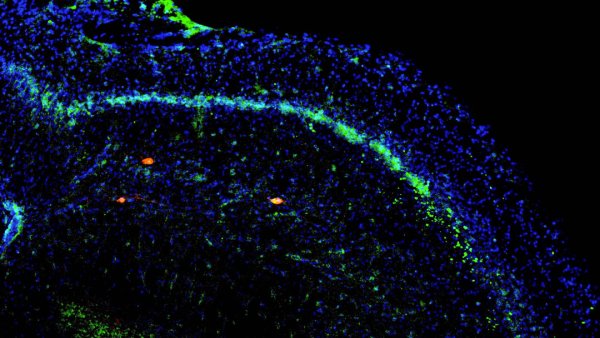
Finding Your Car in a Parking Lot Relies on this Newly Discovered Brain Circuit
When exploring a new environment, mice make use of a unique long-distance connection in the brain that prompts them to pay attention to the most salient features of the environment, according to new UCSF research.
-
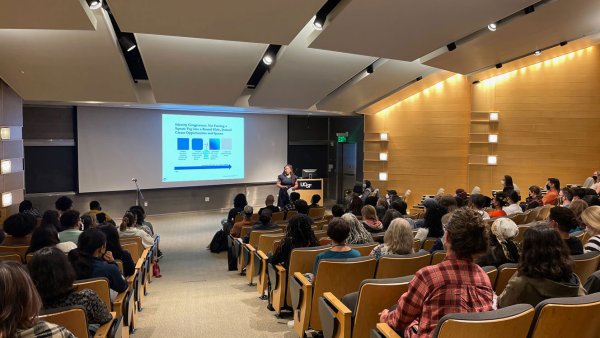
Trailblazing UCSF Professor D’Anne Duncan Delivers 2022 Last Lecture
D’Anne Duncan is the first black woman to deliver the UCSF Last Lecture, which she gave during a live event on April 6, answering the question “If you have but one lecture to give, what would you say?”
-
Discovering a Seizure-Free Life with Help from 3-D ‘Heat Map’ Technology
For 29 years, Rashetta Higgins was wracked by epileptic seizures. UCSF neurologists used a pioneering imaging technique to spot what was triggering them and then removed that region from her brain. Now Rashetta is living a seizure-free life.

-
How the Discovery of an Alzheimer’s Tipping Point Could Improve Drug Trials
In a study, UCSF neurologist William Seeley, MD, and colleagues identified two key moments in the natural history of Alzheimer’s, pointing to a window of opportunity for treatment with amyloid-lowering drugs.