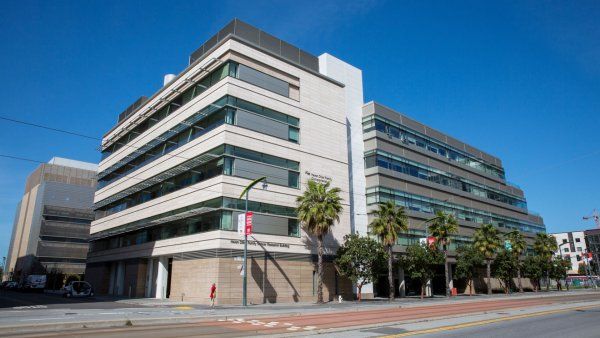
UCSF Gene Therapy for Deadly Mutation Fast-Tracked for FDA Review
A new fast-track review for UCSF gene therapy could help more kids with deadly Artemis-SCID disease get life-saving treatment sooner.
University of California San Francisco
Give to UCSF
A new fast-track review for UCSF gene therapy could help more kids with deadly Artemis-SCID disease get life-saving treatment sooner.
Using data from over 100,000 malignant and non-malignant cells from 15 human brain metastases, UCSF researchers have revealed two functional archetypes of metastatic cells across 7 different types of brain tumors, each containing both immune and non-immune cell types.
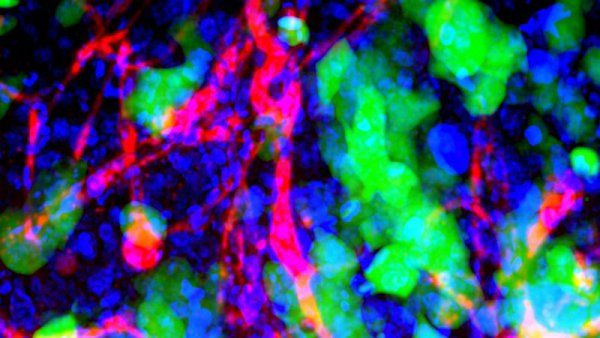
UCSF researchers have developed a digital tool to flag early reading challenges that may lead to dyslexia, and it could be in widespread use in California public schools by 2023. Governor Gavin Newsom is proposing $10 million in the state budget for the project.
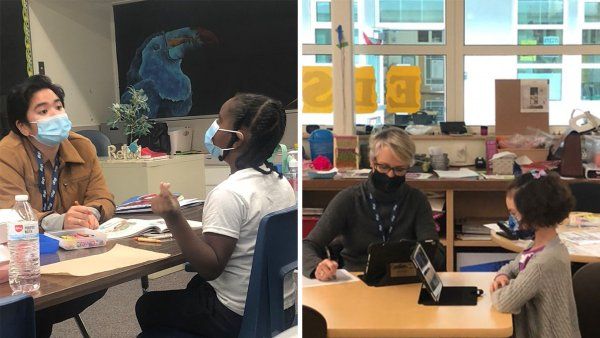
A UCSF-led study found a new drug for ALS that shows to slow or temporarily stall the progression of ALS in a select group of patients, with three times as many patients' disease slowing compared to those who received a placebo.
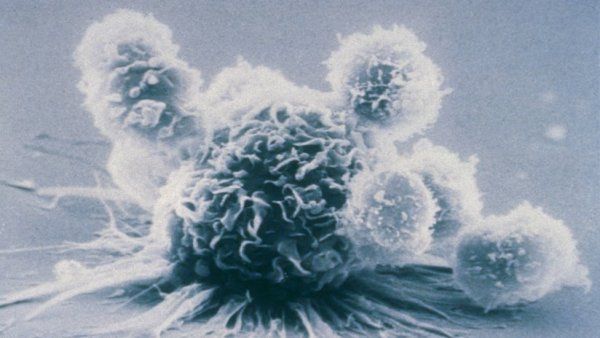
A new “atlas” of every cell in the brain’s blood vessels reveals that some strokes are caused by immune cells interacting with arteries, in a new study by UCSF researchers.
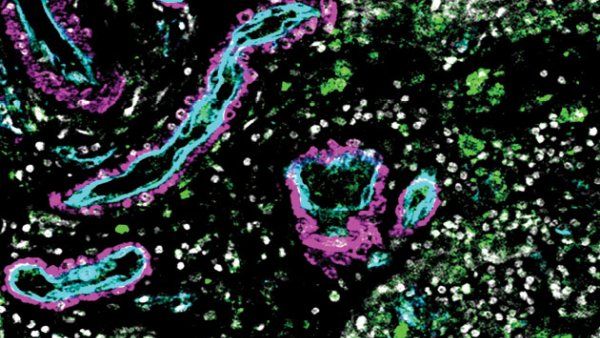
A collaborative study between UCSF researchers discovered that severe lung injuries can trigger lung stem cells to undergo abnormal differentiation.
UCSF researchers used multiple drug analogs to test CSF1R inhibition in transgenic mice with tauopathy, and observed suppressed biomarkers of neurodegeneration, rescued aberrant behavior, and extended survival in female mice.

Many patients with COVID-19 develop brain fog and other cognitive symptoms months later. Their cerebrospinal fluid may hold clues to why this is happening.
In the quest for new treatments for COVID-19, a team led by UCSF researchers identified a new potential drug target that may prevent infection of human cells by SARS-CoV-2.
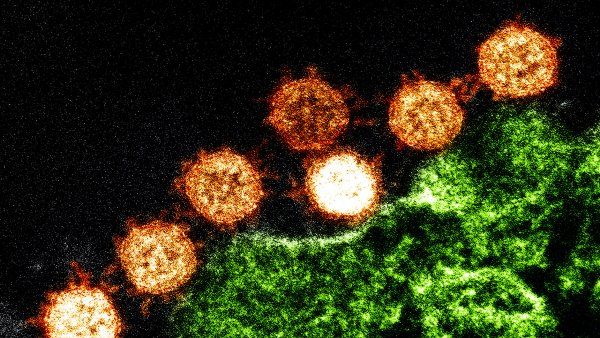
Binge drinking can lead to more ER visits and first episodes of a serious heart condition, new UCSF study reports.

Human vocal sounds have the same rhythmic quality as the sounds made by many mammals, songbirds, and even some species of fish. UCSF researchers have found the brainstem circuit responsible, and it's connected breath control.
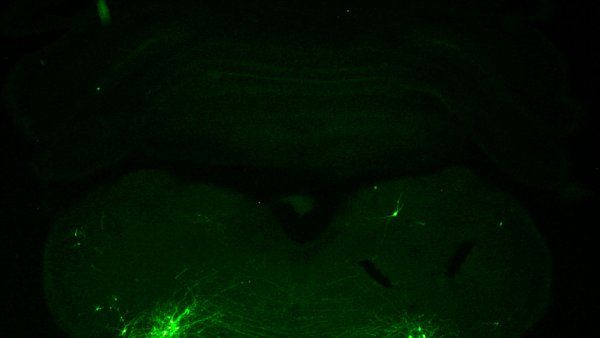
UCSF researchers show how physical activity protects cognition by altering brain chemistry that maintains synapses, especially for the elderly.

UCSF researchers found that cancers from different parts of the body are immunologically similar to one another. They described 12 classes of "immune archetypes" to classify cancer tumors, which can provide unique strategies for enhancing patients’ choice of cancer immunotherapies.
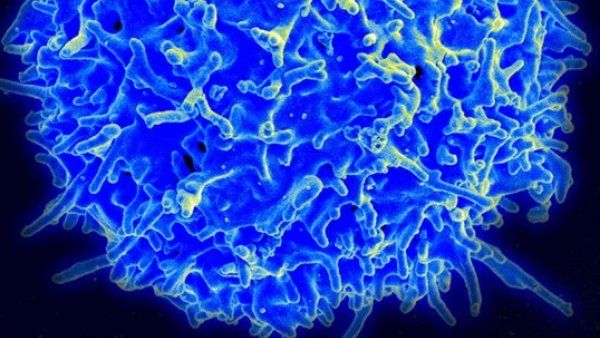
Brain maps and developmental outcomes differ greatly in newborns with two of the most common brain injury types, which may have implications for early intervention.
A new study led by scientists at UCSF's Quantitative Biosciences Institute and University College London found that the Alpha variant of SARS-CoV-2 ramped up production of a protein that it uses to stifle infected cells’ immune-stimulating signals, helping it evade immune detection and accelerate its transmission.
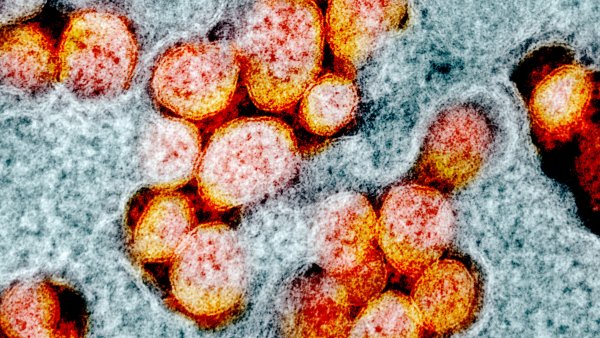
There is some information that is known about the variant and other information that sti
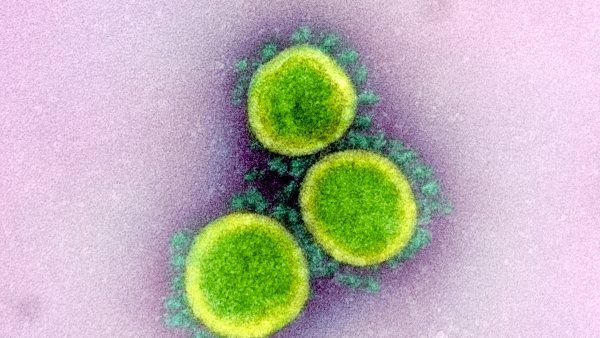
A natural language processing study parses doctor-patient communication at an unprecedented scale and offers new ways to help doctors communicate with their patients.

A UCSF study finds that race-based equations may mean Black patients' lung disease can be underdiagnosed and classified as moderate disease in more severe cases.

A UCSF study finds that a digital version of cognitive behavioral therapy (dCBT) for prenatal insomnia may prevent postpartum depression

Does your rambunctious teen seem like an animal? You may be on to something. Harvard evolutionary biologist Barbara Natterson-Horowitz, MD ’87, and science writer Kathryn Bowers reveal startling similarities between humans and animals in young adulthood.
Explore the power of psychedelic therapy to treat the ailing human mind with international expert Carhart-Harris, who joined UCSF in 2021 as the Metzner Distinguished Professor and director of the new Neuroscape Psychedelics Division. Discover what his comparison of psilocybin with an antidepressant revealed on the Aug. 19 episode.
How neuroscientists harnessed the power of artificial intelligence to give a paralyzed man back his voice.
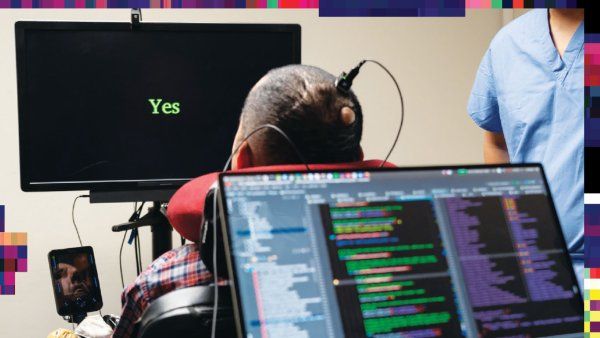
A concerted research effort gave UCSF scientists early insight into long COVID. It also showed patients that they weren’t in the fight alone.
Monica Gandhi, MD, MPH, an infectious disease expert and professor of medicine, has been an ardent voice for science during the coronavirus pandemic.
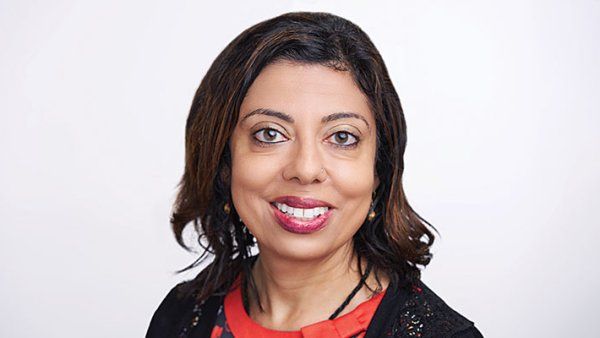
UCSF’s David Julius won the 2021 Nobel Prize in Physiology or Medicine for his work on pain sensation. “It was really a shock,” he says.

UCSF neurologist Gil Rabinovici, MD, explains the controversy and shares why he thinks Alzheimer’s care is entering a new era “regardless of whether aducanumab proves to be a blockbuster or a bust.”
For patients with skin cancer & facial sarcoma, reconstructing the face with skin grafted from the leg may result in poor color match. A new technique pioneered by UCSF surgeons uses pigmented tissue to achieve a better match.
Image Helen Diller Family Cancer Research Building Experts from UCSF Health will present new research and clinical findings at the annual San