Displaying 91 - 120 of 577
-
-
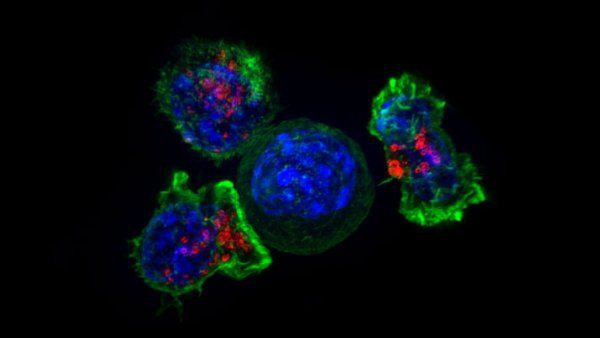
How this ‘Switchable’ CAR-T Therapy Sets its Sights on Deadly Brain Cancer
In June, UCSF treated its first patient with E-SYNC, its first homegrown CAR-T therapy, one of the first to show promise in treating certain types of brain cancers. This story builds on previous coverage to provide an overview of CAR-T therapy, accessibility and future horizons of applications in cancer and other illnesses like HIV.
-
Poor Sleep in Middle Age Could Affect the Brain in a Surprising Way, Study Finds
-
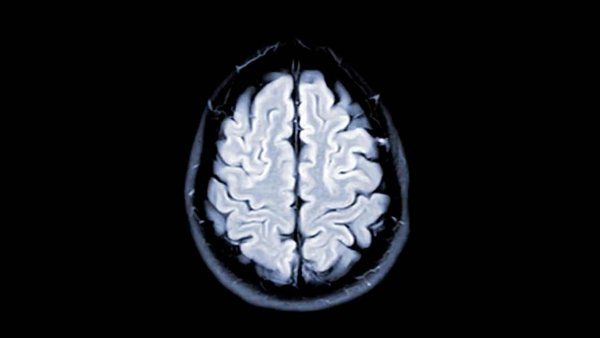
Poor Sleep in Midlife Is Linked to Faster Brain Atrophy
Poor sleep in midlife, like difficulty falling asleep or waking early, may accelerate brain atrophy linked to dementia, a UCSF study finds.
-
Yes, Dyslexia Can Be Genetic. But Genes Aren’t the Only Factor to Consider.
-
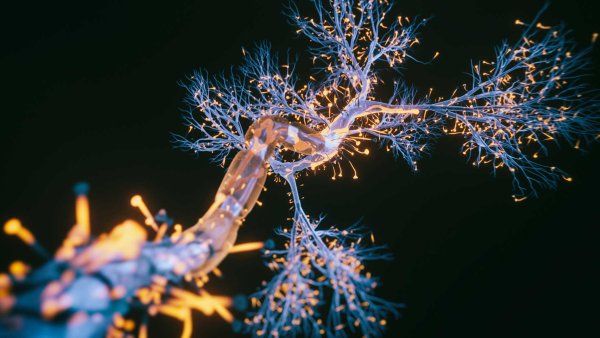
New Hope for Progressive Supranuclear Palsy with Innovative Trial
A clinical trial that will test three drugs concurrently, and could include more, represents new hope for patients with progressive supranuclear palsy (PSP), an incurable neurodegenerative disorder that usually kills within seven years after symptoms start.
-
New Study: Can Your Phone and AI Track Parkinson’s Progression?
A new video-based symptom assessment system for Parkinson’s Disease that is enabled by machine learning represents a potential solution to the challenge of assessing Parkinson’s Disease progression in a quantifiable way.
-
Mushroom Edibles Are Making People Sick. Scientists Still Don’t Know Why
-
Could This New Drug Turn Back the Clock on Multiple Sclerosis?
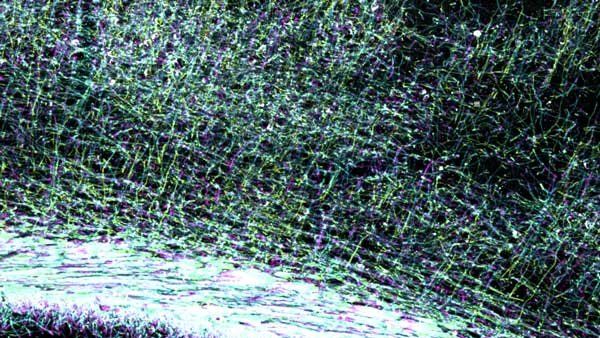
Scientists at UCSF and Contineum Therapeutics have developed a drug that spurs the body to replace the protective insulation around nerve cells, myelin, that is lost in multiple sclerosis. If it works in people, it could be a way to reverse the damage caused by the disease.
-
Forecasting May Help People with Epilepsy Predict Their Seizures
A team of epilepsy specialists at UC San Francisco has developed a method to predict 24-hour seizure risk. The discovery, which may be scalable to large numbers of patients, could help to improve the

-
Scientists Discover a New Hormone that Can Build Strong Bones
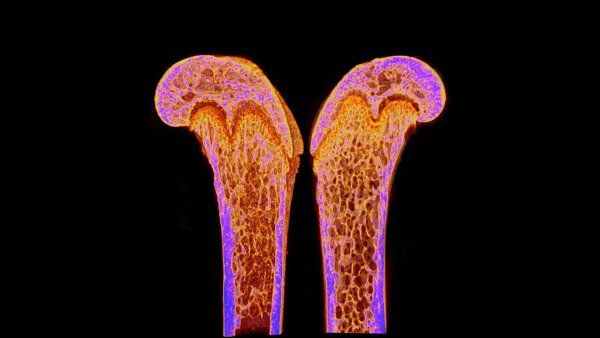
A newly discovered hormone explains why females can maintain bone density during lactation, when calcium is stripped away to make milk. This discovery could one day have applications to treating fractures, osteoporosis, and other bone diseases.
-
Breakthrough: How AI Uses Videos to Gauge Parkinson's Severity
Despite recent advancements in the treatment of Parkinson’s Disease, it remains a challenge to accurately measure the progression of symptoms like tremors, stiffness and slowing of movement for this
-
Scientists May Have Found How to Diagnose Elusive Neuro Disorder
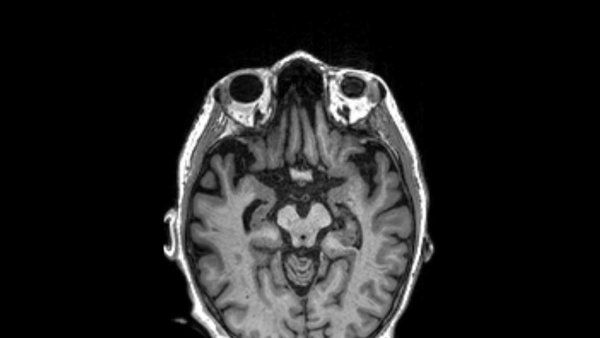
Scientists have identified the biomarkers in progressive supranuclear palsy, a type of frontotemporal dementia, the most common dementia affecting people under 60.
-
Poor Health, Stress in 20s Takes Toll in 40s With Lower Cognition
A study linked chronic inflammation in early adulthood to loss of cognitive skills in midlife. Chronic inflammation is caused by obesity, smoking, and poor health. Those with higher levels of inflammation were twice as likely to have poor cognitive performance than those with low inflammation.

-
A Drug to Slow Alzheimer’s Is Finally Available. How Are Patients Faring?
-
Traumatic Brain Injury Strikes 1 in 8 Older Americans
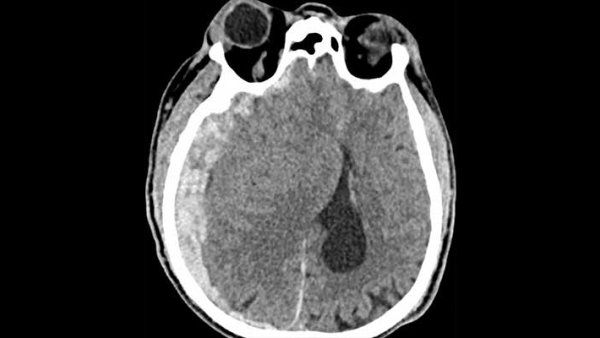
Traumatic brain injuries for people over age 65 can raise their risk for dementia, Parkinson's, cardiovascular and psych disease. Contrary to earlier research, the study found that healthy, wealthy white women are at higher risk.
-
Degraded Synapses in the Retina Can Predict the Severity of MS
The disabling effects of multiple sclerosis may be caused in part by damaged connections between neurons, and this can be seen in the eye, UC San Francisco researchers have found. They showed that
-
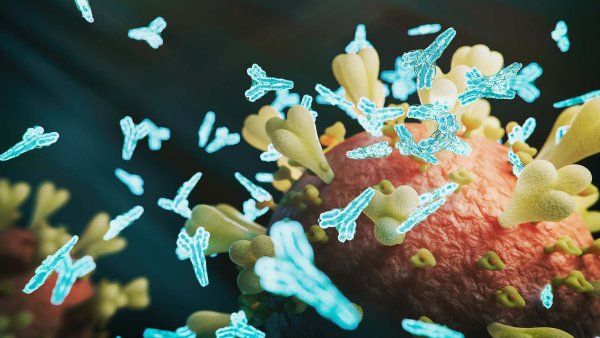
Signs of Multiple Sclerosis Show Up in Blood Years Before Symptoms Appear
UCSF scientists have found a set of autoantibodies that emerge in some MS patients years before symptoms.
-
New Pediatric Cancer Marker, New Hope for a Treatment Target
Researchers recently identified a universal, essential biomarker for the childhood cancer neuroblastoma – and the biomarker could be a potential new target for treatment. Neuroblastoma accounts for
-
Apparently Healthy, but Diagnosed With Alzheimer’s?
-
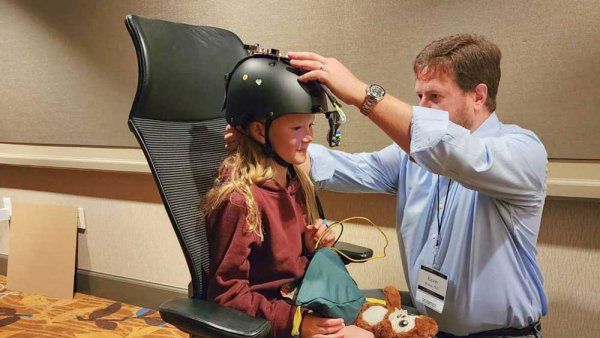
Could We Assess Autism in Children With a Simple Eye Reflex Test?
UCSF scientists may have discovered a new way to test for autism by measuring how children’s eyes move when they turn their heads.
-
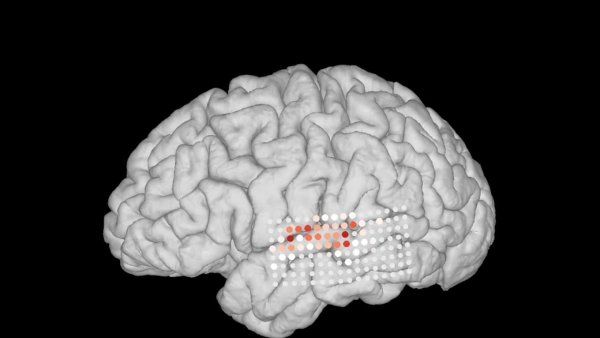
To Appreciate Music, the Human Brain Listens and Learns to Predict
Rather than simply hearing a string of notes, the brain is assessing them for patterns and predicting which notes will be next.
-
Are Body Temperature and Depression Linked? Science Says, Yes.
People with depression have higher body temperatures, suggesting there could be a mental health benefit to lowering the temperatures of those with depression.
-
Is It True That Red Wine Causes Headaches?
-
Why Do Young Women with Multiple Sclerosis Face Health Disparities?
Young Black and Hispanic women with multiple sclerosis fare worse than young white women with the disease. Minority women were more likely to have more advanced disease and faced greater challenges in pregnancy.

-
For Some Alzheimer’s Patients, Vision Problems May Be an Early Warning
-
Could Bizarre Visual Symptoms Be a Telltale Sign of Alzheimer’s?
Early identification of posterior cortical atrophy (PCA) may have important implications for Alzheimer’s treatment. PCA patients struggle with visual impairments like judging distances, distinguishing between moving and stationary objects and completing tasks like writing and retrieving a dropped item.

-
UCSF Researchers Dive Into the Biology of Autism
-
Sleep Disruptions in 30s and 40s Linked to Cognitive Decline a Decade Later, Study Finds
-
The Road to Rejuvenation
Fortified stem cells. Enhanced memory. A longevity hormone. UCSF researchers are finding out whether we can cancel – or at least delay – old age.