Displaying 61 - 90 of 334
-
-
COVID-19 Virus Can Stay in the Body More Than a Year after Infection
The COVID-19 virus can persist in the blood and tissue of patients for more than a year after the acute phase of the illness has ended.
-
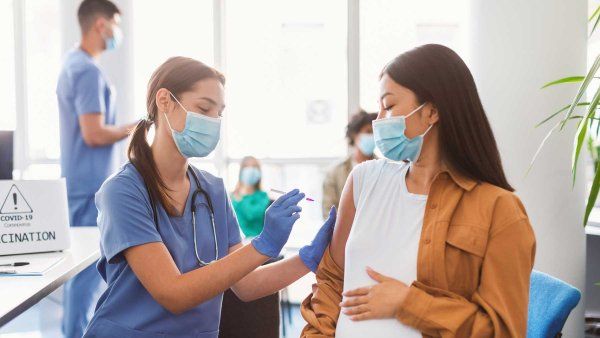
COVID Vaccines Are Safe for Pregnant Women and Babies
A first of its kind study finds that the COVID vaccine is safe to administer during pregnancy, causing no abnormal delays when the infants were tested at 12 months and again at 18 months.
-
First Tissue Bank May Help Solve Mystery of Long COVID Misery
UCSF will launch the world’s first tissue bank with samples donated by patients with long COVID.
-
Allergists Reveal the Best Time to Start Taking Your Seasonal Allergy Medications
-
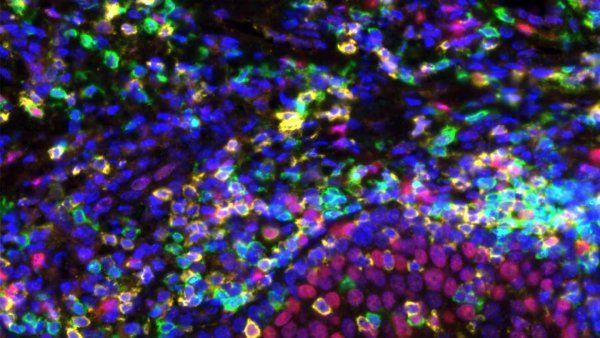
In Judo Move, Scientists Use Cancer’s Strength to Fight Against It
Cancer immunotherapy is hindered by the fact that engineered immune cells often get worn out and depleted before they've killed a tumor. A UCSF team has identified mutations that give cancerous lymphoma T-cells their superpower and transfer those genes into engineered, therapeutic immune cells.
-
Cancer Researcher Thomas Martin Receives $4.6 million CIRM Grant
UC San Francisco’s Thomas G. Martin, MD, a leading expert in blood cancers, has received a grant of nearly $4.6 million from the California Institute of Regenerative Medicine (CIRM) to produce a CAR T

-
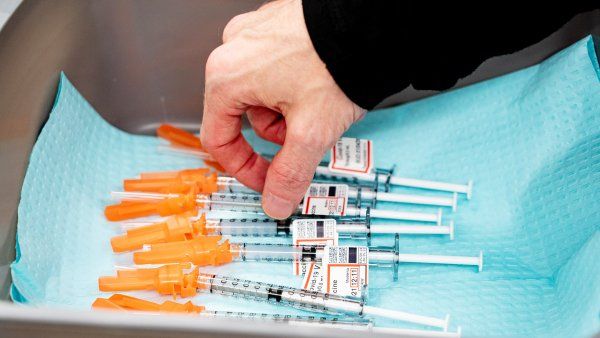
COVID-19 Variant JN.1 is on the Rise. Here’s What to Know.
The new JN.1 COVID-19 variant is now estimated to make up about 20% of cases in the United States. Three UCSF experts offer advice on vaccines, masking, and other ways to protect yourself.
-
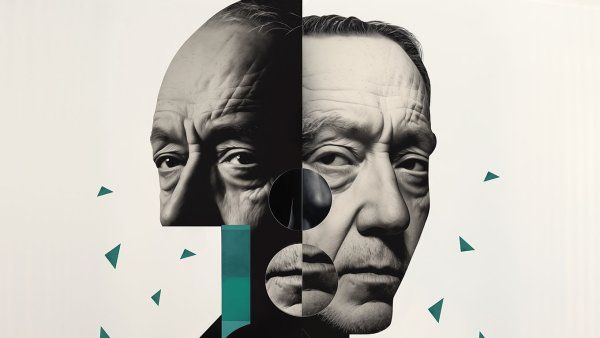
The Road to Rejuvenation
Fortified stem cells. Enhanced memory. A longevity hormone. UCSF researchers are finding out whether we can cancel – or at least delay – old age.
-
New Gene Therapies Confront Many Sickle Cell Patients With an Impossible Choice: A Cure or Fertility
-
Over 30 UCSF Scientists Honored for Highest Impact in Their Fields
Thirty-two UCSF scientists are among the most influential individuals in their respective fields, according to the most recent analysis of research citations by the science and intellectual property company, Clarivate.
-
UCSF and UCLA Host First Annual PSMA PET Conference in January
University of California prostate cancer experts will share clinical insights at the first annual PSMA Conference, “PSMA PET and RLT: Present and Future.” The conference will take place online and in
-
I Was a NOVID – Until I Wasn’t
-
Eczema and Asthma Share a Link. Can it Lead to New Treatments?
A collaboration is between two biomedical researchers bridges the laboratory and clinic to advance the science of itch, allergy and asthma.
-
Do Combination Therapies Hold Hope for Prostate Cancer Patients?
A phase 1 trial shows promise in treating metastatic prostate cancer with a single priming dose of radioligand therapy and immunotherapy.
-
Why Progress in Alzheimer’s Disease Treatment Has Taken 30 Years
UCSF's Adam Boxer, MD, PhD, and Harvard neurologist Reisa Sperling, MD, review the history of clinical trials over the past 30 years in Alzheimer’s research with what was learned and how new biomarkers and clinical trial approaches are being used to find more effective treatments in a more efficient way than in the past.
-
Breakthrough Drug Helps Children with New-Onset Type 1 Diabetes
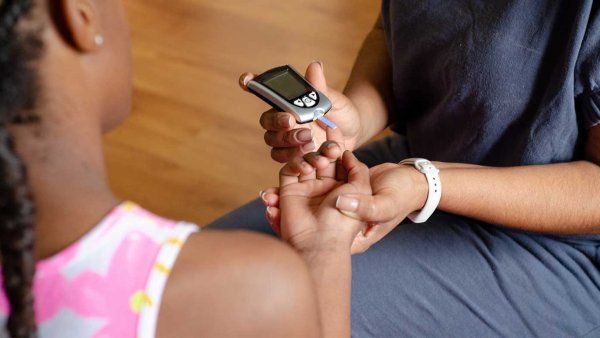
A study found that children who were recently diagnosed with type 1 diabetes need less supplemental insulin to keep their blood sugar in a healthy range if they use the immunotherapy drug teplizumab.
-
COVID Cases Drop in California, but Experts Warn of a Winter Surge
-
Could the Neurons That Make You Scratch Be the Solution for Itch?
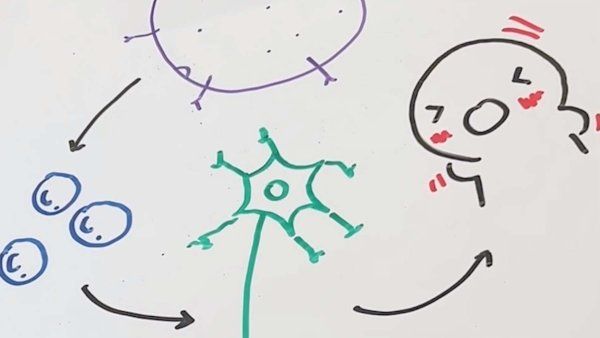
Scientists found that the nervous system tamps down allergic response, which could change how asthma, Crohn’s and other inflammatory diseases are treated.
-
Feeling Terrible After Your Covid Shot? Then It’s Probably Working.
-
Shared Mechanisms Allow SARS-CoV-2 Variants to Thrive Post-Vaccination
Convergent evolutionary mechanisms shared by COVID-19 variants allow them to overcome both adaptive and innate immune system barriers.
-
Protect Yourself and Loved Ones with the New RSV Vaccines
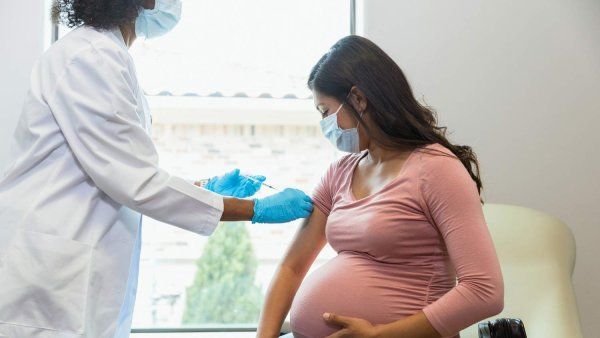
The FDA recently approved the world’s first vaccines to prevent RSV for infants and elderly adults.
-
Lancet Commission Calls for Renewed Global Response on TB
A new report from the Lancet Commission on tuberculosis releases recommendations, providing a path forward to turn the tide on this preventable, treatable and curable disease.
-
Can What Works to Treat Cancer Work for Diabetes?
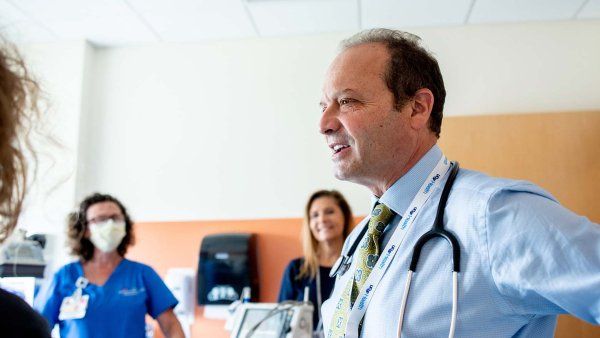
UCSF researchers are working across disease specialties. Diabetes researchers are looking at how oncologists use CAR T-cell therapy to reprogram a person’s immune system to attack cancer cells, for example. They hope to similarly reprogram the immune system to fight diabetes.
-
Not all COVID ‘Misinformation’ Is Equal – or Even Misinformation
-
Long COVID Symptoms Can Emerge Months After Infection
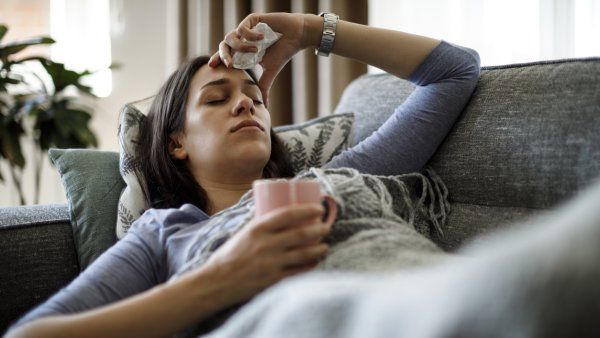
Long COVID symptoms can persist for a year after initial infection, or re-emerge months later after disappearing.
-
Blood Test May Reduce Risk of Disability in Kids
An experimental blood test that reflects injury to nerve cells from multiple sclerosis (MS) was found to work for children with MS and other neurological conditions, even when they are symptom-free.
-
If You Never Got Sick From COVID, Thank Your Genes
-
Gene Mutation May Explain Why Some Don’t Get Sick from COVID-19
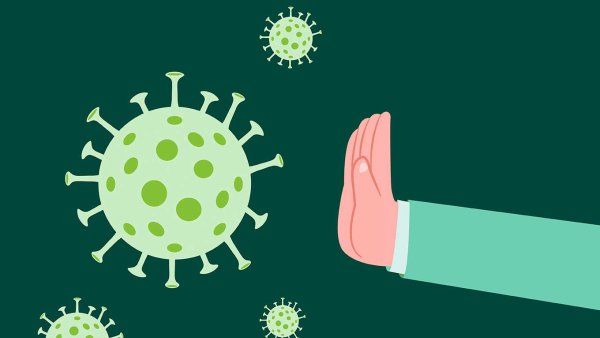
A common mutation can help people infected with the COVID-19 virus avoid developing any symptoms.
-
COVID-19 Vaccines Saved Dementia Patients’ Lives in Nursing Homes
Deaths among older adults with dementia fell starkly in nursing homes and long-term care centers after COVID-19 vaccinations became available, but remained high for those living at home.