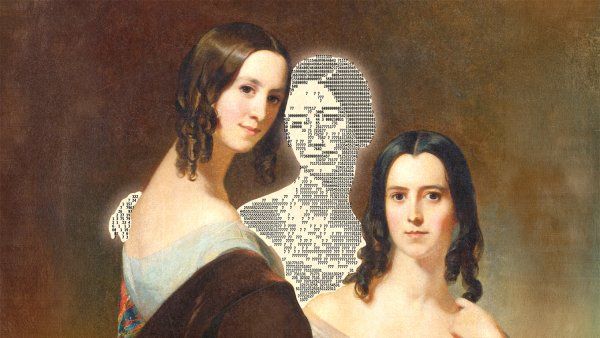
UCSF Health Reaches 25,000 Robotic Surgeries
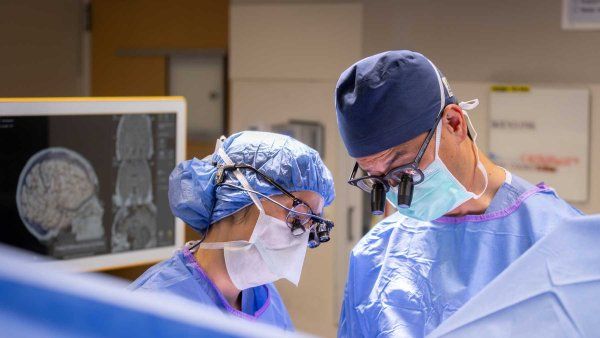
Surgeons at the UC San Francisco have performed over 25,000 robotically assisted minimally invasive surgeries, making it the first University of California health center to reach this milestone. UCSF

University of California San Francisco
Give to UCSF
Surgeons at the UC San Francisco have performed over 25,000 robotically assisted minimally invasive surgeries, making it the first University of California health center to reach this milestone. UCSF
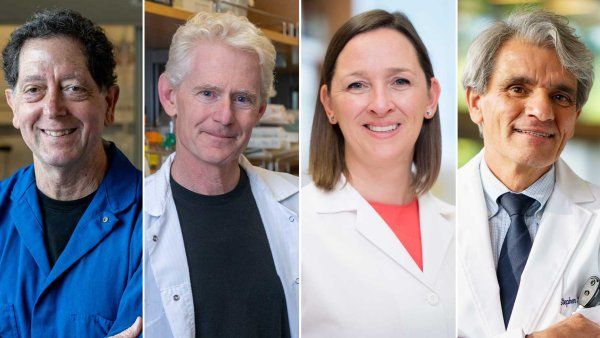
Four UCSF faculty members will each receive over $2 million in total over the next five years as members of the 2026 class of New Innovators in the Common Fund’s High-Risk, High-Reward Research (HRHRR) program.
A new study looks at how blood signatures in menopausal women predict their dementia risk.
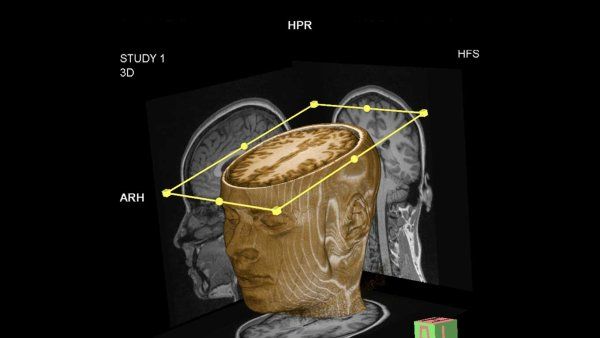
UCSF scientists helped transform KRAS, once considered an “undruggable” cancer target, into a pathway for life-saving treatments. Discover how Kevan Shokat, PhD, and colleagues found a hidden pocket in the cancer-driving protein, paving the way for a new generation of targeted cancer therapies.
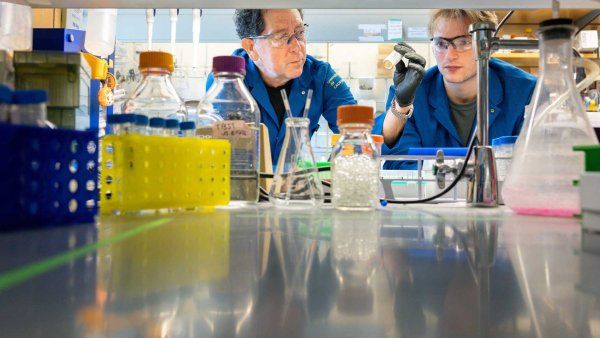
Former UCSF Chancellor and Nobel laureate J. Michael Bishop, MD, who passed away this year, helped transform modern cancer research and established UCSF as a global leader in scientific discovery. We reflect on his legacy through memorable pieces of advice on science, creativity, discovery, the Nobel Prize, and the vital role of federal research funding — highlighting the enduring impact of his ideas and UCSF's remarkable Nobel legacy.
A new clinical trial will screen for atrial fibrillation (AFib) using a blood pressure monitor with AFib detection technology with the goal to decrease time to AFib diagnosis in patients with high blood pressure. The randomized trial will compare this monitor to usual care using a conventional home blood pressure monitor with no AFib detection.
Kevan Shokat, PhD, a professor of Cellular and Molecular Pharmacology at UC San Francisco who discovered how to disable KRAS, a seemingly unstoppable cancer-driving protein, has won the Stephenson Global Prize for research in pancreatic cancer.
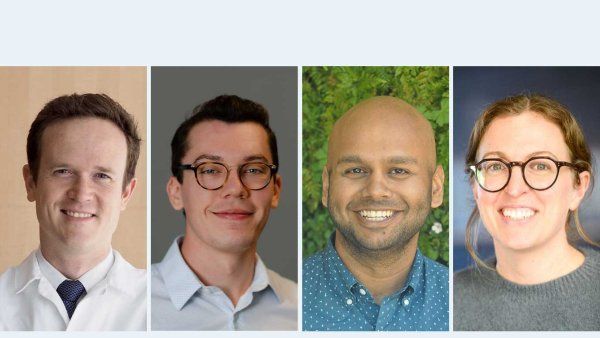
Image Winners of the 9th annual Postdoc Slam Competition. From left to right are second place winner Chaitali Anand, PhD; People’s Choice Award
A UCSF study that found people with serious depression had significantly improved symptoms when they switched to a diet consisting of less utlra-processed food.

Clinicians and researchers set to gather for the UCSF-cosponsored international invasive lobular carcinoma symposium in San Francisco, Sept. 23 to 25.
UCSF researchers are weighing in on one of the biggest challenges in psychedelic science, arguing that clinical trials need more convincing control treatments to better measure the drugs' true effects.

Louise Walter, MD, chair of UCSF Geriatrics, served as vice-chair of the National Comprehensive Cancer Network (NCCN) Guidelines Panel for Older Adult Oncology, which recently new treatment guidelines for older adults with cancer.
Hosted by UCSF physicians Alex Smith, MD ’02, MS, MPH, and Eric Widera, MD ’02, GeriPal explores aging and serious illness through frank conversations with clinicians, researchers, and patients. It’s thoughtful, occasionally funny, and focused on helping people live well, even in life’s hardest circumstances.
How does your brain decide whether to hit “send” on a risky email or delete the draft? Two neighboring parts of it argue with each other until one overrules the other. Researchers created a video game to see what players’ brains were doing while making risk-reward decisions.
UCSF researchers earned four UC Regents Innovation Awards for breakthroughs in precision cancer treatment, rapid diagnostics, disease prevention and multiple sclerosis care.
Jennifer Cocohoba, PharmD ’01, MAS ’08, a professor of clinical pharmacy, reflects on time, connection, and the meaning of care. Shaped by her years providing HIV care and her long-term relationships with patients, she shows how trust is built slowly — and why the moments that matter most are when someone finally lets you in. Watch it on UCSF’s YouTube channel.
In this provocative book, UCSF resident alum and epidemiologist Gary Slutkin, MD, draws on his decades of work combating tuberculosis, cholera, and HIV at the World Health Organization to reframe violence as a contagious disease. He offers a blueprint for prevention grounded in interruption, community intervention, and shifting social norms.
“Cardiovascular systems of care start the moment someone calls 911,” says Jessica Zègre-Hemsey, MSN ’06, PhD ’11, RN, the 2025 UCSF Nursing Alumni Association Jane Norbeck Distinguished Service Award winner.
For patients facing life-threatening illnesses, art can be a lifeline. See how UCSF’s Art for Recovery program — recently featured at SFMOMA — helps patients express what words can’t.
Akinyemi Oni-Orisan, PharmD, PhD, is using genetics to help end the guesswork in prescribing.

Your skin reveals more than you’d think. UCSF researchers are using it to catch cancer earlier and decode diseases throughout the body.
OpenADMET, helmed by Jaime Fraser, will receive funding from the OpenAI Foundation in pursuit of an efficient, affordable, open system for screening thousands of drugs for their ability to safely traverse the body to treat disease. This transit of drugs in the human body is often where new drugs fail in clinical trials.
“The public is being fed information about testosterone that is incomplete.” Two UCSF specialists bust the myths politicians and influencers won’t.

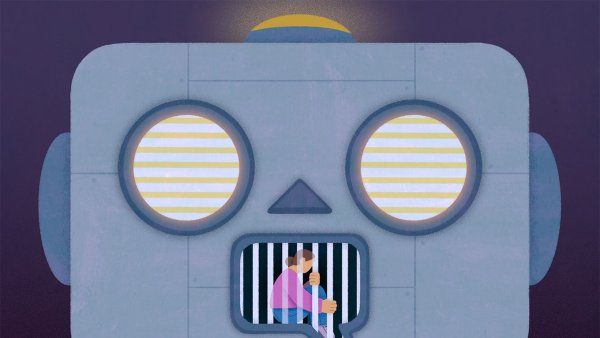
A UCSF psychiatrist explains what’s really going on with chatbots and mental health.
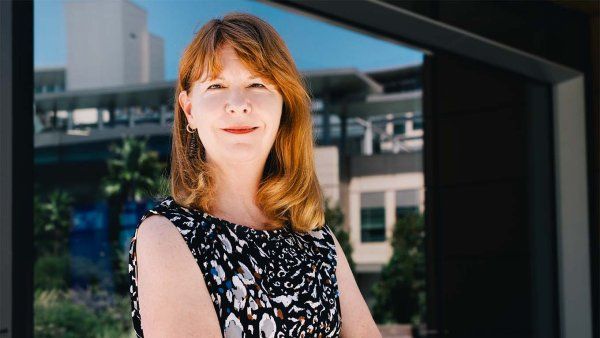
Boomers are retiring from health care just as their own medical needs rise. A UCSF health economist unpacks the shortage and what it will take to fix it.
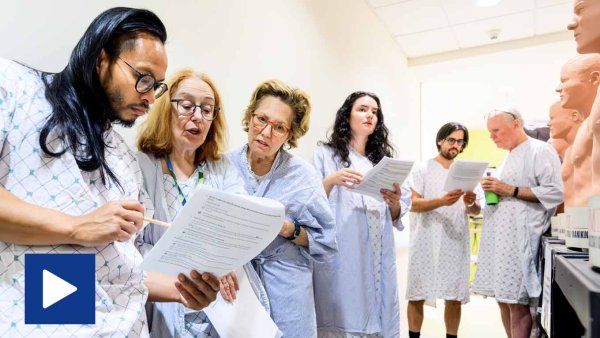
Before students face real patients, they face trained actors. Watch how UCSF’s standardized patients help prepare the next generation of clinicians.
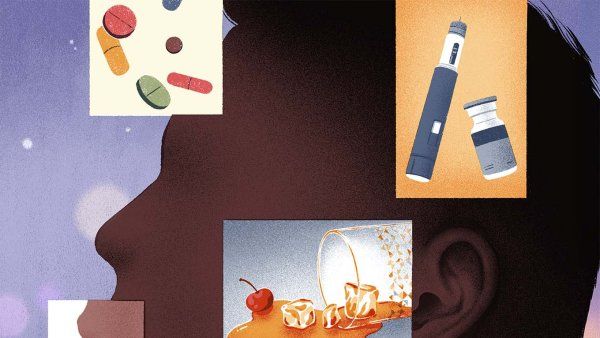
GLP-1 drugs are known for weight loss. UCSF researchers are testing whether they also dial down alcohol and opioid cravings.
“Humans can't design proteins.” That’s what one scientist was told. Decades later, UCSF labs are doing exactly that — with AI.
“How are we going to save victims of cardiac arrest if we don’t know which ones are really cardiac?” A UCSF cardiologist’s 15-year investigation is upending what we thought we knew about sudden death.