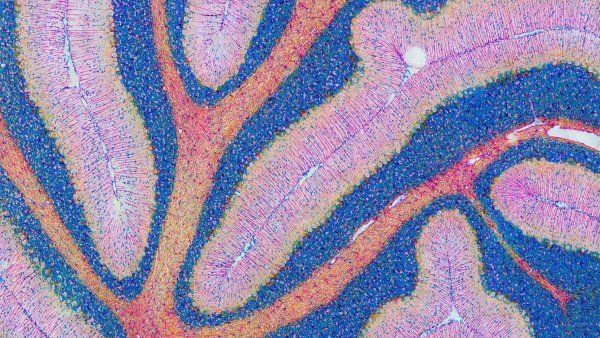
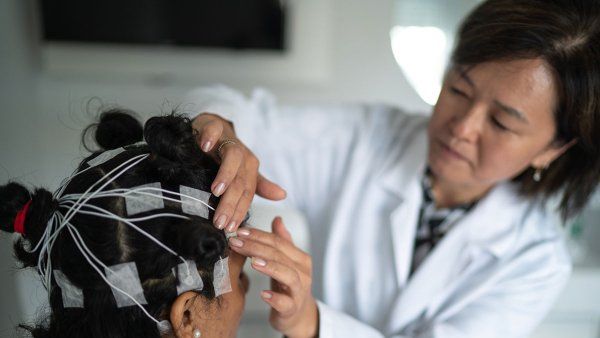
Can Neuroscience Help Stem the Tide of Teen Depression?
A new treatment approach draws on research into the unique teenage brain.
University of California San Francisco
Give to UCSF
A new treatment approach draws on research into the unique teenage brain.
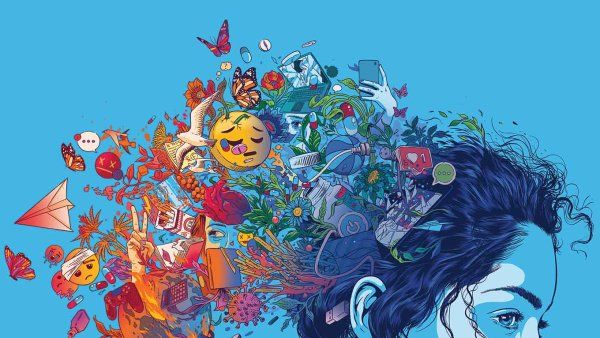
UCSF researchers developed an approach to measure an over-the-counter allergy medication’s effectiveness in repairing brain damage from multiple sclerosis (MS), making it possible to also assess future therapies for the disorder.
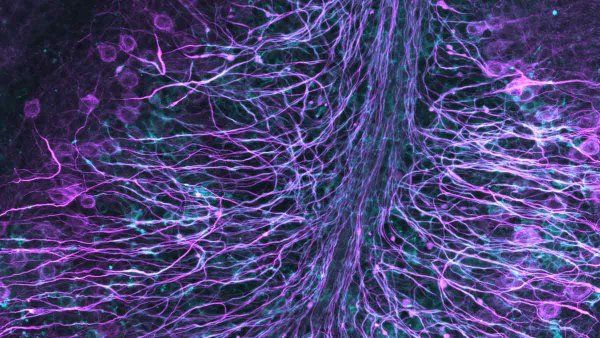
UCSF researchers discover how gabapentin interacts with calcium channels, opening doors for more effective treatments in epilepsy and Lupus by influencing channel biogenesis.
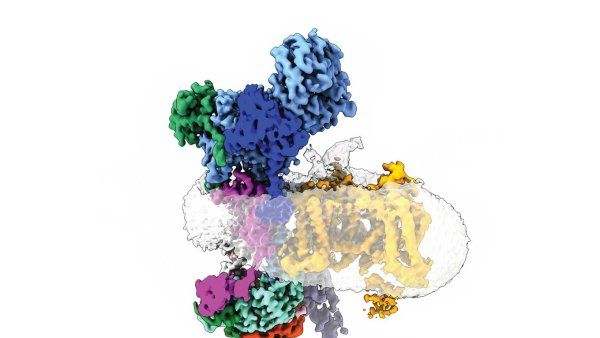
In a first, researchers have identified chronic pain pathways in individuals directly from their neural activity, showing promising paths forward for treatment.
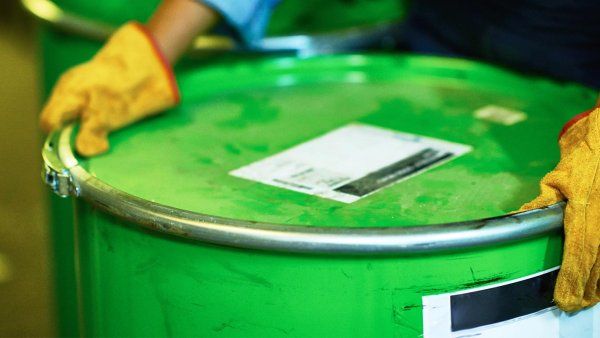
Exposure to trichloroethylene (TCE), a chemical found in the air, water, and soil, may increase the risk of Parkinson's disease by 70%, according to a UCSF study. TCE is commonly used today as a degreasing solvent.
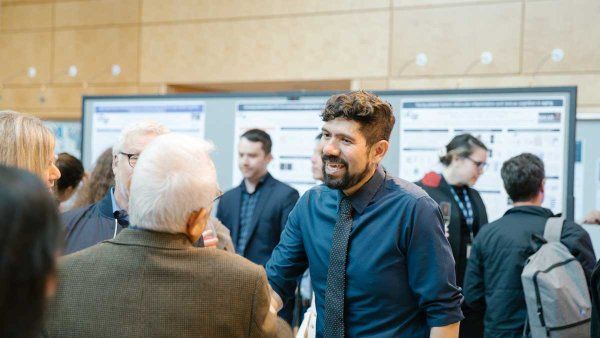
Saul Villeda, the 2023 recipient of the Byers Award, delivered a lecture titled "Blood Work and the Brain: Deciphering the Language of Cognitive Rejuvenation." His research focuses on understanding the biological mechanisms behind cognitive decline with age and exploring potential ways to reverse it.
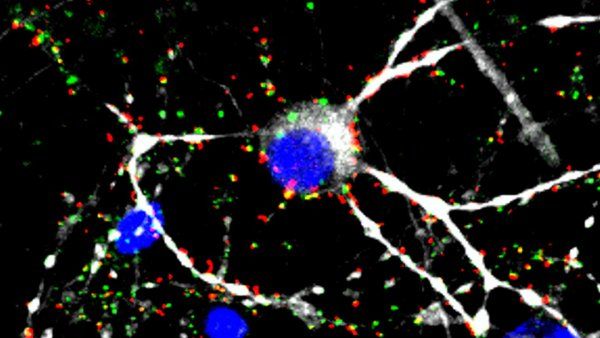
UCSF scientists have found that brain cancer glioblastoma can cause cognitive decline by affecting neural connections, but the epilepsy drug gabapentin shows promise in blocking this activity, offering hope for new treatments.
Sleep spindles, bursts of brain activity during NREM2 sleep, may regulate anxiety in PTSD, challenging recent studies. Non-invasive therapies could provide relief, such as prescription drugs or electrical brain stimulation. Sleep hygiene is also recommended to maximize the benefit of spindles after a stressful episode.
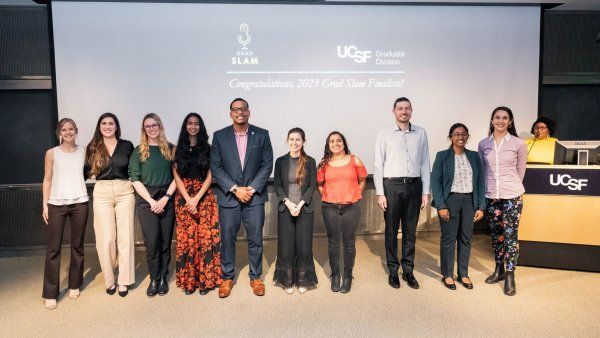
Ten graduate school finalists competed in this year’s UCSF Grad Slam, in which students present their research in three minutes or less in terms easily understood by a general audience.
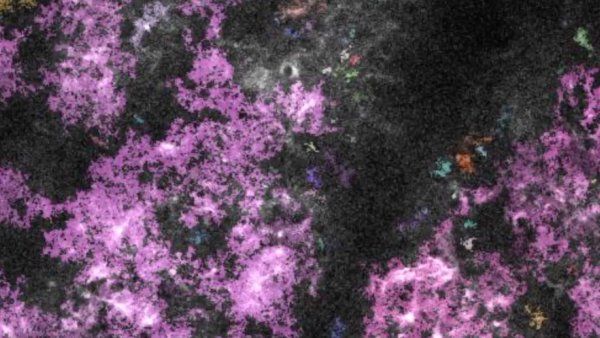
A newly discovered brain circuit recruits brain cells called astrocytes to calm overactive neurons to produce a calming and relaxing effect.
Thermo Fisher Scientific Inc. and UCSF will accelerate advanced cell therapies for difficult to treat conditions like cancer from a new manufacturing facility.
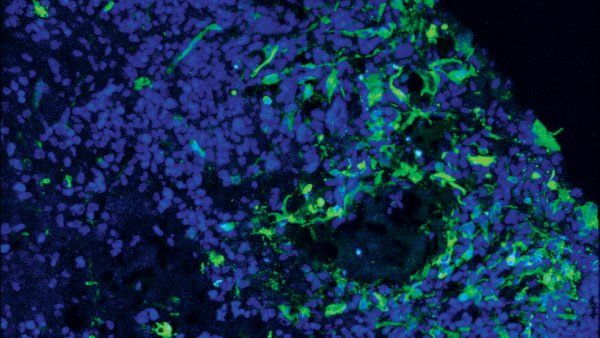
Jon Kleen is named the 2023 Dreifuss-Penry Epilepsy Award recipient by the American Academy of Neurology (AAN). He is honored for his contributions to epilepsy treatment.

Increasing a newborn’s blood pressure after heart surgery may reduce brain injuries and increase survival for infants.
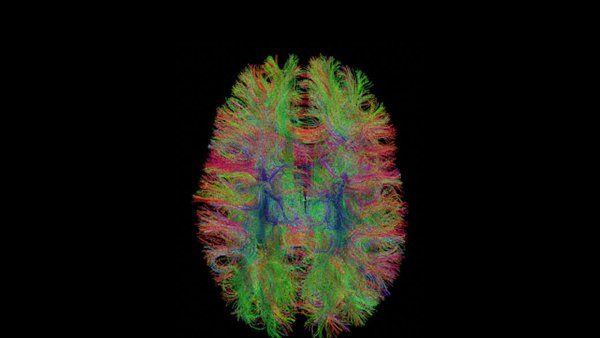
On the operating table and inside the lab of a rising star in cancer neurosurgery.
Could psychedelics become mainstream medicines?

Resecting brain tumors called gliomas as much as possible soon after diagnosis offers a distinct survival advantage when looking at the disease trajectory 10 years later, find UCSF researchers.

UCSF experts discuss the current state of Alzheimer’s treatments and future therapies that may slow progression of the disease.
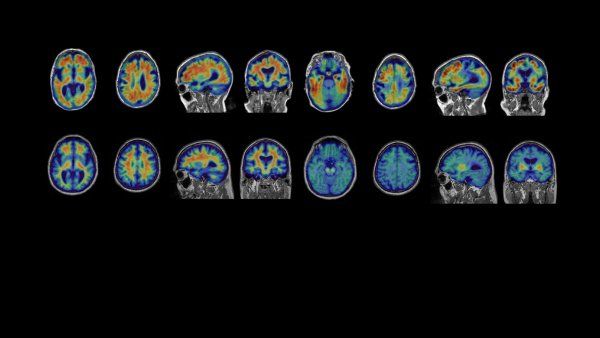
Through decades of biobanking at UCSF, researchers were able to comprehensively map intra-cellular signaling in the cells of recurrent glioblastoma, identifying novel cell-extrinsic therapeutic targets.
While we sleep, our brains process our daily actions to create motor memory, which makes physical acts such as throwing a basketball subconscious.
38 UCSF researchers rank in the top 1 percent for impact in their fields, according to a new analysis of research citations by science and intellectual property company Clarivate.

UCSF Experts Present Research at the Annual Clinical Trials on Alzheimer’s Disease (CTAD) Conference in San Francisco.
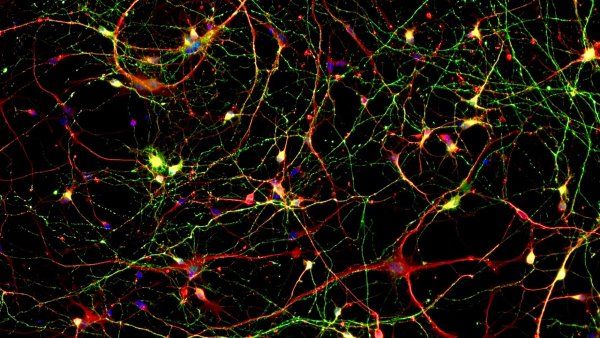
Risk of death or hospitalization from COVID-19 were found to be greater for patients with PTSD.
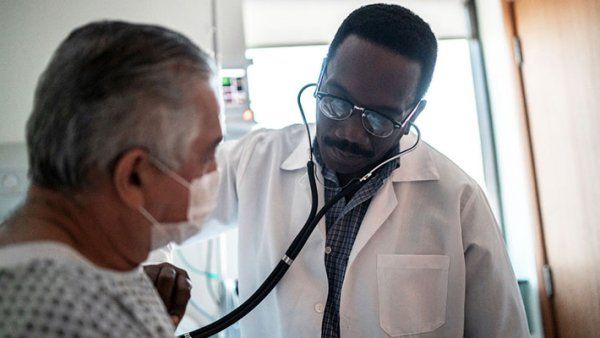
The brains of people with Down syndrome develop the same neurodegenerative tangles and plaques associated with Alzheimer’s disease and frequently demonstrate signs of the neurodegenerative disorder in their forties or fifties. A new study shows that these tangles and plaques are driven by the same amyloid beta (Aß) and tau prions as Alzheimer’s disease.

Brain implants for speech, neurological effects of COVID-19, and motor recovery after stroke are among the topics that researchers from UCSF will be presenting at this year’s annual meeting of the Society for Neuroscience.