Why Is Discovery Research So Important?
Neuroscientist Grae Davis, PhD, unpacks why public understanding of science matters.
University of California San Francisco
Give to UCSF
Neuroscientist Grae Davis, PhD, unpacks why public understanding of science matters.
The Oscar of science: Stephen Hauser’s dogged determination to defeat multiple sclerosis has earned him a Breakthrough Prize, one of science’s top honors.
UCSF researchers are scouring millions of compounds – with help from tiny zebrafish – to create anesthetics safe enough to use without an anesthesiologist.
A transformative program is changing health care and lifting up communities, one future doctor at a time.
Scientists are working to rewire the brain’s pain pathways and unlock lasting relief.
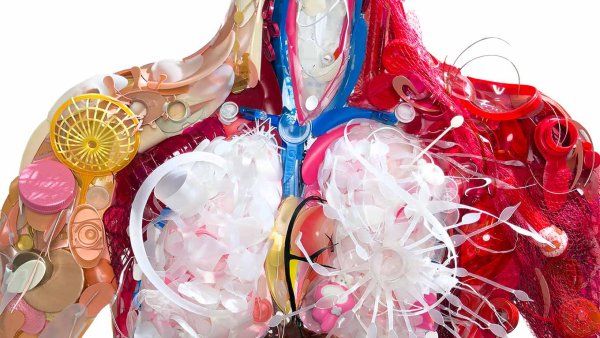
Microplastics have infiltrated our bodies. What does that mean for our health?
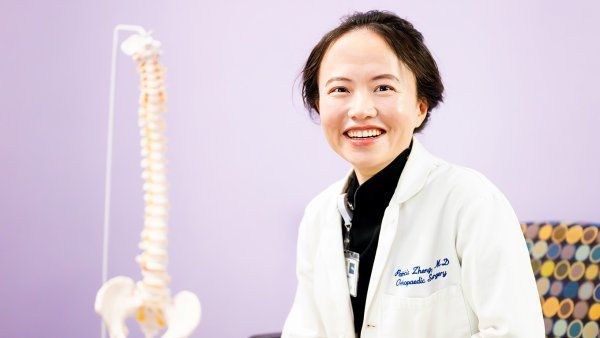
Got back pain? Spine surgeon Patricia Zheng, MD, answers questions about how to reduce your pain and, hopefully, avoid surgery.
A study showed that daily "micro-acts" promote wellbeing and health. These include acts of kindness, self-reflection, gratitude, positive reframing, and experiencing awe.

Health trackers keep tabs on nearly 1 in 4 Americans at this point. Professor of Medicine Sandeep Kishore, MD, PhD, MSc, answers questions about the future of these ubiquitous gadgets and the data they collect, share, and analyze.

In one of the largest studies of its kind, researchers identified the U.S. regions where dementia occurs most often.
Medical imaging scans that create detailed images of the body’s internal structures are widely used in medicine. Doctors need them to detect and manage certain types of cancer, assess the extent
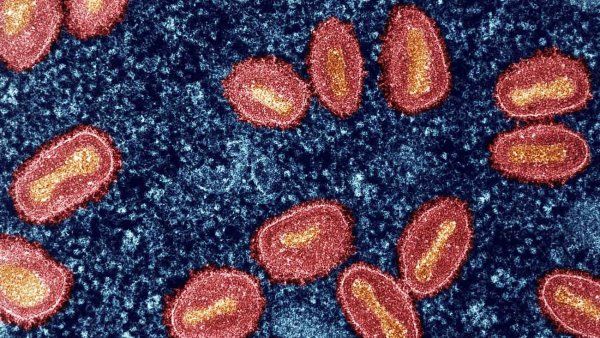
An off-the-shelf drug developed for smallpox, a cousin of mpox, proved safe for mpox patients but ineffective at curing the disease. But the clinical trial itself, launched rapidly as cases spread in 2022, could be a model for similar current and future epidemics.
In pancreatic cancer, metastasis is often the first sign that a patient even has cancer, and by then, the cancer has spread out of control. Researchers discovered how pancreatic cancer cells migrate to other organs, where they become dangerous enough to kill.

Oncology specialists from UC San Francisco will present new clinical research findings and cutting-edge treatment strategies at the 2025 American Society of Clinical Oncology (ASCO) Annual Meeting,


The Alumni Association of UCSF(AAUCSF) announced the recipients of the 2025 UCSF Alumni Achievement Awards, recognizing outstanding alumni from UCSF’s Schools of Dentistry, Medicine, Nursing, and Pharmacy, as well as the Graduate Division, for their exceptional impact in clinical care, scientific discovery, innovation, mentorship, philanthropy, service, and early-career achievement.
A new study led by UC San Francisco researchers finds that chronic cannabis use — whether it’s smoked or consumed in edible form — is associated with significant cardiovascular risks.

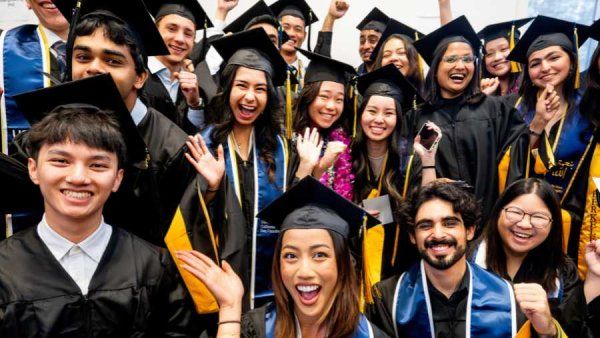
We celebrate the remarkable achievements of the UCSF Class of 2025 and look forward to the innovation and leadership they’ll bring to health care and health sciences worldwide for decades to come.
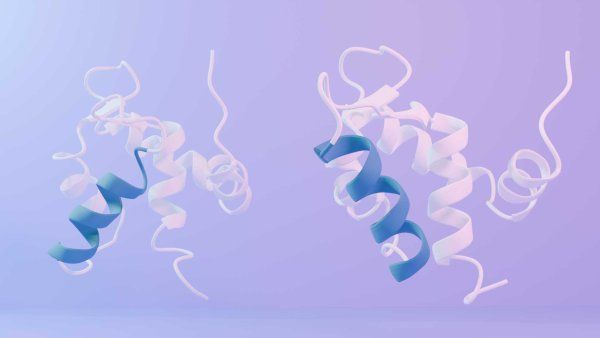
Researchers at UCSF have shown it is possible to make new proteins that move and change shape like those in nature. This ability will help scientists engineer proteins in powerful new ways to treat disease, clean up pollution, and increase crop yields.
Researchers found that as preteens used more social media, their depressive symptoms increased. Yet the reverse wasn’t true — a rise in depressive symptoms didn’t predict a later increase in social media use.

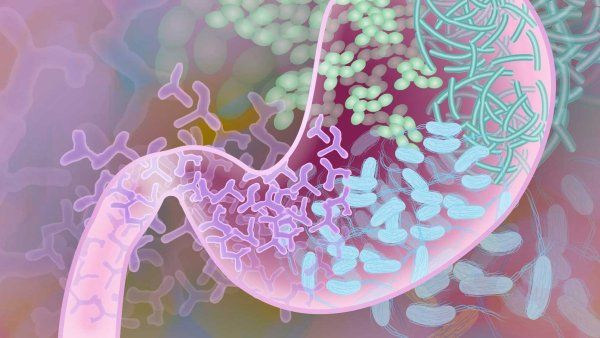
Researchers have discovered that some gut bacteria can reduce the side effects of chemotherapy, and that one family of cancer drugs may actually boost protective bacteria in the gut.
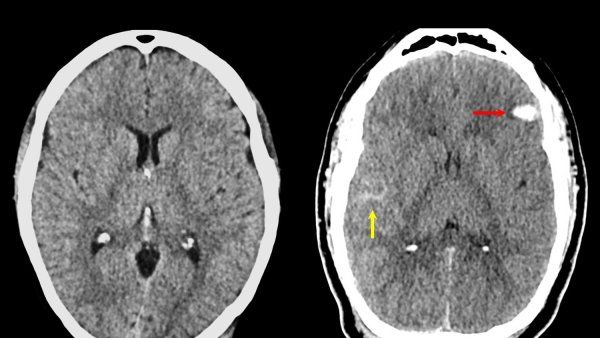
After more than 50 years, the assessment of traumatic brain injuries gets an overhaul. Clinicians say the proposed framework will lead to more accurate diagnoses and treatment, providing more rigorous care for some patients and preventing premature discussions about halting life support in others.
Evidence is mounting that clinicians can treat serious genetic disorders prenatally by injecting medicine into the amniotic fluid and prevent damage that begins in utero.
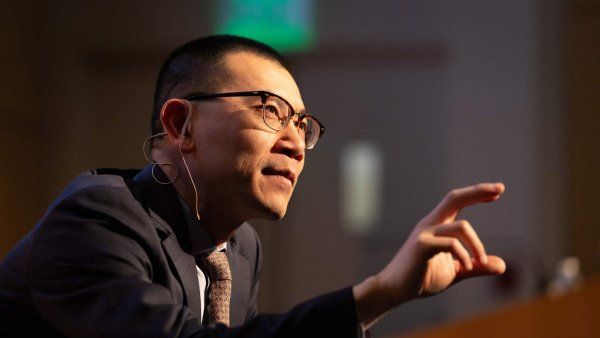
As a motivating teacher with an eye for uplifting students, Phan has helped many in his own support network find their place in the world.
UCSF researchers have found clues about how frontotemporal dementia develops that could lead to new diagnostics and get more patients into clinical trials.