University of California San Francisco
Give to UCSF
Displaying 1381 - 1410 of 3406
-
-
Archive: ‘AeroNabs’ Promise Powerful, Inhalable Protection Against COVID-19
UCSF scientists have devised a novel approach to halting the spread of SARS-CoV-2, the virus that causes the disease.

-
Archive: How COVID Sends Some Bodies to War With Themselves
-
Archive: Genomic Sequencing as a Standalone Newborn Screening Tool Falls Short, But May Help Diagnose Uncertain Cases
Researchers found that, when used alone, sequencing comes up short, missing some sick babies, while flagging many healthy ones for unnecessary follow-up testing. But sequencing can still be useful in cases that look suspicious but were not clearly identified by older screening technology.
-
Archive: Non-Invasive Nerve Stimulation Boosts Learning of Foreign Language Sounds
New research by neuroscientists at the University of Pittsburgh and UC San Francisco revealed that a simple, earbud-like device developed at UCSF that imperceptibly stimulates a key nerve leading to the brain could significantly improve the wearer’s ability to learn the sounds of a new language.
-
Archive: One More Reason to Wear a Mask: You’ll Get Less Sick From COVID-19
It’s likely that face masks, by blocking even some of the coronavirus-carrying droplets you inhale, can reduce your risk of falling seriously ill from COVID-19, according to Monica Gandhi, an infectious disease specialist at UCSF.
-
Archive: Some ‘Inert’ Drug Ingredients May Be Biologically Active
Some supposedly inert ingredients in common drugs — such as dyes and preservatives — may potentially be biologically active and could lead to unanticipated side effects, according to a preliminary new study by researchers from the UCSF and the Novartis Institutes for BioMedical Research.
-
Archive: ‘Wasabi Receptor’ Reveals Its Eye-Watering Secrets
UCSF researchers have now determined how the TRPA1 molecule manages to sense such a diverse variety of dangerous chemicals – and do so with enough sensitivity to let you flee before suffering too much tissue damage.
-
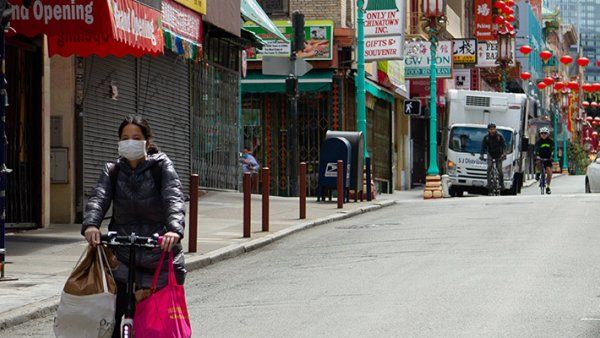
Anti-Asian Racism Escalates During COVID-19
The pandemic has led to a sudden rise in discrimination against people of Asian descent.
-
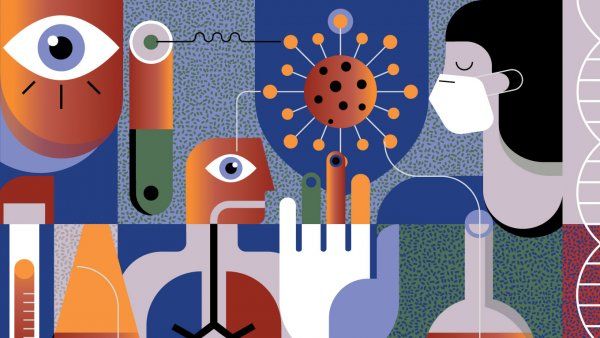
Seeking Immunity Against COVID-19
Joel Ernst, MD, addresses key questions about how vaccine development works and why vaccines are especially important in the case of COVID-19.
-
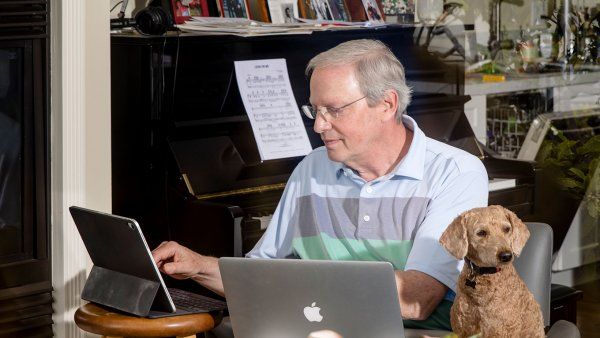
Tweeting a Pandemic
How I learned to use social media to advance the public’s understanding of COVID-19.
-
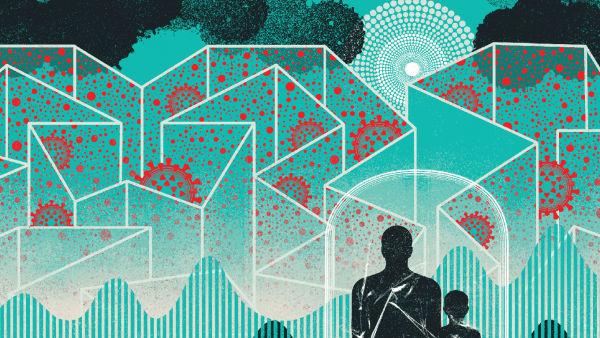
We Must Learn from Our Past
A look at past outbreaks offers guidance on bringing the current one to an end – and on thwarting the next one.
-
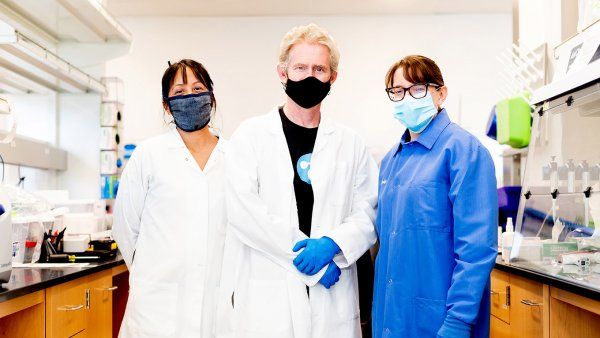
How to Build a COVID Testing Lab in Eight Days
As the United States’ testing regime floundered early in the pandemic, scientists at UCSF and the Chan Zuckerberg Biohub created from scratch a diagnostic lab that became a model for the nation.
-
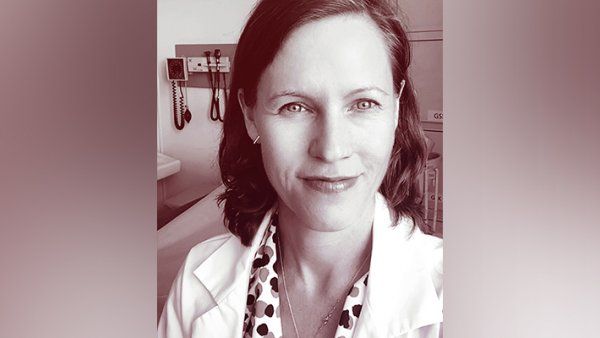
COVID-19 Frontliners: Searching for the Silver Bullet
Clinical trial leader Annie Luetkemeyer, MD, tests promising therapies for COVID-19 – and soon a vaccine.
-
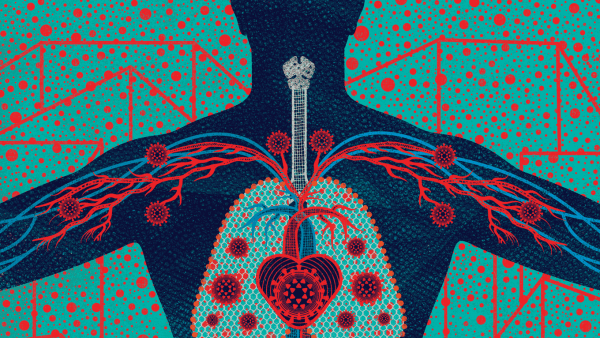
We Thought It Was Just a Respiratory Virus
UCSF researchers are taking a closer look at COVID-19’s dizzying array of symptoms to get at the disease’s root causes.
-
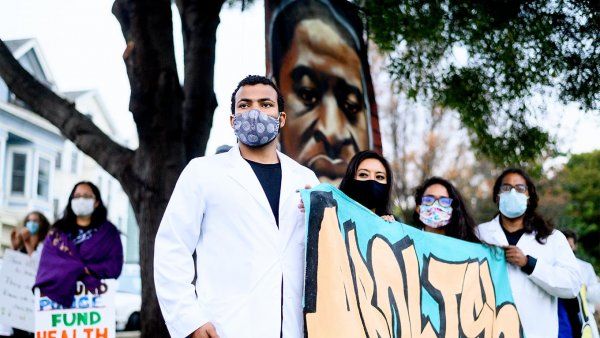
An Epidemic of Inequality
Communities of color have been hit hardest by COVID-19. Meanwhile, hundreds of thousands of people have taken to the streets in an outcry against police brutality. Both issues have roots in the same problem.
-
COVID-19 Frontliners: the Stem Cell Biologist
Why are more men than women dying of COVID-19? Scientist Faranak Fattahi, PhD, has found a clue.
-
Five Big Lessons from the Pandemic
When future historians look back on this moment, they will draw many conclusions from our response to this crisis. Here are five big lessons that UCSF experts already see taking shape.
-
Archive: Front-Line Physicians Stressed and Anxious at Work and Home
Amid the COVID-19 chaos in many hospitals, emergency medicine physicians in seven cities around the country experienced rising levels of anxiety and emotional exhaustion, regardless of the intensity of the local surge, according to a new analysis led by UCSF.
-
Archive: Older Adults Who Can Really Smell the Roses May Face Lower Likelihood of Dementia
Seniors who can identify smells like roses, turpentine, paint-thinner and lemons, and have retained their senses of hearing, vision and touch, may have half the risk of developing dementia as their peers with marked sensory decline, according to a new UCSF study.
-
Archive: How Exercise May Bolster the Brain
-
Archive: Two Projects Using Hydrogel Biomaterials to Stimulate Tissue Regeneration Move Forward with New Funding
Two innovative UCSF projects in hydrogel therapies to develop new salivary glands and restore muscle loss after facial injuries have received critical funding to move closer to clinical trials.
-
Archive: Mask-Wearing Reduces Face-Touching Among Health Care Providers
Among a group of 40 health care professionals observed by the study authors, those without masks touched their faces nearly four times as often as those who wore masks, indicating that masks not only are an effective barrier to disease transmission, but also may reduce face-touching, at least among health care professionals.
-
Archive: 1 in 3 Young Adults May Face Severe COVID-19, UCSF Study Shows
The researchers determined "medical vulnerability" by referencing indicators identified by the CDC, including heart conditions, diabetes, current asthma, immune conditions (such as lupus, gout, rheumatoid arthritis), liver conditions, obesity and smoking within the previous 30 days. Additionally, the researchers added e-cigarettes to tobacco and cigar use.
-
Archive: Largest-Ever Study of Prostate Cancer Genomics in Black Men IDs Potential Targets for Precision Therapies
None of the individual tumor genetic differences that were identified are likely to explain significant differences in health outcomes or to prevent Black Americans from benefiting from a new generation of precision prostate cancer therapies, researchers say, as long as the therapies are applied equitably.
-
Archive: Brain Benefits of Exercise Can Be Gained with a Single Protein
A little-studied liver protein may be responsible for the well-known benefits of exercise on the aging brain.
-
Archive: Building Blocks for COVID-19 Antiviral Drugs Identified in Rapid Study
Scientists have identified key chemical building blocks for an eventual antiviral drug against SARS-CoV-2, the virus that causes COVID-19.
-
Archive: New Model of Breast Cancer’s Causes Developed by UCSF-led Team
A new model of the causes of breast cancer, created by a team led by researchers at UCSF, Genentech and Stanford University, is designed to capture the complex interrelationships between dozens of primary and secondary breast cancer causes and stimulate further research.
-
Archive: To Let Neurons Talk, Immune Cells Clear Paths Through Brain’s ‘Scaffolding’
A new study by UCSF researchers identified a surprising way that the brain’s immune cells help to form new memories.
-
Archive: International AIDS Conference Returns to SF, Overshadowed by a New Pandemic