University of California San Francisco
Give to UCSF
Displaying 1291 - 1320 of 3406
-
-
Alcohol Causes Immediate Effects Linked to Heart Malady
UCSF researchers found that alcohol has an immediate effect on the heart in patients with atrial fibrillation, the most common life-threatening heart-rhythm disorder.

-
Study Finds Essential Workers Like Cooks Are More Likely to Die of COVID-19
-
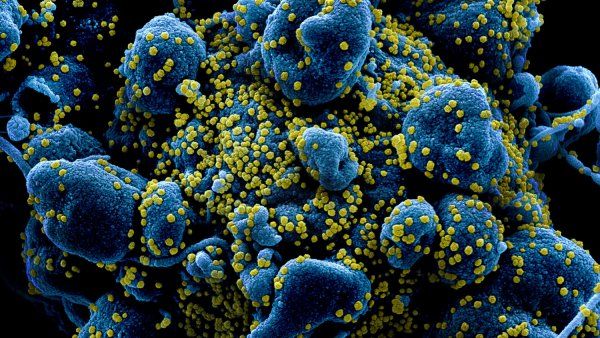
Severe COVID-19 Disables Disease-Fighting Immune Circuit
Patients with severe COVID-19 produce antibodies that paradoxically shut down their immune system’s virus-fighting response just when they need it most.
-
The Inside Story of How the Bay Area Coronavirus Variant Was Discovered
-
COVID-19 Predictions for 2021 and Beyond
Few would have predicted last January that a pandemic would upend our daily lives. But one grueling year in, UCSF experts have a clearer view of the path ahead.
-
COVID-19 Variant First Found in Other Countries and States Now Seen More Frequently in California
“It’s too soon to know if this variant will spread more rapidly than others," said Erica Pan, MD, MPH, State Epidemiologist for the California Department of Public Health.
-
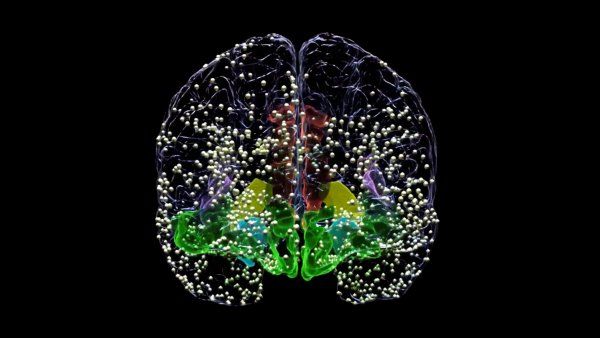
Personalized Brain Stimulation Alleviates Severe Depression Symptoms
Depression is among the most common psychiatric disorders, affecting as many as 264 million people worldwide and leading to hundreds of thousands of deaths per year. But as many as 30 percent of patients do not respond to standard treatments such as medication or psychotherapy.
-
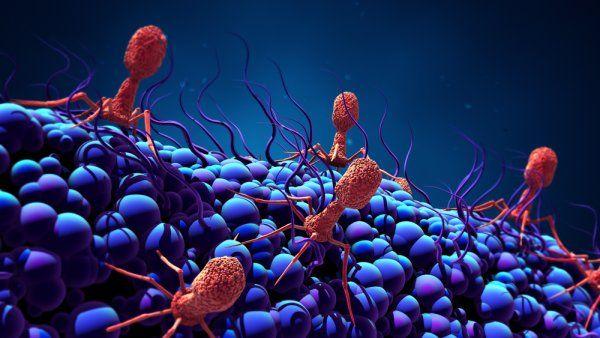
Virus Versus Virus: ‘ReScan’ Antibody Test is a Powerful New Tool
Scientists at UCSF have developed ReScan, an innovative new serological test that employs a specialized version of the technique known as phage display.
-
How Worried Should You Be About the New Coronavirus Variant?
A mutated version of the novel coronavirus has been making the news for being more contagious. We asked UCSF infectious disease expert Charles Chiu, MD, PhD, how the new variant emerged, whether available vaccines will still work, and what we need to do now.

-
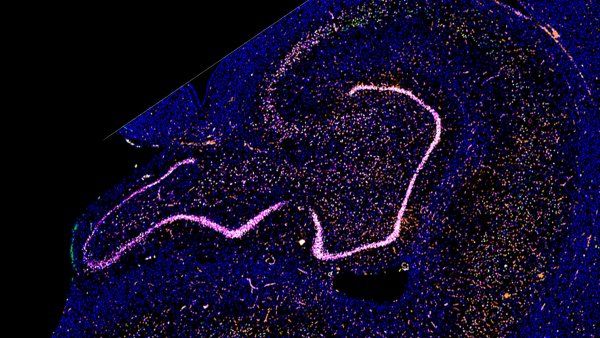
Brain Cells Most Vulnerable to Alzheimer’s Disease Identified by Scientists
A team of researchers has identified for the first time the neurons that are among the first victims of Alzheimer’s disease.
-
How Fast Can Scientists Find the New Coronavirus Strains?
-
Will Kids Be Safe When They Return to School? Will Everyone Else?
A UCSF pediatrician who is researching methods to control the spread of coronavirus shares why she’s optimistic that schools can reopen safely.
-
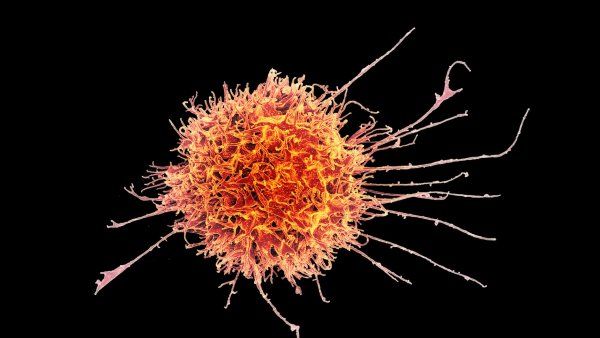
‘Invisible’ Stem Cells Evade Natural Killer Cells Using Immune ‘Off-Switch’
UCSF scientists have discovered a new way to control the immune system’s “natural killer” cells, a finding with implications for novel cell therapies and tissue implants that can evade immune rejection.
-
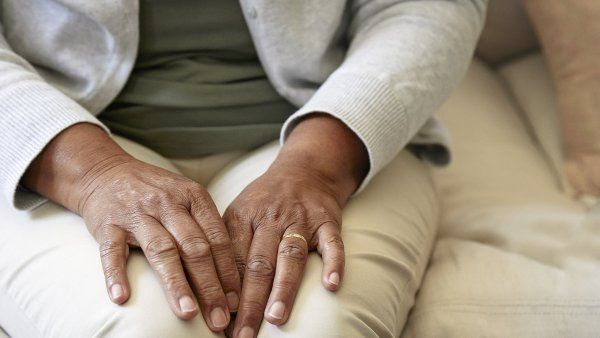
Seniors Living Alone with Cognitive Impairment Hit Hard by COVID-19 Pandemic
Researchersare calling for tailored services and support for older adults living alone with memory issues, who are experiencing extreme isolation, and are exposed to misinformation about the virus and barriers to accessing medical care.
-
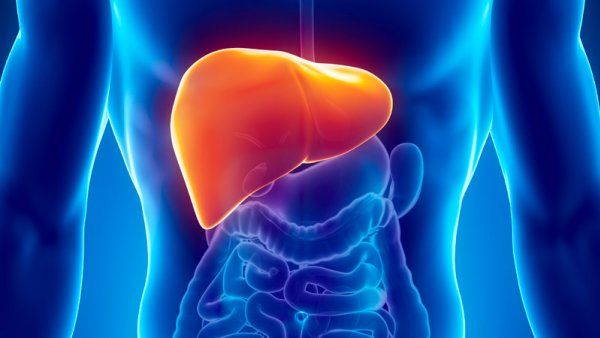
Frailty Is a Factor in Higher Mortality for Women Awaiting Liver Transplants
A study headed by UCSF and Columbia University highlights the role that frailty plays in this gender gap.
-
UCSF and BridgeBio Pharma to Accelerate Therapies for Genetic Diseases
UCSF and BridgeBio Pharma, Inc. today announced a partnership to drive the advancement of academic innovations in genetically driven diseases into potential therapeutics for patients.
-
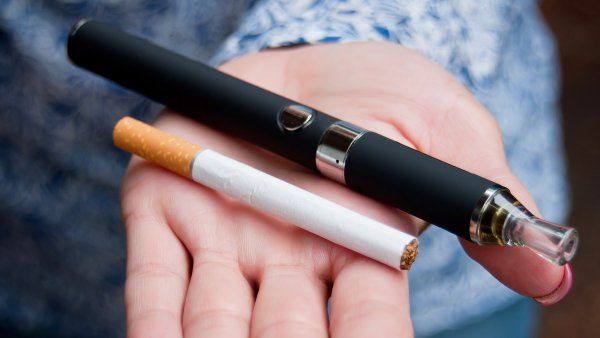
E-Cigarettes, as Consumer Products, Do Not Help People Quit Smoking, Study Finds
A team led by UCSF’s Richard Wang, surveyed the scientific community’s understanding of e-cigarettes and found that, in the form of mass-marketed consumer products, they do not lead smokers to quit.
-
California Lockdown Suppressed Excess Pandemic Deaths
The researchers concluded that the first lockdown from March 19 through May 9 lowered the number of excess deaths for most but not all groups.

-
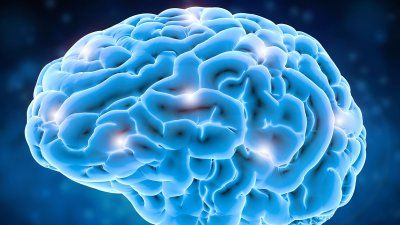
Seizure Risk Forecasted Days in Advance with Brain Implant Data
Patterns of brain activity can be used to forecast seizure risk in epilepsy patients several days in advance, according to a new analysis of data obtained from clinically approved brain implants by neuroscientists at UCSF, the University of Bern and the University of Geneva.
-
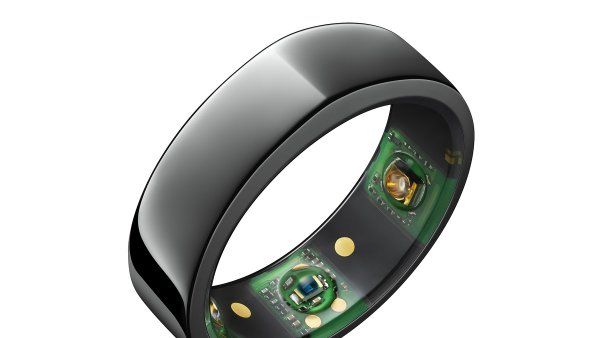
Wearable Sensor May Signal You’re Developing COVID-19 – Even If Your Symptoms Are Subtle
The device, which may be a better illness indicator than a thermometer, could lead to earlier isolation and testing, curbing the spread of infectious diseases.
-
A Genetic Shortcut to Help Visualize Proteins at Work
A group at Gladstone Institutes and UCSF has demonstrated that a large-scale and systematic genetic approach can indeed yield reliable and detailed information on the structure of protein complexes.
-
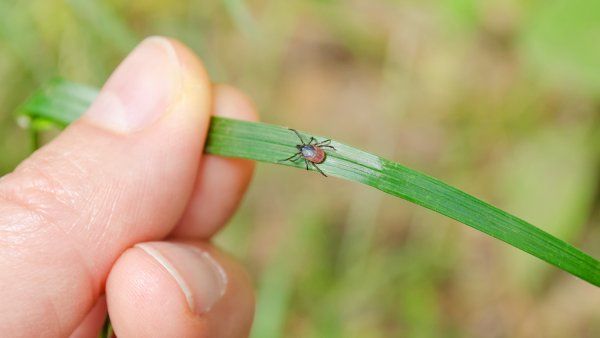
Lyme Disease Ticks Produce Antibiotic That Protects Them From Human Skin Bacteria
Though ticks are notorious for transmitting pathogens such as the Lyme disease bacterium, how does their immune system keep them safe from contracting pathogens themselves?
-
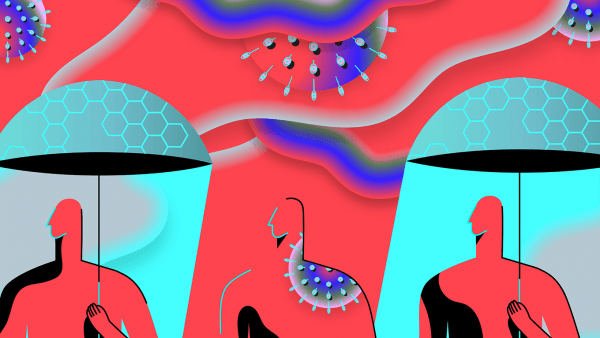
How Can We Be Sure the New COVID-19 Vaccines Are Safe?
We asked several UCSF experts for a personal take on what will convince them that a vaccine is safe.
-
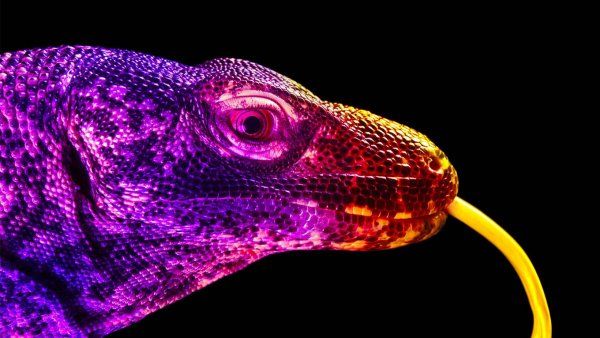
Astonishing Animals That Illuminate Human Health
Giant lizards with superpowered hearts. Hairless rodents that don’t seem to age. Songbirds that babble like human babies. These and other scurrying, soaring, and slithering wonders are teaching scientists how our own bodies work – and how to fix them.
-
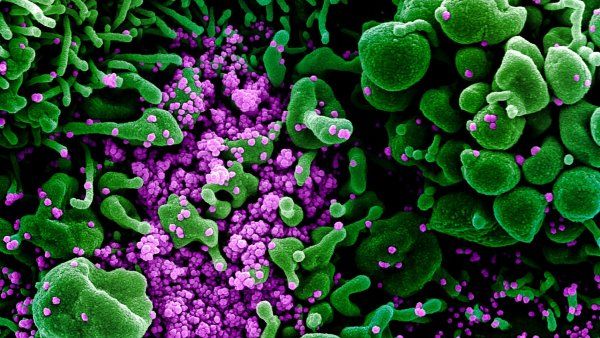
New COVID-19 Testing Approach Measures Patients’ Immune Response for Better Diagnosis
This type of test could be used as a check against possible errors generated by the standard tests that directly detect the SARS-CoV-2 virus, the scientists said.
-
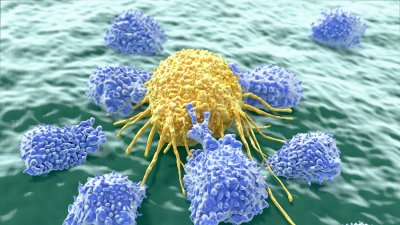
Novel Tool Deciphers Cells’ Energetic Code to Enhance Anticancer Therapies
Immunotherapies are a promising anticancer arsenal and work by mobilizing the immune system to recognize and destroy cancer cells. Currently, however, only a third of patients respond to
-
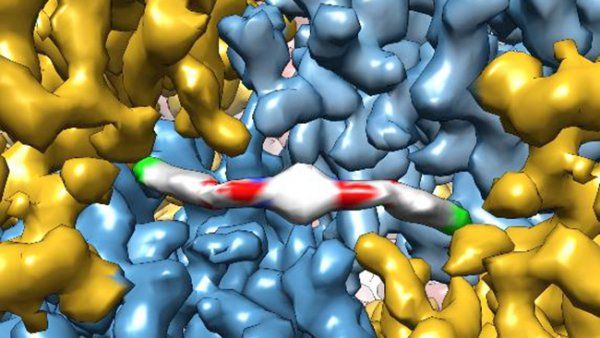
Drug Reverses Age-Related Mental Decline Within Days
In the new study, UCSF researchers showed rapid restoration of youthful cognitive abilities in aged mice, accompanied by a rejuvenation of brain and immune cells that could help explain improvements in brain function.
-
Children With Dyslexia Show Stronger Emotional Responses
Children with dyslexia who watched emotionally evocative videos showed increased physiological and behavioral responses when compared to children without dyslexia.

-
Forest Fires, Cars, Power Plants Join List of Risk Factors for Alzheimer’s Disease
The study adds to a body of evidence indicating that pollution from cars, factories, power plants and forest fires joins established dementia risk factors like smoking and diabetes.