Trip Therapy
Could psychedelics become mainstream medicines?

University of California San Francisco
Give to UCSF
Could psychedelics become mainstream medicines?
Resecting brain tumors called gliomas as much as possible soon after diagnosis offers a distinct survival advantage when looking at the disease trajectory 10 years later, find UCSF researchers.

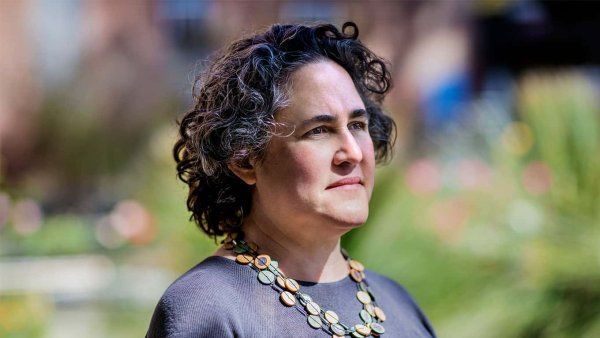
Diana Greene Foster of UCSF was named one of the top 10 most influential scientists of 2022 by "Nature" for her study of what happens to women who are denied abortions.
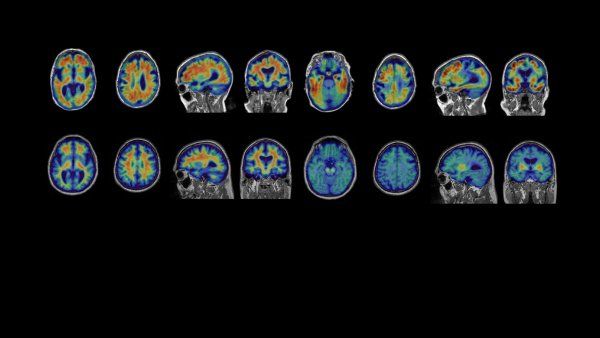
UCSF experts discuss the current state of Alzheimer’s treatments and future therapies that may slow progression of the disease.
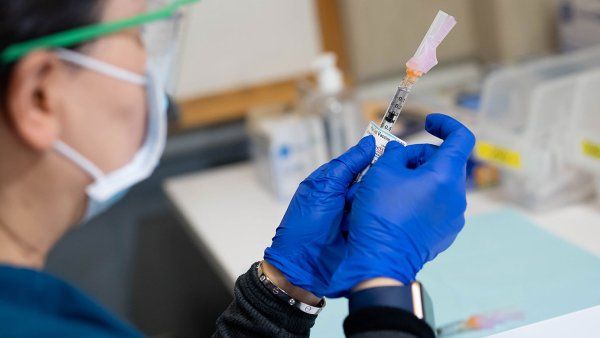
California prisons saw more than 20,000 COVID-19 Omicron cases over a five-month period. However, vaccination and boosting kept hospitalization and death rates low.
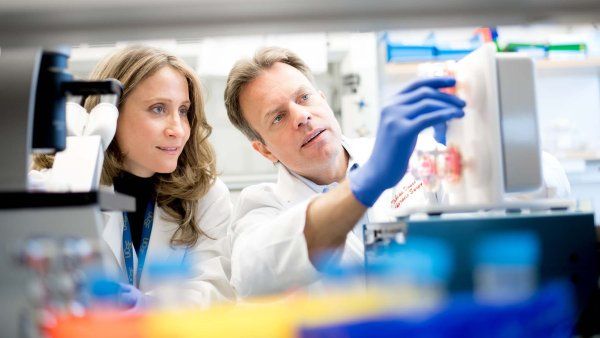
Researchers have genetically engineered cells to distract antibodies from attacking friendly, but foreign, cells. This could prevent transplants from being rejected.
Facial feminization surgery eliminates sources of misgendering for patients through procedures like hairline advancement, brow lift, rhinoplasty, genioplasty and chondrolaryngoplasty.

Researchers have discovered a cellular uptake pathway for larger molecules that delivers cell-permeable drugs efficiently.
Through decades of biobanking at UCSF, researchers were able to comprehensively map intra-cellular signaling in the cells of recurrent glioblastoma, identifying novel cell-extrinsic therapeutic targets.
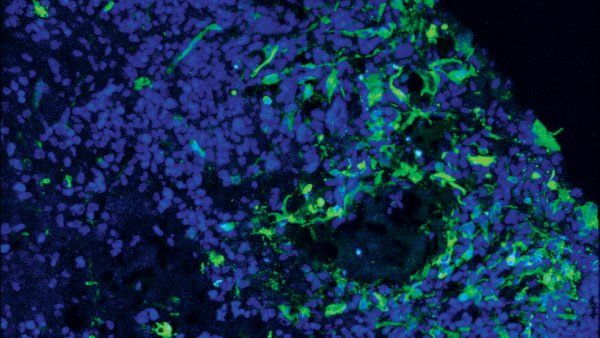
While we sleep, our brains process our daily actions to create motor memory, which makes physical acts such as throwing a basketball subconscious.
The new Program of Historical Reconciliation (PHR) at UCSF aims to acknowledge past harms, especially in unethical research and experiments.
The California Collaborative for Pandemic Recovery and Readiness Research (CPR3) at UCSF will investigate the effects of the pandemic on California communities and individuals.

Groundbreaking research by UCSF scientists has led to FDA approval of a new therapy that can delay the onset of type 1 diabetes by at least 2 years.
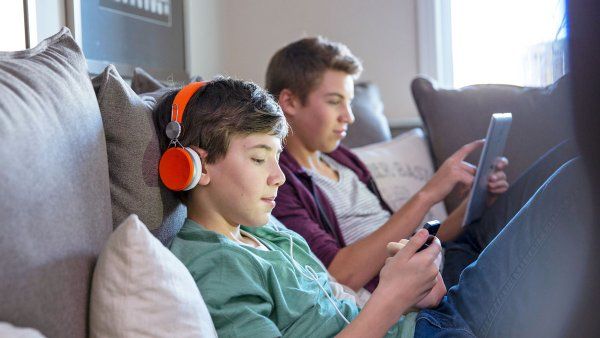
In a Q&A, UCSF’s Jason Nagata answers questions about the links between screen time and illnesses like OCD for children and teens.

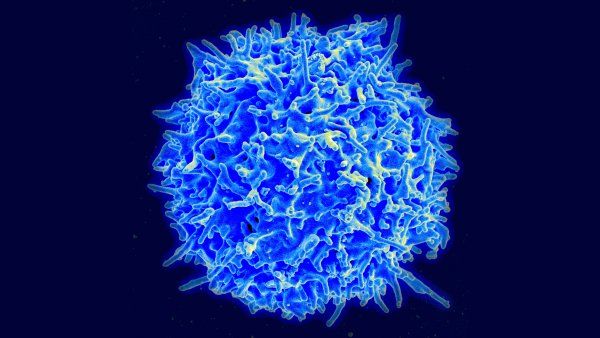
T-cells can be directed to produce cytokine, a powerful anti-cancer component, when they encounter cancer cells. This holds tremendous promise for cancer immunotherapy.
For preteens, the odds of developing OCD over a two-year period increases for every hour they play video games or watch videos.
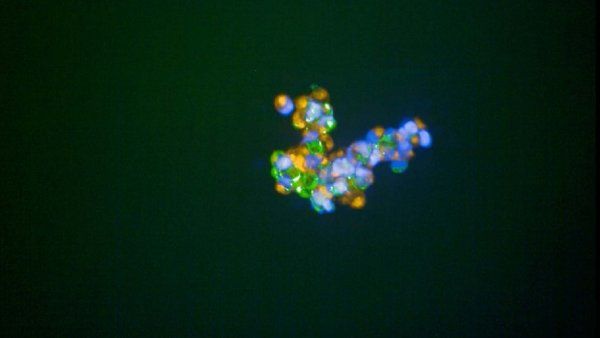
Researchers have engineered molecules that act like “cellular glue,” a major step toward building tissues and organs.
UCSF experts in multiple myeloma and other hematologic malignancies will attend the American Society of Hematology’s (ASH) 64th Annual Meeting and Exposition.
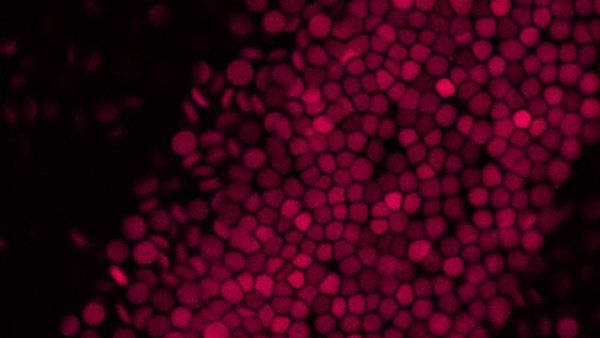
A new sophisticated machine learning technique using a molecular library of commands guides engineered immune cells to seek out and tirelessly kill cancer cells.
New records in the Opioid Industry Documents show that Insys Therapeutics improperly sold vast amounts of its addictive product for off-label uses.