Menopause Leaves a Fingerprint that May Predict Dementia Risk
A new study looks at how blood signatures in menopausal women predict their dementia risk.
University of California San Francisco
Give to UCSF
A new study looks at how blood signatures in menopausal women predict their dementia risk.
A new clinical trial will screen for atrial fibrillation (AFib) using a blood pressure monitor with AFib detection technology with the goal to decrease time to AFib diagnosis in patients with high blood pressure. The randomized trial will compare this monitor to usual care using a conventional home blood pressure monitor with no AFib detection.

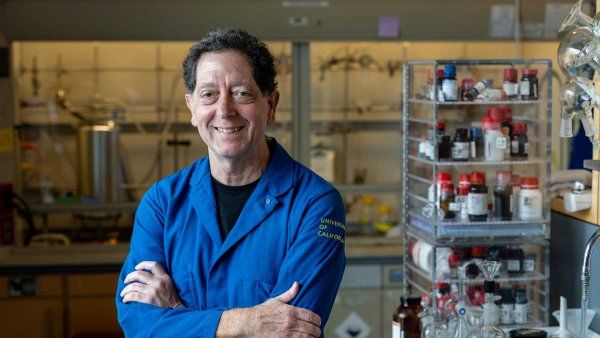
Kevan Shokat, PhD, a professor of Cellular and Molecular Pharmacology at UC San Francisco who discovered how to disable KRAS, a seemingly unstoppable cancer-driving protein, has won the Stephenson Global Prize for research in pancreatic cancer.
A UCSF study that found people with serious depression had significantly improved symptoms when they switched to a diet consisting of less utlra-processed food.

Clinicians and researchers set to gather for the UCSF-cosponsored international invasive lobular carcinoma symposium in San Francisco, Sept. 23 to 25.
UCSF researchers are weighing in on one of the biggest challenges in psychedelic science, arguing that clinical trials need more convincing control treatments to better measure the drugs' true effects.

Louise Walter, MD, chair of UCSF Geriatrics, served as vice-chair of the National Comprehensive Cancer Network (NCCN) Guidelines Panel for Older Adult Oncology, which recently new treatment guidelines for older adults with cancer.
How does your brain decide whether to hit “send” on a risky email or delete the draft? Two neighboring parts of it argue with each other until one overrules the other. Researchers created a video game to see what players’ brains were doing while making risk-reward decisions.
OpenADMET, helmed by Jaime Fraser, will receive funding from the OpenAI Foundation in pursuit of an efficient, affordable, open system for screening thousands of drugs for their ability to safely traverse the body to treat disease. This transit of drugs in the human body is often where new drugs fail in clinical trials.
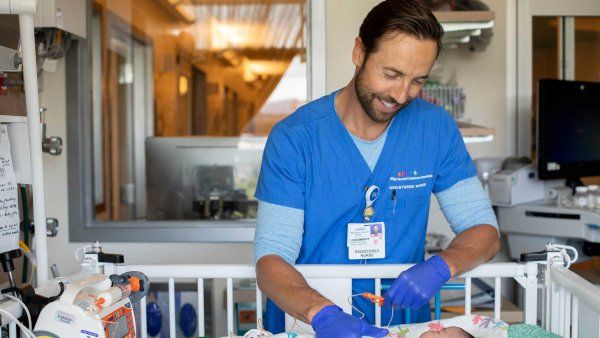
UCSF Benioff Children’s Hospitals earned its strongest-ever showing in the 2026-27 U.S. News Best Children’s Hospitals rankings, tying for best in Northern California, with all specialties nationally recognized and four ranking in the top 10.
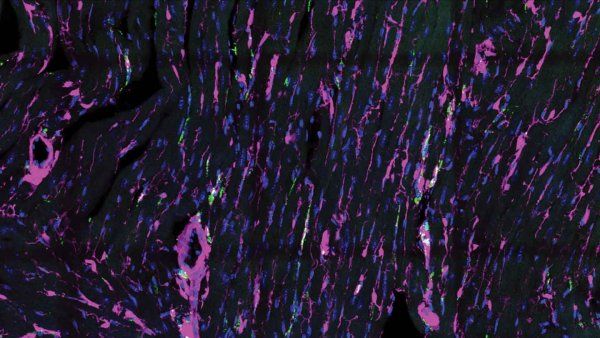
UCSF researchers discover how some of our hardest-working organs stay healthy: by recruiting immune macrophages to dispose of spent batteries (mitochondria) while heart/muscle/fat cells burn energy.
UC San Francisco study data was instrumental in today’s approval by the Food and Drug Administration (FDA) of a PET imaging agent that helps physicians evaluate gliomas, a form of brain cancer.The
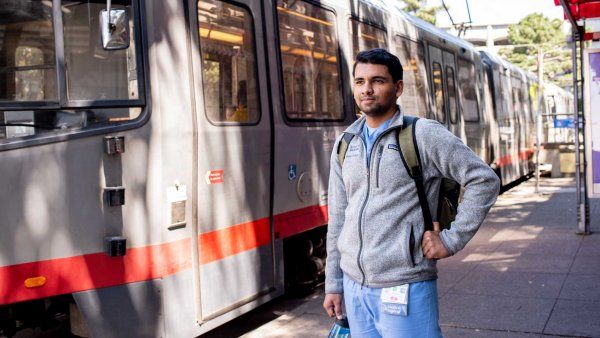
UCSF is expanding Clipper BayPass to 36,000 employees and students, offering affordable, unlimited public transit across 24 Bay Area bus, rail and ferry services.
Valerie Weaver's team discovers why stiff tissue is a risk factor for breast cancer: it spurs immune cells to release DNA-damaging chemicals, which cause the mutations that ultimately lead to cancer.

A UCSF-developed program that integrates behavioral health support for children and caregivers into routine pediatric care is poised to extend across California with a $17 million investment from the
An international research network led in North America by UC San Francisco (UCSF) has received a $9 million award from the Leducq Foundation, a cardiovascular research funding organization, to uncover
The UCSF Quantitative Biosciences Institute (QBI) has received a significant grant to fund autism-related research.
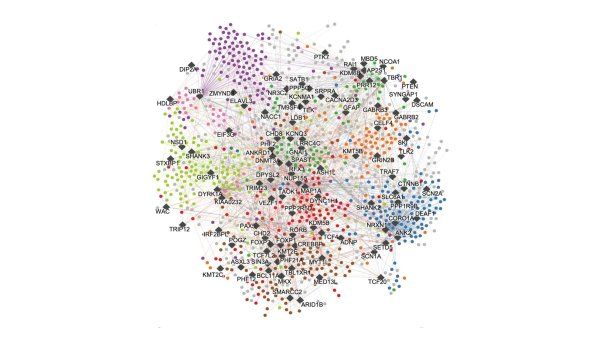
A study by Nevan Krogan and Matt State reveals protein interactions in the brain that are relevant to autism and epilepsy.
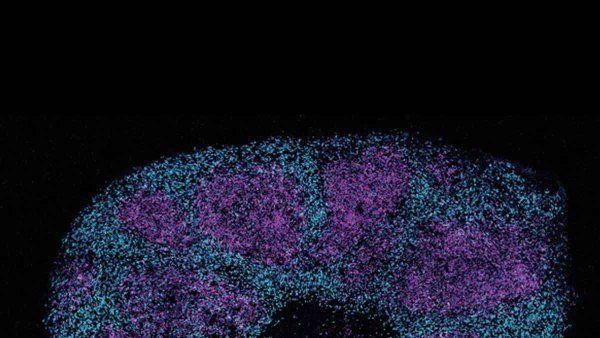
Scientists made universal stem-cell-derived dendritic "immune teacher" cells that can be coated with a patient’s tumor proteins, creating a cancer vaccine that activated tumor-killing T cells in laboratory studies, patient samples, and mouse models.
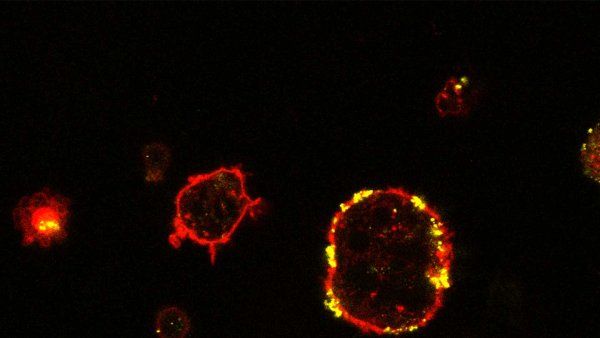
UCSF is launching a national Center of Excellence for Eating Disorders that provides training and resources to providers, supported by a five-year grant from SAMHSA.

UCSF is to become of the repository of a new class of industry documents due to a settlement in the state of Minnesota.

The number of low and intermediate-risk prostate cancer patients undergoing active surveillance in place of aggressive treatment has tripled to quadrupled over the last 20 years.
A new trial showed that inhaled cannabis was associated with a statistically significant 9% reduction in ectopic beats, which can sometimes signal a serious heart condition. While this finding wouldn't necessarily influence clinical decisions, it does indicate a need for further study and highlights the complex picture of the effects of cannabis on health.

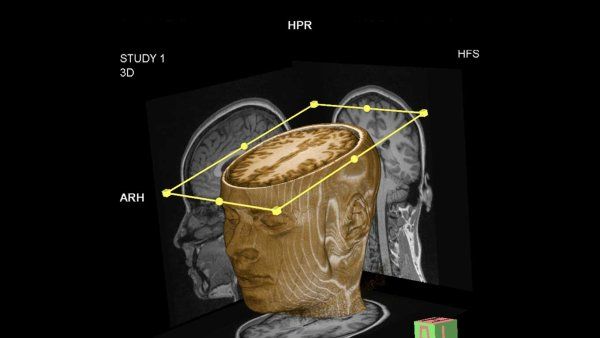
MRIs are among the most accurate imaging tests used to diagnose brain tumors, and MRI-based monitoring of tumors guides critical treatment decisions. The clinical standard for measuring tumors
UCSF reserachers discover why people with controlled HIV are at much higher risk for diabetes than HIV-negative people.

Chugai Pharmaceutical Co., Ltd. and UC San Francisco have entered into a Master Collaboration Agreement to advance drug discovery research. The multi-year agreement establishes a framework to
Teams of researchers at UCSF discover how C. auris, a fungal superbug that can make a difficult hospitalization deadly, stows itself in hair follicles to evade the skin's typical immune defenses.
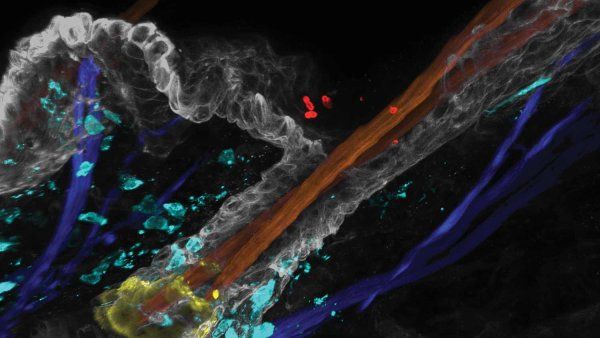
Researchers at UC San Francisco have developed a new method to predict how different types of breast cancer will respond to treatment, using patient data from an innovative clinical trial called I-SPY
UCSF Medical Center ties as No. 1 hospital in California and ranks best in the state for cancer, geriatrics, neurology and neurosurgery, pulmonology, rheumatology, and urology, according to U.S. News & World Report.
UCSF Health’s Adam Blaisdell, MD, PhD, has been selected as an IGNITE fellow by the Cancer Research Institute (CRI), a New York-based nonprofit that funds and promotes cancer immunotherapy research.