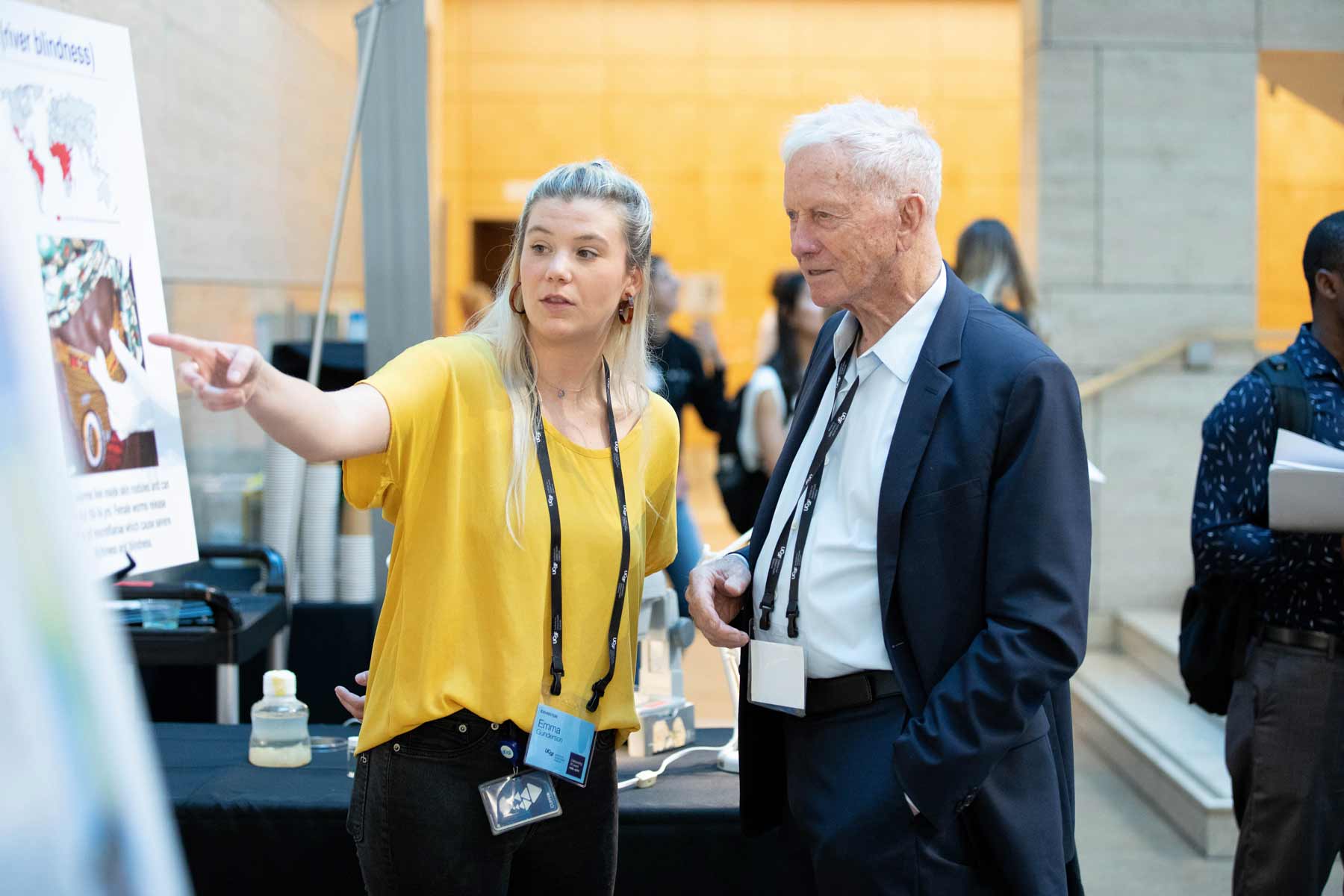
UCSF Community Mourns the Loss of William J. Rutter (1927 – 2025)
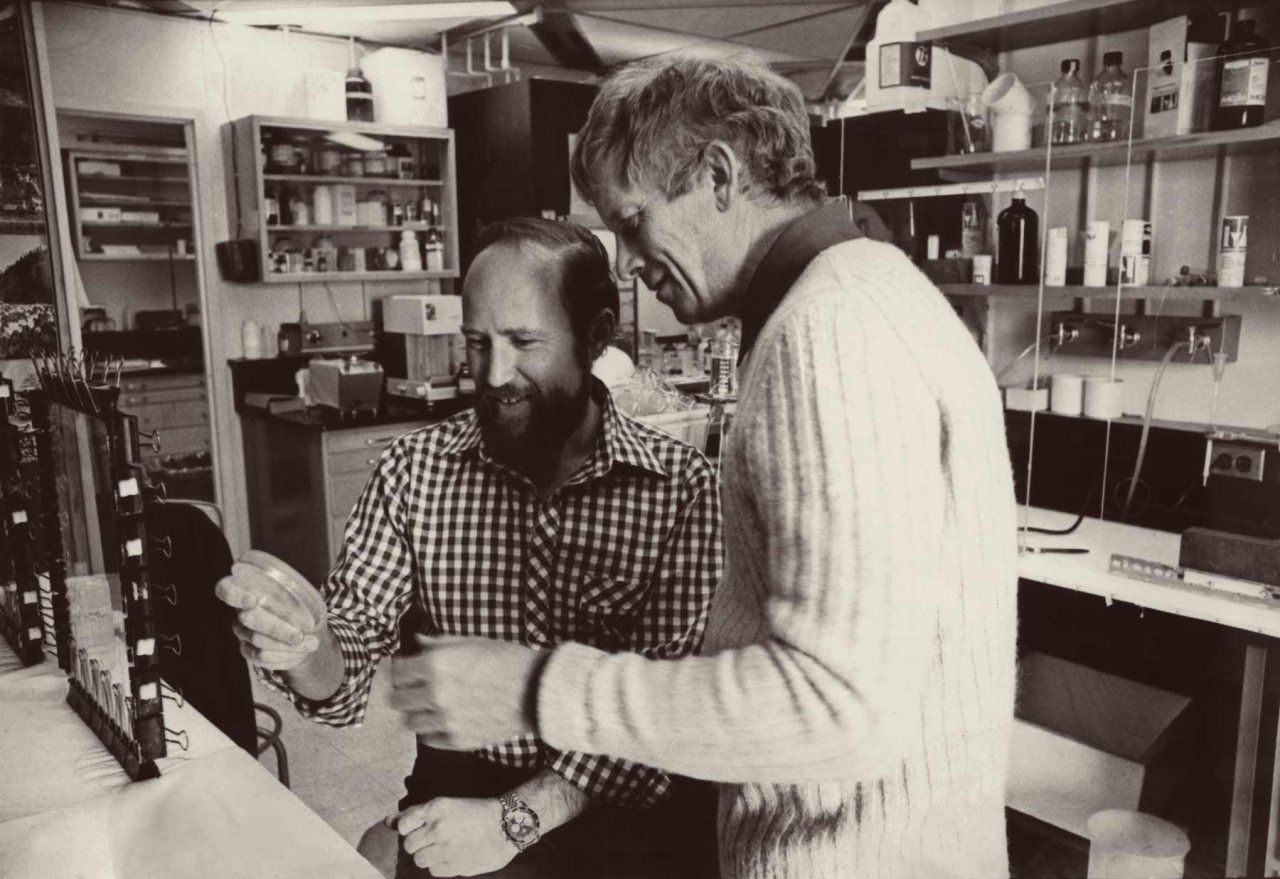
The UC San Francisco community is saddened at the passing of former UCSF faculty member William Rutter, PhD, whose collaborative and interdisciplinary research style helped guide the growth and quality of the basic science enterprise at UCSF. He helped bridge the gap between academia and industry and build UCSF into a biomolecular research powerhouse.
“Dr. Rutter pioneered UCSF’s unique approach to innovation, collaboration, and engagement with our community,” UCSF Chancellor Sam Hawgood, MBBS, noted. “He was a strategic leader and a program builder who laid the foundation for UCSF becoming a scientific powerhouse.”
An eminent American biochemist
Rutter earned a BS in biochemistry from Harvard University in 1949 and then began his career in basic science research. He went on to earn an MS from the University of Utah in 1950 and a PhD in biochemistry at the University of Illinois in 1952. While a faculty member in the department of chemistry at the University of Illinois, his studies focused on the regulation of RNA transcription and launched his interest in biological problems.
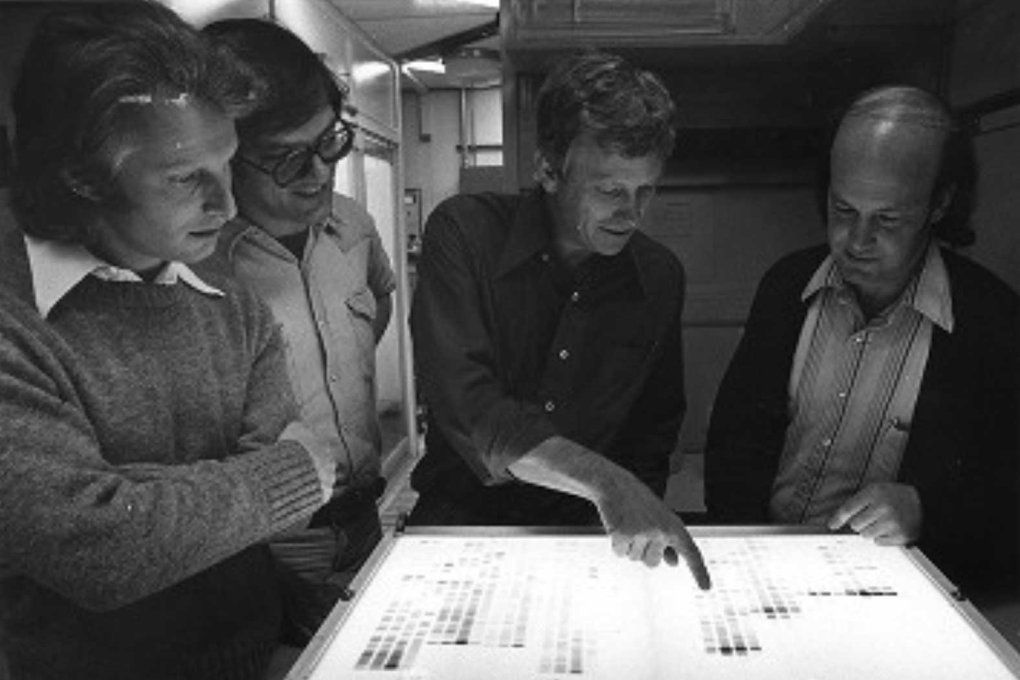
In 1968, UCSF successfully recruited him from the University of Washington to lead a new department of Biochemistry and Biophysics. During his tenure, he played a key role in UCSF’s rise to prominence in biomolecular science and created a new model for science at UCSF: small laboratories with elite scientists conducting highly interactive research. Along with Vice Chair Gordon Tomkins, he brought several key researchers to UCSF and helped establish the university as a leader in the field. This collaborative group of scientists helped create the techniques of genetic engineering that catalyzed the biotechnology industry and was integral in developing recombinant DNA technology. Rutter was keenly aware of the possibility that any progress in the department’s labs might be quickly applied to human disease, since UCSF’s basic science programs were housed in a medical school, and he is widely credited with transforming UCSF into an internationally prominent center of far-reaching science.
“Bill Rutter was an incredible scientist and visionary leader — he transformed basic science at UCSF into an intellectual force recognized throughout the world, all while launching careers, companies, and making impactful discoveries that improve human health,” said Joe DeRisi, PhD, President of Chan Zuckerberg Biohub San Francisco, Director of the Sandler Program for Breakthrough Biomedical Research, and the Gordon M. Tomkins Professor. “His wisdom and friendship will be dearly missed.”
In 1982, Rutter was named director of the UCSF Hormone Research Institute, one of UCSF’s independent research units, and served in that role until 1989. He retired from UCSF in 1991 but retained the title of Herzstein Professor of Biochemistry Emeritus. During his tenure at UCSF, he and his colleagues published more than 380 scientific articles, and he held more than 25 patents. In addition to many honors, he was elected to the National Academy of Sciences in 1984 and the American Academy of Arts and Sciences in 1987. And in recognition of his contributions to the university and to the field of health sciences, Rutter was awarded the UCSF Medal in 1996.
“No other single individual played a more pivotal role in guiding the future of the institution,” Holly Smith, MD, his colleague and former chair of medicine and associate dean, noted before his passing in 2018, “in part, because of the importance of the position that he occupied as chair, but more particularly because of his vision, vigor, and leadership of the whole of UCSF’s basic science community.”
Additional career milestones
Rutter was still at UCSF when he cofounded Chiron Corporation in 1981 to explore the business applications of and potential solutions to the problems of human disease. The pioneering biotechnology firm developed the first recombinant vaccine (for Hepatitis B), completed the first sequencing of the HIV genome in 1984, and was responsible for the discovery, sequencing, and cloning of the Hepatitis C virus in 1987. Rutter joined the staff at Chiron full-time following his tenure at the Hormone Research Institute, and then founded Synergenics, LLC, a consortium of independent biotech companies, in 1999.
He received the Heinz Award for Technology and the Economy in 1996 “for his role in helping to create the biotechnology industry and for his interest in shaping the industry to serve society.”
Rutter also received the Chemical Heritage Foundation’s Biotechnology Heritage Award in 2003 “for his significant contributions to vaccination and genome research as well as his tireless work in the field of biotechnology in general.” And in 2004, he was inducted into the Bay Area Business Hall of Fame.
UCSF philanthropy
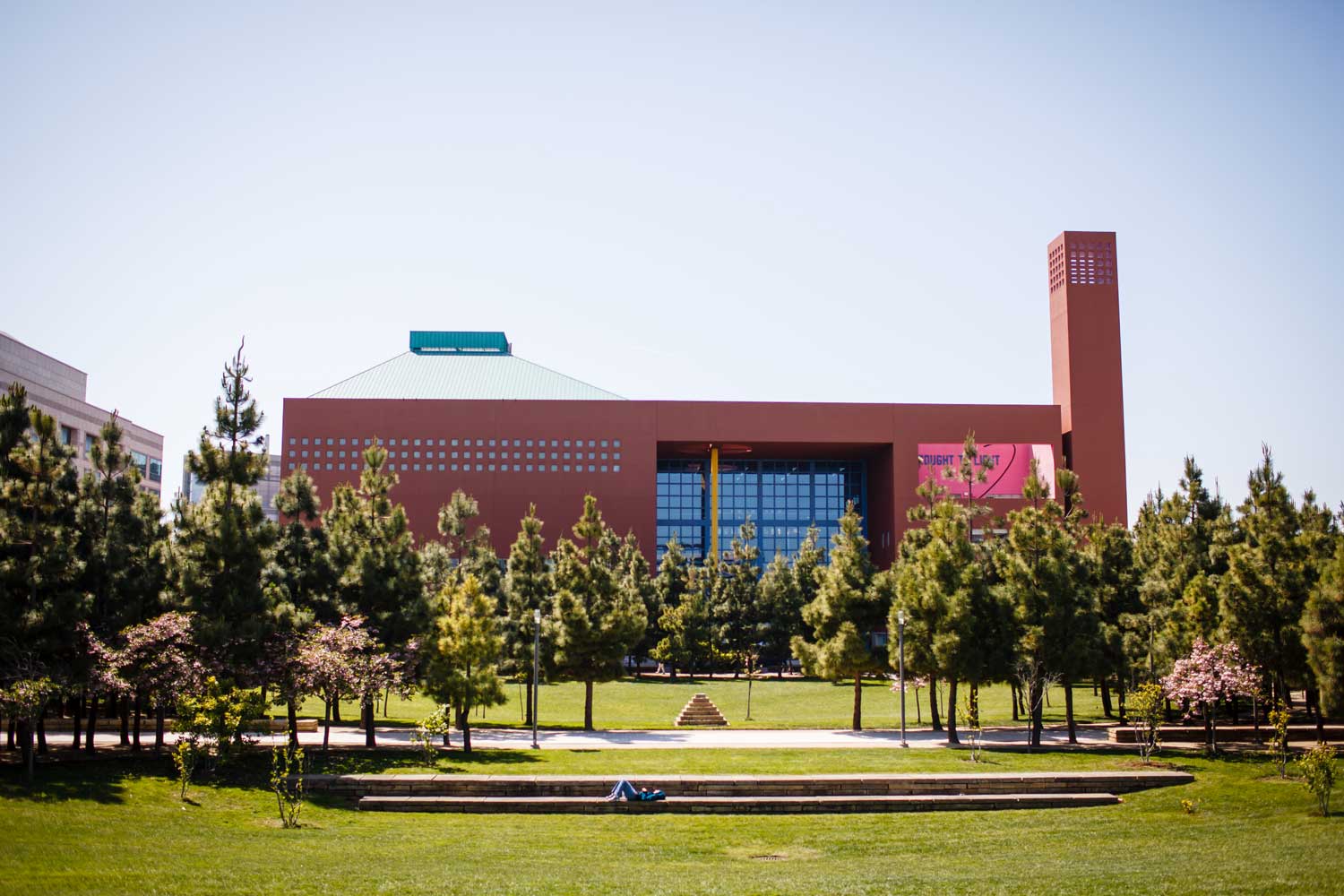
Even after his retirement, Rutter retained strong ties to the university and remained a staunch advocate until his passing. He was an active member of the Bay Area Life Science Alliance (BALSA) and played a pivotal role by serving as chair of the fundraising campaign for UCSF Mission Bay. He was a member of the QB3 Advisory Board, the Global Health Sciences Leadership Council, and the Chancellor’s Advisory Board. He also established the Rutter Foundation and the California Foundation for Molecular Biology, through which he made numerous donations to UCSF. And in 2007, the community center on the UCSF Mission Bay campus, which was designed to foster industry interactions with the campus, was named the William J. Rutter Center in his honor.
Over the past few decades, he provided tremendous support to help establish several professorships to honor his former colleagues, notably Gordon M. Tomkins (Gordon M. Tomkins Chair, currently held by Joseph DeRisi, PhD); Lloyd “Holly” Smith (Holly Smith Distinguished Professorship in Science and Medicine at the UCSF School of Medicine; currently held by Bob Wachter, MD); the Chancellor’s Leadership Chair in Biochemistry and Biophysics for Science and Education (currently held by Bruce M. Alberts, PhD); Haile Debas (Haile T. Debas Distinguished Professorship in Global Health Sciences; currently held by Payam Nahid, MD, MPH); and William Grossman, MD (William Grossman Distinguished Professorship, currently held by Javid Moslehi, MD). He was also a lead donor for the Holly Smith, MD, Gateway in the central lobby of the Clinical Sciences Building to honor his longtime friend.
He was a tremendous supporter of UCSF and all areas of our mission. His vision, intellect, and energy will be missed.