It’s Not Just Fat, a Yo-Yo Diet Means Losing Healthy Muscle Too
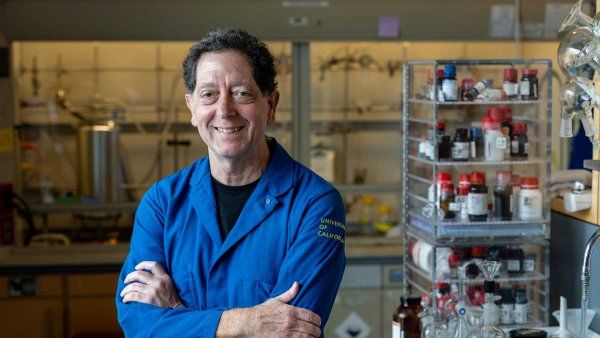
Analyzing MRI scans, UCSF radiologist Thomas Link showed that people whose weight fluctuates lose not only fat but muscle. Could have implications for people who go on and off GLP-1s.
University of California San Francisco
Give to UCSFAnalyzing MRI scans, UCSF radiologist Thomas Link showed that people whose weight fluctuates lose not only fat but muscle. Could have implications for people who go on and off GLP-1s.
Saxitoxin, a neurotoxin released in algal blooms, has killed many people on the West Coast who've gathered shellfish that were exposed to it. The poison has also been developed as a chemical weapon. There is no antidote, yet — but it does exist.
San Francisco, CA (July 15, 2026) – Today, UCSF Health, Kleiner Perkins and Doerr Capital announced UCSF Health Converge, a new health AI accelerator that brings select companies together with
UCSF Health today announced a $170,000 investment in start-up funding to partner with Foothill College to develop a new two-year Neurodiagnostic Technologist (NDT) program. This landmark initiative
Breast cancer is known to disproportionately affect Asian American women who never smoked. Now, a new study documents a new breast cancer trend.
A study will test new drugs for early disease in an effort to prevent the buildup of toxic tau tangles that lead to cognitive decline.
UCSF experts explain menopause symptoms, hormone replacement therapy (HRT), benefits, risks, and new guidelines to help women make informed treatment decisions.
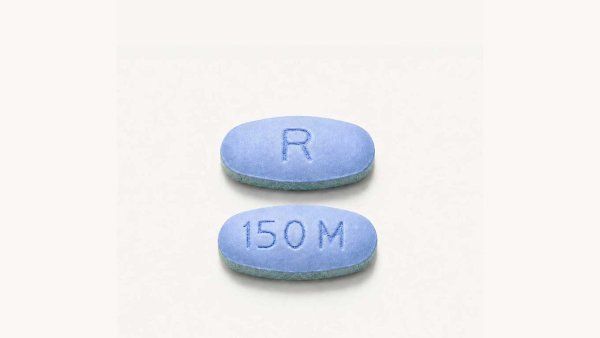
Researchers found that one in three men had minimal symptomatic benefits from tamsulosin, the most commonly prescribed medication for older men with a form of urinary tract infections, and suggest that they should be deprescribed of this medication.
UCSF researchers are using tiny "mini-organs" to model disease, personalize treatment, and understand human development. They are also addressing the limitations holding the field back: giving organoids a vascular system and making organoids reproducible.
UCSF and UC Berkeley have launched a joint program to develop the frontier of AI in biomedicine and accelerate advances in clinical care.
UCSF’s Dr. Pamela Ling explains why the FDA’s Zyn ruling risks a new generation of nicotine addiction, despite being marketed as a safer cigarette alternative.
A UCSF study followed Black kidney donors to see if they faced elevated risks for low kidney function, and found that many had a gene that meant it may be less safe in a small percentage.
Alcohol use disorder is a major cause of disease and premature death worldwide. For people with chronic liver disease (CLD), there is no safe level of alcohol consumption. Yet many patients with this
UCSF scientists discovered that a small change to a SARS-CoV-2 protein dictates whether the virus lives quietly in bats or causes disease in people. Understanding these changes could help scientists predict or prevent future pandemics.
Congenital heart disease is a condition primarily associated with infants and children, but that is changing. More adults than children now live with congenital heart disease (ACHD) in the U.S., an
UCSF expert Kristine Yaffe, MD, explores how targeting modifiable risk factors—like sleep and exercise—can actively protect your aging brain.
Roarke Kamber earns funding for research that directs the immune system’s “big eaters,” macrophages, to eat tumor cells.
UC San Francisco researchers have developed a new form of deep brain stimulation (DBS) that adjusts in real time as a person walks, helping to improve gait and reduce falls in people with Parkinson’s
See three examples of how food and lifestyle choices — from plant-based eating to ketogenic diets — help slow cancer progression, improve survival, and make some existing cancer treatments more effective.
Researchers at UCSF developed a new way to build clinical prediction tools that combines the speed of artificial intelligence with the judgment of human experts.
A new UCSF study looks at the real reasons women with HIV are dying earlier than people without HIV, and finds these leading causes are largely missing from official death records.
A UCSF team developed an automated system for seeing and understanding persister cells, the tumor cells that survive cancer treatment and regrow tumors.
Ethan Winkler, who studies aneurysms, discovered a dynamic between cells in the brain's blood vessels that explains why aneurysms burst. The findings describe a "life cycle" of an aneurysm and will likely change how physicians assess the risk for rupture and opportunities for personalizing treatment.
A new study of more than 16,000 people who sought help from a nationwide abortion and miscarriage hotline found demand for confidential clinical support surged both before and after the U.S. Supreme Court decision that overturned federal abortion protections.
A study looked at how ultraprocessed foods (UPFs), like Lunchables, are designed—and why they may lead to overeating and weight gain. Using internal company documents, the study showed that Lunchables were influenced by strategies from the tobacco industry, specifically Philip Morris, which once owned Kraft.