One Dose of Psilocybin Changes the Human Brain
A large team of scientists, found that a single dose of psilocybin created positive changes in the brain and well-being, one hour and one month after administration.
University of California San Francisco
Give to UCSFA large team of scientists, found that a single dose of psilocybin created positive changes in the brain and well-being, one hour and one month after administration.
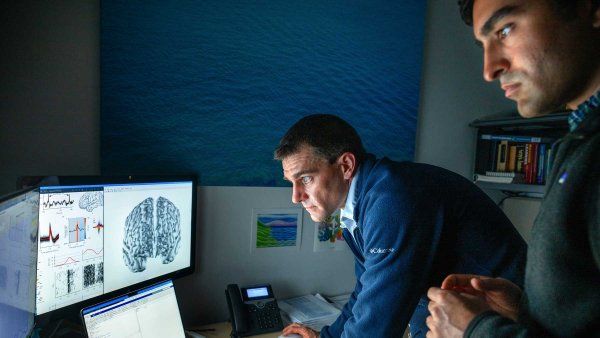
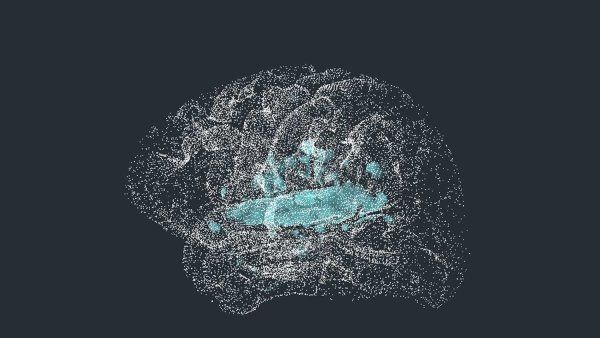
Epilepsy physicians Jon Kleen and Eddie Chang used high-resolution technology to see how cognition is disrupted in people with epilepsy and predict when it will occur. The new view points the way to being able to fend of these disruptions.
UCSF's Cherry Leung, associate professor of community health systems with the UC San Francisco School of Nursing, researches the gut-brain axis as a potential adjunct therapy for improving adolescent mental health.
Ten UCSF graduate students presented their research in accessible, 3-minute talks at the 2026 Grad Slam event. This year’s first-place talk was by Brandon Corteau on how HER2 and HER3 can become a toxic power couple when paired together, and lead to the development of breast cancer.
Researchers discover that the nerve cells that make us uniquely human are also uniquely vulnerable to dying during the waves of inflammation that occur in multiple sclerosis.
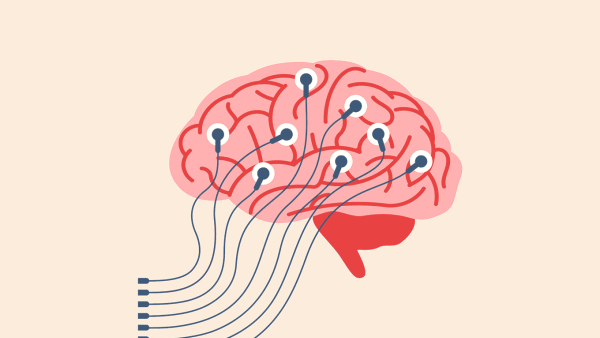
UCSF researcher Daniel Mathalon, MD, PhD, believes that burgeoning knowledge about biomarkers — biological measures of a medical condition that also serve as markers of treatment effectiveness — could help intercept schizophrenia.
Tau proteins play an important role in our normal brain function, mainly by helping to stabilize neurons in the brain. But in Alzheimer’s disease, tau proteins can misfold and tangle inside neurons.
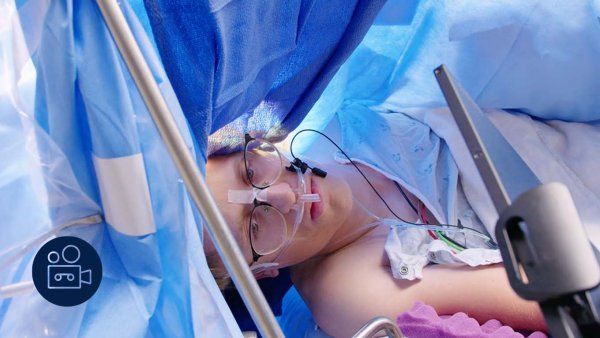
For years, scientists have studied how the brain controls movement by asking patients to perform structured tasks while connected to multiple sensors in a lab. While these studies have provided
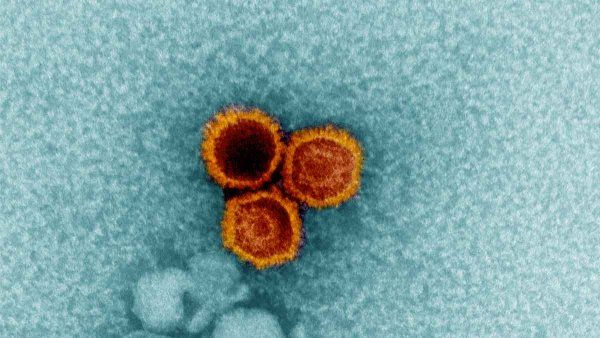
A study from UCSF shows a previously unknown connection between the Epstein-Barr virus, known to play a role in MS, and an understudied type of immune cell.
Researchers found a "garbage man" enzyme that tags toxic clumps of proteins in the brain for removal, and saw a correlation with resilience against dementia.
In the last few years, progress has been made in the fight against Alzheimer’s disease with a class of therapies called anti-amyloid antibodies (anti-Aβ). These monoclonal anti-Aβs are proteins made
Matthew Growdon's study finds "prescription cascades" where drug side effects lead to unnecessary second prescriptions, causing further harm and costly hospitalizations.
Scientists have thought that when we hear language, the brain processes it the same way, whether it's familiar or foreign. A new study reveals that exposure to a language changes how certain clusters of neurons respond to the familiar sounds. From those changes, we develop the understanding of syllables, words, and syntax.
UCSF researchers used AI to personalize Deep Brain Stimulation (DBS) for Parkinson's gait problems, leading to meaningful, customized improvements in walking and mobility—a major breakthrough for patients.
Neurologist Dr. Ptacek explains how "falling back" disrupts the 24-hour circadian clock, affecting mood and performance, with mitigation tips.
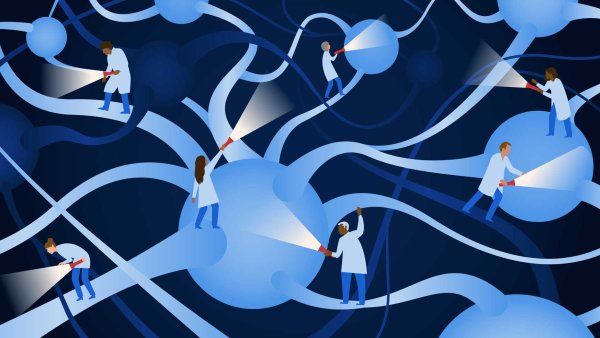
Martin Kampmann’s work, supported by the National Institutes of Health (NIH), maps cellular “decision points” that determine whether brain cells survive or die, laying the groundwork for treatments that intervene before irreversible brain damage occurs from dementia.
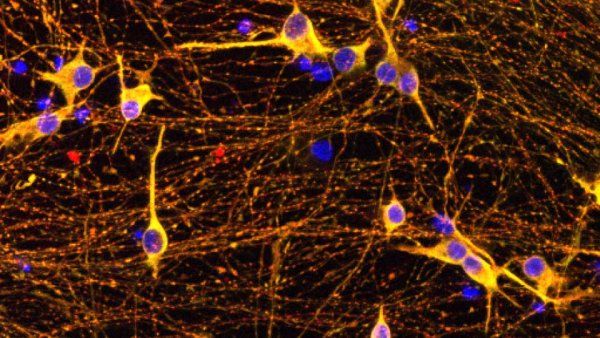
Image In the human brain, neurofilament light chain (NfL, shown in brown) is seen in brain cells and the neural wires that connect them. UCSF
UCSF radiation oncologist David Raleigh, MD, PhD, studies the link between brain tumors and injectable birth control.
Generalized anxiety disorder affects 1 in 20 U.S. adults. Those with serious symptoms may isolate themselves to the point that they rarely leave their home.
Vikram Rao, director of the UCSF Epilepsy Center, discusses why a third of seizure patients don’t respond to medication and the promising new surgical and technological treatments available.
UCSF scientists discovered that an overlooked cell type in the brain plays a central role in healing traumatic brain injury. Understanding how it does this will lead to treatments for injuries that currently have only minimal interventions.
A study screened dyes found in textiles and in the laser industry that can be used in imaging for preclinical studies to diagnose and differentiate between neurodegenerative diseases. Currently, dyes used in mouse studies cannot distinguish between different types of dementia.
UCSF looks back on four ways it pioneered deep brain stimulation with the help of federal funding, helping patients with Parkinson’s Disease, chronic pain, depression, and more.
Scientists discover a protein that gets concentrated in the brain during aging, leading brain connections to wither and cognitive decline to accelerate - and a way to counter its effects.