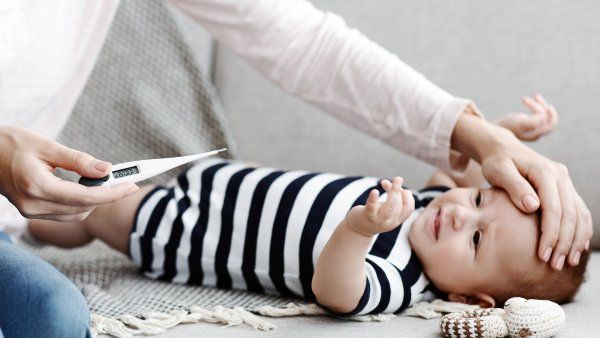
For Newborns with Fever, New Guideline Offers Clarity to Pediatricians, Parents
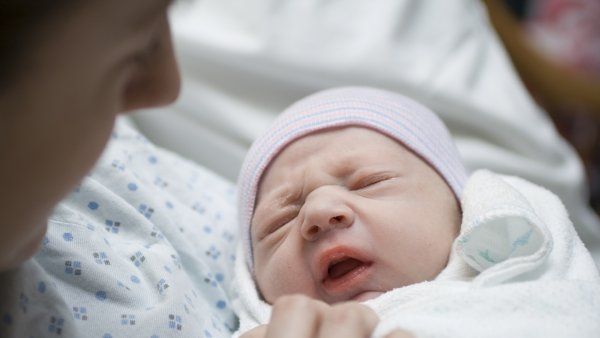
A new guideline from the American Academy of Pediatrics offers dome clarity around diagnosing and treating newborns with a fever.
University of California San Francisco
Give to UCSF
A new guideline from the American Academy of Pediatrics offers dome clarity around diagnosing and treating newborns with a fever.
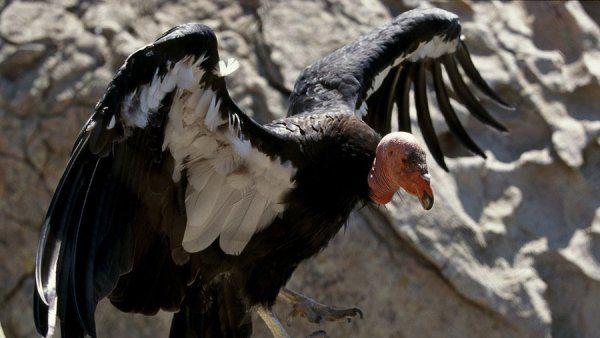
A team of researchers at UCSF have recently sequenced the condor genome, shining light on the species’ history and opening the door to a better understanding of genomics in small populations, for the benefit of both condors and humans.
Individuals who contract COVID-19 while pregnant face a higher risk of having a very preterm birth, as well as any preterm birth.
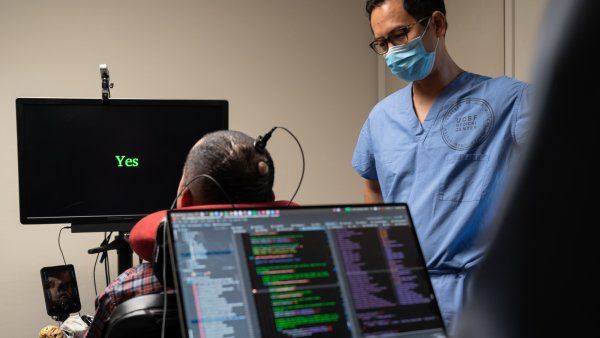
Following groundbreaking work on a “speech neuroprosthesis” that enabled a paralyzed man to communicate using his brain signals, the lab team answered public questions about brain-computer interfaces and the limitations of translating brain signals into code.
We spoke to UCSF virologist Nadia Roan, PhD, about the latest developments in our knowledge of the Delta variant, including how the new variant spreads so efficiently, whether it causes more serious illness, and why she thinks vaccines will hold the line.

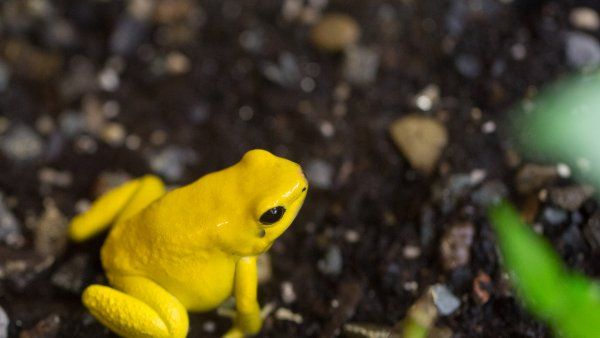
A team of researchers at have uncovered some intriguing clues in the mystery of how some poison birds and frogs evade their own toxins.
UCSF is responding to an increase in the number of community-acquired COVID-19 cases among its employees and learners.

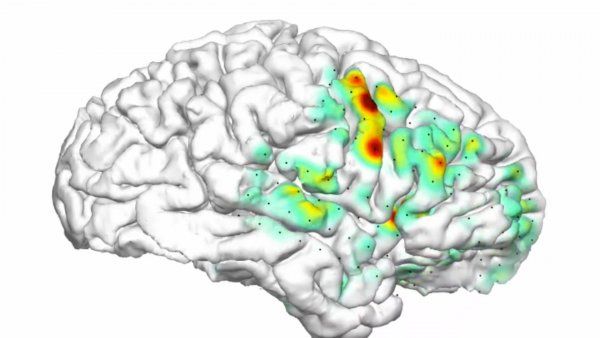
UCSF researchers developed a program that translates the hundreds of EEG traces into a 3-D movie showing activity in all recorded locations in the brain. The result is a multicolored 3-D heat map that looks very much like a meteorologist’s hurricane weather map.
UCSF researchers have leveraged two new molecules, one of which is currently in clinical oncology trials, to devise a dual-drug therapy for alcohol use disorder (AUD), without the side effects or complications associated with current treatment regimens.

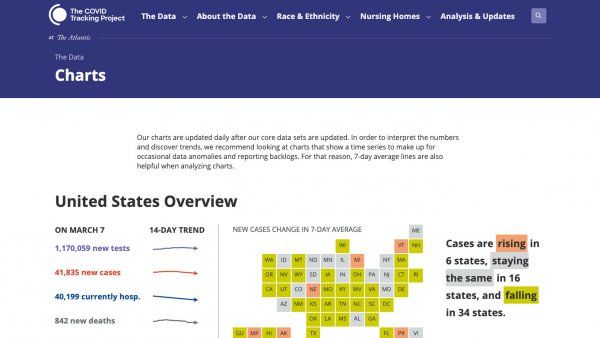
UCSF and The Atlantic have announced that the crowdsourced digital archive documenting the face of the pandemic in the United States will become part of the University’s permanent library collection and is accessible to researchers and the public.
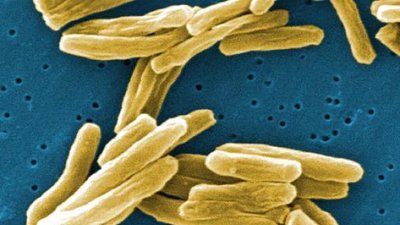
UCSF researchers in collaboration with the Centers for Disease Control’s Tuberculosis Trials Consortium and the AIDS Clinical Trials Group published a landmark study that demonstrated a new four-month treatment regimen for tuberculosis was safe and as efficacious as the standard six-month therapy.
UCSF Medical Center has been recognized as the nation’s best hospital for neurology and neurosurgery, and among the country’s premier medical centers overall, in the 2021-22 Best Hospitals survey by U.S. News & World Report.
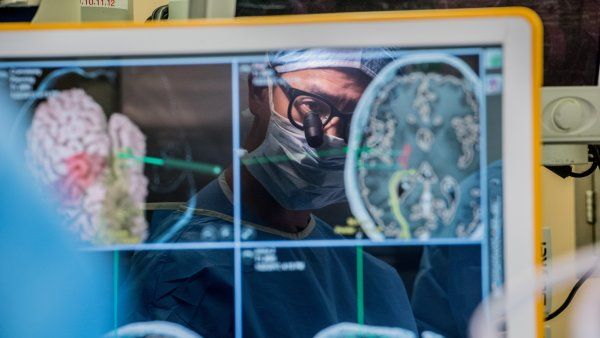
The proportion of seniors who had prescriptions for opioids and anti-anxiety medications and sedatives correlated with their degree of loneliness, according to the study.

Scientists at UCSF and Makerere University in Kampala, Uganda have developed an intervention that makes use of a portable laboratory testing technology to help HIV providers order, process, and receive HIV viral load results quickly, and shorten the time it takes for patients to get their results.
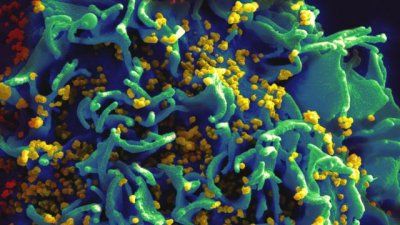
Researchers found that among the patients in a vegetative state, 1 in 4 “regained orientation” – meaning they knew who they were, their location and the date – within 12 months of their injury.
A UCSF task force has been formed to recommend a publicly accessible, permanent site for New Deal-era murals that will be carefully removed from a seismically vulnerable building on its Parnassus Heights campus.

In the largest study of its kind, an investigation by UCSF researchers has found no evidence that moderate coffee consumption can cause cardiac arrhythmia.

CT scans for patients with concussion provide critical information about their risk for long-term impairment and potential to make a complete recovery – findings that underscore the need for physician follow-up.
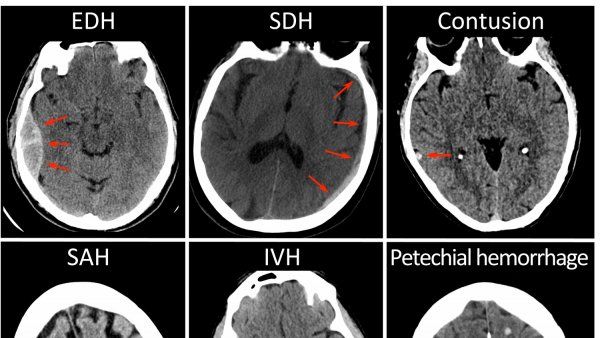
Working in mice, UCSF researchers have found that a recently discovered subset of cells in the immune system may prevent the mother’s immune system from attacking the placenta and fetus.
A UCSF study has found that the antibiotic azithromycin was no more effective than a placebo in preventing symptoms of COVID-19 among non-hospitalized patients, and may increase their chance of hospitalization, despite widespread prescription of the antibiotic for the disease.

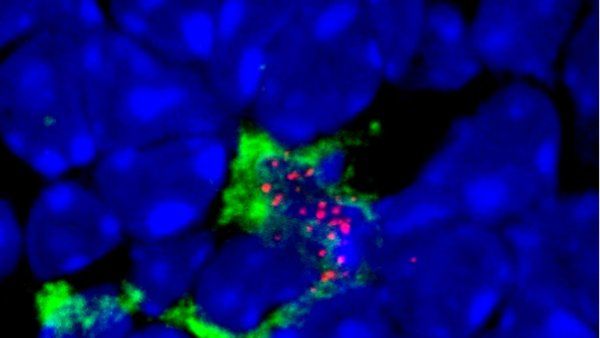
Messenger RNA vaccines against COVID-19 were not detected in human milk, according to a small study by UCSF, providing early evidence that the vaccine mRNA is not transferred to the infant.
In a promising pairing of science and art, UC San Francisco – one of the world’s premier health science universities – has hired two renowned firms, HGA and Snøhetta, to design a new Research and Academic Building on UCSF’s Parnassus Heights Campus.

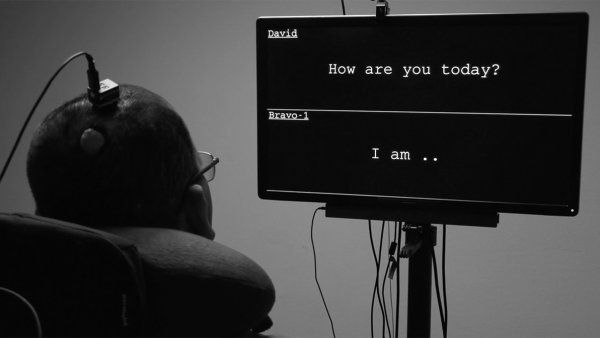
Researchers at UC San Francisco have successfully developed a “speech neuroprosthesis” that has enabled a man with severe paralysis to communicate in sentences, translating signals from his brain to the vocal tract directly into words that appear as text on a screen.
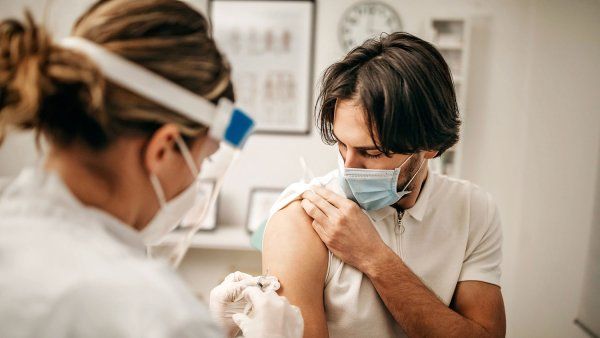
A study by UCSF researchers found that about one in four unvaccinated people aged 18 to 25 said that they “probably will not” or “definitely will not” get the COVID-19 vaccination.
UCSF, Johns Hopkins Medicine, and collaborators across the country have created a national guideline on educational priorities on firearm injury prevention for health professionals.