Blood Test May Reduce Risk of Disability in Kids
An experimental blood test that reflects injury to nerve cells from multiple sclerosis (MS) was found to work for children with MS and other neurological conditions, even when they are symptom-free.
University of California San Francisco
Give to UCSF
An experimental blood test that reflects injury to nerve cells from multiple sclerosis (MS) was found to work for children with MS and other neurological conditions, even when they are symptom-free.
A new clinic will match Black babies with Black healthcare providers to improve outcomes for both moms and kids.
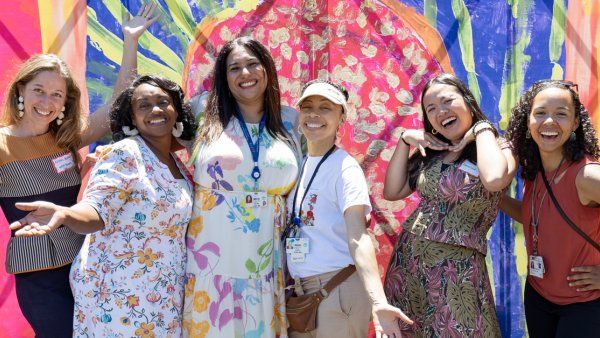
The UCSF Stad Center for Pediatric Pain, Palliative & Integrative Medicine treats young patients holistically by combining state-of-the art Western medicine with integrative medicine like acupuncture and hypnosis. The center is expanding with a new clinic in Walnut Creek.
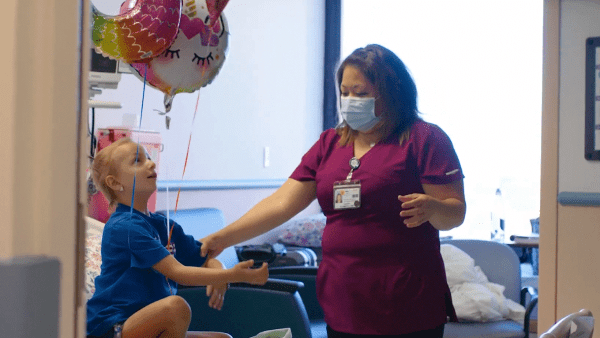
With the help of a $33.7 million state grant, the San Francisco Department of Public Health (SFDPH) and ZSFG plan to introduce new inpatient and outpatient mental health services for San Francisco youth.

UCSF Benioff Children’s Hospital Oakland has debuted a new installation called The Grove by local artist Walter Hood. The piece is the first of several community art installations that are part of ongoing upgrades and expansions to the hospital.

UCSF Benioff Children’s Hospitals are recognized among the nation’s best pediatric medical centers in all 10 specialties assessed in U.S. News & World Report’s Best Children’s Hospitals 2023-24.
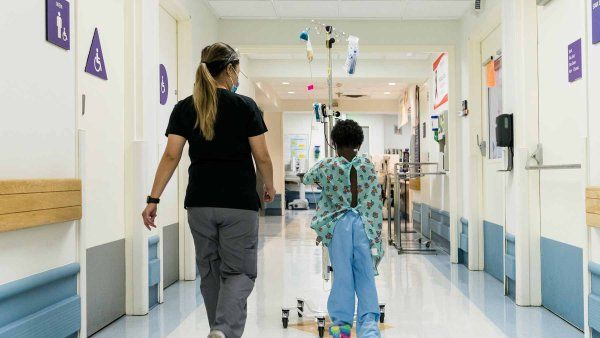
A new study shows that newborn screening for SCID is the only factor that actually boosts survival rates.
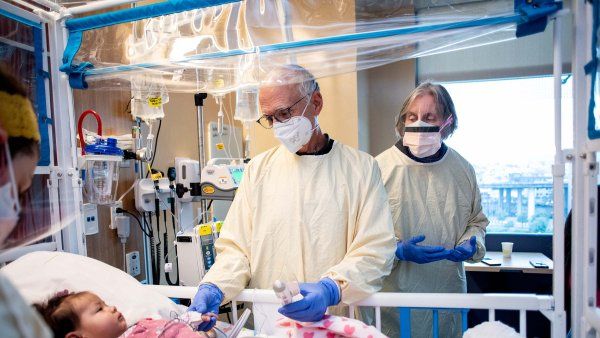
In a breakthrough, “HT” became the first person in the world to receive gene-corrected stem cells for Artemis-SCID.
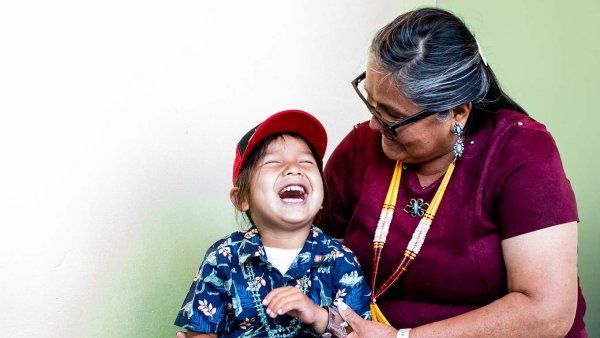
Tippi MacKenzie is leading grounbreaking clinical trials of therapies aimed at stopping fetuses from developing devastating disorders.
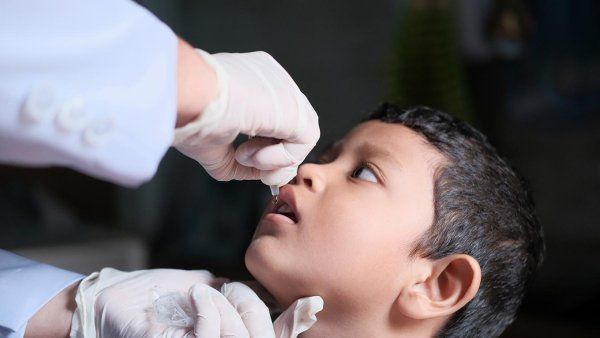
Two new oral polio vaccines will help limit the amount of new polio strains and outbreaks by genetically engineering weakened polio virus in the oral vaccine to reduce reversion to dangerous forms.
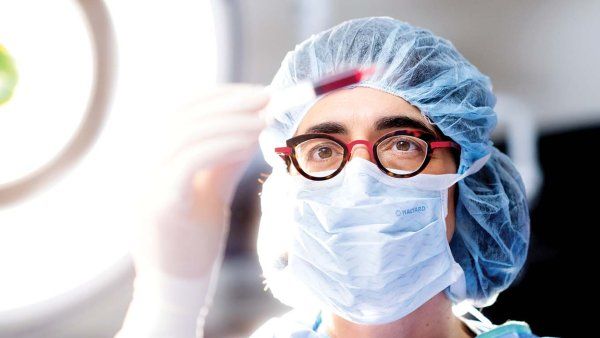
UCSF researchers developed an approach to measure an over-the-counter allergy medication’s effectiveness in repairing brain damage from multiple sclerosis (MS), making it possible to also assess future therapies for the disorder.
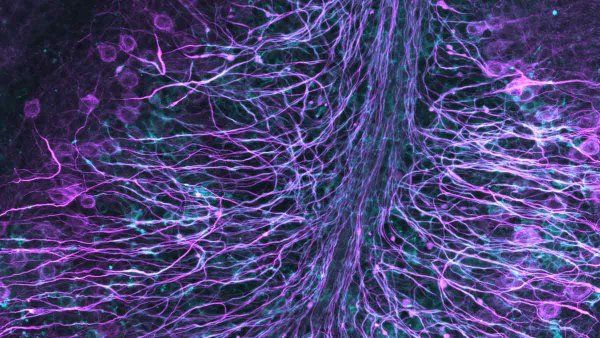
As mental health needs rise in California, the UCSF Child & Adolescent Psychiatry Portal (CAPP) helps educate and train primary care physicians and pediatrics to provide support to patients with psychiatric needs.

UCSF Benioff Oakland’s pediatric Sleep Lab has seen a rise in sleep apnea cases in children, emphasizing the need for diagnosis and treatment of sleep disorders in kids to prevent long-term health complications. The clinic offers state-of-the-art technology for observing and treating sleep disorders, benefiting both children and their parents by improving overall health and well-being.
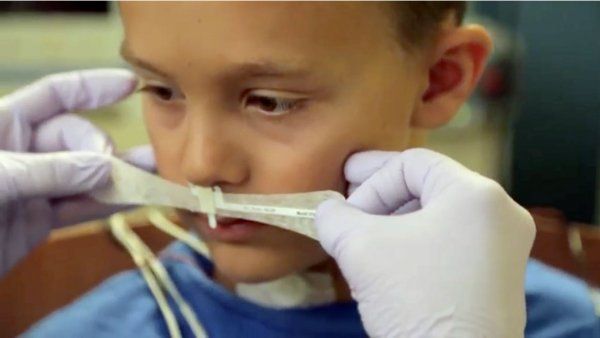
School-based clinics in Oakland provide comprehensive primary and mental health care to underserved students. Staffed by UCSF Benioff Children's Hospital Oakland, these clinics offer services from medical checkups to therapy, benefiting students' overall well-being and academic success.
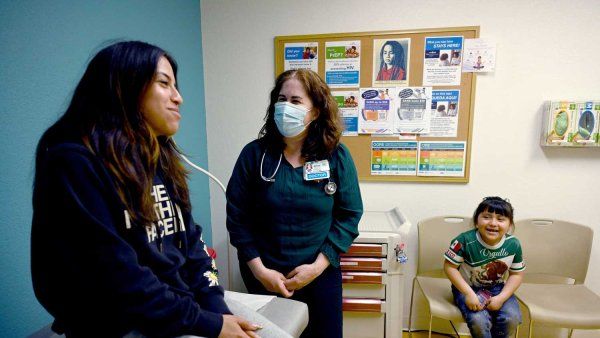
With the help of philanthropic support, UCSF Benioff Children’s Hospital Oakland opened a new behavioral health clinic for children.

From birth, Samantha has had four surgeries for heart disease. Her last surgery was aided by a 3D-printed replica of her heart, providing a detailed understanding of her heart’s anatomy. The surgery’s success allowed the now 15-year-old to lead a more normal life.
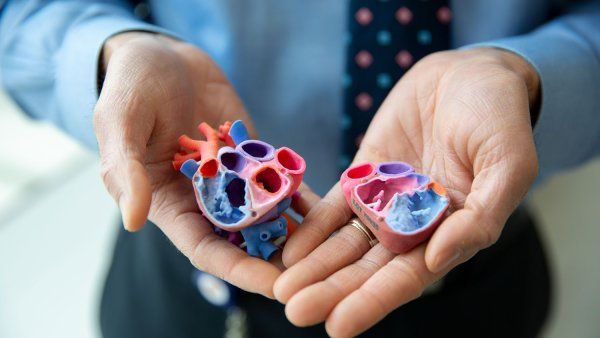
UCSF Pediatric Dentistry’s Autism Program approaches dental care for kids with autism by creating personalized plans that will expose them to each step of a visit to increase their tolerance.
A hepatitis outbreak in children occurred after COVID-19 lockdowns eased in 2022. Sudden exposure to a multitude of viruses upon reopening may have triggered this response in a small group of children.
Pregnant women have a lower risk of gestational diabetes and unhealthy weight gain in cities that tax sugary drinks, according to a first-of-its-kind study of more than 5 million women by UCSF.

What is “social prescribing” and what is UCSF doing to promote it? UCSF experts address the health ramifications of social isolation.
A higher-calorie nutrition plan isn’t more distressing for hospitalized teens and young adults with anorexia than a lower-calorie plan.

UCSF’s Jason Nagata advises that ingraining healthy screen habits in kids as early as possible can help decrease chances of suicidal behavior.
Oakland Promise’s Brilliant Baby program seeds $500 college funds for Medi-Cal-eligible babies, provides families with free financial coaching, and offers educational programming for caregivers.