Displaying 121 - 150 of 756
-
-
Zuckerberg Hospital to Boost Mental Health Services for Kids
With the help of a $33.7 million state grant, the San Francisco Department of Public Health (SFDPH) and ZSFG plan to introduce new inpatient and outpatient mental health services for San Francisco youth.

-
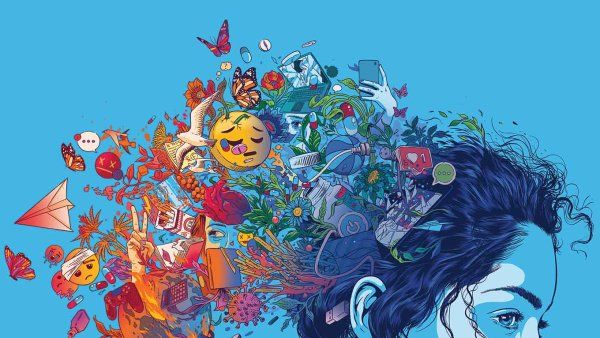
Can Neuroscience Help Stem the Tide of Teen Depression?
A new treatment approach draws on research into the unique teenage brain.
-
Oakland Initiative Expands Mental Health Care to California Youth
As mental health needs rise in California, the UCSF Child & Adolescent Psychiatry Portal (CAPP) helps educate and train primary care physicians and pediatrics to provide support to patients with psychiatric needs.

-
How Citywide’s ‘Magic’ Supports Clients with Serious Mental Illness
In partnership with UCSF, Citywide Case Management supports vulnerable residents with mental illness in San Francisco, providing integrated care and essential services to transform lives and create paths to recovery.

-
Night to Remember: UCSF Transforms Hospital Into Dazzling Prom for Teen Patients
-
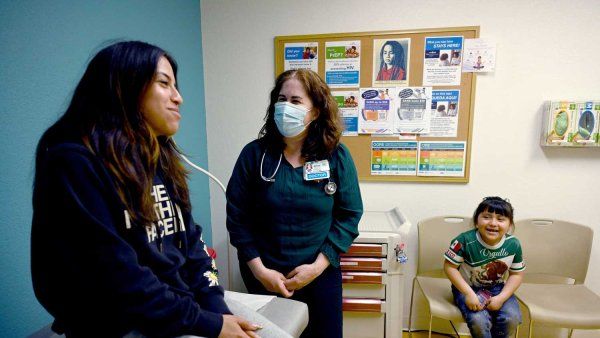
How School Health Clinics Help Students and Families Access Care
School-based clinics in Oakland provide comprehensive primary and mental health care to underserved students. Staffed by UCSF Benioff Children's Hospital Oakland, these clinics offer services from medical checkups to therapy, benefiting students' overall well-being and academic success.
-
New Pediatric Mental Health Building Expands Care for Kids
With the help of philanthropic support, UCSF Benioff Children’s Hospital Oakland opened a new behavioral health clinic for children.

-
Dark Moments on Golden Gate Bridge Led to Life Transforming Medical Procedure
-
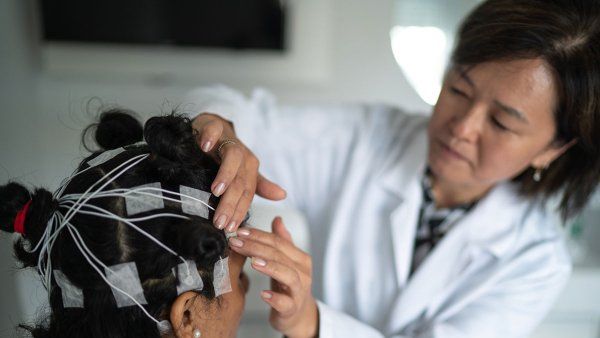
Sleep Phase Can Reduce Anxiety in People with PTSD
Sleep spindles, bursts of brain activity during NREM2 sleep, may regulate anxiety in PTSD, challenging recent studies. Non-invasive therapies could provide relief, such as prescription drugs or electrical brain stimulation. Sleep hygiene is also recommended to maximize the benefit of spindles after a stressful episode.
-
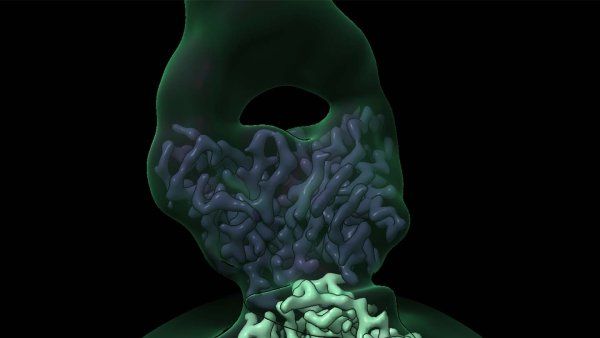
Ibogaine Inspires New Treatments for Addiction and Depression
A traditional African psychedelic plant medicine called ibogaine is the blueprint for two new drug candidates that could treat addiction and depression.
-
Body Dysmorphia in Boys and Men Can Fuel Muscle Obsession, Doctors Say
-
Bad Company: Is Too Much Alone Time Making You Sick?
What is “social prescribing” and what is UCSF doing to promote it? UCSF experts address the health ramifications of social isolation.

-
Being ‘Socially Frail’ Comes With Health Risks for Older Adults
-
For Anorexia Patients, Does Distress Rise with Higher Caloric Intake?
A higher-calorie nutrition plan isn’t more distressing for hospitalized teens and young adults with anorexia than a lower-calorie plan.

-
Screen Time Tied to Suicide Risk for Tweens – But Don’t Panic
UCSF’s Jason Nagata advises that ingraining healthy screen habits in kids as early as possible can help decrease chances of suicidal behavior.

-
Artist, Who Has Spent a Decade Working With Patients at UCSF Children’s Hospital, Receives Kindness Award
-
What Is Disordered Eating? And Why Do 20% Of the World’s Kids Show Signs of It? Experts Explain
-
Out of Adderall? Tips and Advice During an ADHD Medication Shortage
UCSF experts share insights and tips on supporting children with ADHD amidst a shortage of Adderall and other ADHD medications.

-
Do Sleep Medications Increase Your Chances of Dementia?
Sleep medications may increase risk of dementia for white people, though the type and amount of medication may also explain the higher probability.

-
Can You Bond Without the ‘Love Hormone’? These Cuddly Rodents Show It’s Possible
-
Fresh Questions About Oxytocin as the ‘Love Hormone’ Behind Pair Bonding
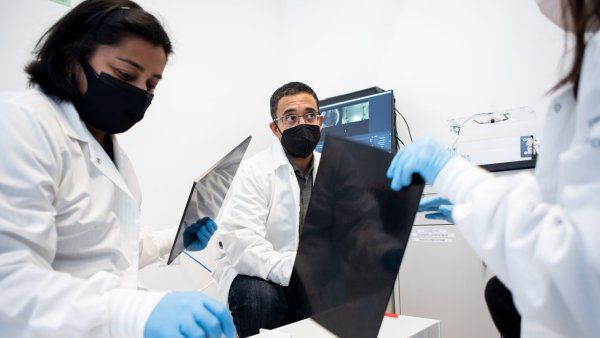
Results from a recent study on prairie voles show that oxytocin, sometimes referred to as the “love hormone,” might not be as significant to social bonding as previously thought.
-
How Can We Help Kids Cope with Anxiety about Climate Change?
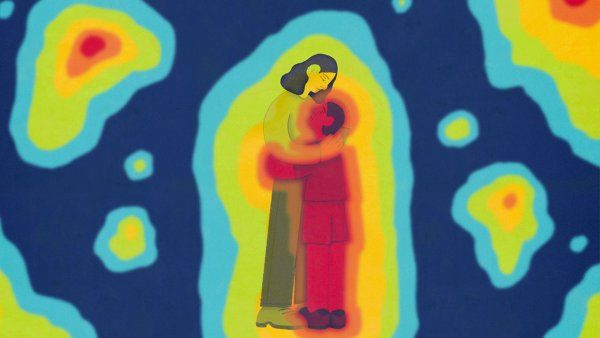
We spoke with Ellen Herbst, MD, a UCSF psychiatrist and mother of two, about how the climate crisis is impacting the mental health of children and adolescents – and what parents can do to help.
-
Big Little Lives
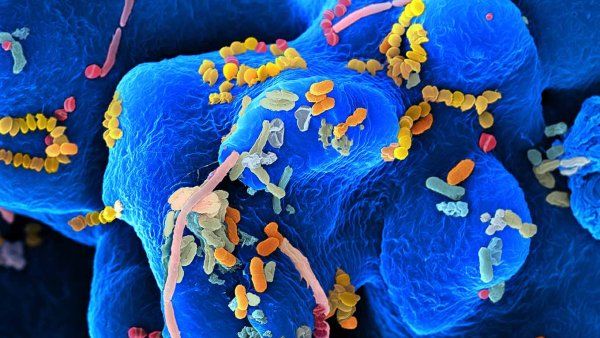
Trillions of invisible organisms make up the human microbiome. Now, medical scientists want to put these bugs to work.
-
Trip Therapy
Could psychedelics become mainstream medicines?

-
What We Know About Treating Extreme Grief With Psychedelics
-
Strategies To Implement New Year’s Resolutions on Improving Mental Health
-
Unique UCSF-city Internship Program Offers Paid Prep for Mental Health Careers
-
What is Anxiety?
-
Is Too Much Screen Time Bad for Kids? It’s Complicated
In a Q&A, UCSF’s Jason Nagata answers questions about the links between screen time and illnesses like OCD for children and teens.