Why Breathing Reduces Anxiety and Boosts Our Mood
A talk on how breathing affects our mood took first place at this year's Postdoc Slam event, which is held in celebration of National Postdoc Appreciation Week.

University of California San Francisco
Give to UCSF
A talk on how breathing affects our mood took first place at this year's Postdoc Slam event, which is held in celebration of National Postdoc Appreciation Week.
A clinical trial that will test three drugs concurrently, and could include more, represents new hope for patients with progressive supranuclear palsy (PSP), an incurable neurodegenerative disorder that usually kills within seven years after symptoms start.

A UCSF-created child-parent therapy for trauma in kids under age 5 was found to slow down biological aging, which is tied to health benefits later in life.

A study found that states with more comprehensive mental and behavioral health insurance policies and enforcement of those policies allows caregivers easier access to care for their children.

A Q&A with Margot Kushel, director of the UCSF Benioff Homelessness and Housing Initiative, in the wake of the Supreme Court decision that opens the door for cities and counties, including in California, to begin clearing homeless encampments and imposing penalties for violations.

A UCSF-created program for young kids with ADHD was adapted for classroom setting and now is in use in 40+ SFUSD schools, plus 19 schools in Mexico.

UCSF Medical Center has been ranked among the country’s best hospitals in adult care in U.S. News & World Report’s prestigious Best Hospitals survey.

Scientists have identified the biomarkers in progressive supranuclear palsy, a type of frontotemporal dementia, the most common dementia affecting people under 60.
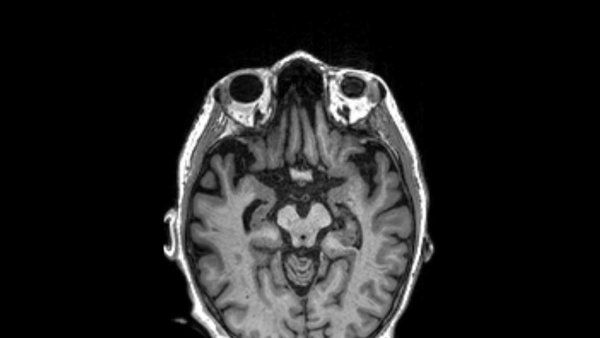
A study linked chronic inflammation in early adulthood to loss of cognitive skills in midlife. Chronic inflammation is caused by obesity, smoking, and poor health. Those with higher levels of inflammation were twice as likely to have poor cognitive performance than those with low inflammation.

The Wraparound Project works to reduce youth violence in San Francisco schools. It provides mentorship and links clients to essential risk-reduction resources.

Deep rest is best achieved in prolonged practices that relax the body and quiet the mind. But you can also combat stress within seconds by activating your parasympathetic nervous system. Here are a few approaches to making this biological shift quickly.

Perpetual stress runs us down. But a truly restorative state that alters our bodies at the cellular level can counter this deterioration.

Diabetes distress, the fears, worries and burdens associated with living with and managing diabetes, affects up to 75% of adults with Type 1 diabetes. The most effective way to reduce diabetes and improve glucose control is to focus on managing the emotional strain of living with the condition.

Recent research on screen use in children and teenagers examined the effects of screen time on sleep, nutrition, body mass index (BMI) and step count.
For tweens, restricting screens in bedrooms and at mealtimes and modeling healthy practices at home are parenting practices that work best to curb screen time and addictive screen behavior:

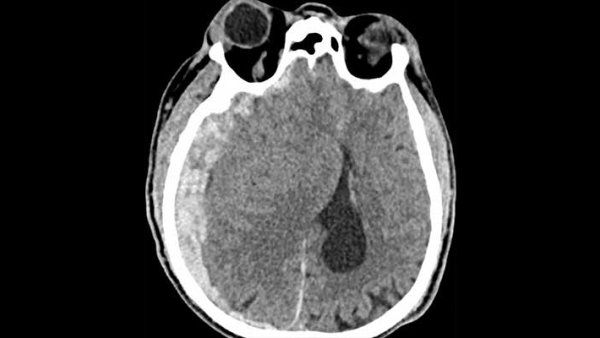
Traumatic brain injuries for people over age 65 can raise their risk for dementia, Parkinson's, cardiovascular and psych disease. Contrary to earlier research, the study found that healthy, wealthy white women are at higher risk.
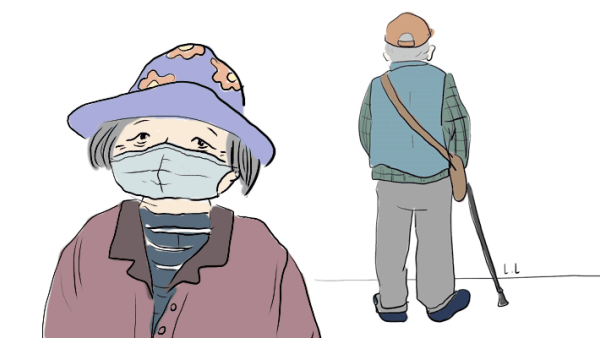
Anti-Asian hate may be fueling isolation and poorer health among elderly San Francisco residents.
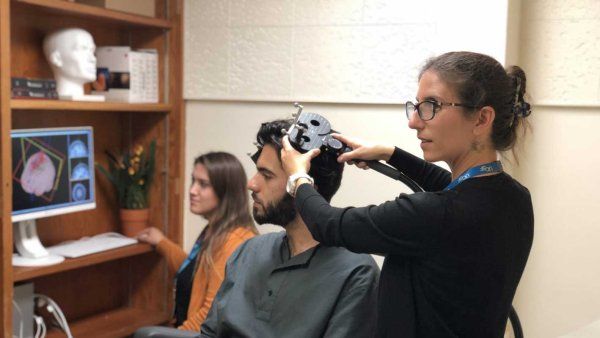
Transcranial magnetic stimulation (TMS) is a noninvasive in-office procedure. Brief magnetic pulses to the brain induces electrical currents that stimulate nerve cells in specific areas of the brain, providing symptom relief for patients with depression and OCD.
Faculty members Chase Anderson, MD, and Brittany Bryant, LCSW, help us understand what microaggressions are, what they look like, and what they mean for your mental health – and practical skills to deal with them, whether they’re directed at you or not.

People with dementia and those who care for them should be screened for loneliness, so providers can find ways to keep them socially connected.