Treating Anal Cancer Precursor Lesions Reduces Cancer Risk for People With HIV
A groundbreaking national study led by UCSF finds that treating anal cancer precursor lesions reduces cancer risk for people with HIV.
University of California San Francisco
Give to UCSFA groundbreaking national study led by UCSF finds that treating anal cancer precursor lesions reduces cancer risk for people with HIV.
Scientists at UCSF and Makerere University in Kampala, Uganda have developed an intervention that makes use of a portable laboratory testing technology to help HIV providers order, process, and receive HIV viral load results quickly, and shorten the time it takes for patients to get their results.
Individuals with HIV are more than twice as likely to die from sudden cardiac death (SCD) compared to the general population, and more likely to have hearts compromised by fibrosis, a factor that may play a role in increasing their susceptibility to SCD, according to new findings from a UCSF study.
This story is one in a series of first-person perspectives from those who are working on the frontlines to better understand, treat and prevent transmission of HIV and AIDS as well as COVID-19. You
This is one of the first-person perspectives from those who are working on the frontlines to better understand, treat and prevent transmission of HIV and AIDS as well as COVID-19.
This story is one in a series of first-person perspectives from those who are working on the frontlines to better understand, treat and prevent transmission of HIV and AIDS as well as COVID-19. You
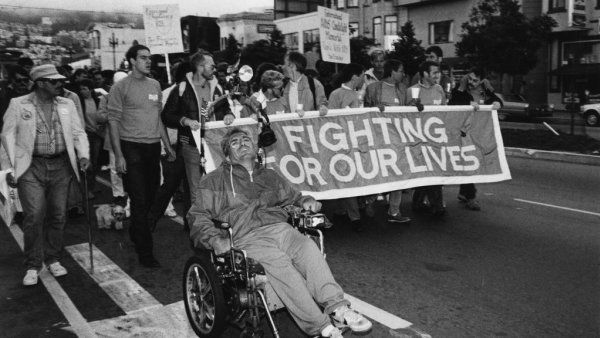
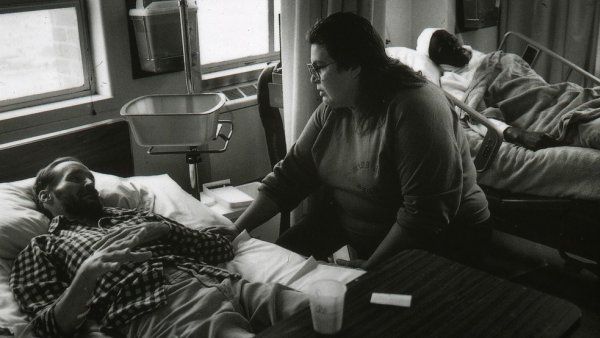
In 1981, a mysterious illness began overwhelming the San Francisco community. Since those early days of the epidemic, UCSF has steadfastly been at the forefront of patient care, research and community partnerships in the battle against HIV and AIDS.
This story is one in a series of first-person perspectives from those who are working on the frontlines to better understand, treat and prevent transmission of HIV and AIDS as well as COVID-19. You
Over the past four decades, UCSF has led the way in its heroic response to the AIDS epidemic, both locally and globally. This timeline covers some of the highlights at UCSF, in the nation and around the world after a mysterious disease affecting gay men was first reported on June 5, 1981.
There is a big, global problem: viruses such as HIV and COVID-19 mutate, but treatments for them don’t.
A look at past outbreaks offers guidance on bringing the current one to an end – and on thwarting the next one.
In 2020, as the world faces another new virus stoking fear and uncertainty, San Francisco may be uniquely up to the challenge. Strong ties between UCSF, local government agencies and community groups, forged in the fire of the AIDS epidemic, and a deep bench of infectious disease expertise, has helped the city flatten the curve and better understand this new disease.
Two UCSF faculty will lead the new institutes.
Infections that plagued the world for centuries (malaria, HIV/AIDS) are on the verge of eradication. Others threaten to disrupt human lives and economies more than ever before.
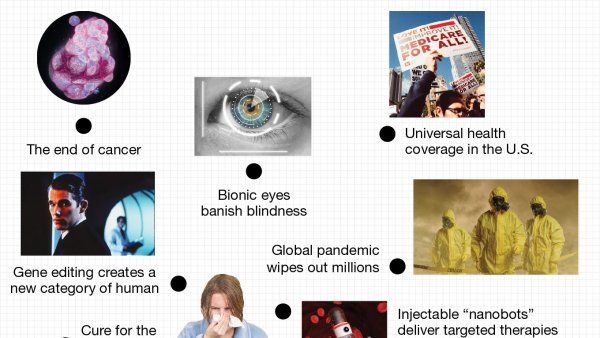
No one can see the future, but that won’t stop us from trying. We asked UCSF faculty and alumni to score these predictions for likelihood and impact.
From international awards for high-caliber research to groundswell movements for social change, this past year was an eventful one for the UCSF community.
HIV infection significantly increases the risk of atrial fibrillation.
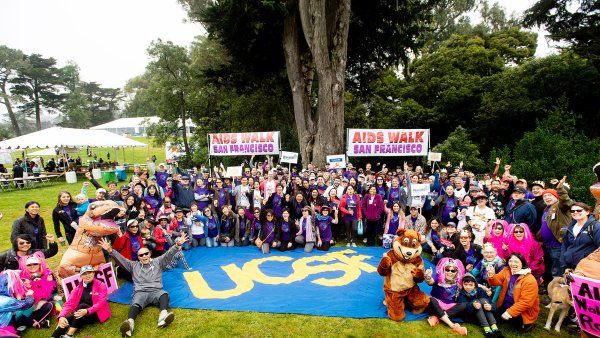
Several hundred UC San Francisco staff, faculty, students and supporters joined the annual San Francisco AIDS Walk on Sunday to raise money for local AIDS organizations as well as show their support
UCSF will be raising funds at this year’s AIDS Walk San Francisco. One of the beneficiaries will be Ward 86’s new POP-UP Clinic.