Alzheimer ‘Tau’ Protein Far Surpasses Amyloid in Predicting Toll on Brain Tissue
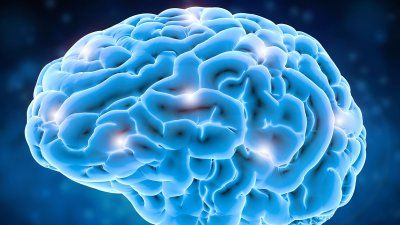
Brain imaging of pathological tau-protein reliably predicts the location of future brain atrophy in Alzheimer’s patients a year or more in advance.
University of California San Francisco
Give to UCSFBrain imaging of pathological tau-protein reliably predicts the location of future brain atrophy in Alzheimer’s patients a year or more in advance.
A drug that once helped obese adults lose weight, but was withdrawn from the market due to heart risks, may be safe and effective for children with a life-threatening seizure disorder called Dravet syndrome.
With a $106 million gift from the Weill Family Foundation, UC Berkeley, UC San Francisco, and the University of Washington have launched the Weill Neurohub to speed the development of new therapies for diseases and disorders that affect the brain and nervous system.
Adam L. Boxer answers questions about the potential of "basket trials" to accelerate drug development for dementia and neurodegenerative disease.
An algorithm developed by scientists at UC San Francisco and UC Berkeley did better than two out of four expert radiologists at finding tiny brain hemorrhages in head scans—an advance that one day may help doctors treat patients with TBI, strokes and aneurysms.
Research team has detected the immunological remnants of a common seasonal virus in spinal fluid from dozens of patients diagnosed with acute flaccid myelitis (AFM). The findings provide the clearest evidence to date that AFM is caused by an enterovirus (EV) that invades and impairs the central nervous system.
The National Institutes of Health has awarded a five-year, multi-investigator research grant expected to total more than $63 million to Mayo Clinic and UC San Francisco, to advance treatments for frontotemporal lobar degeneration.
Scientists used maps of brain connections to predict how brain atrophy would spread in individual patients with frontotemporal dementia, adding to growing evidence that the loss of brain cells associated with dementia spreads via the synaptic connections between established brain networks.
Distinct patterns of electrical activity in the sleeping brain may influence whether we remember or forget what we learned the previous day.
International team of researchers report progress in using stem cells to develop new therapies for Pelizaeus-Merzbacher disease, a rare genetic condition affecting boys that can be fatal before 10 years of age.
Blood test that is currently under development may flag concussion in CT-negative patients, enabling them to be evaluated for long-term complications.
UCSF scientists show that Alzheimer’s disease directly attacks brain regions responsible for wakefulness during the day.
Since 2017, UCSF researchers Winston Chiong and Eddie Chang have led a collaborative neuroethics research project funded by the NIH.
UCSF scientists have for the first time decoded spoken words and phrases in real time from the brain signals that control speech.
Brain damage associated with MS specifically targets a common class of brain cells called projection neurons
Using advanced technology, scientists have discovered an autoimmune disease that appears to affect men with testicular cancer.
Today, our understanding of glioma subtypes has expanded to include the molecular and genetic variants that can influence a tumor’s development, prognosis, and response to treatment.
A new study suggests that the human brain may maintain reserves of immature neurons throughout life, using these “Peter Pan” cells in a similar manner to the neurogenesis seen in other species
Unlike other gene mutations linked to autism, which are thought to alter brain development before birth, the newly identified changes in brain signaling may occur closer to the onset of autism symptoms in the first years of life.
The intervention, an app called MediTrain, uses a closed-loop algorithm that tailors the length of meditation sessions to the abilities of the participants.
Changes in gene activity in specific brain cells are associated with the severity of autism in children and young adults with the disorder.