UCSF Rises in US News Global Universities Rankings for 2022
UCSF’s research has been ranked among the top in the world, according to the latest U.S. News & World Report’s Best Global Universities 2022 rankings.
University of California San Francisco
Give to UCSFUCSF’s research has been ranked among the top in the world, according to the latest U.S. News & World Report’s Best Global Universities 2022 rankings.
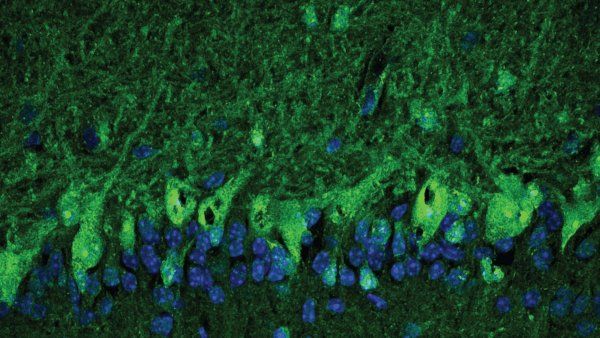
Three adolescents who had mild or asymptomatic COVID-19 developed sudden severe psychiatric symptoms. A recent study into their immune responses identifies a potential mechanism by which these symptoms emerge.
Trauma leaves marks on the body, as well as the mind. UCSF scientists have identified an immune signature to indicate which patients will respond best to therapy.
Most patients on immunosuppressive drugs for chronic inflammatory conditions, like rheumatoid arthritis, multiple sclerosis and inflammatory bowel disease, can still produce antibodies after receiving the mRNA COVID-19 vaccines, researchers at UCSF and Washington University have concluded.
We spoke to UCSF virologist Nadia Roan, PhD, about the latest developments in our knowledge of the Delta variant, including how the new variant spreads so efficiently, whether it causes more serious illness, and why she thinks vaccines will hold the line.
Working in mice, UCSF researchers have found that a recently discovered subset of cells in the immune system may prevent the mother’s immune system from attacking the placenta and fetus.
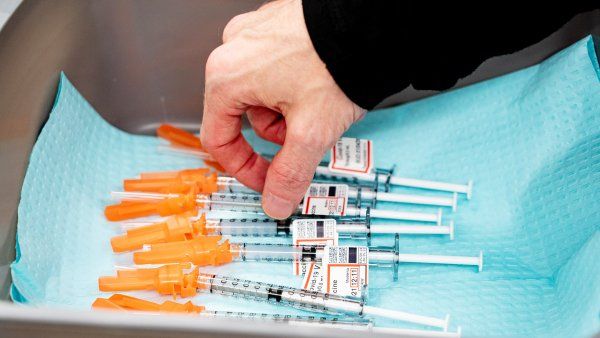
Messenger RNA vaccines against COVID-19 were not detected in human milk, according to a small study by UCSF, providing early evidence that the vaccine mRNA is not transferred to the infant.
A UCSF study has found that the antibiotic azithromycin was no more effective than a placebo in preventing symptoms of COVID-19 among non-hospitalized patients, and may increase their chance of hospitalization, despite widespread prescription of the antibiotic for the disease.
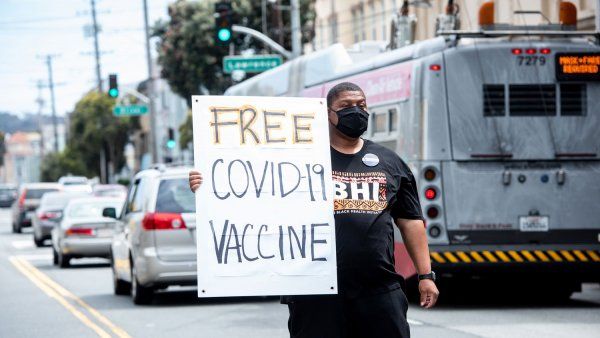
A study by UCSF researchers found that about one in four unvaccinated people aged 18 to 25 said that they “probably will not” or “definitely will not” get the COVID-19 vaccination.
Plenty of probiotic yogurts, pickles and kombuchas claim to boost our digestive health with armies of microbes, but some scientists have more ambitious therapeutic plans for the “bugs” that colonize us. They hope to leverage these microbes as living therapeutics for a range of health conditions, including ulcerative colitis, multiple sclerosis, eczema and asthma.
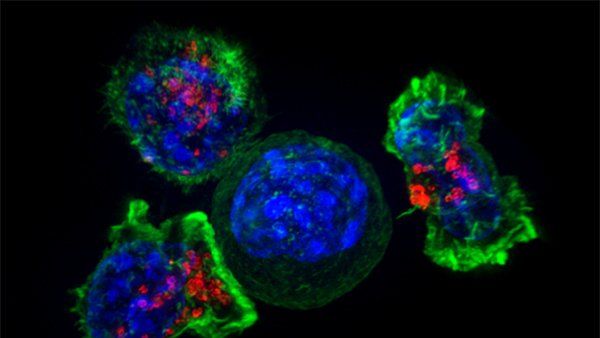
T cells – immune cells that patrol our bodies in search of trouble – have become a central focus for UC San Francisco scientists working on living cell therapies, an approach that views cells
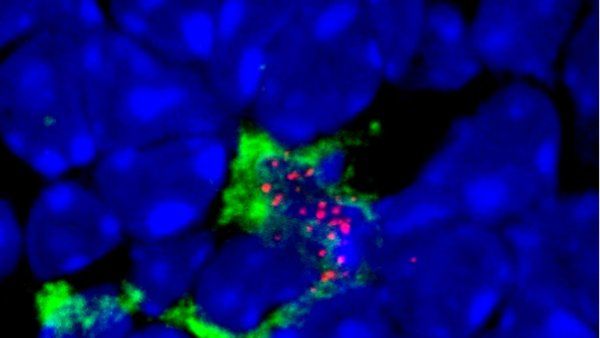
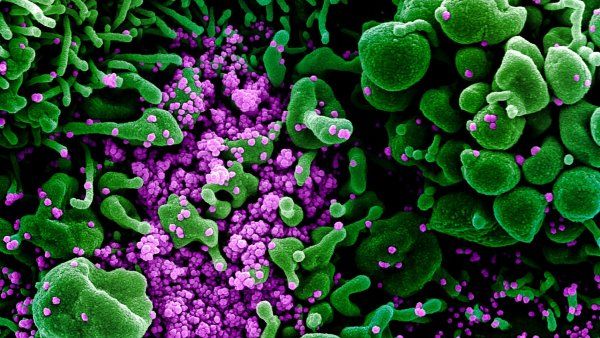
The B.1.1.7 coronavirus variant—also known as Alpha—may be more infectious because it contains mutations that make it better adapted to foil the innate immune system, at least for long enough to allow the virus to replicate and potentially find new hosts, according to a new study.
Hidden autoimmunity may explain how the coronavirus wreaks such widespread and unpredictable harm.
Leading scientists share some of the tools and strategies that could help us better confront and contain future outbreaks.
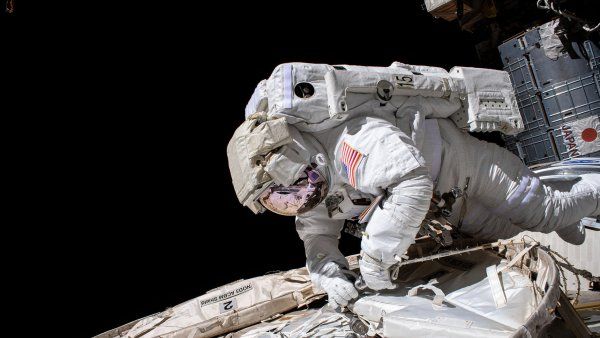
Scientists now have shown that the weakening of an astronaut’s immune system during space travel is likely due in part to abnormal activation of immune cells called T regulator cells.
A multifaceted collaboration between researchers at UCSF, Gladstone Institutes, and other organizations across California provides a comprehensive portrait of the variant—including its interaction with the immune system and its potential to spread.
Scientists at UCSF are learning how immune cells naturally clear the body of defunct – or senescent – cells that contribute to aging and many chronic diseases
Researchers at UCSF have demonstrated how to engineer smart immune cells that are effective against solid tumors, opening the door to treating a variety of cancers that have long been untouchable with immunotherapies.
This will be one of the first and largest studies to examine the impact of factors like age and stress on vaccination effectiveness.
A new study finds that inherited genetic variation plays a role in who is likely to benefit from checkpoint inhibitors, which release the immune system’s brakes so it can attack cancer.
Patients with severe COVID-19 produce antibodies that paradoxically shut down their immune system’s virus-fighting response just when they need it most.
We asked several UCSF experts for a personal take on what will convince them that a vaccine is safe.
This type of test could be used as a check against possible errors generated by the standard tests that directly detect the SARS-CoV-2 virus, the scientists said.
Immunotherapies are a promising anticancer arsenal and work by mobilizing the immune system to recognize and destroy cancer cells. Currently, however, only a third of patients respond to