The Heart Risks That Medicine Kept Missing
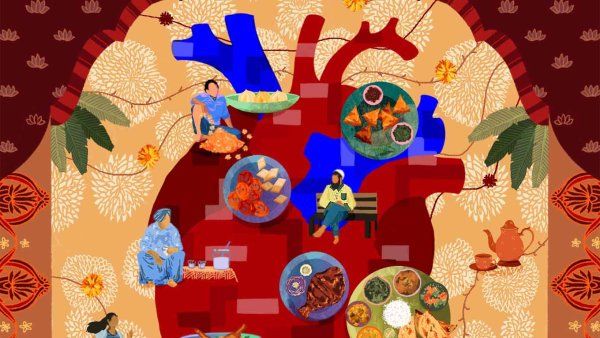
A UCSF study is revealing why South Asians develop heart disease even at healthy weights. It’s also changing how doctors screen for it.
University of California San Francisco
Give to UCSF
A UCSF study is revealing why South Asians develop heart disease even at healthy weights. It’s also changing how doctors screen for it.
New UCSF research reveals that Child-Parent Psychotherapy repairs a biological process that could benefit kids for life.

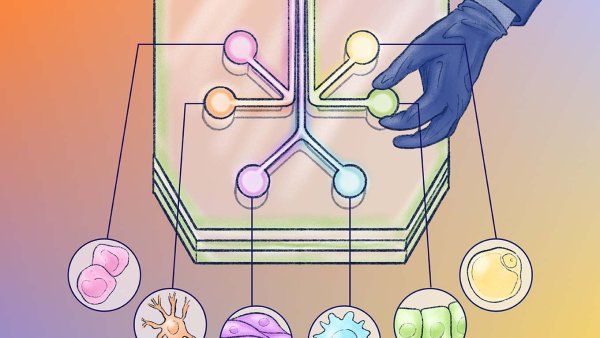
UCSF engineers are growing tiny, organ-like structures from human cells. The technology could change how we test new drugs — and how we heal our bodies.
Learn about the evolving conversation around hormone therapy.

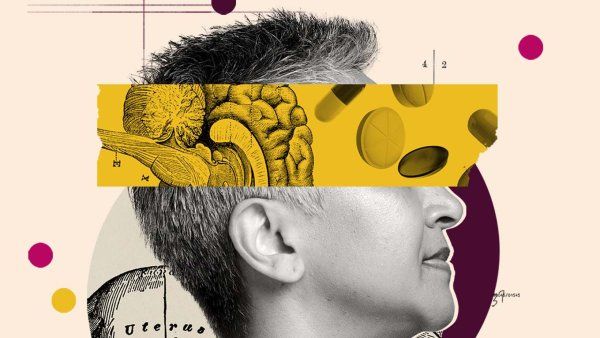
The hormone’s role in women’s health reaches far beyond reproduction.
Johannes R. Kratz, MD, has been named as the inaugural chief of UCSF’s Division of Thoracic Surgery, one of the leading academic robotic thoracic surgery programs in the western U.S. He brings a track

Researchers found a "garbage man" enzyme that tags toxic clumps of proteins in the brain for removal, and saw a correlation with resilience against dementia.
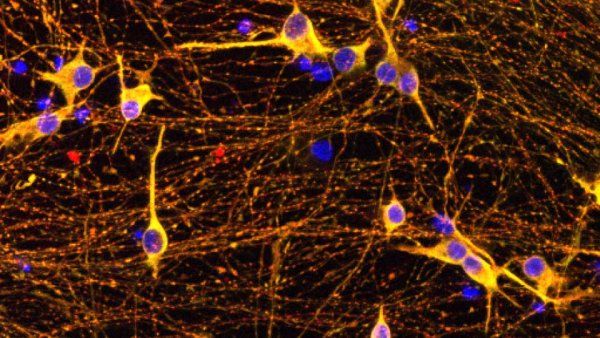
UCSF scientists discover that the spindle, the structure that divides chromosomes equally during mitosis, actually gets stronger when it is stretched.
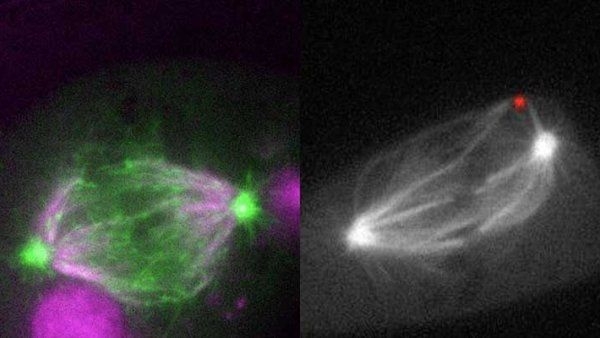
Discover how UCSF is leading the charge in Long COVID research, uncovering key findings that advance our understanding of the condition. UCSF researchers have adapted innovative tools and methodologies—originally developed during the AIDS/HIV epidemic, such as testing, tissue banking, clinical trials, and studies—to tackle the complexities of Long COVID.
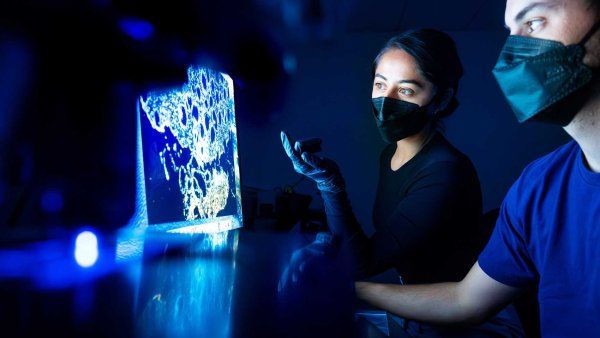
UCSF psychiatrists may have documented what is likely the first case of AI psychosis in a peer-reviewed journal. He tells us what to know as media reports about cases mount.

UCSF researchers found evidence that stress occurring as early as before birth or as late as adolescence can affect multiple conditions in kids, from asthma to mental health to cognitive functioning.

Close to 40% of adult patients receive post-acute care (PAC) when they are discharged from a hospital. That can include receiving help at home or going to a specialized facility, including a skilled
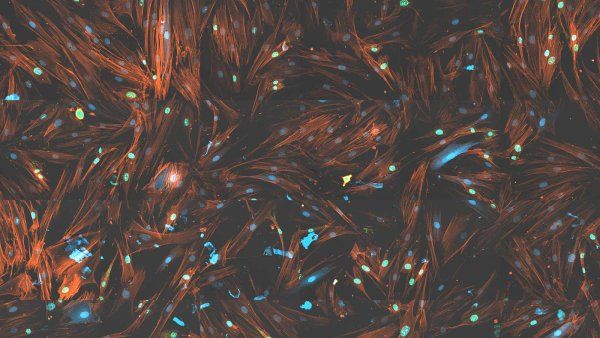
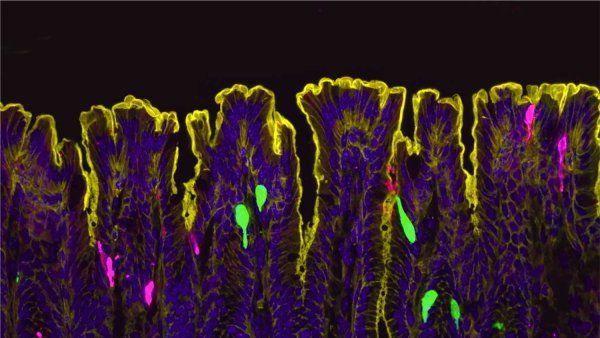
UCSF scientists engineered old fibroblast cells to turn their genes on and off in the same way as young fibroblasts. The old fibroblasts were rejuvenated: they multiplied (green) and produced more of the material used to make the "skeletons," or extracellular matrix, of our organs (red). Image by Li Lab
Self-administered injectable contraceptives, which are progestin-only shots taken at home every three months, have been available for over 20 years but remain underutilized. Interest in these options increased during COVID-19. A national study has revealed that the primary barriers to their use are not related to patient capability or clinical safety.

Immune checkpoint inhibitors (ICIs) have revolutionized cancer treatment by using a patient’s own T-cells to target tumors. However, they can cause rare but potentially fatal cardiac inflammation
UCSF researchers have discovered a way to identify deadly lung infections with improved accuracy by pairing AI with a unique genetic signal. This could revolutionize ICU care and prevent thousands of patients from receiving unnecessary antibiotics.
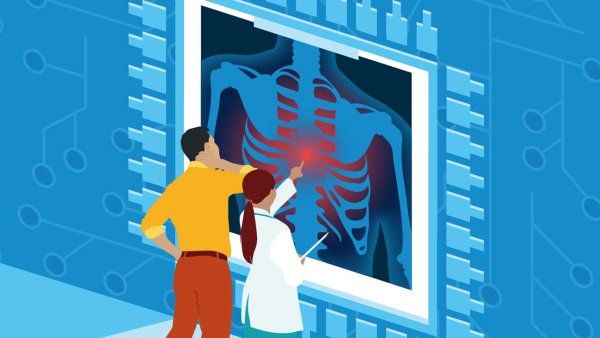
Hematologists and oncologists from UC San Francisco shared research results and clinical guidance at the world’s premier meeting for malignant and non-malignant hematology at the American Society of
Millions of people in the U.S. and around the world are living with hepatitis C virus (HCV). But over the past decade, direct-acting antivirals (DAA) have proven effective against HCV, curing more
Aortic stenosis is a narrowing of the aortic valve which connects the heart to the rest of the body. It affects millions of people and can be fatal if left untreated. At present, there are no
UCSF researchers showed that estrogen can turn on pain signals in the gut, offering new insights into conditions like irritable bowel syndrome, especially for women.
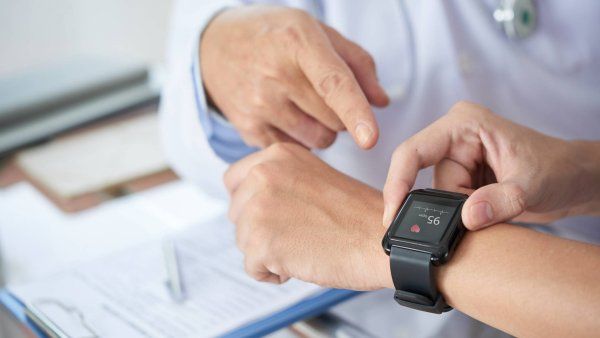
Nurse scientist Linda Park, PhD, uses NIH funding to study cardiac rehab and digital tools—like pedometers and apps—to motivate post-surgery patients and prevent health decline.
New research shows a jump in pediatric medical spending on behavioral health from 2011 to 2022, highlighting the urgent need to boost access and capacity for treatment.

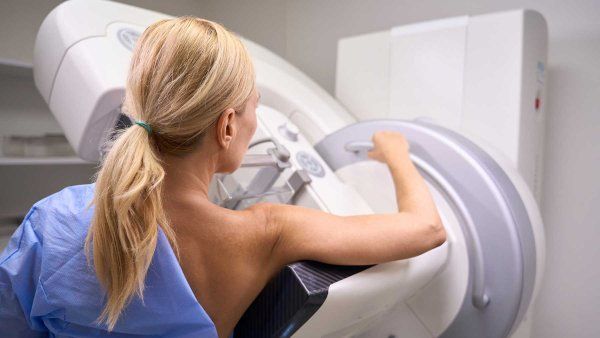
A study finds personalized breast cancer screening based on risk reduces advanced cancers and ensures safe, tailored mammogram frequency.