University of California San Francisco
Give to UCSF
Displaying 1201 - 1230 of 3407
-
-
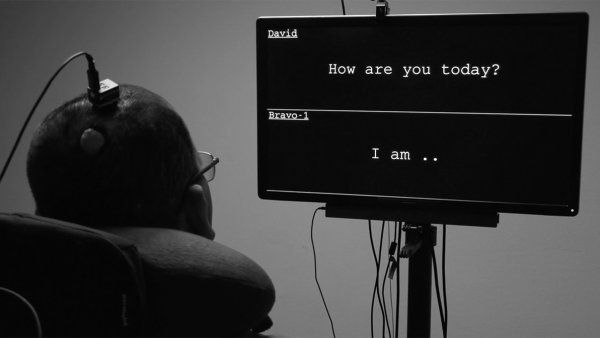
“Neuroprosthesis” Restores Words to Man with Paralysis
Researchers at UC San Francisco have successfully developed a “speech neuroprosthesis” that has enabled a man with severe paralysis to communicate in sentences, translating signals from his brain to the vocal tract directly into words that appear as text on a screen.
-
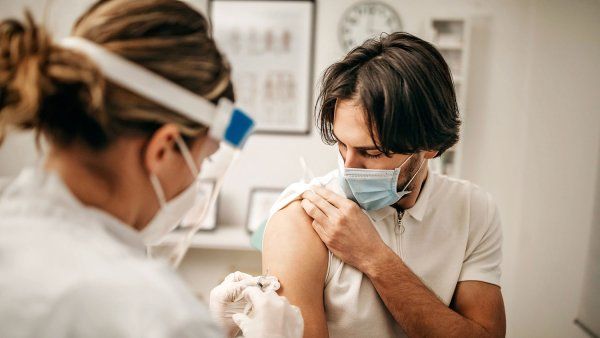
Vaccine Hesitancy in Young Adults May Hamper Herd Immunity
A study by UCSF researchers found that about one in four unvaccinated people aged 18 to 25 said that they “probably will not” or “definitely will not” get the COVID-19 vaccination.
-
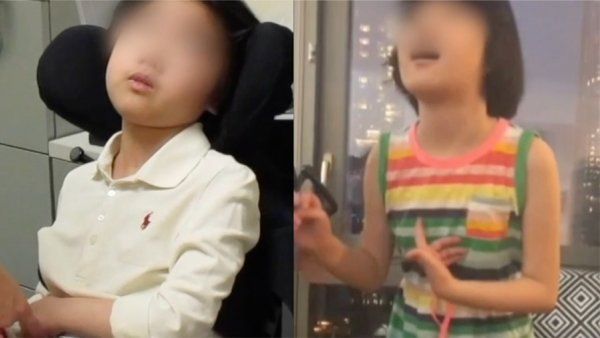
Gene Therapy Offers Long-Awaited Hope for Children with Rare, Incurable Disorder
Children with a devastating genetic disorder characterized by severe motor disability and developmental delay have experienced sometimes dramatic improvements in a gene therapy trial launched at UCSF Benioff Children’s Hospitals.
-
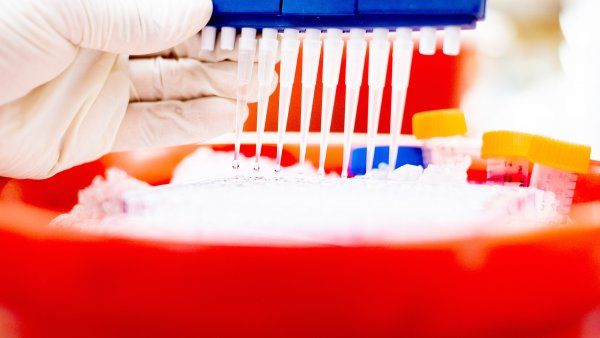
Engineered Cells Successfully Treat Cardiovascular and Pulmonary Disease
Scientists at UCSF have shown that gene-edited cellular therapeutics can be used to successfully treat cardiovascular and pulmonary diseases in mice.
-
COVID-19 Vaccines Don’t Infiltrate Breast Milk, Study Shows
-
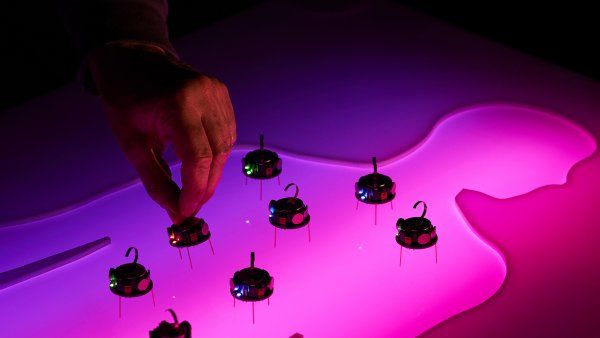
Beyond CAR-T: New Frontiers in Living Cell Therapies
Taking a page from computer engineers, biologists are trying their hands at programming cells – by building DNA circuits to guide their protein-making machinery and behavior.
-
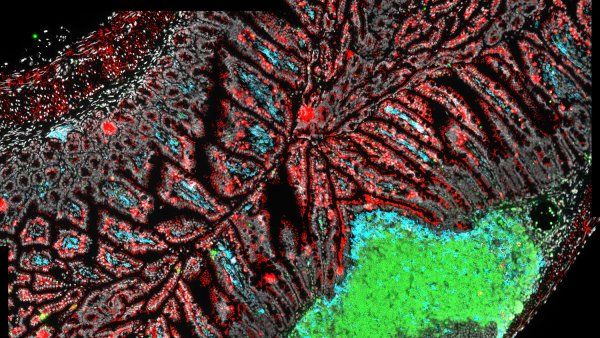
Microbiome Medicine: Scientists Harness the Body’s ‘Bugs’ to Treat Asthma, MS and More
Plenty of probiotic yogurts, pickles and kombuchas claim to boost our digestive health with armies of microbes, but some scientists have more ambitious therapeutic plans for the “bugs” that colonize us. They hope to leverage these microbes as living therapeutics for a range of health conditions, including ulcerative colitis, multiple sclerosis, eczema and asthma.
-
Caloric Restriction Alters Microbiome, Enhancing Weight Loss but Increasing Pathogenic Bacteria
Researchers at UC San Francisco have found that extreme caloric restriction diets alter the microbiome in ways that could help with weight loss but might also result in an increased population of Clostridioides difficile, a pathogenic bacterium that can lead to severe diarrhea and colitis.
-
Living With a Short Sleep Gene: ‘It’s a Gift’
-
Morning People May Be at Lower Risk of Depression Than Night Owls
-
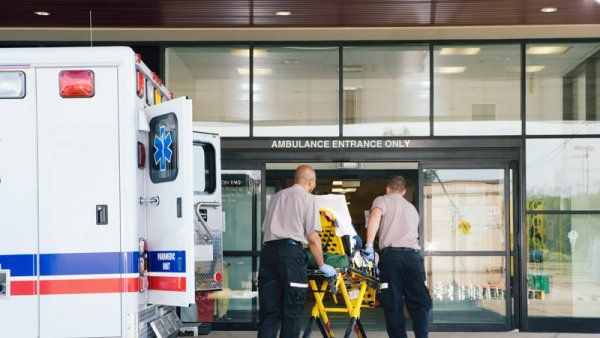
Sudden Cardiac Death More Likely to Fell Persons with HIV Infection
Individuals with HIV are more than twice as likely to die from sudden cardiac death (SCD) compared to the general population, and more likely to have hearts compromised by fibrosis, a factor that may play a role in increasing their susceptibility to SCD, according to new findings from a UCSF study.
-
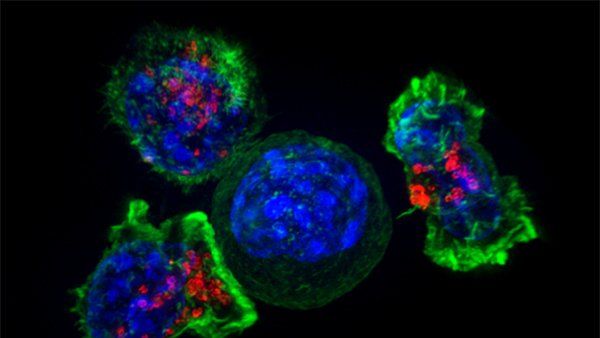
Next-Generation T-Cell Therapeutics Set Sights on Cancers, Autoimmune Disorders and More
T cells – immune cells that patrol our bodies in search of trouble – have become a central focus for UC San Francisco scientists working on living cell therapies, an approach that views cells
-
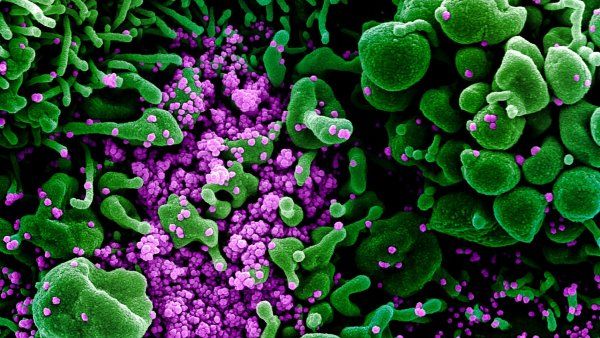
Mutation in Highly Infectious Alpha Variant May Help Coronavirus Evade Immune System
The B.1.1.7 coronavirus variant—also known as Alpha—may be more infectious because it contains mutations that make it better adapted to foil the innate immune system, at least for long enough to allow the virus to replicate and potentially find new hosts, according to a new study.
-
Is It Over? How California Will Know When the Pandemic Ends
-
Coronavirus Delta Variant ‘May Hit Us Pretty Hard’ This Fall. Here’s What You Need to Know
-
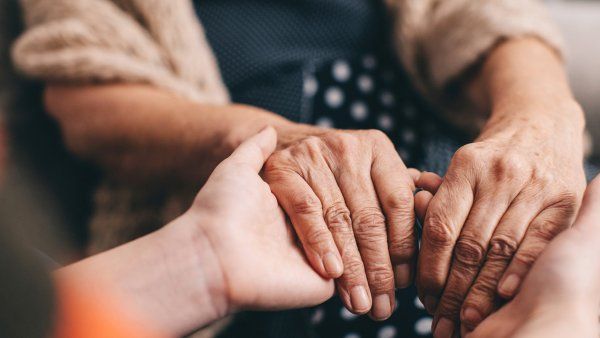
Older Women Who Are Socially Engaged More Likely to Be Emotionally Abused or Mistreated
Image For older adults, participating in social activities can protect against physical and mental signs of aging, but it may also pose risks,
-
How Can We Thwart the Next Pandemic?
Leading scientists share some of the tools and strategies that could help us better confront and contain future outbreaks.

-
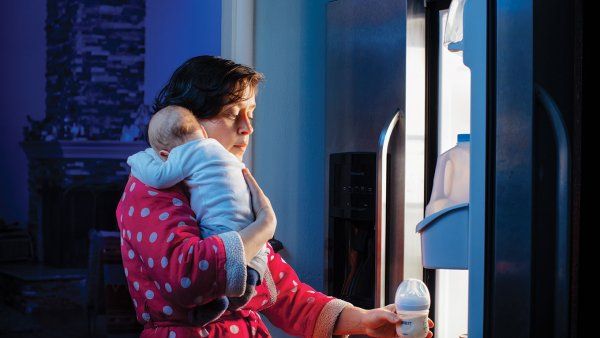
The Best Treatment for Insomnia Usually Isn’t a Pill
Cognitive behaviorial therapy for insomnia, the gold-standard intervention, also suggests benefits for well-being.
-
The Case of the Recurring Fever
An elderly man had symptoms no one could explain – until Amy Berger, MD, PhD, and her team investigated.
-
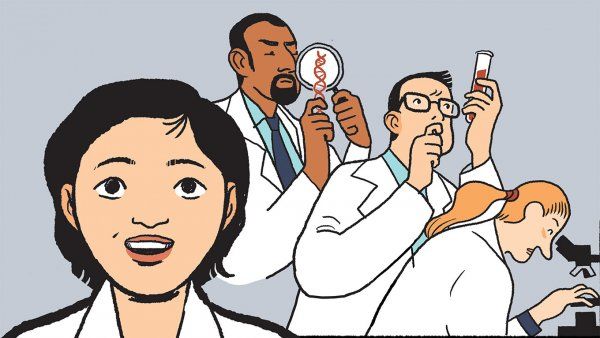
“Science is Fun!”
Can dieting help you live longer? Do microbes control your immune system? Can studying snakes help stop the next pandemic? UCSF microbiologist Peter Turnbaugh, PhD, interviews famous scientists and rising stars about research quests that span the spectrum of health.
-
TED Talk: “Can We Create Vaccines that Mutate and Spread?”
The viruses that cause polio and COVID-19 mutate, but treatments for the diseases don’t. For over 20 years, UCSF and Gladstone Institutes scientist Leor Weinberger, PhD, has been thinking of ways to make vaccines work more efficiently by being adaptive, rather than static.
-
Infiltrating Healthcare: How Marketing Works Underground to Influence Nurses
UCSF School of Nursing alum Quinn Grundy, PhD ’15, RN, shines a light on how sales reps from pharmaceutical and other health care companies skirt scrutiny, and get their products used in hospitals and doctors’ offices, by forging relationships with nurses.
-
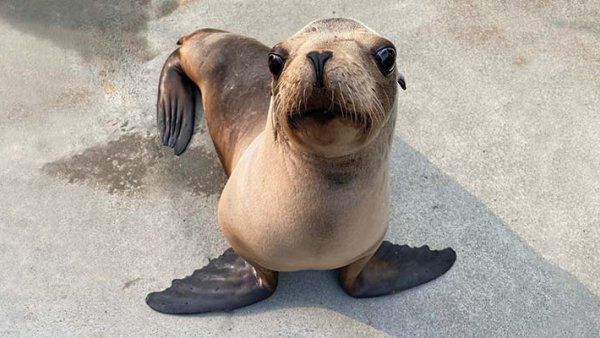
Cellular Transplant Therapy Pioneered by UCSF Reverses Sea Lion’s Epilepsy
Cronutt was one sick sea lion before undergoing a groundbreaking surgery last fall. Today he's seizure-free and doing well.
-
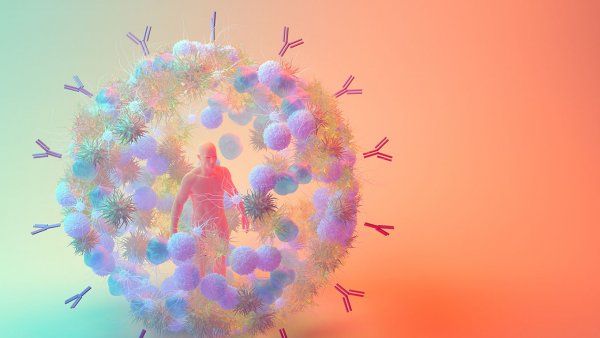
Your Immune System Could Turn COVID-19 Deadly
Hidden autoimmunity may explain how the coronavirus wreaks such widespread and unpredictable harm.
-
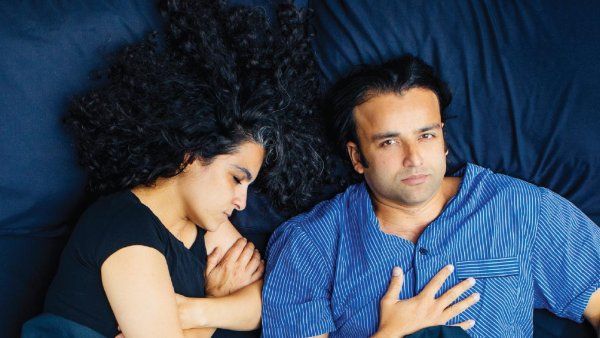
Why Can’t I Sleep?
Insomnia is miserable, and lost sleep can harm our health. Now, researchers are seeing the promise of solutions in our genes.
-
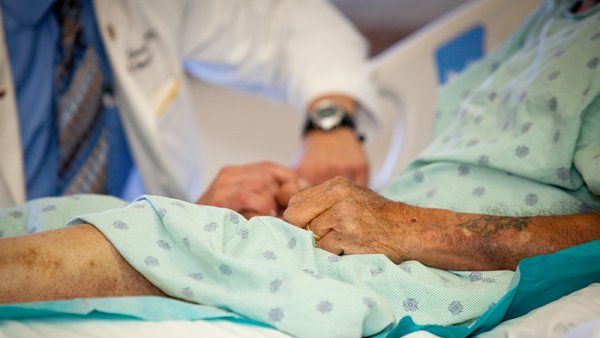
To Prevent Delirium, Increase Mobility, Connection and Sleep
UCSF researchers wanted to see if simple tweaks, like avoiding nighttime interruptions to promote sleep, nixing certain prescription drugs, and promoting exercise and social engagement, could decrease delirium in hospitalized older adults.
-
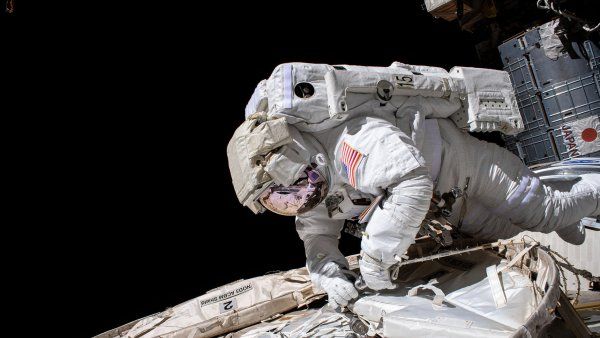
Space Travel Weakens Our Immune Systems – Now Scientists May Know Why
Scientists now have shown that the weakening of an astronaut’s immune system during space travel is likely due in part to abnormal activation of immune cells called T regulator cells.
-
The Disease Detective
-
UCSF Joins National Collaborative to Study COVID-19 Outcomes for LGBTQ People
Researchers from the UCSF School of Nursing have joined a newly launched national collaborative to study the impacts of COVID-19 on members of the lesbian, gay, bisexual, transgender and queer communities.