Displaying 91 - 120 of 334
-
-
An Old Drug Offers a New Way to Stop STIs
-
Bay Area Restaurateurs Grapple With Loss of Smell and Taste After Getting COVID-19
-
What’s New in the Search for a Long COVID Cure?
UCSF infectious disease specialist Michael Peluso, MD, who co-leads one of the world’s oldest studies of long COVID, discusses the condition’s mysteries.
-
Super-Engineered Vaccines Created to Help End Polio
-
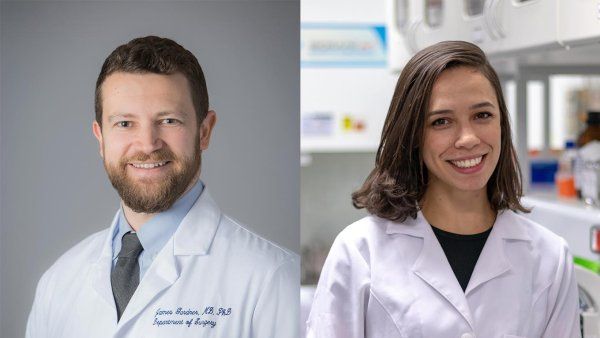
Two UCSF Researchers Win Pew Awards for Biomedical Science
Two UCSF scientists – James Gardner, MD, PhD, and Rebeca de Pavia Fróes Rocha, PhD – have received Pew awards for their work in immunology as part of a program that supports promising early-career investigators.
-
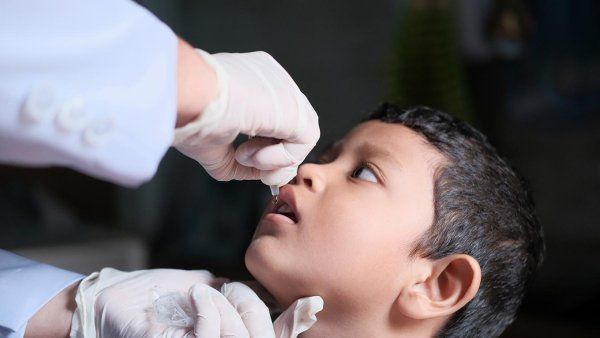
Two New Vaccines Join the Fight to Eradicate Polio
Two new oral polio vaccines will help limit the amount of new polio strains and outbreaks by genetically engineering weakened polio virus in the oral vaccine to reduce reversion to dangerous forms.
-
UCSF Health Cancer Experts Featured at Premier Cancer Meeting
Oncology specialists from around the globe will gather for the American Society of Clinical Oncology (ASCO) Annual Meeting to discuss the latest cancer therapies, technologies, research and education.

-
Two UCSF Faculty Named to New Group of HHMI Scholars
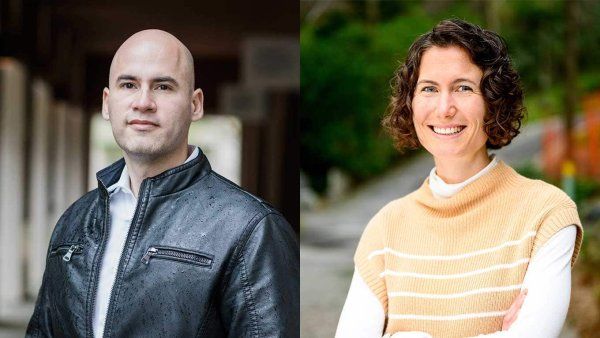
UCSF faculty members Walter G. Gonzalez and Angela Phillips have been selected as Howard Hughes Medical Institute (HHMI) Freeman Hrabowski Scholars. With up to $8.6 million in support, they will conduct research, create inclusive lab environments, and make a significant impact on the future of science. Both scholars are committed to fostering diversity and promoting scientific breakthroughs.
-
Does Your Vaccine Type Matter in the Battle Against COVID?
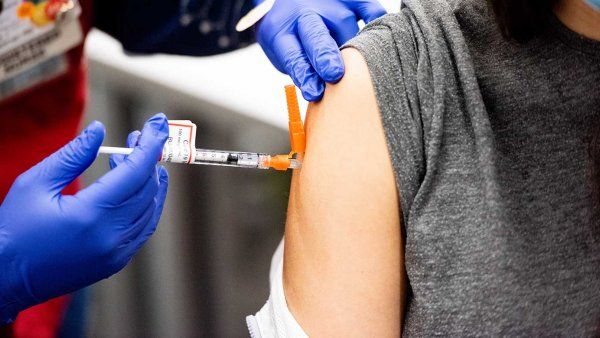
COVID vaccine efficacy varied by age, BMI, sex, and smoking status, with levels changing over six months in a UCSF-led study. Pfizer and Moderna had higher antibody responses than Johnson & Johnson at one month, but Johnson & Johnson overtook them at six months.
-
UCSF Researchers Study Degrees of COVID-19 Vaccine Protection
-
Possible Culprit Identified in Outbreak of Severe Liver Damage Cases in Children
-
Severe Hepatitis Outbreak Linked to Common Childhood Viruses
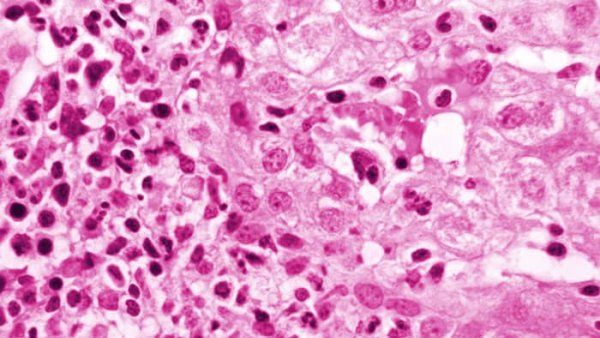
A hepatitis outbreak in children occurred after COVID-19 lockdowns eased in 2022. Sudden exposure to a multitude of viruses upon reopening may have triggered this response in a small group of children.
-
Thermo Fisher Scientific Opens Cell Therapy Facility at UCSF to Accelerate Development of Breakthrough Therapies
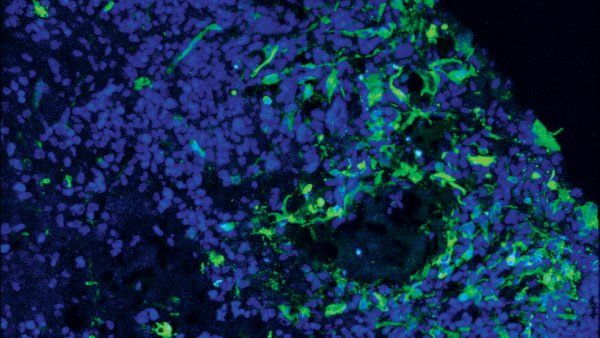
Thermo Fisher Scientific Inc. and UCSF will accelerate advanced cell therapies for difficult to treat conditions like cancer from a new manufacturing facility.
-
White House Disbanding Its COVID-19 Team in May
-
If You Still Haven’t Had COVID, Are You Immune – Or Just Lucky?
-
Can Lymph Nodes Boost the Success of Cancer Immunotherapy?
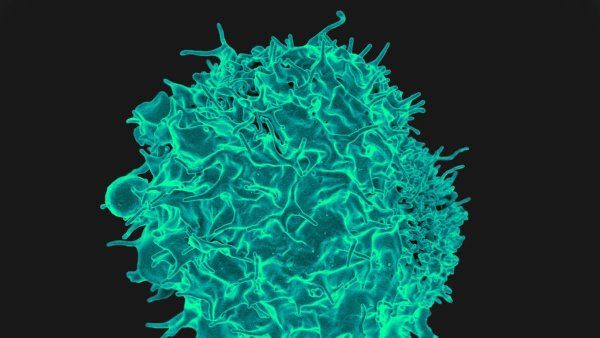
A clinical trial showed that, rather than removing lymph nodes, leaving them intact could help immunotherapy activate tumor-fighting T cells in the lymph nodes.
-
Susceptibility to Pathogenic T Cells in Chronic Lung Disease May Have Genetic Basis
Respiratory viral infections pose significant morbidity and mortality to patients with chronic lung diseases like emphysema and COPD, causing exacerbations that drive destruction of normal lung tissue
-
How to Improve COVID Vaccination Rates With Emergency Room Messaging
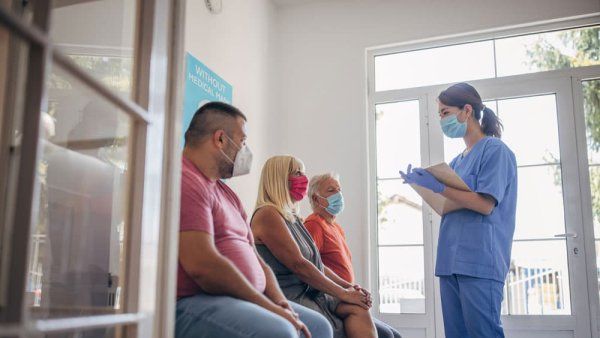
UCSF researchers found that distributing pro-COVID-19 vaccine information in EDs in English and Spanish increased vaccine acceptance, especially among Latinos and those without primary care physicians.
-
If Immunity Is Innate, What Impacts Our Ability to Fight Infections?
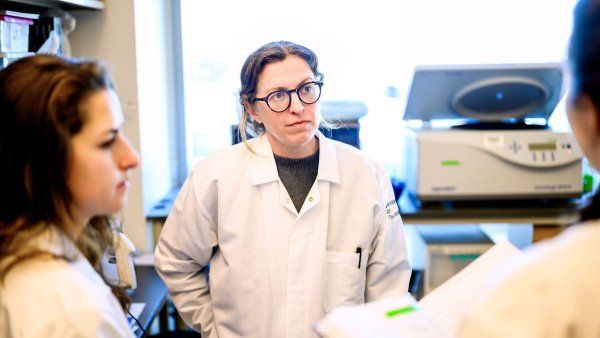
Balyn Zaro’s lab investigates the cause and consequence of genetic diversity in the immune system, in hopes that her discoveries can lead to better treatments for all patients.
-
The Omicron Effect: Can We Predict the Next Viral Killer?
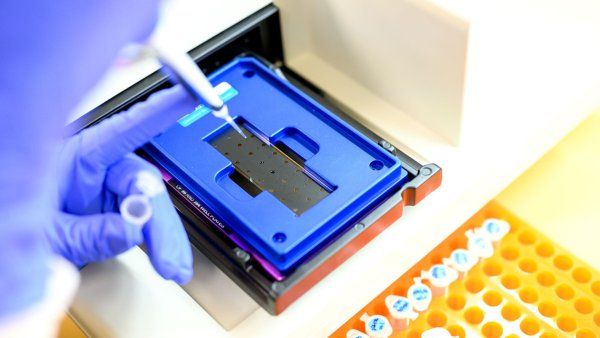
Angela Phillips, PhD, leads research that could help predict future viruses like COVID and the antibodies we might use to treat them.
-
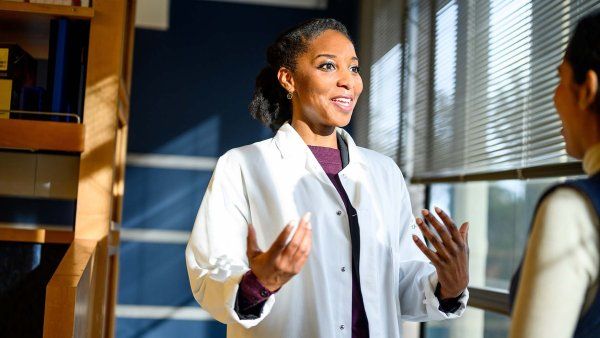
Breaking the Code on Dangerous Lung Inflammation
When we inhale an airborne virus, our lung cells take on the role of immune system first responders. Catera Wilder, PhD, studies the molecular details of this response and how it can go awry, causing the body to damage its own tissue and cells.
-
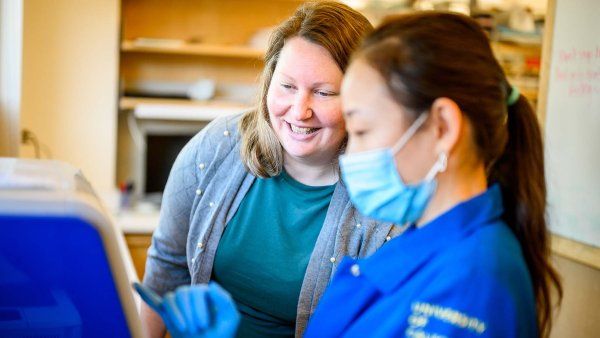
Can We Turn Back Time on Age-Related Diseases?
Emily Goldberg's lab studies what happens during aging to a particular set of immune cells: those embedded in fat tissue. She hypothesizes that changes to these cells during aging could be key to age-related inflammation.
-
‘Most Transmissible’ COVID Variant Yet Is Spreading in California. What We Know About XBB.1.5
-
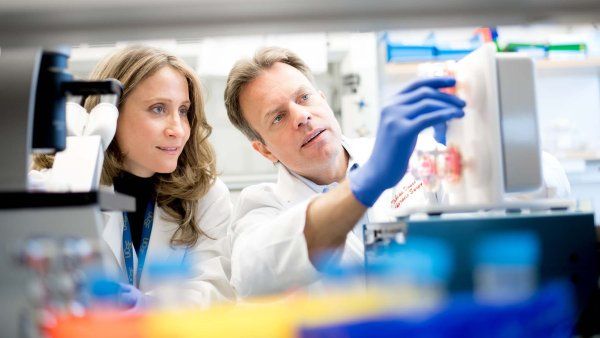
Duping Antibodies with a Decoy, Researchers Aim to Prevent Rejection of Transplanted Cells
Researchers have genetically engineered cells to distract antibodies from attacking friendly, but foreign, cells. This could prevent transplants from being rejected.
-
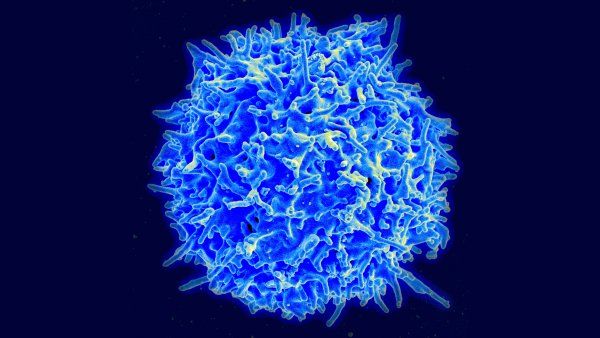
Killing Pancreatic Cancer with T Cells that Supercharge Themselves
T-cells can be directed to produce cytokine, a powerful anti-cancer component, when they encounter cancer cells. This holds tremendous promise for cancer immunotherapy.
-
Myocarditis in Cancer Patients Is Driven by Specific Immune Cells
Researchers have identified specific immune cells that drive deadly heart inflammation in a small fraction of patients treated with powerful cancer immunotherapy drugs.
-
5 Unusual Covid Symptoms – and What to Do About Them
-
Long COVID Clinics Are Wrestling With How To Treat Their Patients
-
“CAR Pooling” Screens Identify Most Effective Cancer Immunotherapy Cells
A new method of comparing massive numbers of CAR-T cells can determine which is most effective and long-lasting against cancer.