Prostate Cancer Study: More Health Benefits from Plant-Based Diet
Eating more fruits, vegetables, nuts and olive oil could significantly reduce the chances of prostate cancer progression.

University of California San Francisco
Give to UCSF
Eating more fruits, vegetables, nuts and olive oil could significantly reduce the chances of prostate cancer progression.
Leading cancer researchers from UC San Francisco presented talks about advances in targeted therapy, cancer genomics, eliminating treatment disparities and other cancer research topics at this year’s

New CAR-T gene therapy techniques could extend survival for patients with glioblastoma.
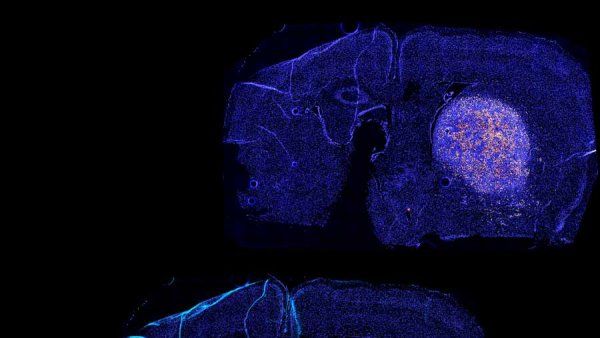
UCSF scientists have been awarded more than $30 million to develop “tissue GPS,” a new system using engineered T cells to guide therapies directly to their targets in the brain to treat neurological diseases like cancer, multiple sclerosis and Alzheimer’s.
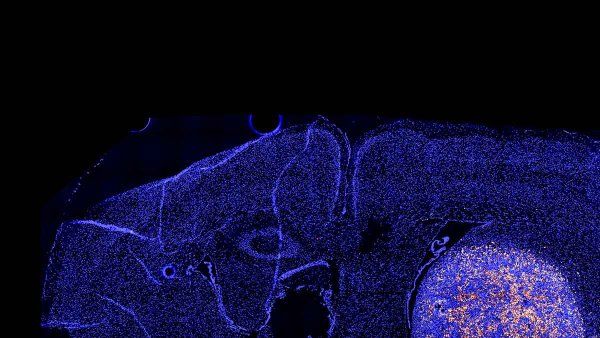
Researchers recently identified a universal, essential biomarker for the childhood cancer neuroblastoma – and the biomarker could be a potential new target for treatment. Neuroblastoma accounts for
A new drug candidate permanently modifies a wily cancer-causing mutation, paving the way for making pancreatic cancer treatable, or perhaps even curable.
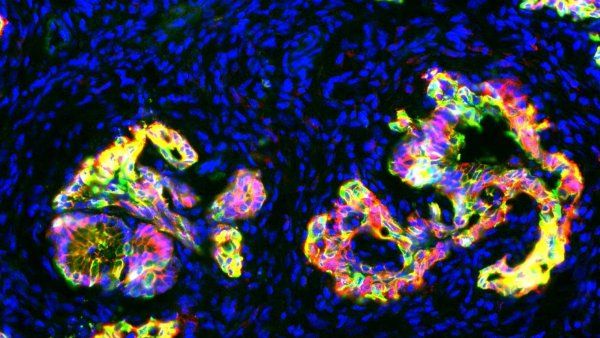
Juvenile myelomonocytic leukemia (JMML) is a rare but aggressive childhood leukemia. While hematopoietic stem cell transplantation is curative for some patients, approximately half of all patients see
Tracey Woodruff, PhD, MPH, offers insights on what her research on microplastics has led her to change how she and her family eats and what cleaning products she uses.
Cancer immunotherapy is hindered by the fact that engineered immune cells often get worn out and depleted before they've killed a tumor. A UCSF team has identified mutations that give cancerous lymphoma T-cells their superpower and transfer those genes into engineered, therapeutic immune cells.
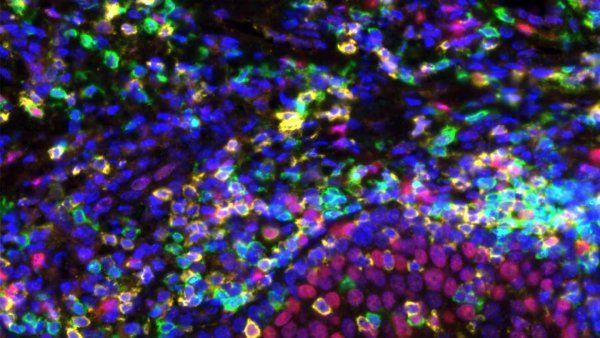
Combining testosterone-blocking drugs in patients with prostate cancer relapse prevents the spread of cancer better than treatment with a single drug.

UC San Francisco’s Thomas G. Martin, MD, a leading expert in blood cancers, has received a grant of nearly $4.6 million from the California Institute of Regenerative Medicine (CIRM) to produce a CAR T
Cell biologist and engineer Matthew Kutys, PhD, and his team harness organoids – living tissues derived from patient tumors – to study how cancer spreads.
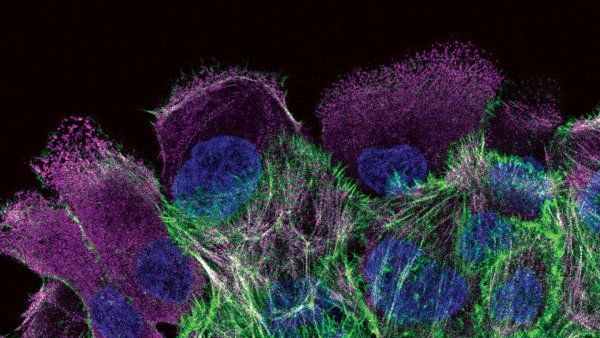
Image Eric J. Small, MD, UCSF professor of Medicine and Urology Credit: UCSF The American Society of Clinical Oncology (ASCO) has elected Eric J.

Researchers at UCSF and UC Berkeley are investigating the impact of pre- and post-natal exposures to tobacco smoke on the survival rate of children with acute lymphoblastic leukemia (ALL) and acute myeloid leukemia (AML).
Hematologists and oncologists from around the world will present new research and clinical findings at the American Society of Hematology’s (ASH) 65th Annual Meeting and Exposition. This year’s meeting will be held in San Diego from Dec. 8-12, 2023.
Thirty-two UCSF scientists are among the most influential individuals in their respective fields, according to the most recent analysis of research citations by the science and intellectual property company, Clarivate.
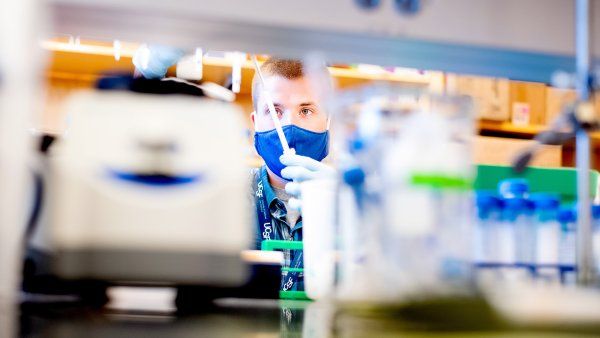
UCSF researchers found that regular screening is not always sufficient to prevent an advanced breast cancer diagnosis.
Breast cancer was the second most commonly diagnosed cancer in women, after skin cancer – accounting for 31% of all new female cancer diagnoses in 2022. Yet, determining who is most at risk of breast
University of California prostate cancer experts will share clinical insights at the first annual PSMA Conference, “PSMA PET and RLT: Present and Future.” The conference will take place online and in
A gene expression test can accurately predict the best treatment for meningioma patients by measuring the aggressiveness of their tumors and adjusting treatment accordingly.
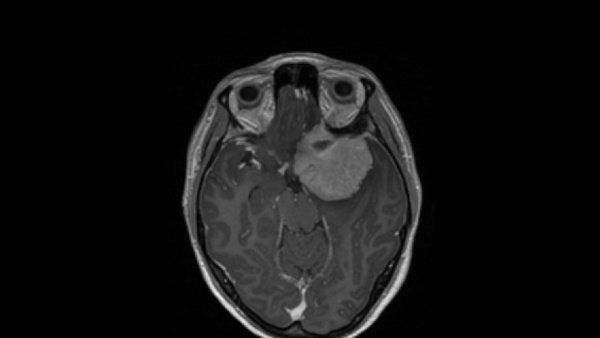
A phase 1 trial shows promise in treating metastatic prostate cancer with a single priming dose of radioligand therapy and immunotherapy.
Laura Esserman discusses breast cancer risk factors, progress in the field and the importance of tailoring treatment for women with low-risk cancer while also identifying women at high risk of invasive cancer.

Researchers have found that people who developed breast, ovary, skin and uterine cancers have significantly higher levels of endocrine-disrupting chemicals in their bodies.