University of California San Francisco
Give to UCSF
Displaying 541 - 570 of 3390
-
-
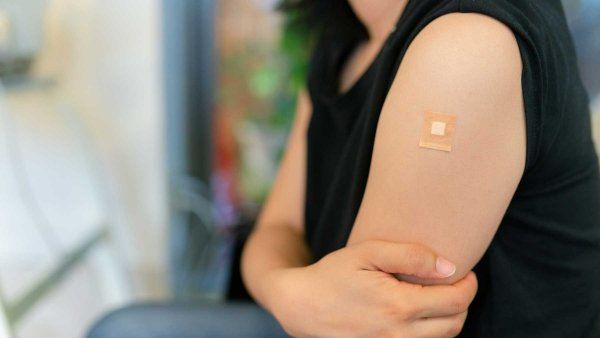
Feeling Rough After Your COVID Shot? Congrats, It’s Working!
Adverse symptoms from the COVID-19 vaccine such as chills and headaches are linked to a robust antibody response, indicating increased efficacy compared with recipients who did not experience side effects.
-
For Type 1 Diabetes Distress, Focus First on Managing Emotions
Diabetes distress, the fears, worries and burdens associated with living with and managing diabetes, affects up to 75% of adults with Type 1 diabetes. The most effective way to reduce diabetes and improve glucose control is to focus on managing the emotional strain of living with the condition.

-
Doctors Exploring Possible Link Between COVID and Cancer
-
How – and Why – to Reset Your Kids’ Screen Use for Summer
Recent research on screen use in children and teenagers examined the effects of screen time on sleep, nutrition, body mass index (BMI) and step count.

-
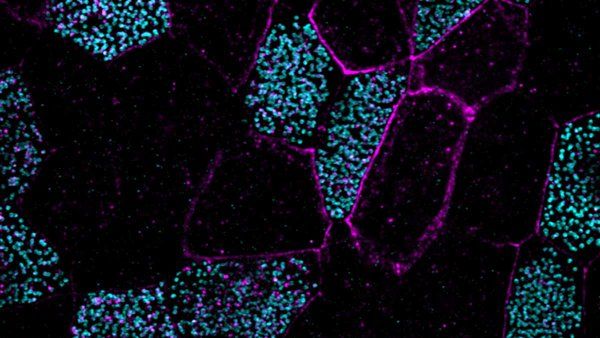
How the Cell Cycle Orchestra Plays an Unexpected New Tune
Multiciliated cells, cells with hundreds of hair-like structures that move called cilia, keep things like mucus in the lungs and cerebrospinal fluid in the brain flowing in the right direction.
-
Why Do 1 in 10 Americans Get Eczema? Is it Too Much Salt?
A high sodium diet may increase the risk of eczema. Eating just one extra gram of sodium per day – the amount in a Big Mac – increases the likelihood of flares by 22%.
-
Great News, Parents: You Do Have Power Over Your Tweens’ Screen Use
For tweens, restricting screens in bedrooms and at mealtimes and modeling healthy practices at home are parenting practices that work best to curb screen time and addictive screen behavior:

-
Family Dysfunction and Conflict Can Lead to Risky Teen Behavior
Teens who come from close-knit neighborhoods and families are less likely to engage in risky behavior at a young age.

-
Adults Care About Gender Politics Way More Than Kids, Doctor Says. So Why Is It Such a Big Deal?
-
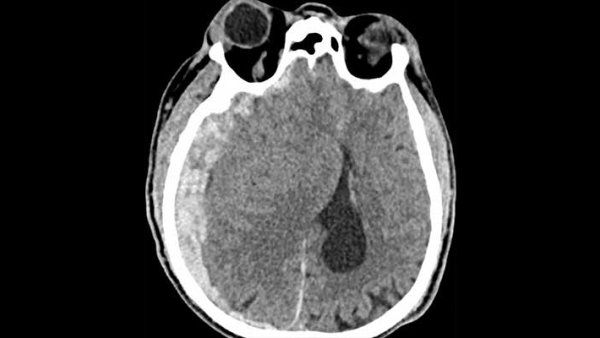
Traumatic Brain Injury Strikes 1 in 8 Older Americans
Traumatic brain injuries for people over age 65 can raise their risk for dementia, Parkinson's, cardiovascular and psych disease. Contrary to earlier research, the study found that healthy, wealthy white women are at higher risk.
-
Trial Shows Promise from Using Acetaminophen to Treat Sepsis
A clinical trial supported by the NIH has found that intravenous acetaminophen reduced sepsis patients’ risk of having organ injury or developing acute respiratory distress syndrome (ARDS), a serious condition that allows fluid to leak into the lungs.

-
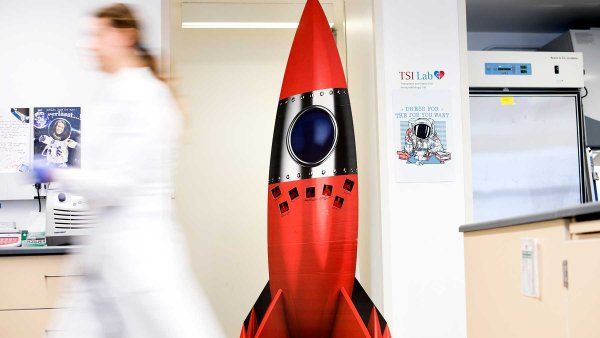
How Space Research Helps Fight Infection and Aging Back on Earth
Liver samples that spent two months in the International Space Station will be studied to observe how microgravity ages liver cells and impacts their ability to regenerate. Understanding how aging damages the liver – and ways to potentially reverse that damage – could pave the way for better prevention and treatment of liver disease.
-
Microbiome Points the Way Toward Surviving a Grueling Therapy
Researchers have found links between lung microbial communities and mortality risk in pediatric bone marrow transplant patients. Metagenomic sequencing revealed distinct patient clusters and unexpected pathogens, highlighting the need for precise diagnostics and therapeutics. Antibiotic treatment was associated with bacterial depletion and enriched viral and fungal populations.
-
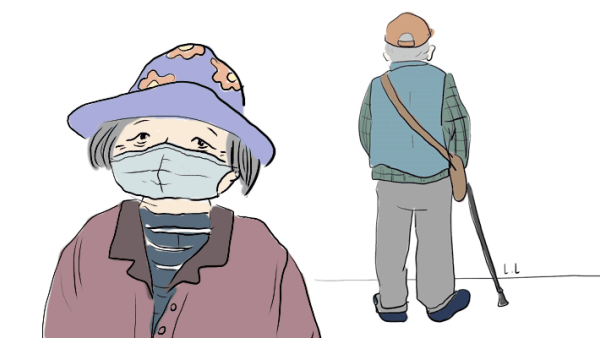
How Anti-Asian Hate is Worsening Older San Franciscans’ Health
Anti-Asian hate may be fueling isolation and poorer health among elderly San Francisco residents.
-
The Biggest Energy Users in Cancer Treatment Aren’t What You Think
Energy expended for hospital and clinic electricity, climate control and ventilation is by far the biggest source of greenhouse gas emissions in radiotherapy, a treatment used in more than half of cancer cases.
-
Plant-Based Foods May Reduce Risk of Prostate Cancer Progression
-
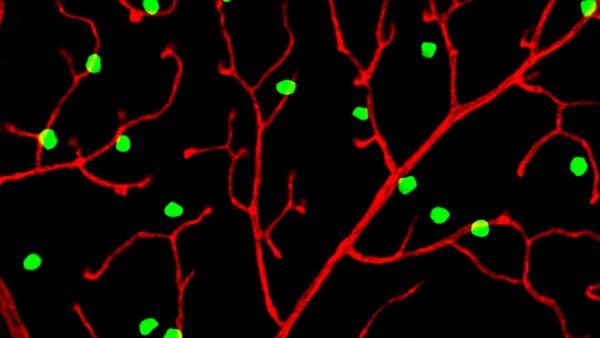
How Neurons Build a 3-D Vascular Structure to Keep the Retina Healthy
UCSF researchers discovered the first known neurons in the retina that connect to blood vessels. Understanding these neurons can help treat and prevent vascular-related vision loss.
-
Historic UCSF Asian American Cancer Study Gets $12.45 Million Grant; Participants Needed
-
Plastic Junk? Researchers Find Tiny Particles in Men’s Testicles
-
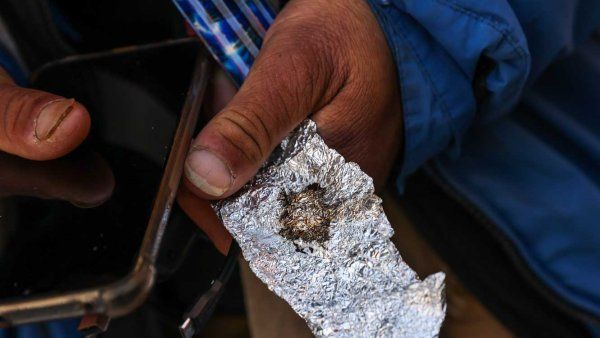
Smoking Fentanyl, Rising in SF, Is a Deadly New Risk for Overdose
While many have shifted to smoking instead of injecting fentanyl, researchers found that there is an increased risk of overdose death from the drug residue accumulated in smoking equipment.
-
New UCSF Study to Find out What Drives Cancer in Asian Americans
UCSF will lead the first long-term study of cancer among Asian Americans, a highly diverse yet understudied group, with the help of a $12.45 million grant from the National Cancer Institute (NCI).

-
Gender Affirming Care, Perinatal Innovation at OB/GYN Meeting
Innovations in perinatal care, gender affirming-care and improving pregnancy outcomes for women with fibroids are among the topics UCSF clinicians will discuss at the American College of Obstetricians
-
Degraded Synapses in the Retina Can Predict the Severity of MS
The disabling effects of multiple sclerosis may be caused in part by damaged connections between neurons, and this can be seen in the eye, UC San Francisco researchers have found. They showed that
-
Saunas Are the Next Frontier in Fighting Depression
-
What to Know about the New Transmissible COVID-19 Variants
-
Muscles in Knots? Here’s How to Loosen Them Up.
-
Prostate Cancer Study: More Health Benefits from Plant-Based Diet
Eating more fruits, vegetables, nuts and olive oil could significantly reduce the chances of prostate cancer progression.

-
Sending Abortion Pills Through the Mail is Timely and Effective
Research found that using a mail-order pharmacy to deliver abortion medication after an in-person assessment was both safe and effective, offering privacy, convenience, and accessibility.

-
There’s a New Highly Transmissible COVID-19 Variant. Could FLiRT Lead to a Summer Uptick?