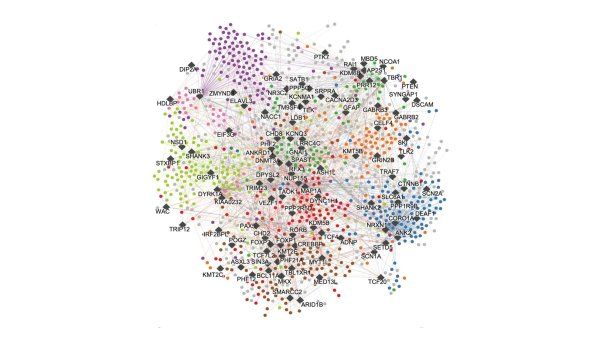
Menopause Leaves a Fingerprint that May Predict Dementia Risk
A new study looks at how blood signatures in menopausal women predict their dementia risk.
University of California San Francisco
Give to UCSF
A new study looks at how blood signatures in menopausal women predict their dementia risk.
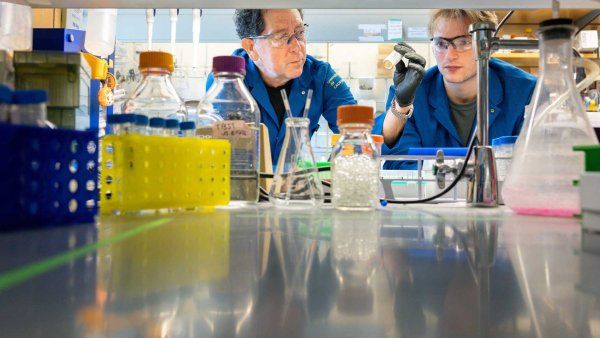
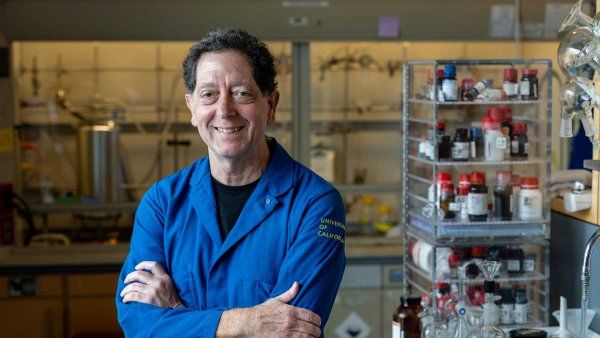
UCSF scientists helped transform KRAS, once considered an “undruggable” cancer target, into a pathway for life-saving treatments. Discover how Kevan Shokat, PhD, and colleagues found a hidden pocket in the cancer-driving protein, paving the way for a new generation of targeted cancer therapies.
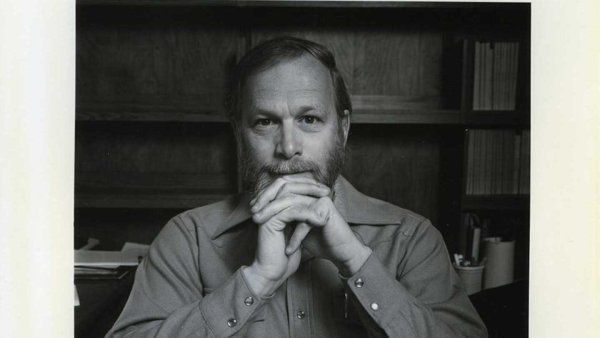
Former UCSF Chancellor and Nobel laureate J. Michael Bishop, MD, who passed away this year, helped transform modern cancer research and established UCSF as a global leader in scientific discovery. We reflect on his legacy through memorable pieces of advice on science, creativity, discovery, the Nobel Prize, and the vital role of federal research funding — highlighting the enduring impact of his ideas and UCSF's remarkable Nobel legacy.
A new clinical trial will screen for atrial fibrillation (AFib) using a blood pressure monitor with AFib detection technology with the goal to decrease time to AFib diagnosis in patients with high blood pressure. The randomized trial will compare this monitor to usual care using a conventional home blood pressure monitor with no AFib detection.

Kevan Shokat, PhD, a professor of Cellular and Molecular Pharmacology at UC San Francisco who discovered how to disable KRAS, a seemingly unstoppable cancer-driving protein, has won the Stephenson Global Prize for research in pancreatic cancer.
A UCSF study that found people with serious depression had significantly improved symptoms when they switched to a diet consisting of less utlra-processed food.

Clinicians and researchers set to gather for the UCSF-cosponsored international invasive lobular carcinoma symposium in San Francisco, Sept. 23 to 25.
UCSF researchers are weighing in on one of the biggest challenges in psychedelic science, arguing that clinical trials need more convincing control treatments to better measure the drugs' true effects.

Louise Walter, MD, chair of UCSF Geriatrics, served as vice-chair of the National Comprehensive Cancer Network (NCCN) Guidelines Panel for Older Adult Oncology, which recently new treatment guidelines for older adults with cancer.
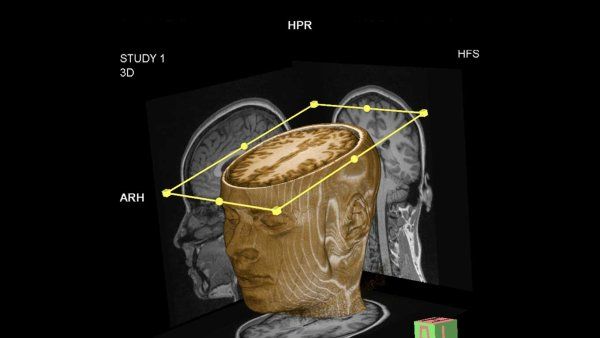
How does your brain decide whether to hit “send” on a risky email or delete the draft? Two neighboring parts of it argue with each other until one overrules the other. Researchers created a video game to see what players’ brains were doing while making risk-reward decisions.
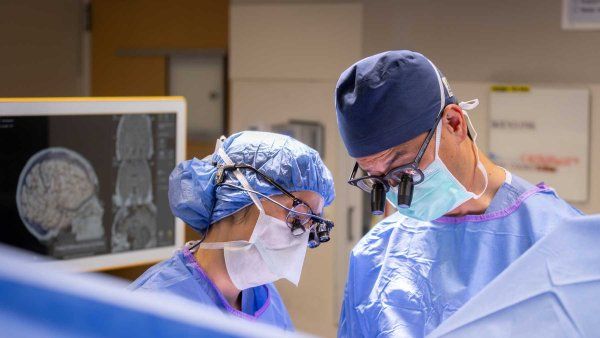
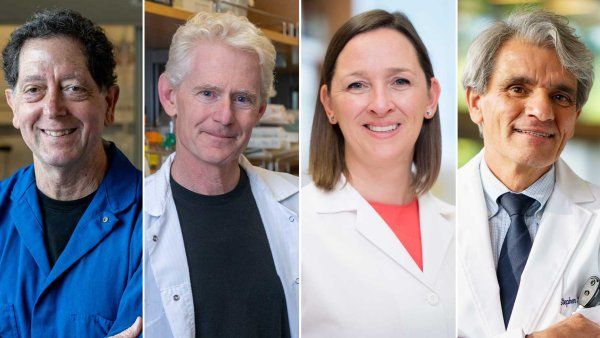
UCSF researchers earned four UC Regents Innovation Awards for breakthroughs in precision cancer treatment, rapid diagnostics, disease prevention and multiple sclerosis care.
In this provocative book, UCSF resident alum and epidemiologist Gary Slutkin, MD, draws on his decades of work combating tuberculosis, cholera, and HIV at the World Health Organization to reframe violence as a contagious disease. He offers a blueprint for prevention grounded in interruption, community intervention, and shifting social norms.
OpenADMET, helmed by Jaime Fraser, will receive funding from the OpenAI Foundation in pursuit of an efficient, affordable, open system for screening thousands of drugs for their ability to safely traverse the body to treat disease. This transit of drugs in the human body is often where new drugs fail in clinical trials.
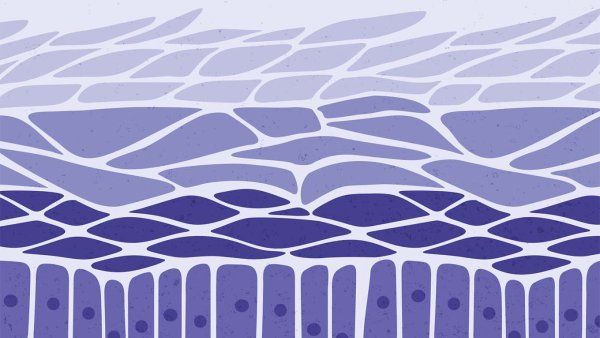
Your skin reveals more than you’d think. UCSF researchers are using it to catch cancer earlier and decode diseases throughout the body.
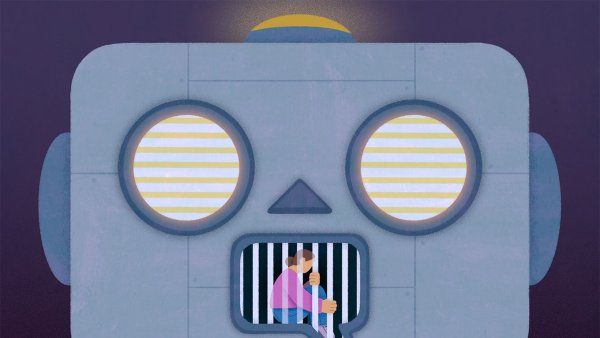
A UCSF psychiatrist explains what’s really going on with chatbots and mental health.
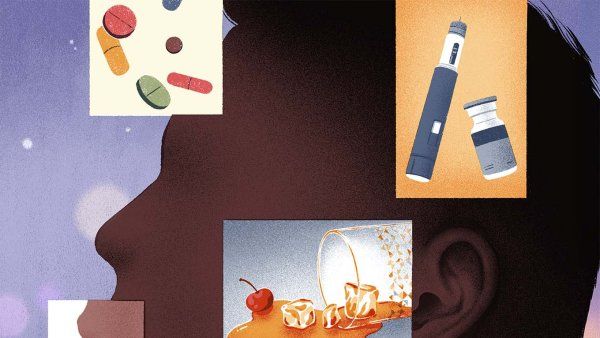
GLP-1 drugs are known for weight loss. UCSF researchers are testing whether they also dial down alcohol and opioid cravings.
“Humans can't design proteins.” That’s what one scientist was told. Decades later, UCSF labs are doing exactly that — with AI.
“How are we going to save victims of cardiac arrest if we don’t know which ones are really cardiac?” A UCSF cardiologist’s 15-year investigation is upending what we thought we knew about sudden death.
“The cognition crisis is not just a clinical problem. It’s a problem for our species.” UCSF scientists on what screens are doing to our minds — and how to get your focus back.

UCSF researchers discover how some of our hardest-working organs stay healthy: by recruiting immune macrophages to dispose of spent batteries (mitochondria) while heart/muscle/fat cells burn energy.
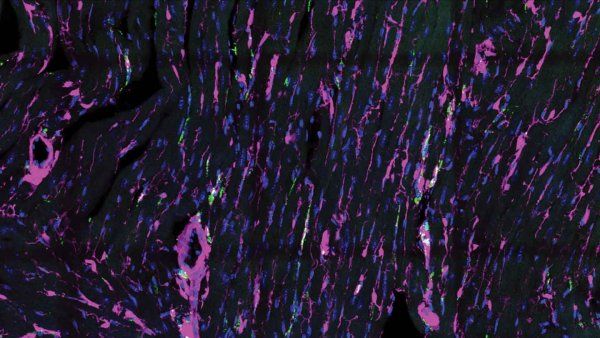
UC San Francisco study data was instrumental in today’s approval by the Food and Drug Administration (FDA) of a PET imaging agent that helps physicians evaluate gliomas, a form of brain cancer.The
Valerie Weaver's team discovers why stiff tissue is a risk factor for breast cancer: it spurs immune cells to release DNA-damaging chemicals, which cause the mutations that ultimately lead to cancer.

A UCSF-developed program that integrates behavioral health support for children and caregivers into routine pediatric care is poised to extend across California with a $17 million investment from the
Andrew Ko, who led UCSF's trials of daraxonrasib based on discovery science, tells what to know about the medicine, the science behind it and what it means for patients. . On the heels of the drug's FDA approval, he
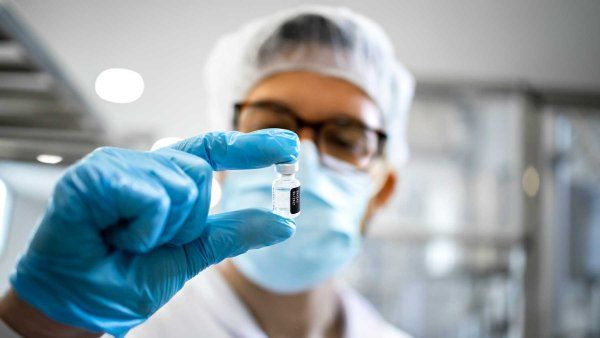
UCSF researchers helped test the first personalized mRNA cancer vaccine shown to prevent melanoma from returning or spreading, marking a breakthrough in cancer treatment.
Jason Nagata, MD, MSc, discusses the health dangers of excessive social media use on the health of children, in response to an August 2026 announcement of a $17.1 billion settlement regarding children and teen addiction to their platform.

An international research network led in North America by UC San Francisco (UCSF) has received a $9 million award from the Leducq Foundation, a cardiovascular research funding organization, to uncover
The UCSF Quantitative Biosciences Institute (QBI) has received a significant grant to fund autism-related research.