
4 UCSF Faculty Members Named NIH New Innovators
Gerdts, Kashem, Pownall, and Zaro receive five years of federal funding for high-risk, high-reward research.
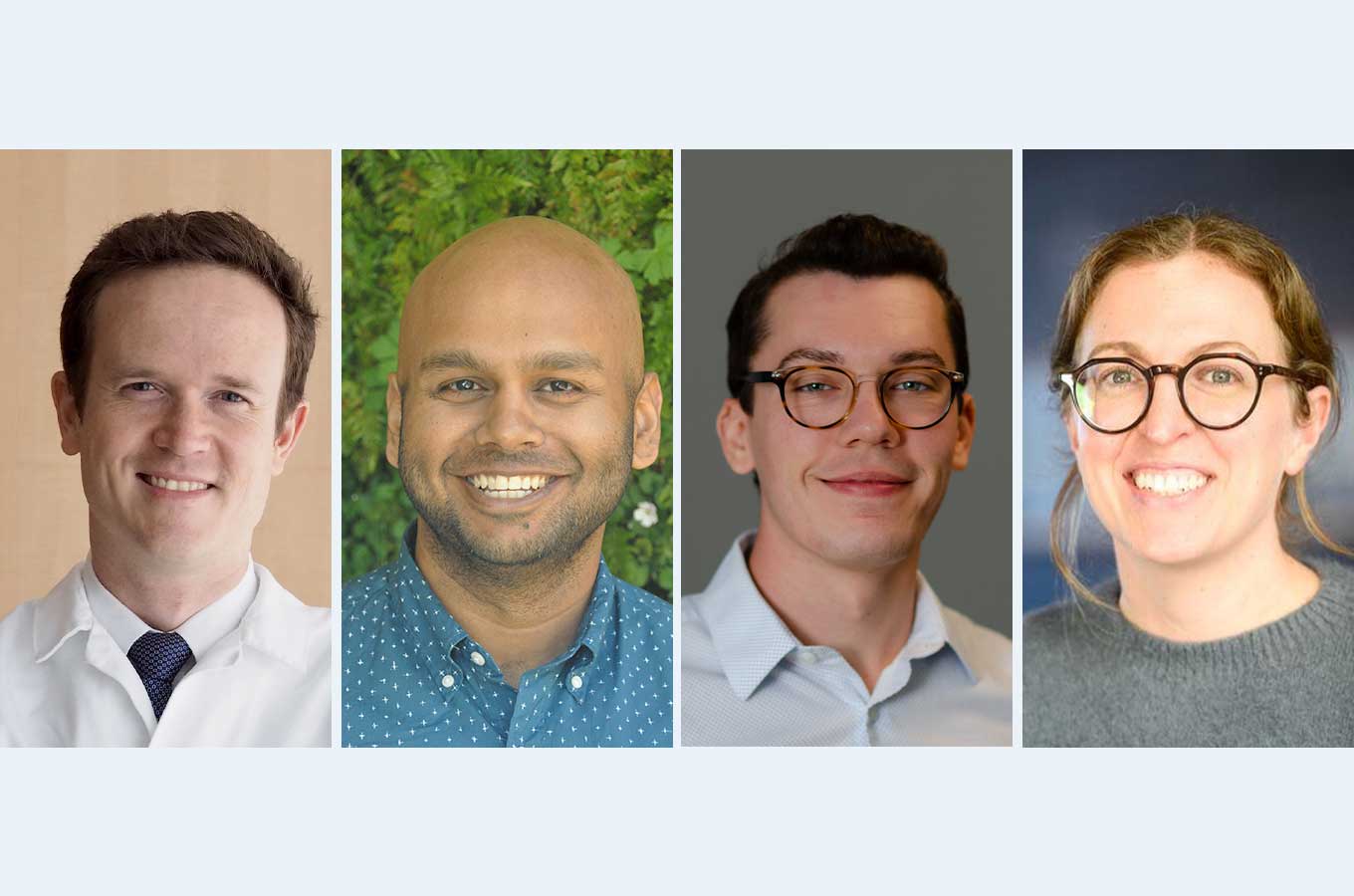
It isn’t easy getting a fledgling biomedical laboratory off the ground. Besides great research ideas, new investigators need to find an institutional home, facilities and equipment for experiments and analysis, and motivated students and post-docs. None of it comes cheap.
But thanks to an assist from the National Institute of Health’s Common Fund, four of UCSF’s early-career faculty members now have ample financial resources to pursue their most ambitious research goals.
Josiah Gerdts, MD, PhD; Mark Pownall, PhD; Sakeen Kashem, MD, PhD; and Balyn Zaro, PhD, will each receive over $2 million in total over the next five years as members of the 2026 class of New Innovators in the Common Fund’s High-Risk, High-Reward Research (HRHRR) program.
Unlike the NIH’s traditional institutes (think “National Cancer Institute”), which support work on specific diseases or organs, the NIH Common Fund supports work that spans the scientific domains.
The program “encourages investigators to think beyond established scientific boundaries and to pursue revolutionary ideas across the NIH mission to advance knowledge and enhance health.” The New Innovator Program specifically funds early career investigators who have yet to receive an R01 award — the bread-and-butter grant for established labs.
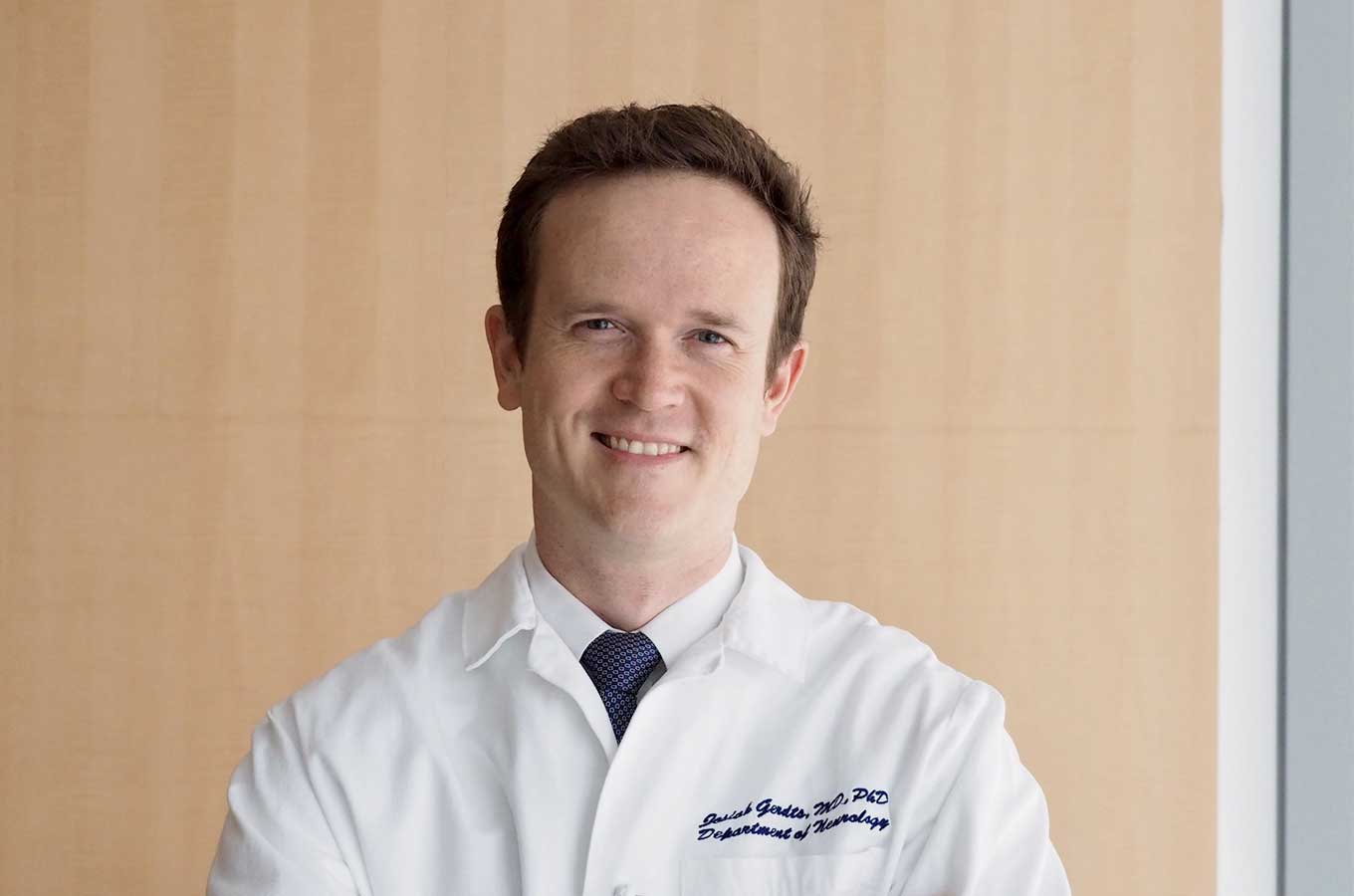
Josiah Gerdts, MD, PhD is an assistant professor in the Weill Institute for Neurosciences. He has developed a technology that identifies the targets of T cells — immune cells that can contribute to autoimmune disease, similar to how autoantibodies mistakenly guide other immune cells to attack the body.
Gerdts is working with UCSF colleagues Joe DeRisi, PhD; Michael Wilson, MD; Aaron Bodansky, MD; Javid Moslehi, MD; and others to gain a better understanding of the role of T cells in multiple sclerosis, lupus, and other diseases. It could lead to therapies that rein in the many culprits of autoimmune dysfunction.
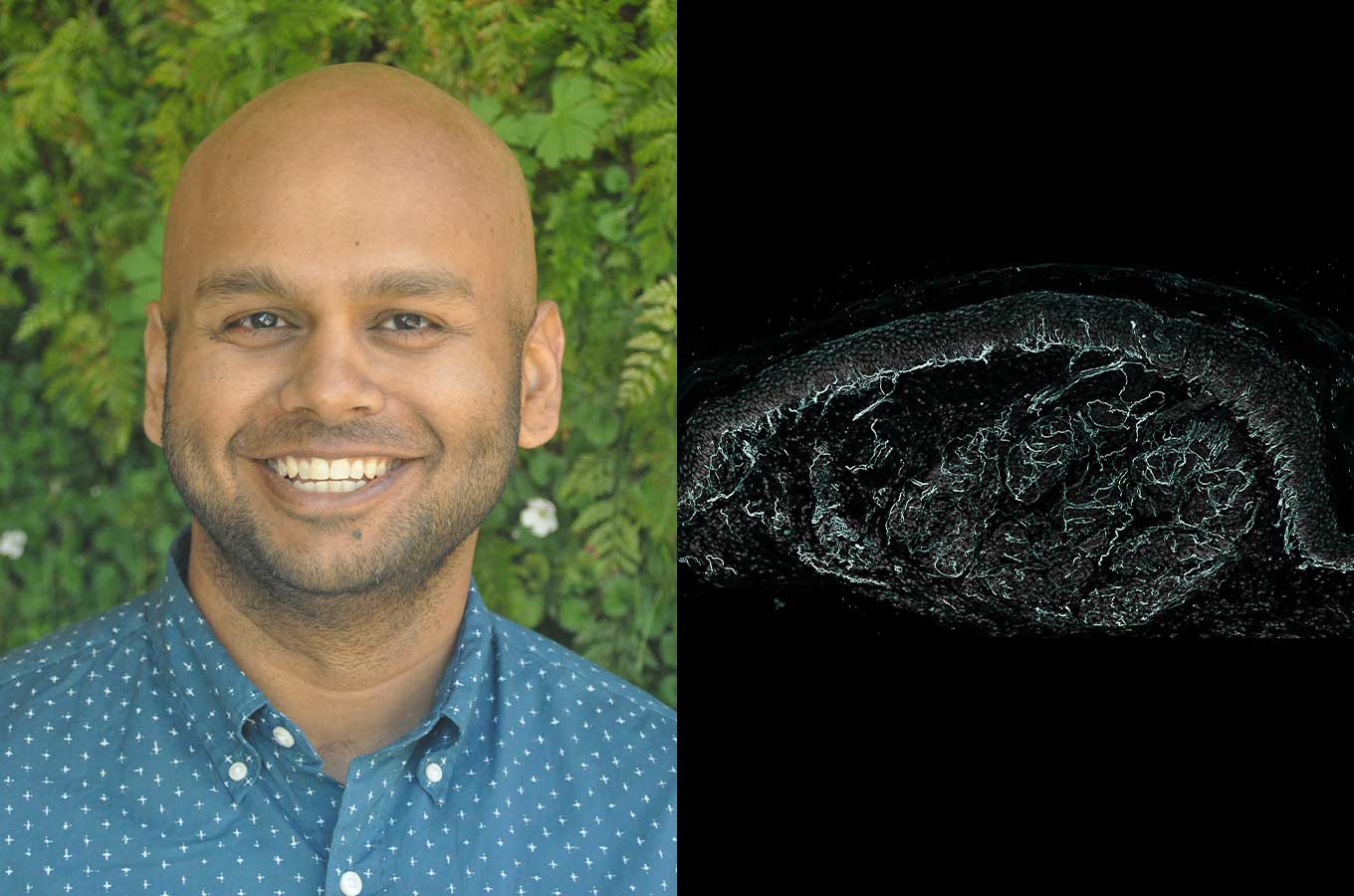
Sakeen Kashem, MD, PhD, an assistant professor of dermatology at UCSF, has witnessed how the immune system and nervous system influence each other both in the neurobiology lab and in his dermatology patients. He wants to understand the dialogue between immune and nerve cells to treat various disorders — part of the growing field of neuroimmunology.
To do it, Kashem is using single-cell sequencing techniques to decipher neuro-immune chatter. He’s found early evidence that Schwann cells, which maintain the insulation around nerves, respond to inflammation, which comes from immune cells. Kashem ultimately wants to program healthier messages into therapies that might someday be used to treat conditions like chronic pain and fibromyalgia.
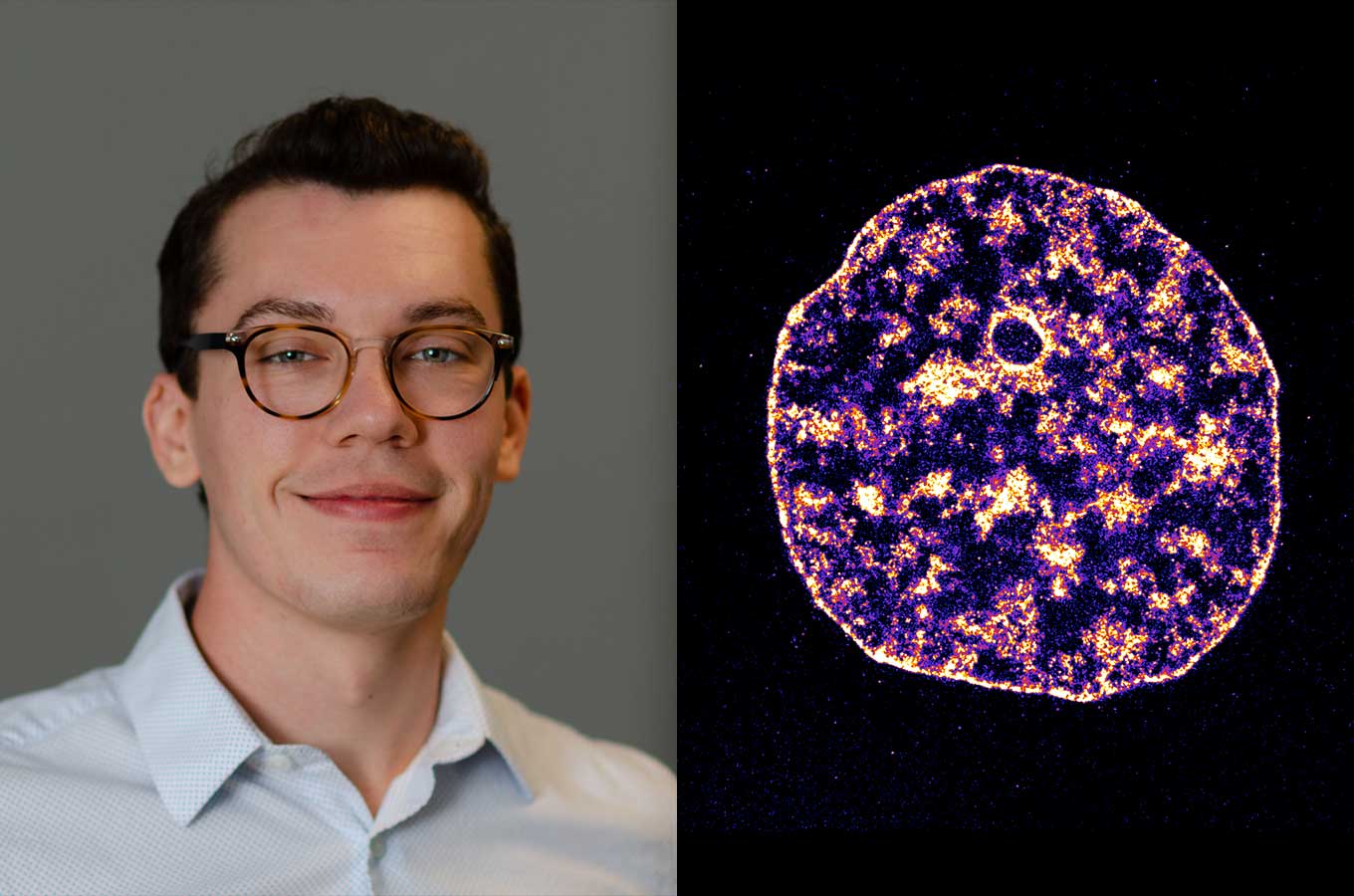
Mark Pownall, PhD, is a Sandler Fellow at UCSF. He studies the earliest stages of life, from fertilization of the egg — a single cell — to its maturation into an embryo with a few thousand cells. During that time, these young cells must establish the biological rules that guide the growth of different tissues and organs in the right order and to the right size.
Pownall has honed a technique that expands zebrafish embryos to 6,000 times their normal volume, holding all the internal parts of the embryo in the same relative positions — making them easier to see under a microscope. He’s observed that just a few hours after fertilization, the genome is rearranged so the right genes can be expressed in the right order in each cell. This organization is critical as the embryo begins to build organs like the heart, lungs, and brain.
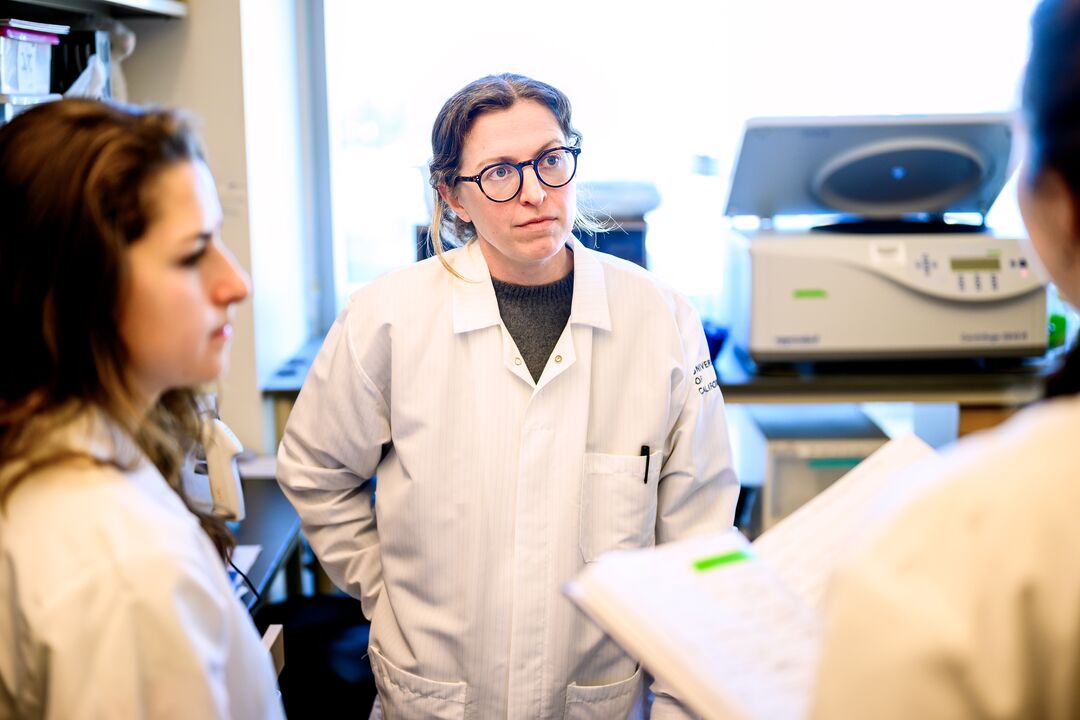
Balyn Zaro, PhD, is an associate professor of pharmaceutical chemistry in the UCSF School of Pharmacy. She’s discovered that immune cells called macrophages — the body’s “big eaters” — can steal proteins from other cells and then use those proteins in meaningful ways. It bucks the dogma that gene expression, which leads to the production of proteins, fully explains the origins of every protein in the cell.
The work is particularly valuable because of the role that macrophages play in cancer. In some solid tumors, like those of lung, liver, or brain, more than half the cells are macrophages that behave like cancer. Zaro is working out if these stolen proteins are behind macrophages’ defection from helping the body to helping the tumor, and whether it can be reversed.