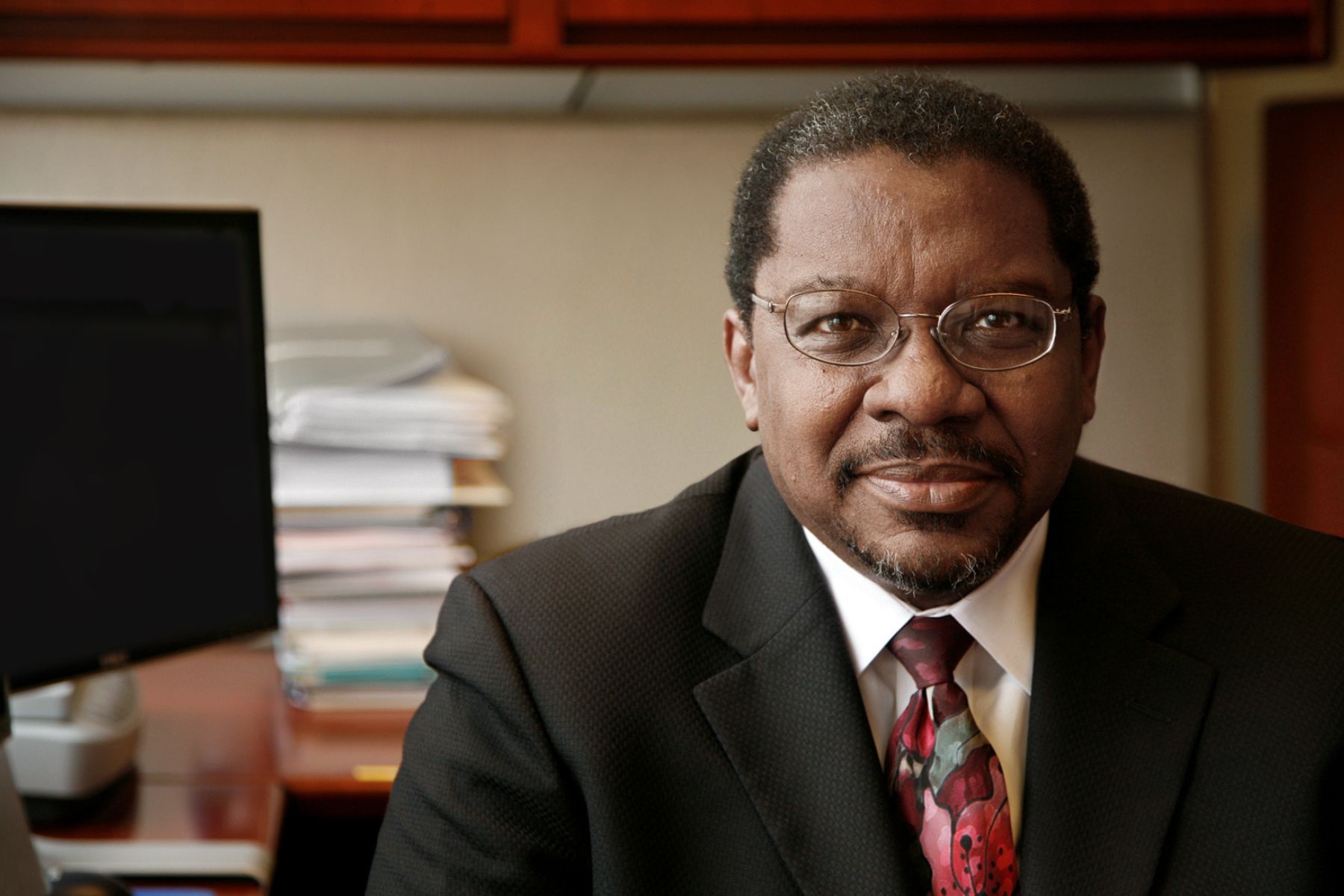
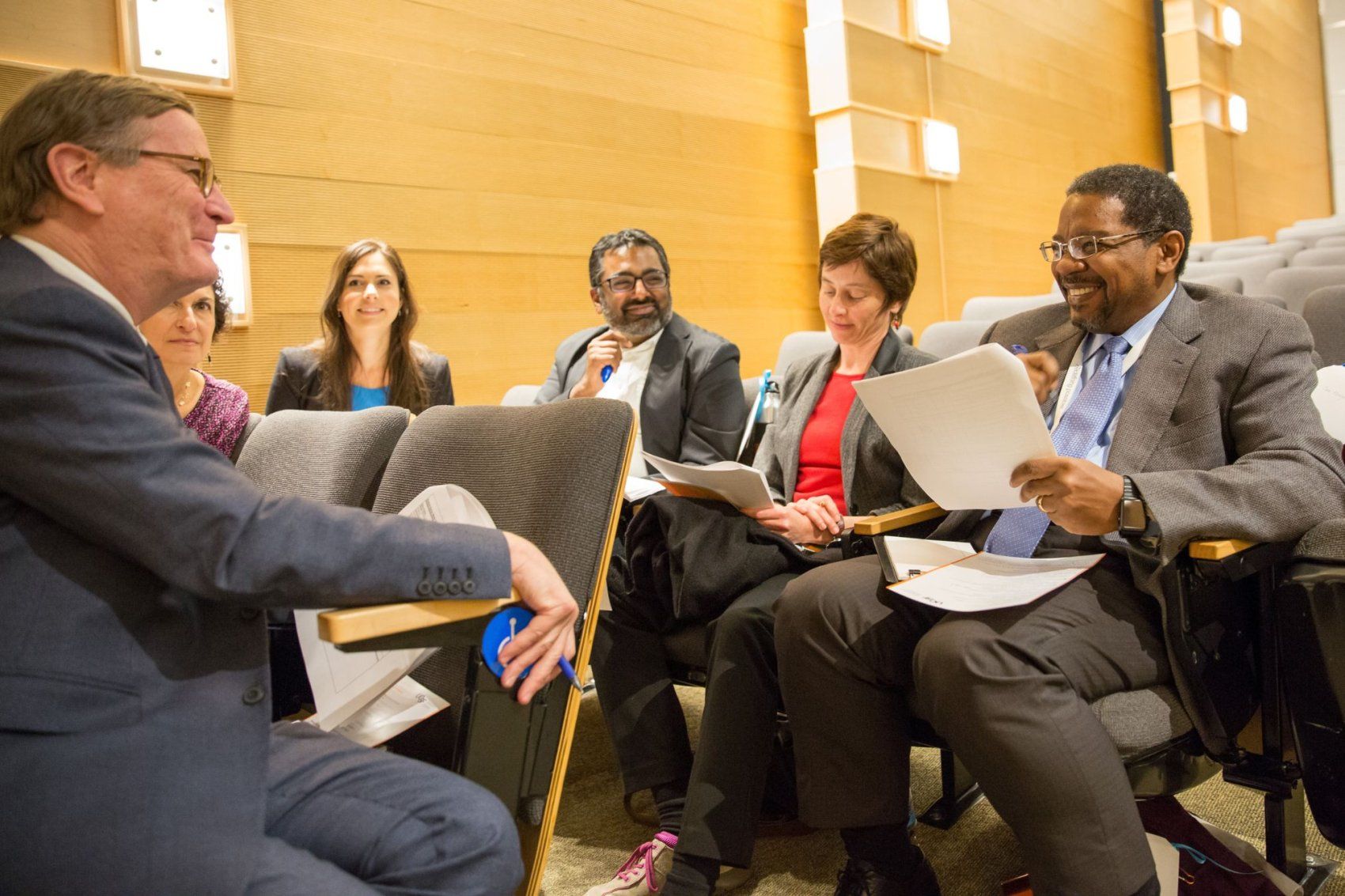
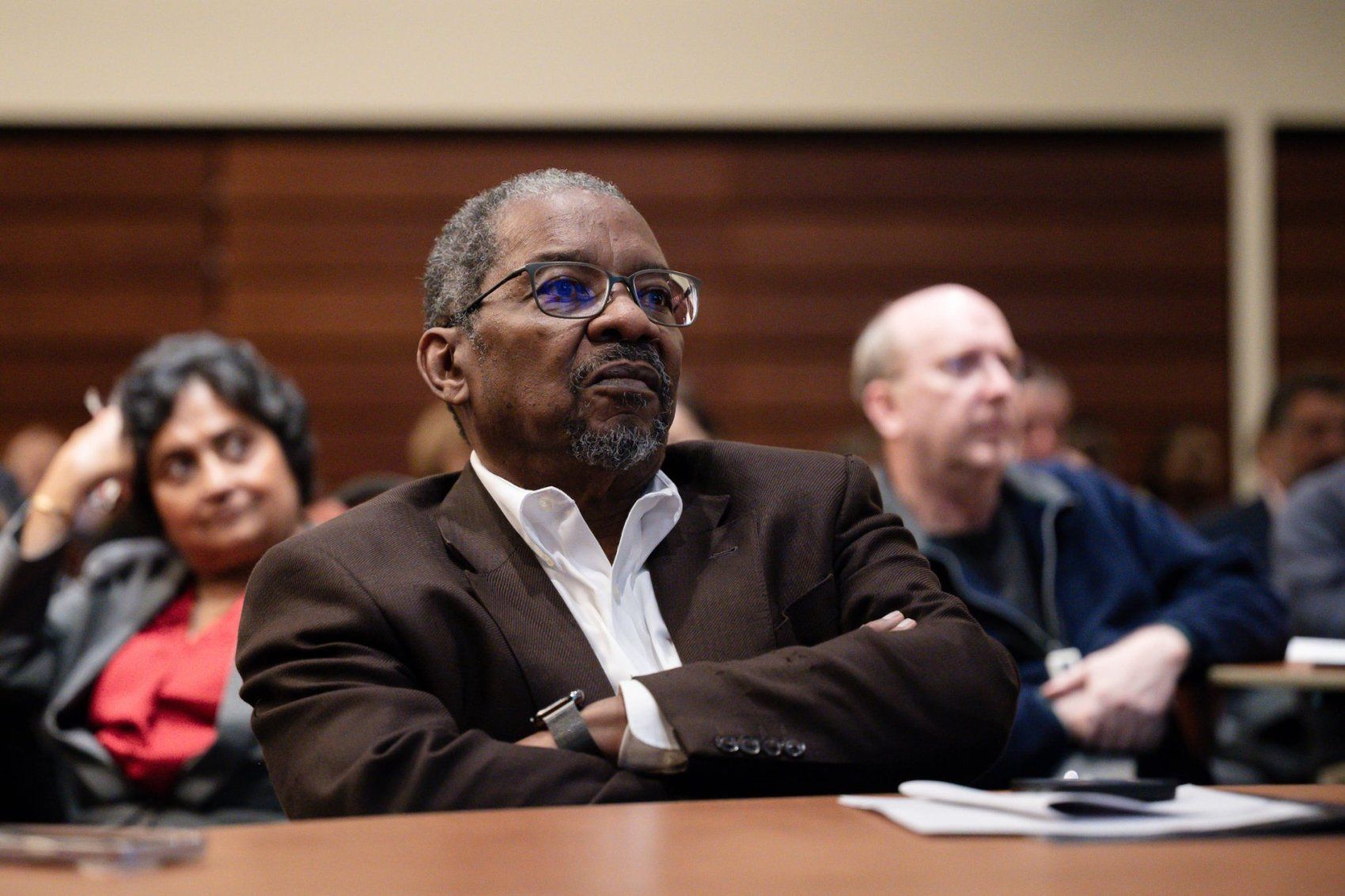
In meetings, Talmadge King Jr., MD, is rarely the first to speak. But he is often the last.
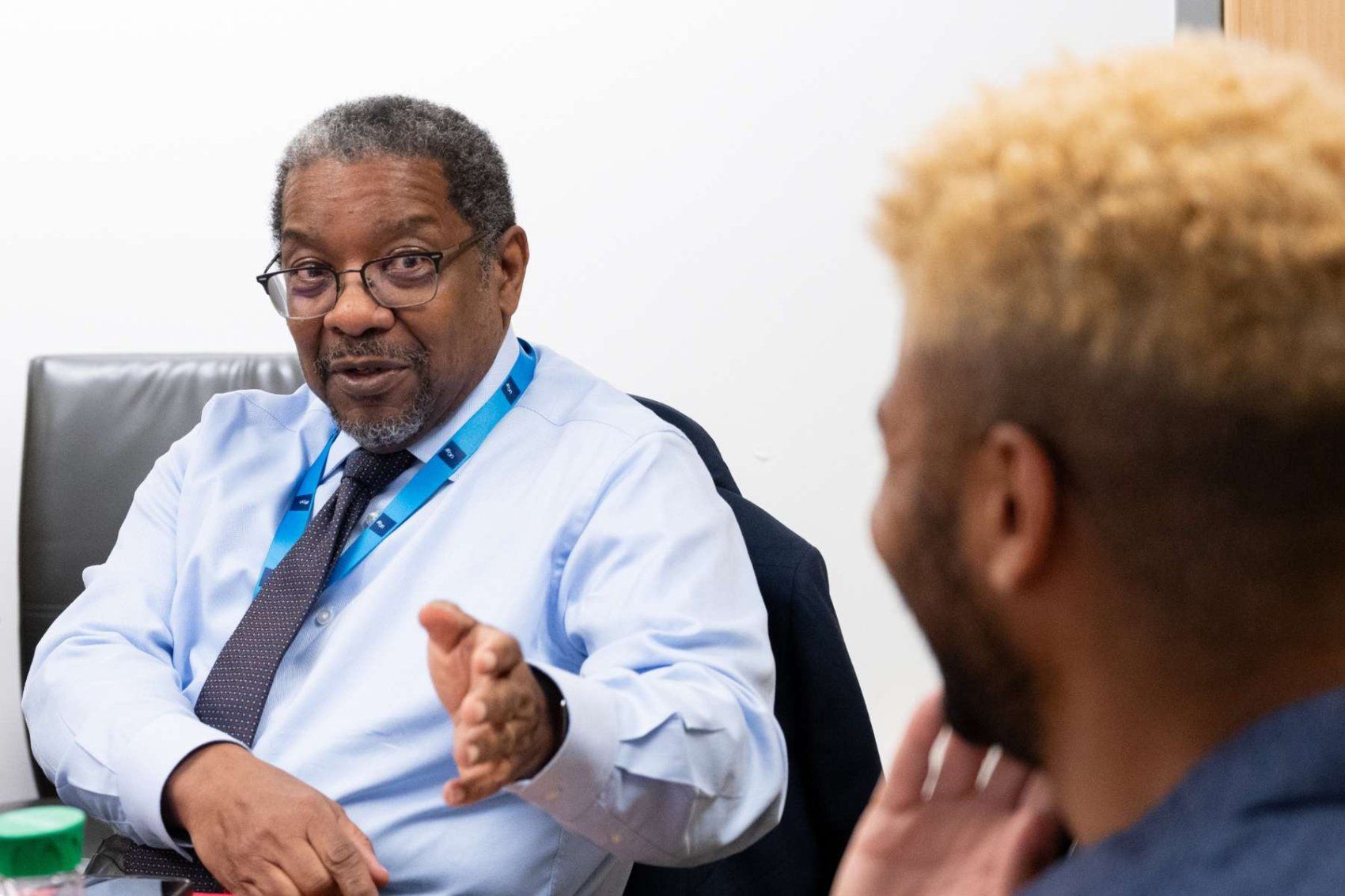
As the issue is debated, the dean of the UCSF School of Medicine listens as others weigh in. Minutes pass. Then, just as the hour is about to run out, King leans in.
“He’ll listen to people debate a topic for most of the meeting,” says Executive Vice Chancellor and Provost Catherine Lucey, MD. “And then, right at the end, he’ll reframe the whole problem.”
He’s known for his rock-solid integrity. You can trust him without reservation.
Sam Hawgood, MBBS
The moment is easy to miss. Yet it captures the way King, who is stepping down after 11 years as dean and vice chancellor for medical affairs and nearly three decades at UCSF, has led. Not by dominating the room, but by understanding it and steadily guiding it toward a decision.
More than any major event or high-profile initiative, that quality has defined King’s tenure. Beloved for the folksy “Talmadge-isms” he uses to cut through complexity, King is also widely admired for his financial stewardship, his success in sustaining and elevating the school’s national standing, his ability to recruit exceptional leaders, and his commitment to a culture grounded in trust and shared values.
“Talmadge creates the conditions for others to succeed and supports them in doing their best work. And he’s known for his rock-solid integrity. You can trust him without reservation,” said UCSF Chancellor Sam Hawgood, MBBS.
“He’s kept the school very steady, committed to the missions,” Hawgood continued. “And that’s despite some key challenges, including coming in on the tail end of a recession, the pandemic, and ongoing pressures out of Washington.”
From coastal Georgia to UCSF
King, an internationally recognized expert in lung disease, still seems bemused by the chain of events that carried him from Darien, Georgia, a coastal town of about 2,000 people, to Harvard Medical School and, ultimately, to leading one of the nation’s top medical schools.
“I thought they’d figure me out and I’d be gone,” he says with a laugh.
The eldest of five children, King spent much of his childhood shadowing his father, an electronics repairman who later became one of the area’s first Black police officers. His mother was a teacher who deeply valued education and completed her own college degree the week after King graduated from high school.
A summer academic program in Knoxville, Tenn., introduced him to college recruiters and helped him recognize his own potential. Coming from a small, segregated school in rural Georgia, he chose not to attend a large university. Instead, he opted, sight unseen, for the opposite: Gustavus Adolphus College, a small liberal arts school in St. Peter, Minn.
He believed the supportive environment would give him the best chance to succeed, and it did. As an undergraduate, he attended a health careers program at Harvard Summer School, an experience that solidified his decision to pursue medicine. Still, he was stunned when he was accepted to Harvard Medical School. After graduating in 1974, he completed an internal medicine residency at Emory University Affiliated Hospitals in Atlanta.
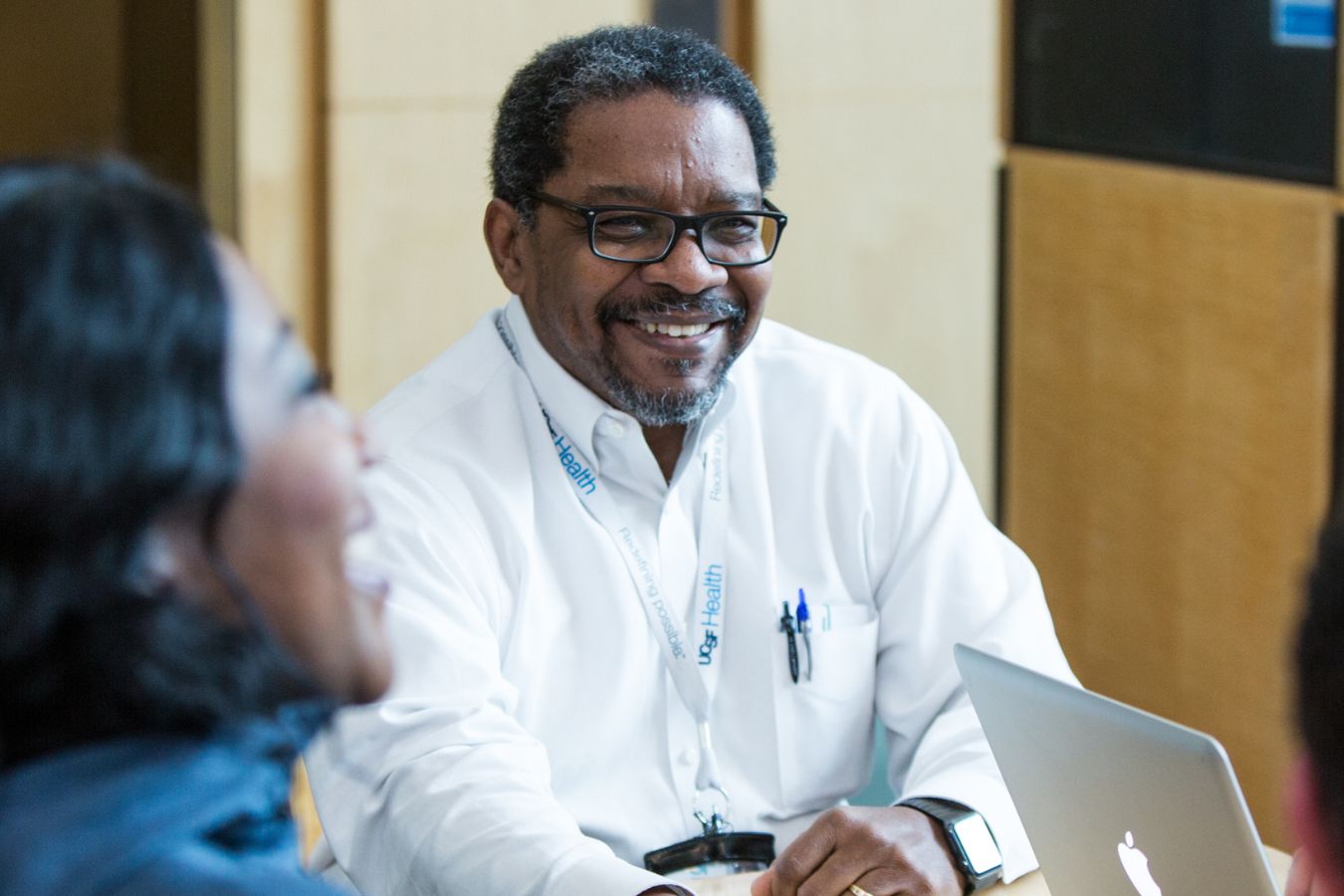
King had two opportunities to move to San Francisco during his career, but only the second one stuck.
After residency, he decided to specialize in pulmonology and was accepted into a fellowship program at both UCSF and the University of Colorado. Although he seriously considered UCSF, he ultimately chose Colorado, largely for financial reasons. Married with two daughters, he believed it was the right decision for his family.
A physician-scientist, King became a leading figure in interstitial lung disease, helping define the group of conditions that cause scarring and inflammation in the lungs, while advancing their treatment. Much of that work took place at National Jewish Hospital in Denver. He has authored more than 300 publications and co-edited eight books, including the acclaimed reference text, Interstitial Lung Disease.
After two decades in Colorado, he had no plans to leave. But in 1997, he was recruited for the same position –– chief of medicine –– at both Denver General Hospital and San Francisco General Hospital. This time, he chose San Francisco.
“It had a diverse patient population, a very strong faculty, and they were interested in research,” King said. “I didn’t want to go to a place just to do care. I wanted to find ways to make it better. And San Francisco seemed like the right place.”
Talmadge-isms” — phrases such as “the dead, smelly cat.
Sam Hawgood, MBBS
Trademark Talmadge-isms
In 2006, King became chair of the UCSF Department of Medicine, the largest department in the school. During his tenure, he worked closely with Hawgood, who was then dean of the School of Medicine. Hawgood described King’s transition to dean in 2015 as seamless.
“He had already earned the trust of the faculty and leadership, and we both understood how each other worked,” Hawgood said.
Any conversation about King quickly turns to his trademark “Talmadge-isms” — phrases such as “the dead, smelly cat,” “ringing the bell,” and “going to Abilene.”
The “dead, smelly cat” is King’s way of naming the problem everyone in the room is politely tiptoeing around. “Ringing the bell” marks the moment when a decision has been made. And “going to Abilene”? That refers to a management concept in which a group agrees to something no one actually wants, yet somehow ends up doing anyway.
“The three memes — the cat, Abilene, and ringing the bell — are all emblematic of his personality,” said Robert Wachter, MD, chair of the UCSF Department of Medicine.
“He’s not strategically heavy-handed. He wants to hear everyone’s perspective, then zeroes in on what people are really worried about but reluctant to say. From there, he helps the group reach a real decision and makes sure it’s clear that a decision has actually been made, which is surprisingly hard to do.”

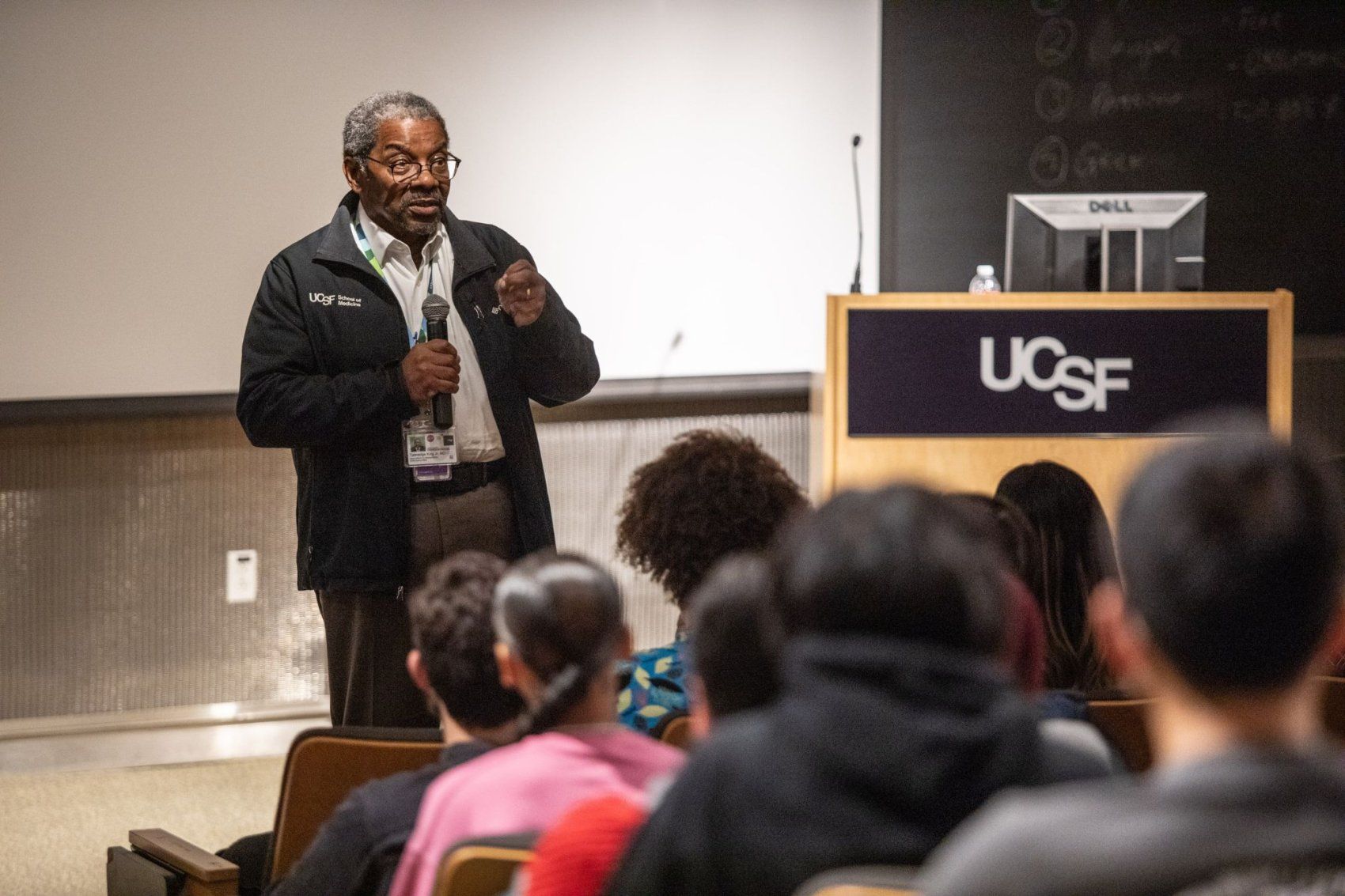
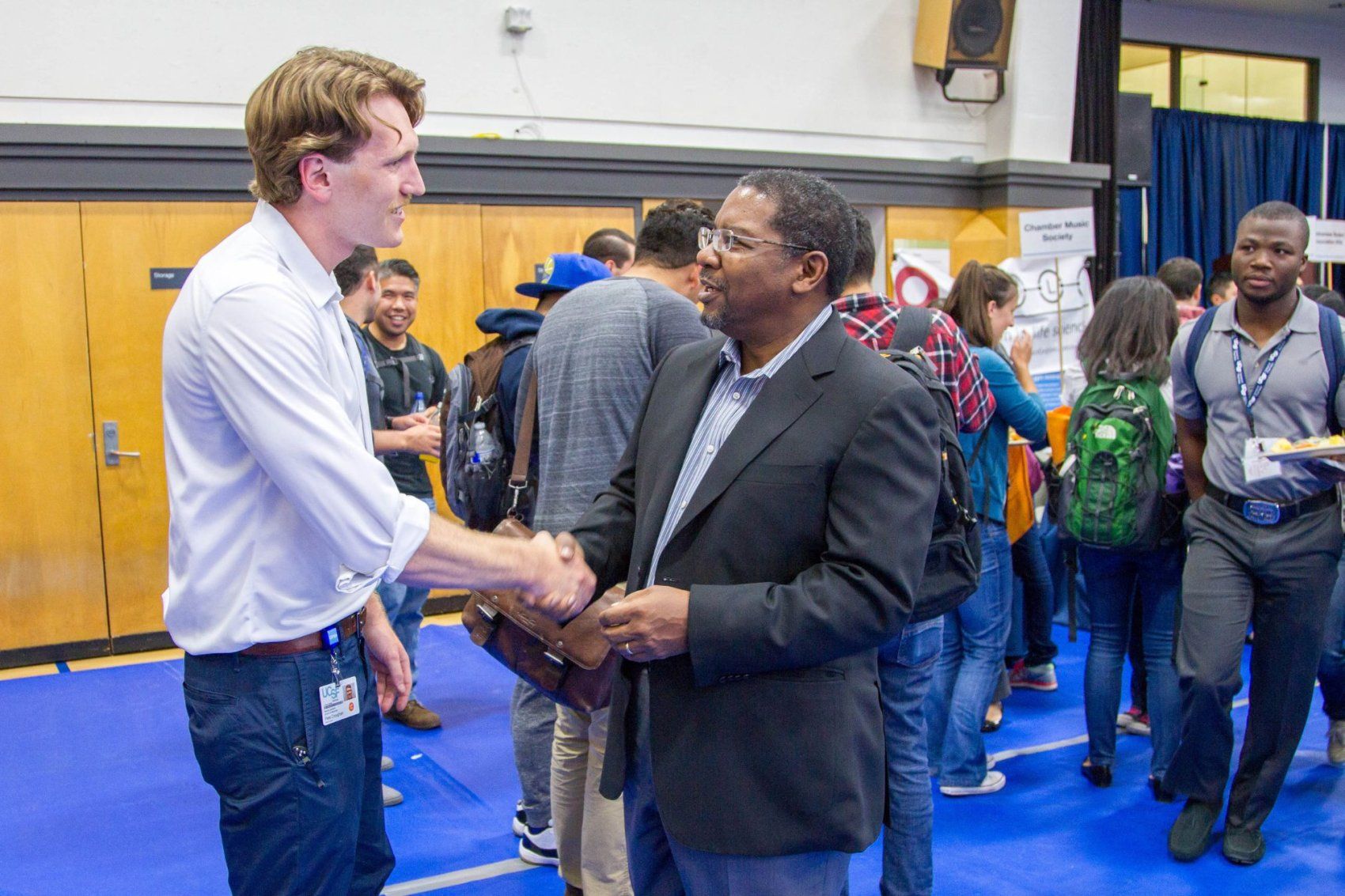






Leading from the middle
King said his approach depends on embracing complexity and diversity. He sees UCSF not as a tidy institution, but a sprawling, decentralized one — filled with strong personalities, competing ideas, and constant pressure to evolve. Its strength lies in its diversity, broadly defined: of backgrounds, disciplines, perspectives, and ways of thinking.
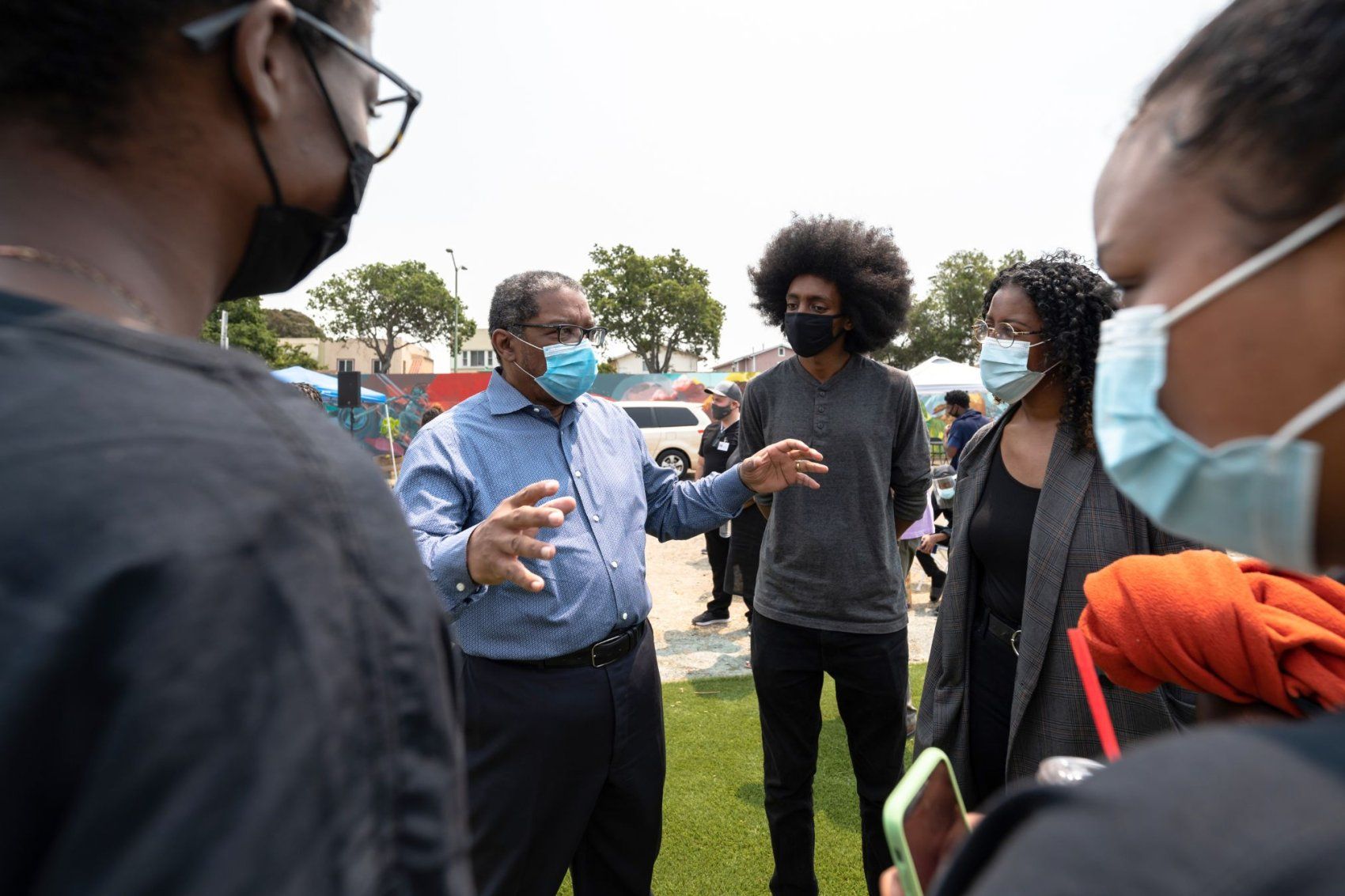
“My leadership philosophy is to lead from the middle,” King said. “I’ve not come in trying to be the boss. I’ve come in trying to be basically an orchestra leader who can get the whole band in sync and doing the right job.”
As he prepares to step down, King is already thinking about what comes next –– both for himself and for the institution he’s helped shape. A national search is underway for his successor, with plans to name a new dean this summer.
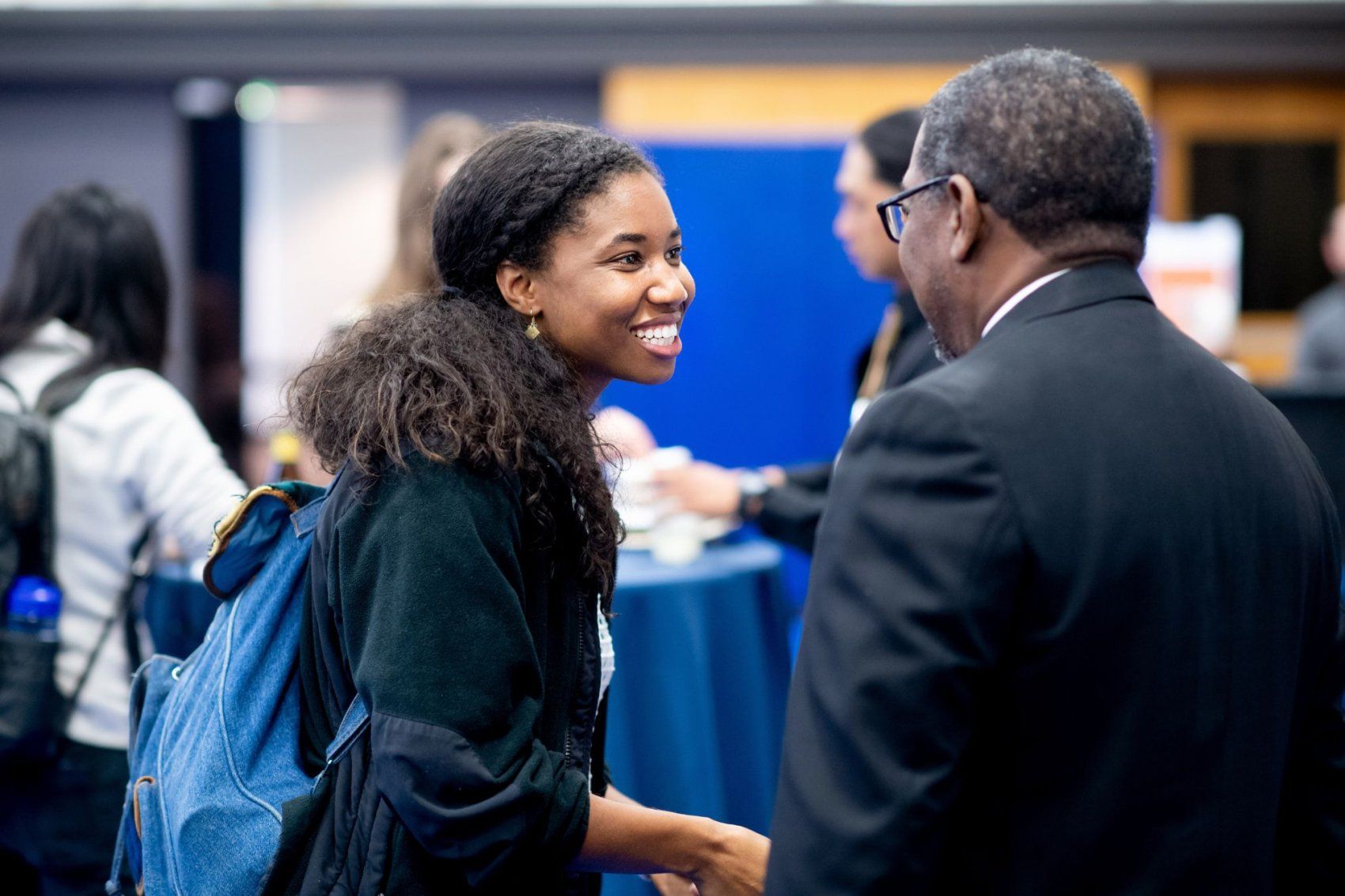
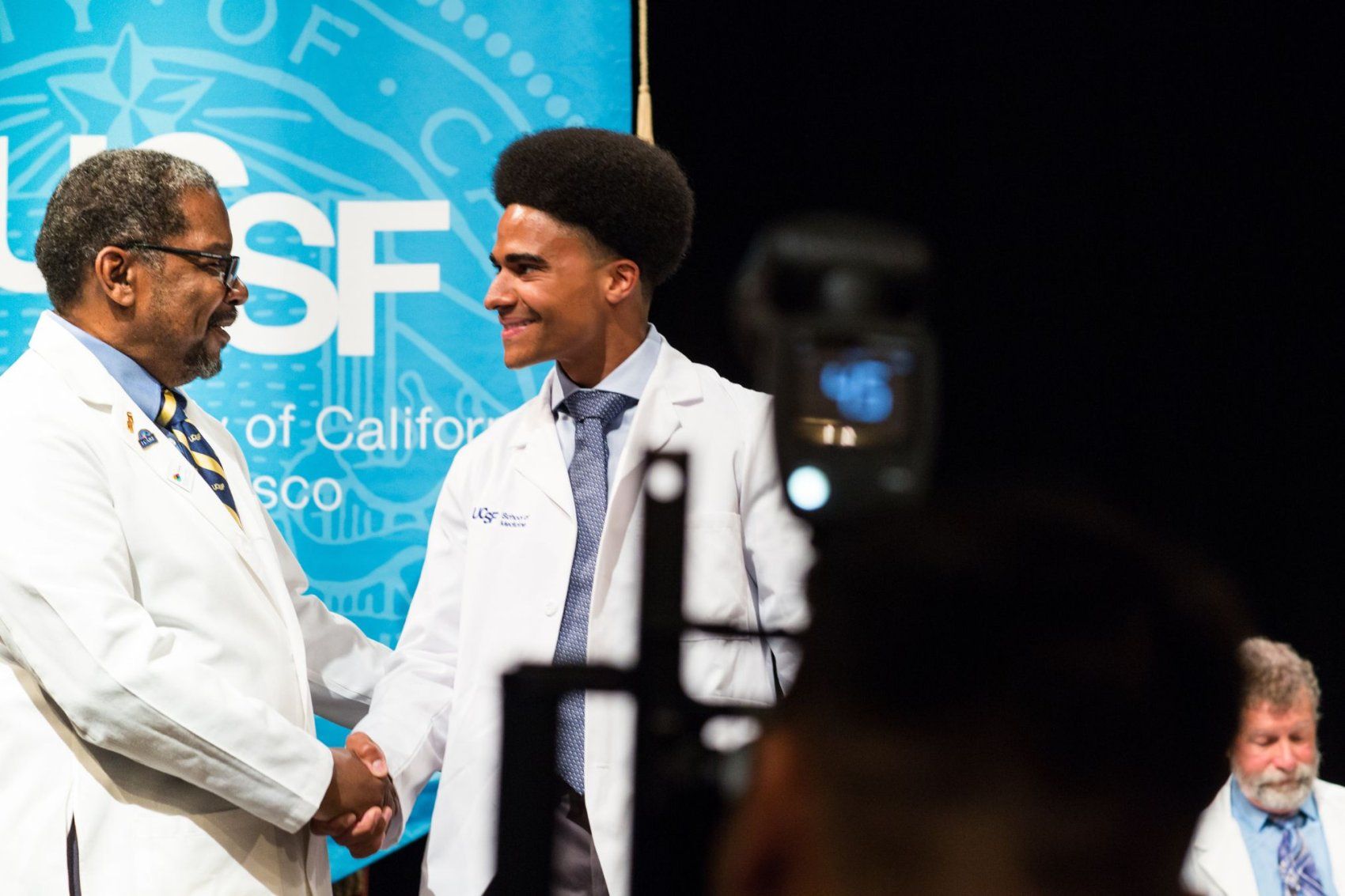
For his part, King isn’t going far. He plans to take a sabbatical, travel and possibly write, and then return to the faculty to continue teaching and mentoring. Mentorship has been a constant thread throughout his career, shaped by the teachers and advisors who guided him early on.
When he reflects on the institution he has spent nearly three decades helping to lead, King makes clear that UCSF’s strength has never come from being polished or perfectly streamlined. It comes from its ability to bring together people with different perspectives and ideas, and continuing to move forward, even when the work is difficult and messy.
“People expect UCSF to be like a thoroughbred — like Secretariat, this beautiful animal that wins every race. But we’re not a thoroughbred,” King said with a chuckle. “I say we’re more like a camel — big feet, multiple humps. We can carry a load through the desert without water. That’s who we are as a community. At the end of the day, we get the work done. And we don’t stop.”