2 of UCSF’s Best Mentors Reveal the Keys to Successful Mentoring
Award-winning mentors reveal their successful approach.
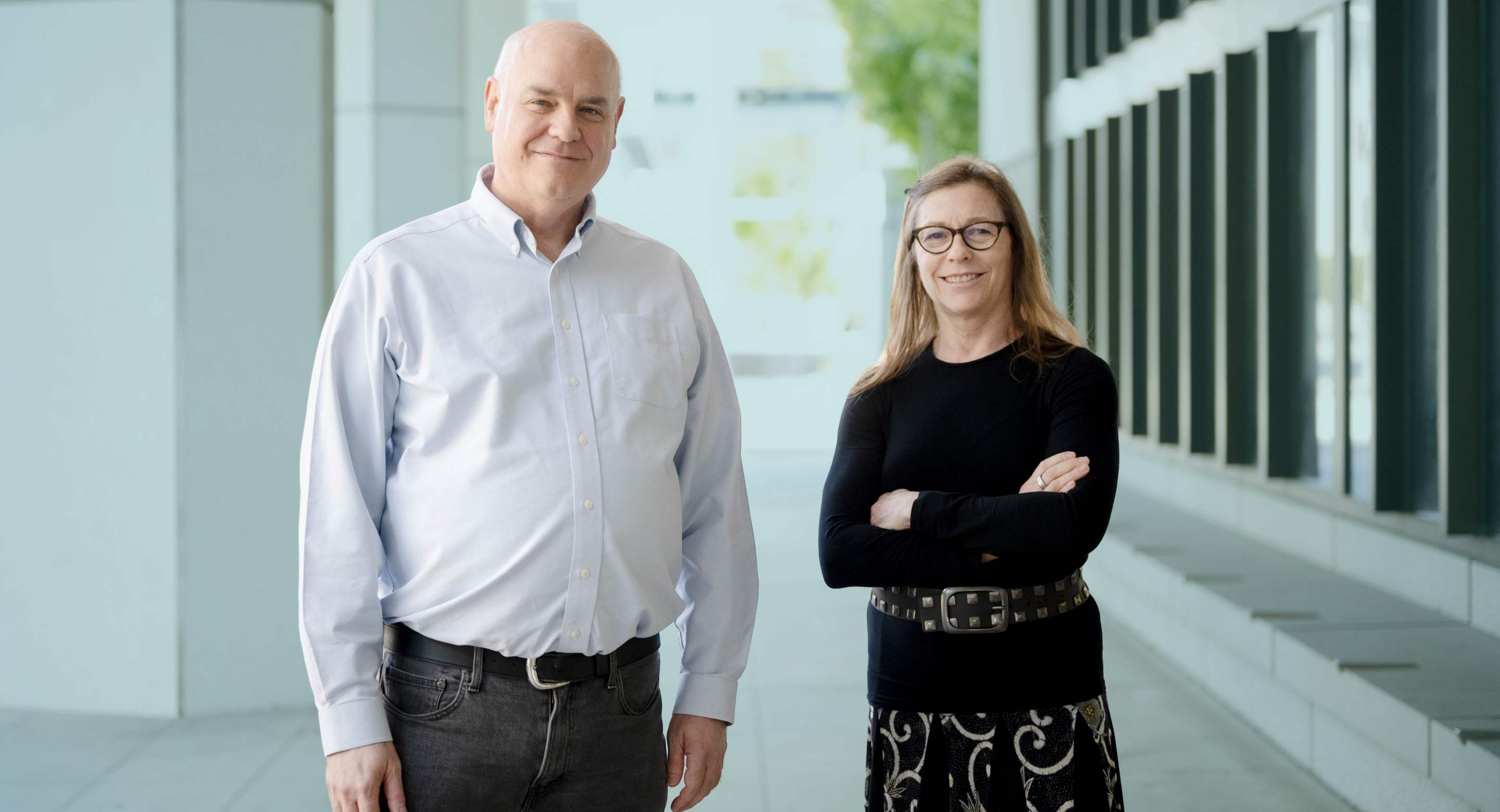
There’s no one better to ask about mentoring at UC San Francisco than Judith Hellman, MD, and Tor Neilands, PhD.
Both have been honored with the 2025 Lifetime Achievement in Mentoring Award, presented annually through the UCSF Office of Faculty and Academic Affairs’ Faculty Mentoring Program. In recent years, the award – recognizing the sustained commitment of senior faculty to mentoring – has been presented to Monica Gandhi, MD, MPH, and Kevin Shannon, MD, and Holly Ingraham, PhD.
While the award often goes to one deserving faculty member, it’s now gone to two faculty members in the same year five times since it was created in 2007.
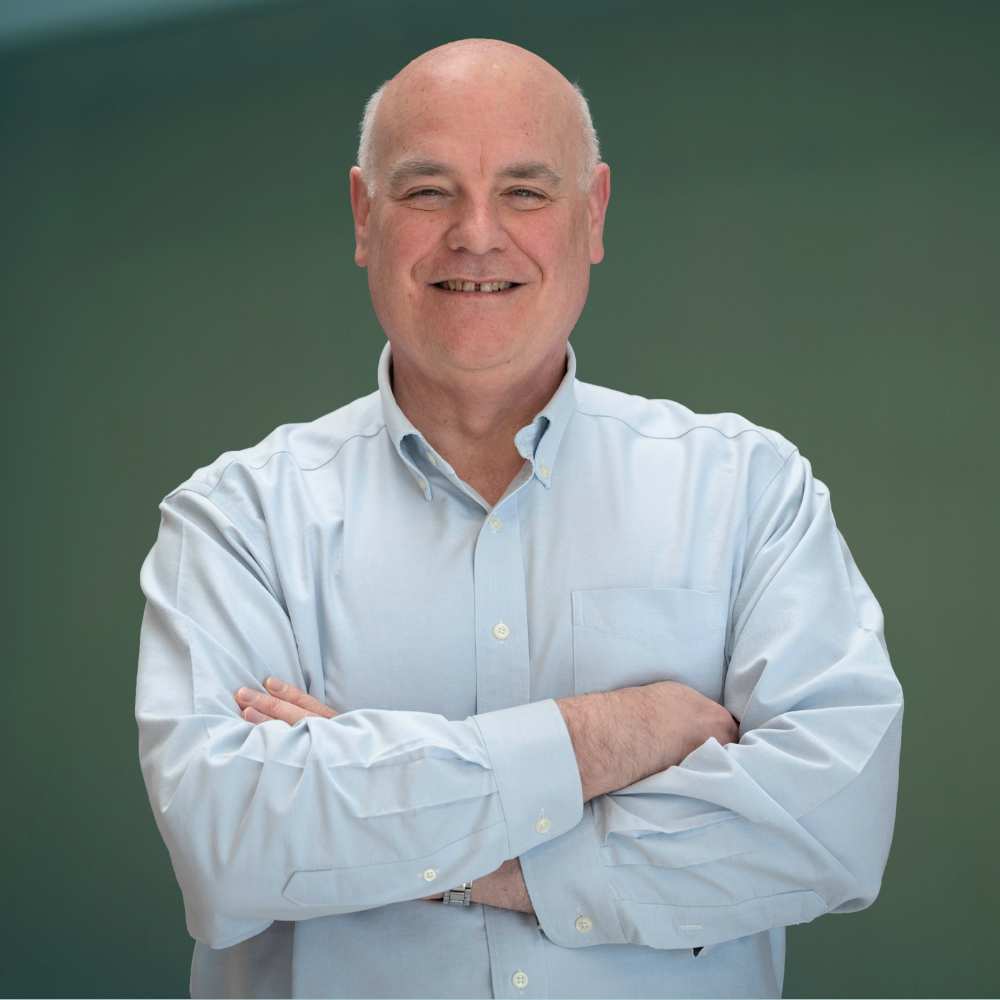
Neilands is an adjunct professor of medicine in the UCSF Department of Medicine’s Division of Prevention Science. He’s also director of both the Center for AIDS Prevention Studies (CAPS) Methods Core and Center for Aging in Diverse Communities Analysis Core, and co-director of the division’s Summer Visiting Professors Program.
He’s been at UCSF since 2001 and specializes in quantitative methods, mainly for the behavioral and social sciences.
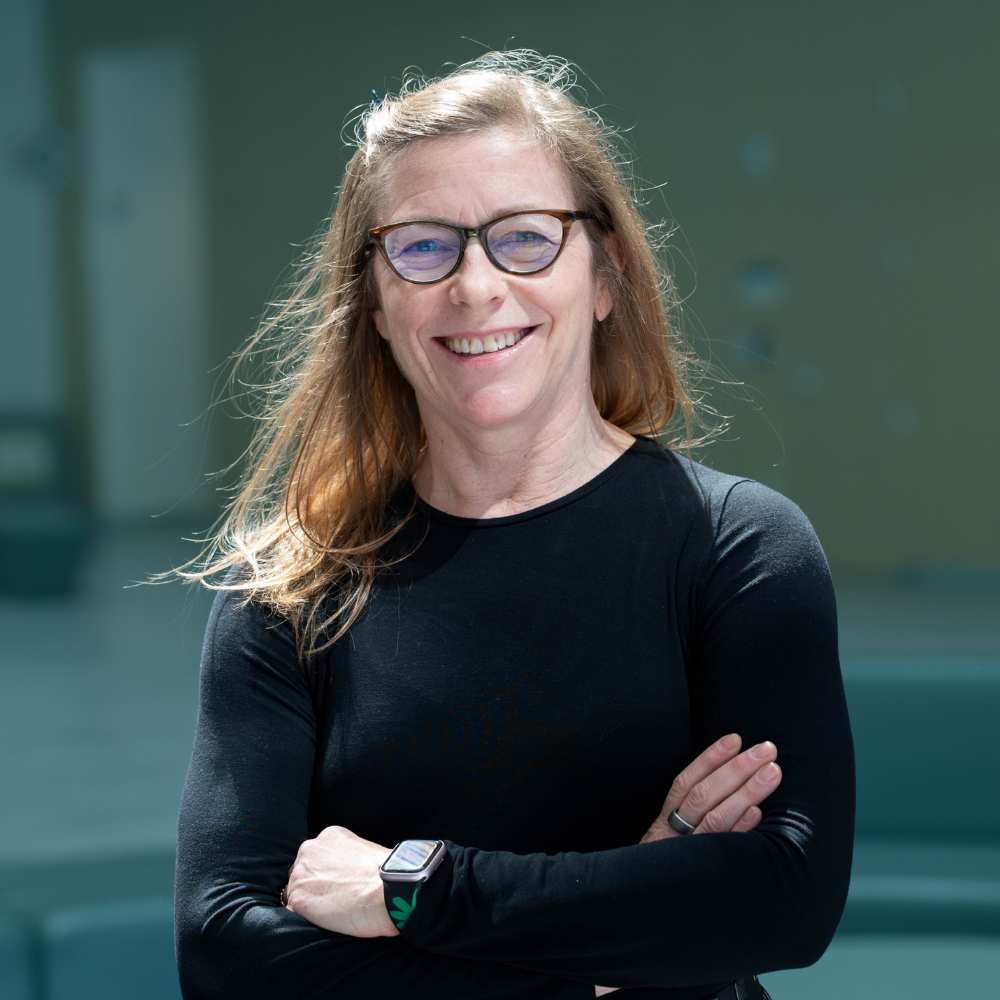
Hellman, who’s been at UCSF for 17 years, is the William L. Young, MD, Endowed Professor and vice chair for research in the UCSF Department of Anesthesia and Perioperative Care. She’s an ICU physician-scientist doing basic-translational research on sepsis and inflammation.
Neilands and Hellman told us about why mentoring is important.
What is good mentorship about?
Neilands: It’s about meeting people where they’re at and supporting them.
The simple part of it is you care about the mentee and you care about their outcomes, and you want them to succeed. You will do everything possible that you can to help them succeed. That really is kind of the core of successful mentoring at its basis.
Hellman: I think it comes down to being really committed. If this is somebody who you’re taking on, let’s say as their primary research or career mentor, you need to be committed to the process of mentoring in a very functional way. It’s about listening and trying to understand what that mentee is looking for, individualizing their training and career development plans, and making sure that you are a good fit.
The research mentor should be all in, ensuring the mentee is doing rigorous research, learning and using appropriate research methods, getting skilled in presenting their research ideas and findings, and understanding the ethical issues surrounding their research.
How do you connect with a mentee?
Neilands: It’s about brokering a connection. I try to provide a bit of empathy and support and be very responsive to people. I think one thing that gives me a leg up in terms of being an effective mentor is that I’m often mentoring people in a very specific type of activity having to do with quantitative data. I’m doing relatively less career mentoring and subject matter area mentoring than maybe a lot of other mentors might typically do. I try to be responsive and be a resource to early-stage scientists, especially those who may feel a little bit isolated or at sea.
Hellman: I’m pretty invested in mentoring. I’m accessible to those that I’m mentoring. I meet regularly individually and during lab meetings. I’m supportive and open to hearing ideas. At the same time, I’m demanding. I expect mentoring to be a two-way commitment between the mentor and the mentee.
I try to be clear about what that relationship is and I would say that my approach is individualized to each mentee, taking into account where they are in their research training or clinical training, as well as what they want to do in life and what makes sense for their careers.
I try to tailor how I mentor from a very functional standpoint.
Can I develop mentoring skills later in my career?
Hellman: I do think that people can develop mentoring skills later in their careers. My role in mentoring has evolved over the course of my career. I would have to say that my involvement in mentoring came about somewhat organically.
At the beginning of my career, I didn’t know I was going to be a basic translational scientist and mentor. But I always liked teaching. During my clinical training, I enjoyed teaching and guiding students and more junior trainees. I found that I liked teaching people how to do things and modeling behaviors. I always gravitated toward trying to help people figure out their careers.
It was incredibly important to have a good mentor for me, and then it sort of became well, “I’ve got to be a good mentor for people, too. How can I bring along others in a career that is both kind of meaningful to the world and meaningful to the individual?”
It’s a privilege to be able to mentor people. Of the things I do, mentoring is at the top. Being able to work with the next generations is really invigorating for me.
How do I get involved in mentoring?
Neilands: There are some really great mentoring resources at UCSF.
When I came here in 2001, mentoring was hardly on the map.
As an institution, UCSF has made a strong commitment to making mentoring an intentional activity rather than something that just happens if it happens. Recognizing excellence in mentoring through the Lifetime Achievement in Mentoring Award is just one example of this commitment. Now, there are so many resources, seminars, and training opportunities that people can avail themselves of to learn how to become effective mentors. I would encourage anyone who’s interested in assuming more of a mentoring role to avail themselves of those opportunities.