University of California San Francisco
Give to UCSF
Displaying 1 - 30 of 749
-
-
Could This Novel Therapy Calm Anxiety for Millions of Americans?
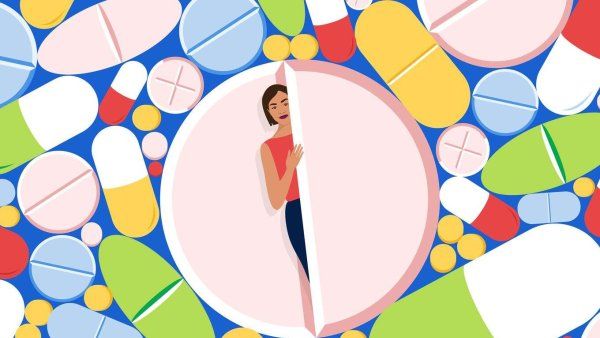
Generalized anxiety disorder affects 1 in 20 U.S. adults. Those with serious symptoms may isolate themselves to the point that they rarely leave their home.
-
Inhaling Cannabis May Greatly Increase Your Risk of Lung Disease
Researchers found smoking marijuana was associated with significantly increased risk of asthma, including among people who have never used tobacco cigarettes, and may also be associated with chronic lung disease.

-
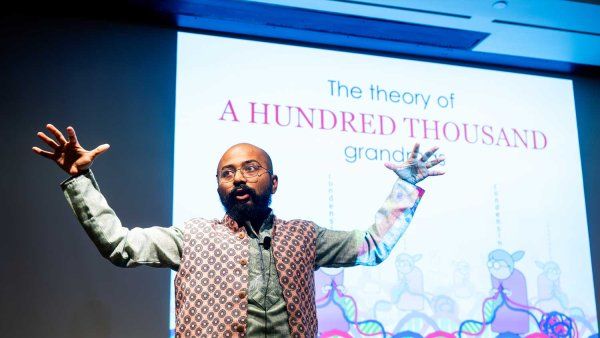
How 100,000 Grandmas Fight Cancer in Every Human Cell
A TED Talk-style presentation on the effects of tangled DNA strands took first place at this year's Postdoc Slam competition, which is held in celebration of National Postdoc Appreciation Week.
-
Why Smart People Fall for False Information and What to do About It
UCSF’s Joseph Pierre, MD, unveils why even bright minds embrace false information. His new book, "False," dissects cognitive biases and our digital world’s role, offering a powerful three-step approach to navigate the post-truth era and rediscover common ground.

-
UCSF Health Named Among Nation’s Best for 2025-2026
UCSF Medical Center has been ranked among the country’s best hospitals in adult care in U.S. News & World Report’s prestigious Best Hospitals survey.

-
How Much Can You Safely Drink? Here’s What to Know
Cardiologist Gregory Marcus answers questions about how much alcohol consumption is actually harmful to us.

-
Too Busy to Focus on Your Happiness? Try Daily Micro-Acts of Joy
A study showed that daily "micro-acts" promote wellbeing and health. These include acts of kindness, self-reflection, gratitude, positive reframing, and experiencing awe.

-
Whether It’s Smoking or Edibles, Marijuana Is Bad for Your Heart
A new study led by UC San Francisco researchers finds that chronic cannabis use — whether it’s smoked or consumed in edible form — is associated with significant cardiovascular risks.

-
Yes, Social Media Might Be Making Kids Depressed
Researchers found that as preteens used more social media, their depressive symptoms increased. Yet the reverse wasn’t true — a rise in depressive symptoms didn’t predict a later increase in social media use.

-
How ‘Magic Mushrooms’ Could Help Parkinson’s Disease Patients
A first-of-its-kind study tested the safety of psilocybin on patients with mild to moderate Parkinson’s disease and found that patients experienced clinically significant improvements in mood, cognition, and motor function that lasted for weeks after the drug was out of their systems.

-
Liver Disease Patients Dramatically Improve Thanks to New Approach
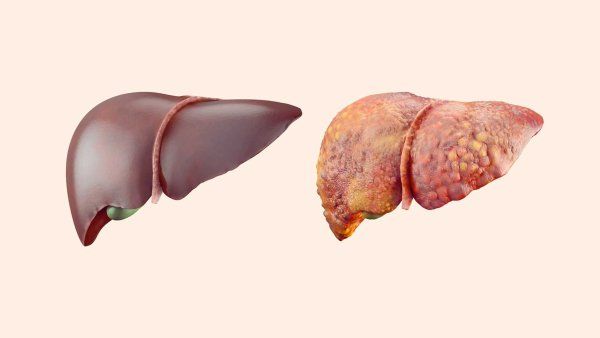
UCSF’s multidisciplinary clinic for patients with liver disease and alcohol addiction, called HALT – Healing Alcohol-Associated Liver Disease Together, is one of only a few in the country that provides medical, addiction and pharmaceutical care for patients as part of its services.
-
How to Build Bold Thinking to Foster Scientific Breakthroughs
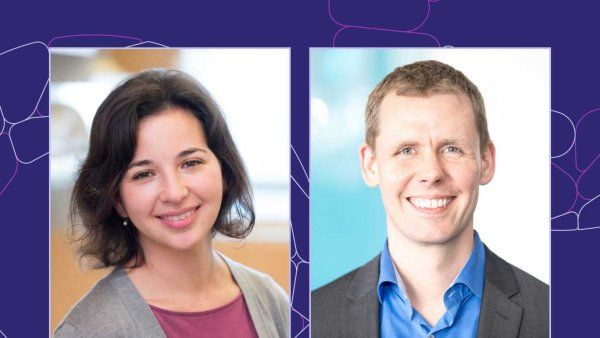
Martin Kampmann, PhD, and Anna Victoria Molofsky, MD, PhD, are the 2025 recipients of the Bowes Biomedical Investigator award, which supports scientists who take novel approaches and have the potential to make significant contributions to biomedicine. Recipients receive $1.25 million over five years.
-
How Common Is Illegal Drug Use Among People Who Are Homeless?
UCSF study finds that less than half of homeless individuals regularly use illicit drugs, with methamphetamines being more common than opioids, and many struggle to access treatment.

-
Fake Pharmaceuticals Laced with Fentanyl Are a Global Health Crisis
-
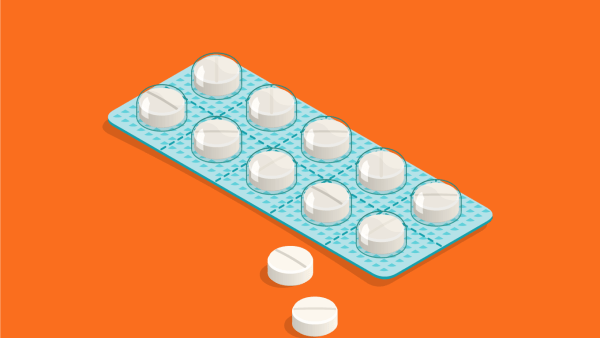
Doctors Test a New Way to Help People Quit Fentanyl
During COVID-19, researchers found that low-dose buprenorphine initiation for fentanyl users was largely unsuccessful, with repeated attempts also failing.
-
Can Employees Benefit from a Digital Mindfulness Program?
As little as five minutes of mindfulness meditation a day may help reduce work-related stress, even when done through self-guided smartphone apps.

-
Is Drinking Alcohol Ever Good for You? Here’s What the Science Says.
-
The Future of Neuroscience: Building a Silicon Brain
A digital twin of a human mind? It isn’t science fiction.

-
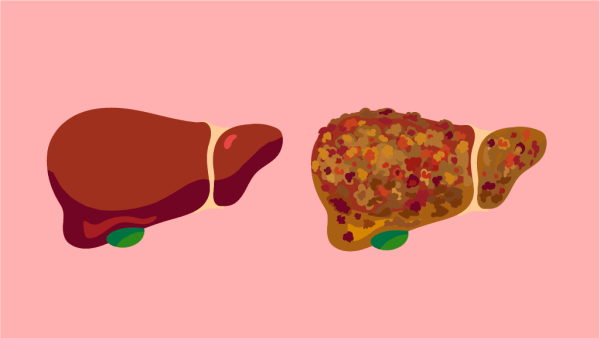
How We Could Test for Unhealthy Alcohol Use Before It’s Too Late
Excessive drinking can damage the liver. Yet, unlike obesity or high cholesterol, clinicians only screen for alcohol use by asking their patients how much they drink. Turns out that method is not
-
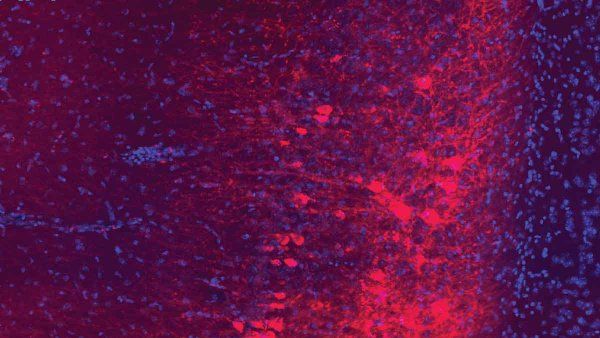
The Surprising Effect of Stress on Your Brain’s Reward System
UCSF scientists are uncovering the brain mechanisms behind resilience to stress and exploring new, non-invasive treatments for depression through groundbreaking research in mice.
-
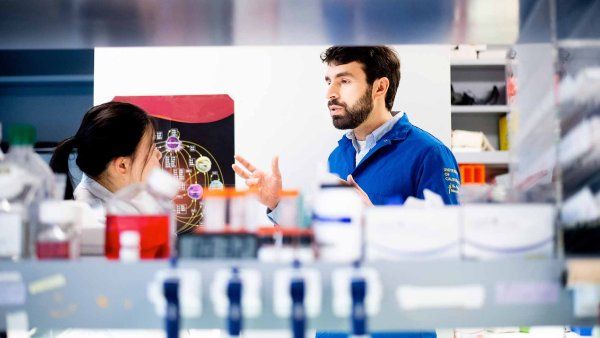
48 UCSF Researchers Are Honored for Their High-Impact Science
Nearly 50 UCSF researchers have been named to Clarivate’s list of most influential scientists for 2024.
-
Poor Sleep in Middle Age Could Affect the Brain in a Surprising Way, Study Finds
-
Yes, Dyslexia Can Be Genetic. But Genes Aren’t the Only Factor to Consider.
-
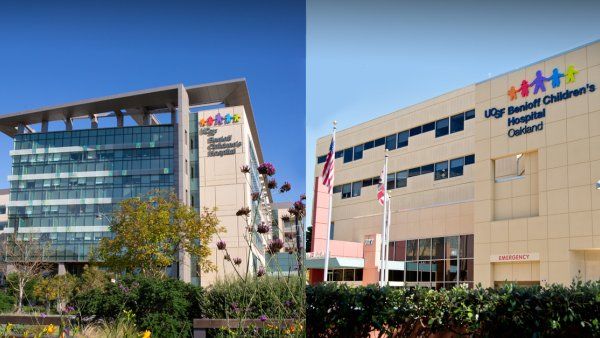
UCSF Benioff Children’s Hospitals Tie for Best in Northern California in 2024-2025
UCSF Benioff Children’s Hospitals have tied as the best hospitals in Northern California in the 2024-2025 U.S. News & World Report Best Children’s Hospitals list.
-
Trauma Takes Its Toll at the End of Life
Traumatic experiences can worsen the pain, depression and loneliness at the end of life, according to a study led by UCSF and the University of Michigan.

-
California’s Bold Moves to Curb Fentanyl Deaths Leave Experts Urging for More
-
The Pipeline of Deadly Fentanyl Into the U.S. May Be Drying Up, Experts Say
-
New Study Shows Link Between Alcohol and Cancer
-
Why Breathing Reduces Anxiety and Boosts Our Mood
A talk on how breathing affects our mood took first place at this year's Postdoc Slam event, which is held in celebration of National Postdoc Appreciation Week.
