Displaying 181 - 210 of 579
-
-
With Autism Numbers Rising, How Best to Provide Support?
Recently released data from the Centers for Disease Control show childhood autism rates are at their highest level since the CDC began tracking data in 2000.

-
School Segregation Harms Black Children’s Health, Well-Being
Black youth who attend racially segregated schools are more likely to have behavior problems and to drink alcohol than Black youth in less segregated schools, according to a UCSF study published in Pediatrics.

-
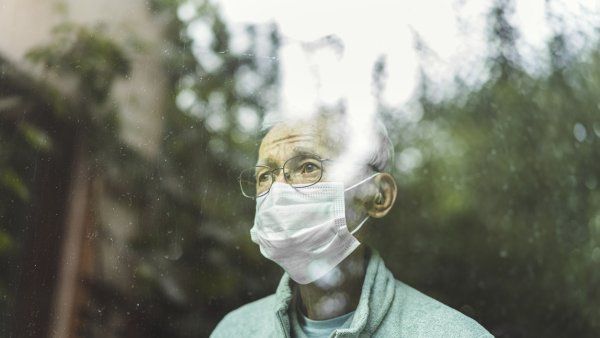
Your Mental Health May Impact Your Chances of Breakthrough COVID
A new UCSF-led study showed that people who are vaccinated against COVID-19, and have a history of certain psychiatric conditions, have a heightened risk of infection – a finding that may be related to impaired immune response.
-
48% of Young Adults Struggled with Mental Health in Mid-2021
About half of young adults had mental health symptoms during the pandemic and more than a third of those were unable to access mental health therapy, a new UC San Francisco study found.

-
Psilocybin Spurs Brain Activity in Patients With Depression, Small Study Shows
-
Psilocybin Rewires the Brain for People with Depression
Scientists at UC San Francisco and Imperial College London found that psilocybin fosters greater connections between different regions of the brain in depressed people, freeing them up from long-held patterns of rumination and excessive self-focus.

-
There’s a Mental-Health Crisis Among American Children. Why?
-
Extended Napping in Seniors May Signal Dementia
Daytime napping among older people is a normal part of aging – but it may also foreshadow Alzheimer’s disease and other dementias.

-
UCSF Task Force Examines the Mental Health Impacts of Climate Change
-
Prenatal Mindfulness Program Improves Stress Response in Infants
A first-of-its-kind study showed that a prenatal mindfulness program linked to healthier stress response in babies as well as less depression and better glucose tolerance in mothers.

-
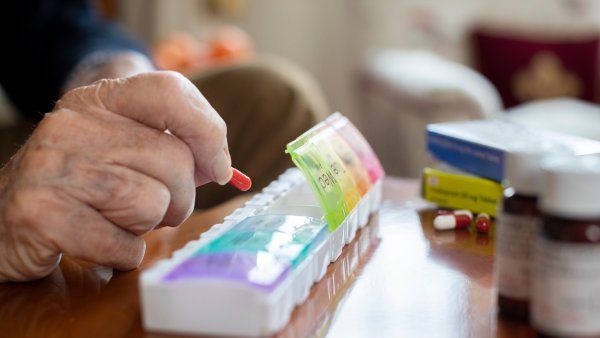
Seniors with Memory Issues Take Multiple Medications, but Most Are Willing to Cut Down
55% of seniors with dementia take more than six medications even though most have good health. However, a UCSF study showed that 87% are willing to cut down if their doctors agree.
-
COVID-19 May Be Linked to Spontaneous Psychosis. Researchers Are Trying to Figure Out Why
-
Alone and Lonely Are Not the Same. How To Feel Connected No Matter How Many People Are Around
-
Claiming Abuse, Texas Tries To Prevent Gender-affirming Care for Trans Children
-
‘I’ve Seen a Lot of Death, and It’s Made Me Hungry for Life’: Chaplains Have Been at the Center of Grief and Misery During the Pandemic
-
There Aren’t Enough Mental Health Professionals Despite a Tsunami of Need. Here’s What S.F. Is Doing About It
-
Digital Therapy for Prenatal Insomnia May Prevent Postpartum Depression
A UCSF study finds that a digital version of cognitive behavioral therapy (dCBT) for prenatal insomnia may prevent postpartum depression

-
Nurses In Psychedelics, Naturals Caring For Patients In Non-Ordinary States Of Consciousness
-
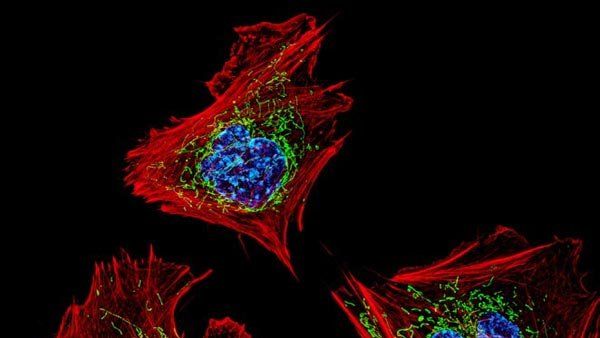
Looking to the Cell’s Power Generators for Clues to Depression
Hoping to discover a new approach to treating depression, UCSF researchers looked at mitochondrial proteins and found that people with untreated depression have significantly lower levels of these proteins. New hypotheses emerge about the relationship between depression and the function of the brain’s energy-hungry neurons.
-
How A Former Citigroup Chairman’s $185 Million Gift For Neuroscience Has Already Led To Promising Research
-
UCSF and UCLA Receive $41.5M to Address Health Impacts of Toxic Stress
UCLA and UCSF are collaborating with the California Department of Health Care Services and Office of the California Surgeon General on a multi-campus initiative addressing the impact of Adverse Childhood Experiences (ACEs) and other causes of toxic stress on health.

-
Kids Nearly Doubled Screen Time During the Pandemic, but There Is Something You Can Do About It
-
Adolescents’ Recreational Screen Time Doubled During Pandemic, Affecting Mental Health
A new study by UCSF researchers finds that more screen time was linked to poorer mental health and greater stress for U.S. teenagers; kids of color and with lower income logged more hours than white, wealthier peers.

-
UCSF Weill Neurosciences Building Heralds New Era for Patients
The new Weill Neurosciences Building, designed to foster connections among scientists and clinicians in neurology, neurosurgery and psychiatry, will serve as a global destination for researchers to develop innovative treatments for intractable brain diseases.

-
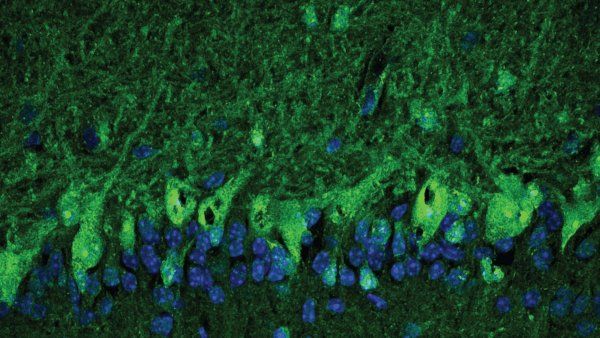
3 Teens with COVID-19 Developed Sudden Severe Psychiatric Symptoms. Why?
Three adolescents who had mild or asymptomatic COVID-19 developed sudden severe psychiatric symptoms. A recent study into their immune responses identifies a potential mechanism by which these symptoms emerge.
-
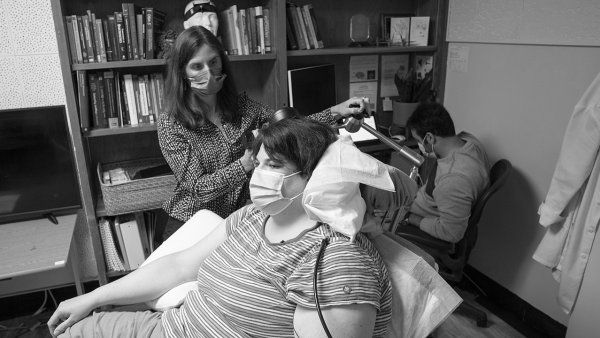
Treating Severe Depression with On-Demand Brain Stimulation
UCSF Health physicians have successfully treated a patient with severe depression by tapping into the specific brain circuit involved in depressive brain patterns and resetting them using the equivalent of a pacemaker for the brain.
-
Happiness in Early Adulthood May Protect Against Dementia
Research has shown that poor heart health can increase the risk for dementia, but a new study shows that poor mental health in early adulthood may increase odds by 73%.

-
For Struggling Older Adults, Support from Paid Peers May Alleviate Loneliness, Depression
An initiative that paired paid visitors with racially diverse older adults, many of whom lived alone and struggled with taking care of their basic needs, resulted in reduced loneliness and plunging rates of depression.

-
California Faces Short-Term Nursing Shortage from COVID-19 Retirements
California will face a significant shortfall of registered nurses over the next five years due to long-term trends that have been exacerbated by the COVID-19 pandemic