University of California San Francisco
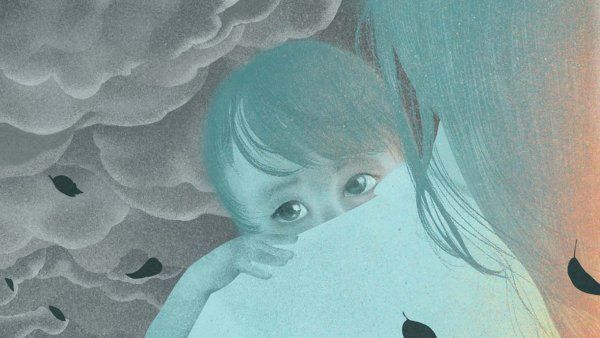
Give to UCSFGeneralized anxiety disorder affects 1 in 20 U.S. adults. Those with serious symptoms may isolate themselves to the point that they rarely leave their home.
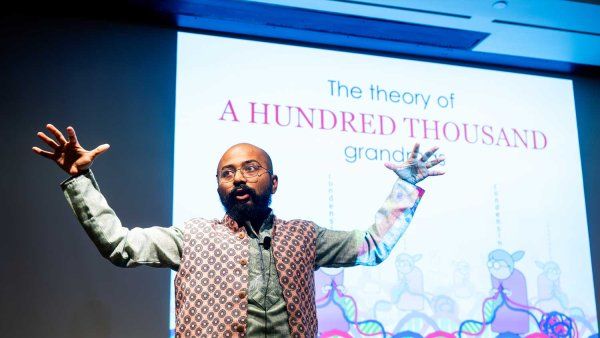
A TED Talk-style presentation on the effects of tangled DNA strands took first place at this year's Postdoc Slam competition, which is held in celebration of National Postdoc Appreciation Week.
UCSF’s Joseph Pierre, MD, unveils why even bright minds embrace false information. His new book, "False," dissects cognitive biases and our digital world’s role, offering a powerful three-step approach to navigate the post-truth era and rediscover common ground.
UCSF Medical Center has been ranked among the country’s best hospitals in adult care in U.S. News & World Report’s prestigious Best Hospitals survey.
A study showed that daily "micro-acts" promote wellbeing and health. These include acts of kindness, self-reflection, gratitude, positive reframing, and experiencing awe.
Researchers found that as preteens used more social media, their depressive symptoms increased. Yet the reverse wasn’t true — a rise in depressive symptoms didn’t predict a later increase in social media use.
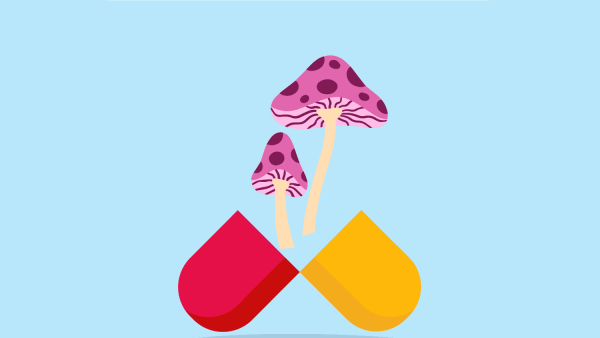
A first-of-its-kind study tested the safety of psilocybin on patients with mild to moderate Parkinson’s disease and found that patients experienced clinically significant improvements in mood, cognition, and motor function that lasted for weeks after the drug was out of their systems.
Martin Kampmann, PhD, and Anna Victoria Molofsky, MD, PhD, are the 2025 recipients of the Bowes Biomedical Investigator award, which supports scientists who take novel approaches and have the potential to make significant contributions to biomedicine. Recipients receive $1.25 million over five years.
As little as five minutes of mindfulness meditation a day may help reduce work-related stress, even when done through self-guided smartphone apps.
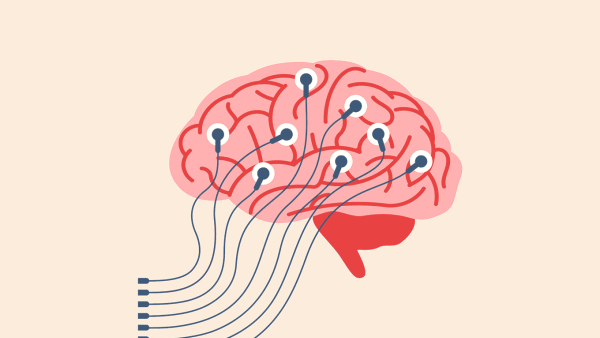
A digital twin of a human mind? It isn’t science fiction.
UCSF scientists are uncovering the brain mechanisms behind resilience to stress and exploring new, non-invasive treatments for depression through groundbreaking research in mice.
Nearly 50 UCSF researchers have been named to Clarivate’s list of most influential scientists for 2024.
UCSF Benioff Children’s Hospitals have tied as the best hospitals in Northern California in the 2024-2025 U.S. News & World Report Best Children’s Hospitals list.
Traumatic experiences can worsen the pain, depression and loneliness at the end of life, according to a study led by UCSF and the University of Michigan.
A talk on how breathing affects our mood took first place at this year's Postdoc Slam event, which is held in celebration of National Postdoc Appreciation Week.
A clinical trial that will test three drugs concurrently, and could include more, represents new hope for patients with progressive supranuclear palsy (PSP), an incurable neurodegenerative disorder that usually kills within seven years after symptoms start.
A UCSF-created child-parent therapy for trauma in kids under age 5 was found to slow down biological aging, which is tied to health benefits later in life.
A study found that states with more comprehensive mental and behavioral health insurance policies and enforcement of those policies allows caregivers easier access to care for their children.
A UCSF-created program for young kids with ADHD was adapted for classroom setting and now is in use in 40+ SFUSD schools, plus 19 schools in Mexico.
UCSF Medical Center has been ranked among the country’s best hospitals in adult care in U.S. News & World Report’s prestigious Best Hospitals survey.
Scientists have identified the biomarkers in progressive supranuclear palsy, a type of frontotemporal dementia, the most common dementia affecting people under 60.
Perpetual stress runs us down. But a truly restorative state that alters our bodies at the cellular level can counter this deterioration.
Deep rest is best achieved in prolonged practices that relax the body and quiet the mind. But you can also combat stress within seconds by activating your parasympathetic nervous system. Here are a few approaches to making this biological shift quickly.
Diabetes distress, the fears, worries and burdens associated with living with and managing diabetes, affects up to 75% of adults with Type 1 diabetes. The most effective way to reduce diabetes and improve glucose control is to focus on managing the emotional strain of living with the condition.