UCSF Screens First Patients in Novel Alzheimer’s Trial
A study will test new drugs for early disease in an effort to prevent the buildup of toxic tau tangles that lead to cognitive decline.
University of California San Francisco
Give to UCSFA study will test new drugs for early disease in an effort to prevent the buildup of toxic tau tangles that lead to cognitive decline.
UCSF expert Kristine Yaffe, MD, explores how targeting modifiable risk factors—like sleep and exercise—can actively protect your aging brain.
UC San Francisco researchers have developed a new form of deep brain stimulation (DBS) that adjusts in real time as a person walks, helping to improve gait and reduce falls in people with Parkinson’s
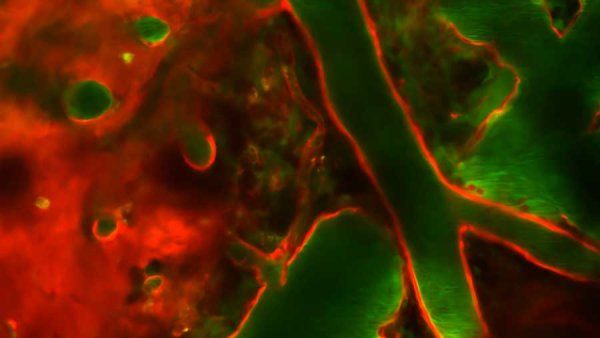
Ethan Winkler, who studies aneurysms, discovered a dynamic between cells in the brain's blood vessels that explains why aneurysms burst. The findings describe a "life cycle" of an aneurysm and will likely change how physicians assess the risk for rupture and opportunities for personalizing treatment.
About 6% of asymptomatic adults have a biomarker for Alzheimer's disease and are already showing very subtle signs of the disease that would not come to light in a standard cognitive test.
A team at UCSF developed a multitask deep learning framework that can effectively predict Alzheimer’s disease diagnosis, cognitive scores, and future cognitive decline using only baseline MRI and demographics.
In the last few years, progress has been made in the fight against Alzheimer’s disease with a class of therapies called anti-amyloid antibodies (anti-Aβ). These anti-Aβ therapies, like lecanumab
Multiple clinical trials have shown that GLP-1s are safe and effective for patients with obesity, diabetes and cardiovascular conditions. New evidence shows that the drugs may also protect against neurological diseases, like dementia, Parkinson's, and substance use disorder.
Epilepsy physicians Jon Kleen and Eddie Chang used high-resolution technology to see how cognition is disrupted in people with epilepsy and predict when it will occur. The new view points the way to being able to fend of these disruptions.
UCSF's Cherry Leung, associate professor of community health systems with the UC San Francisco School of Nursing, researches the gut-brain axis as a potential adjunct therapy for improving adolescent mental health.
Freeze-dried human platelets could be used as a "molecular tourniquet" for brain bleeds in the minutes to hours after a traumatic brain injury, according to a UCSF team led by Shibani Pati. The scientists envision stocking ambulances and EDs with the product.
UCSF research shows psychedelics like psilocybin may treat depression, Parkinson’s, and addiction, offering new hope in clinical trials.
Rajiv Sethi, MD, PhD, has been appointed chief of the UCSF Division of Orthopaedic Spine Surgery, one of the nation’s premier spine programs. He has also been named co-director of the UCSF Spine
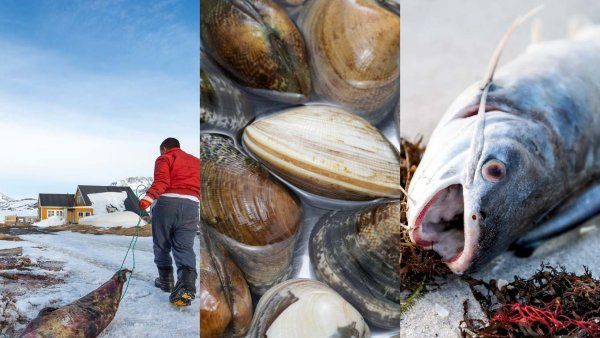
UCSF researchers are studying how climate change fuels toxic algal blooms, partnering with global and tribal communities to monitor health risks and protect food security.
Researchers discover that the nerve cells that make us uniquely human are also uniquely vulnerable to dying during the waves of inflammation that occur in multiple sclerosis.
A new study traces the molecular pathway connecting the gut immune system to the brain during a parasitic infection, explaining how the immune system triggers a loss of appetite.
Poor sleep is associated with an increased risk for dementia, but many sleep studies have had inconsistent results. For the first time, used AI to analyze tiny electrical signals in the brain of 7,000 participants healthy participants to calculate “brain age." They find that dementia risk increases significantly when the brain age exceeds actual age.
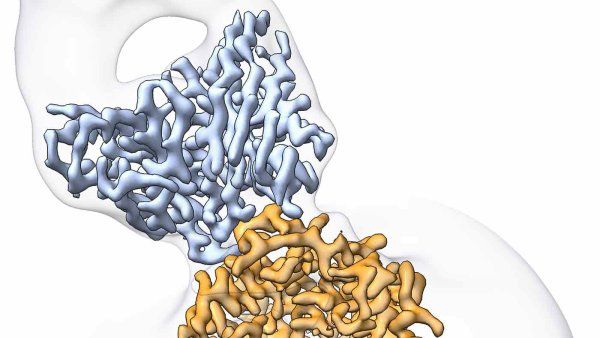
Tau proteins play an important role in our normal brain function, mainly by helping to stabilize neurons in the brain. But in Alzheimer’s disease, tau proteins can misfold and tangle inside neurons.
A UCSF team finds a liver protein, released with exercise, that improves memory in aging and Alzheimer’s disease by repairing the brain’s blood vessels. It's the missing link between exercise and brain rejuvenation that many have been hunting for.
How we learn to predict an outcome isn’t determined by how many times a cue and reward happen together. Instead, how much time passes between rewards is also important. Understanding this process has implications for how we think about addiction, and could also point to faster AI algorithms.summary
For years, scientists have studied how the brain controls movement by asking patients to perform structured tasks while connected to multiple sensors in a lab. While these studies have provided
A study from UCSF shows a previously unknown connection between the Epstein-Barr virus, known to play a role in MS, and an understudied type of immune cell.
The hormone’s role in women’s health reaches far beyond reproduction.
Researchers found a "garbage man" enzyme that tags toxic clumps of proteins in the brain for removal, and saw a correlation with resilience against dementia.
In the last few years, progress has been made in the fight against Alzheimer’s disease with a class of therapies called anti-amyloid antibodies (anti-Aβ). These monoclonal anti-Aβs are proteins made