UCSF Rises in US News Global Universities Rankings for 2022
UCSF’s research has been ranked among the top in the world, according to the latest U.S. News & World Report’s Best Global Universities 2022 rankings.
University of California San Francisco
Give to UCSF
UCSF’s research has been ranked among the top in the world, according to the latest U.S. News & World Report’s Best Global Universities 2022 rankings.
Three adolescents who had mild or asymptomatic COVID-19 developed sudden severe psychiatric symptoms. A recent study into their immune responses identifies a potential mechanism by which these symptoms emerge.
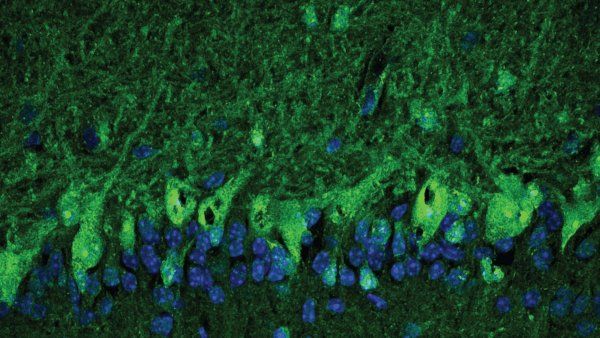
Glioblastoma is the most common malignant brain tumor and among the most treatment-resistant cancers. In the last 15 years, numerous attempts to develop new drugs for glioblastoma have failed.
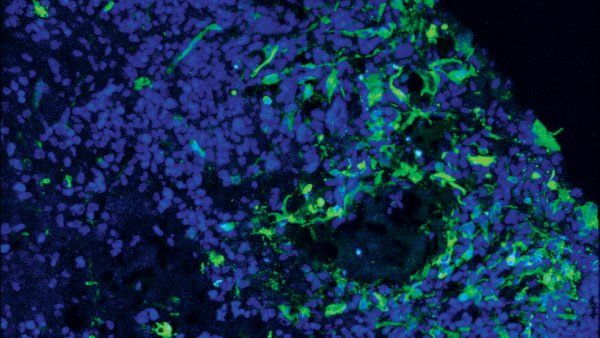
Research has shown that poor heart health can increase the risk for dementia, but a new study shows that poor mental health in early adulthood may increase odds by 73%.

A study in patients with epilepsy is helping researchers understand how the brain manages the task of learning a new language while retaining our mother tongue.

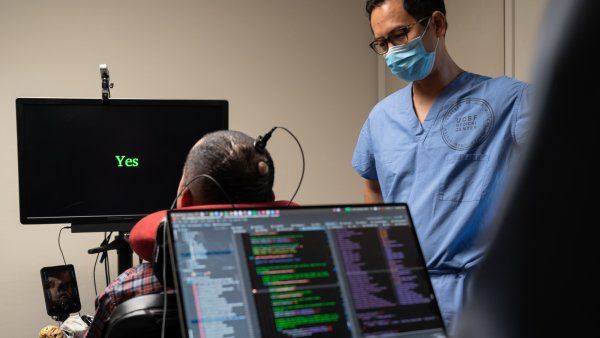
Following groundbreaking work on a “speech neuroprosthesis” that enabled a paralyzed man to communicate using his brain signals, the lab team answered public questions about brain-computer interfaces and the limitations of translating brain signals into code.
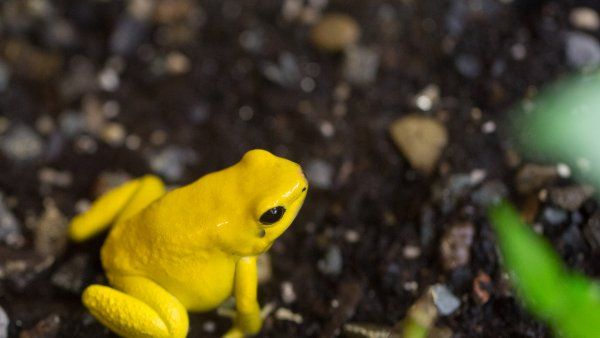
A team of researchers at have uncovered some intriguing clues in the mystery of how some poison birds and frogs evade their own toxins.
UCSF researchers have leveraged two new molecules, one of which is currently in clinical oncology trials, to devise a dual-drug therapy for alcohol use disorder (AUD), without the side effects or complications associated with current treatment regimens.

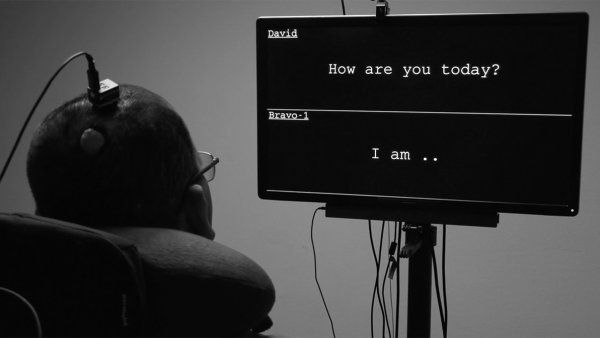
Researchers at UC San Francisco have successfully developed a “speech neuroprosthesis” that has enabled a man with severe paralysis to communicate in sentences, translating signals from his brain to the vocal tract directly into words that appear as text on a screen.
Children with a devastating genetic disorder characterized by severe motor disability and developmental delay have experienced sometimes dramatic improvements in a gene therapy trial launched at UCSF Benioff Children’s Hospitals.

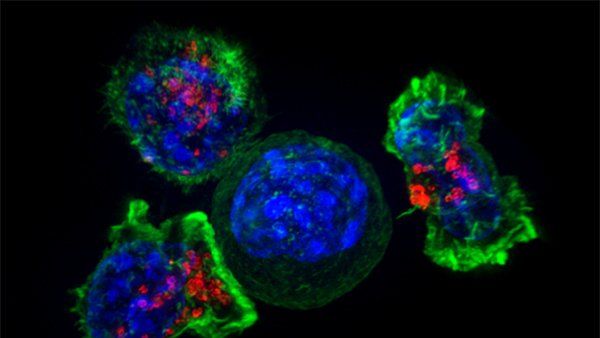
T cells – immune cells that patrol our bodies in search of trouble – have become a central focus for UC San Francisco scientists working on living cell therapies, an approach that views cells
Insomnia is miserable, and lost sleep can harm our health. Now, researchers are seeing the promise of solutions in our genes.

Hidden autoimmunity may explain how the coronavirus wreaks such widespread and unpredictable harm.
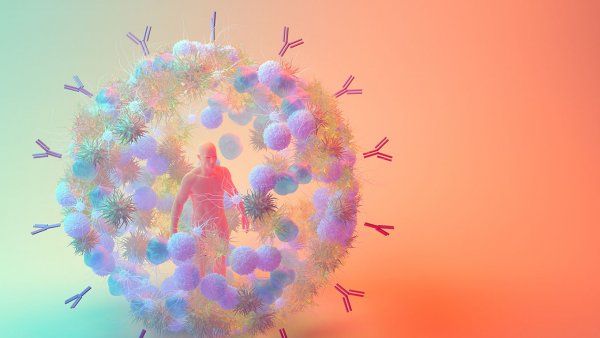
Cognitive behaviorial therapy for insomnia, the gold-standard intervention, also suggests benefits for well-being.

UCSF researchers wanted to see if simple tweaks, like avoiding nighttime interruptions to promote sleep, nixing certain prescription drugs, and promoting exercise and social engagement, could decrease delirium in hospitalized older adults.
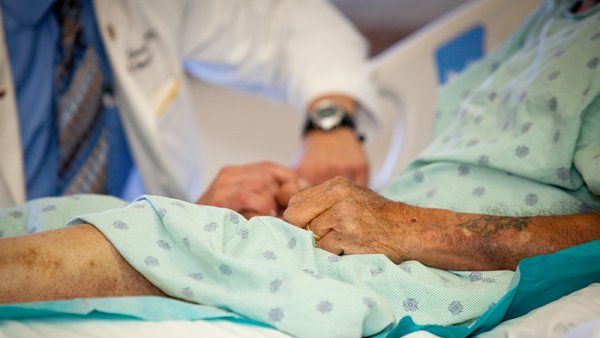
Scientists now have shown that the weakening of an astronaut’s immune system during space travel is likely due in part to abnormal activation of immune cells called T regulator cells.

Researchers at UCSF have observed a new feature of neural activity in the hippocampus – the brain’s memory hub – that may explain how this vital brain region combines a diverse range of inputs into a multi-layered memories that can later be recalled.
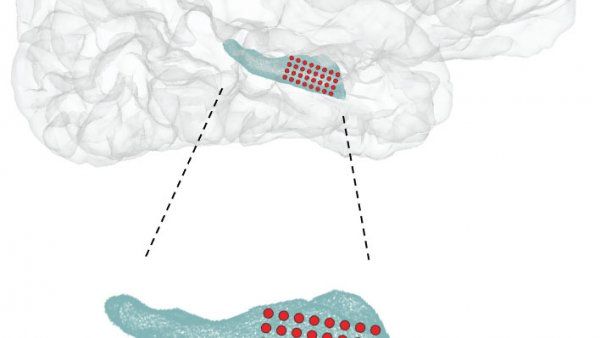
New research by UCSF scientists shows retinal scans can detect key changes in blood vessels that may provide an early sign of Alzheimer’s disease.
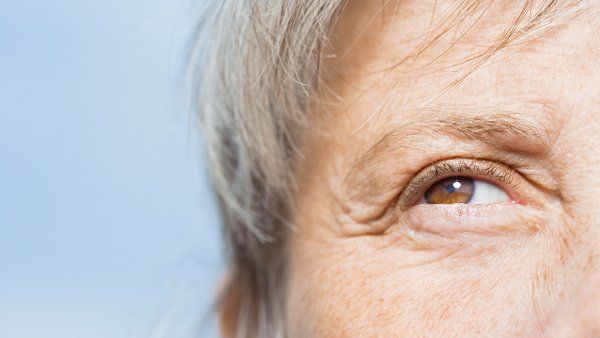
Pioneering neural recordings in patients with Parkinson’s disease by UCSF scientists are providing the groundwork for personalized brain stimulation to treat Parkinson’s and other neurological disorders.
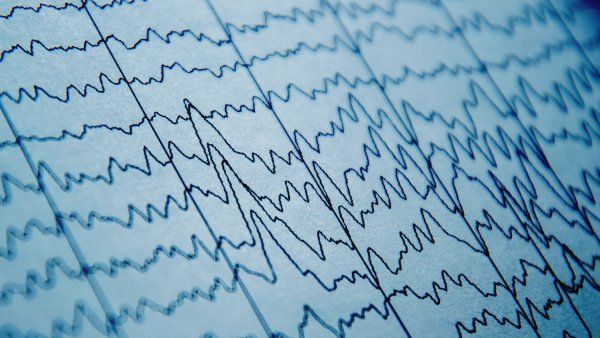
Games and supplements claim to strengthen memory and cognition. Should you buy them?
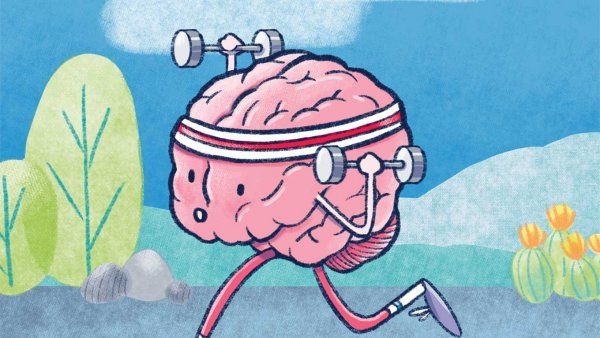
Researchers at UCSF have demonstrated how to engineer smart immune cells that are effective against solid tumors, opening the door to treating a variety of cancers that have long been untouchable with immunotherapies.
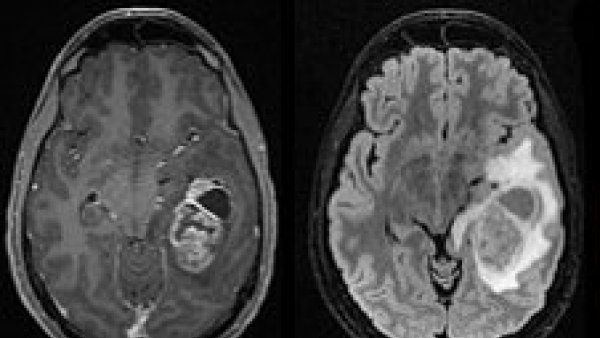
A large study of brain MRI scans from 11,679 children between the ages of 9 and 10 reviewed by UC San Francisco neuroradiologists identified potentially life-threatening conditions in 1 in 500
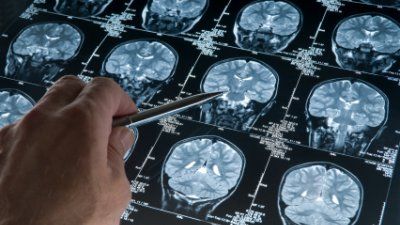
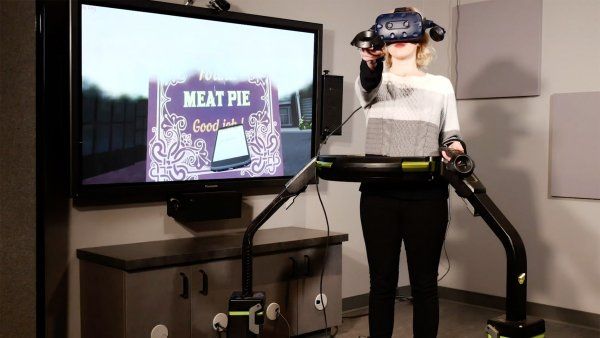
Scientists at UCSF’s Neuroscape brain research center have developed a first-of-its-kind virtual reality video game that can improve memory in healthy, older adults.
A new study led by UC San Francisco finds that young adulthood may be the most critical period to practice the healthy lifestyle habits that may protect the brain from cognitive decline decades later.

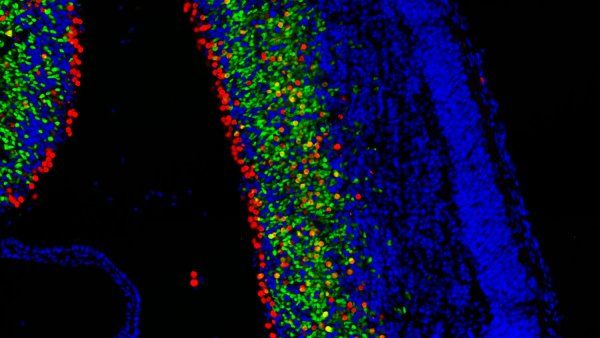
In a new study, UCSF and Stanford researchers have identified a central switch that appears to control when neural progenitor cells stop multiplying and start differentiating into mature neurons.
Depression is among the most common psychiatric disorders, affecting as many as 264 million people worldwide and leading to hundreds of thousands of deaths per year. But as many as 30 percent of patients do not respond to standard treatments such as medication or psychotherapy.
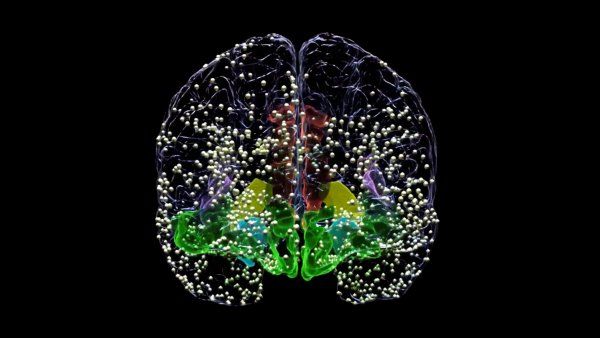
A team of researchers has identified for the first time the neurons that are among the first victims of Alzheimer’s disease.