University of California San Francisco
Give to UCSF
Displaying 211 - 240 of 3342
-
-
How UCSF Is Helping African Infectious Disease Researchers Take the Lead
UC San Francisco’s Paul Farmer African Initiative for Research (PFAIR) supports African scientists in infectious disease research via mentorship, international collaboration, and sustainable funding.

-
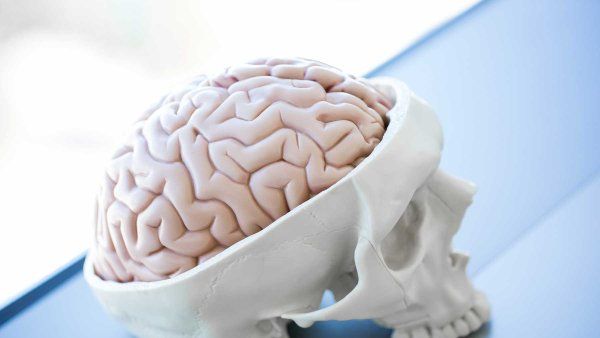
Meet the Little Brain Region that Helps You Say What’s on Your Mind
Researchers discovered that a different part of the brain handles stringing sounds and words together into coherent sentences. The information could help people who have had strokes and lost the ability to create sentences.
-
Why Smart People Fall for False Information and What to do About It
UCSF’s Joseph Pierre, MD, unveils why even bright minds embrace false information. His new book, "False," dissects cognitive biases and our digital world’s role, offering a powerful three-step approach to navigate the post-truth era and rediscover common ground.

-
How Aging Quiets Lupus and Brings Relief to Some Older Patients
Chaz Langelier and team discover a partial explanation for why lupus gets better as patients age. It's because inflammation-related genes get muffled - the opposite of what usually happens in healthy aging - and inflammation is tempered.

-
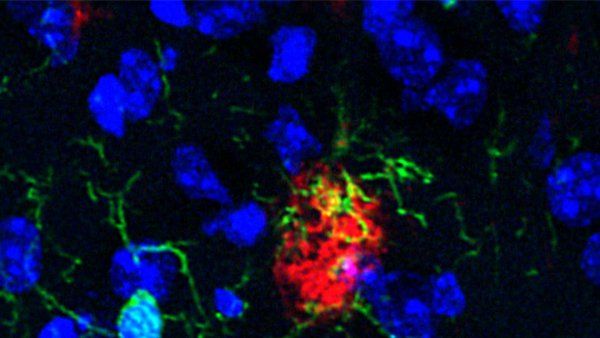
These Immune Cells Eat Molecular Trash to Keep Alzheimer’s at Bay
Microglia, a type of brain immune cell, can gobble up amyloid beta protein, which clumps together into toxic aggregates during Alzheimer's disease.
-
This is How to Cut Hospital Visits for Kids with Eating Disorders
A study finds that getting any amount of outpatient therapy after being hospitalized with eating disorders lowers the risk for re-hospitalization for youth on Medi-Cal.

-
Many Lung Cancers Are Now in Nonsmokers. Scientists Want to Know Why.
-
UCSF Experts Featured at National Endocrinology Meeting
Endocrine disruption during pregnancy and genetic drivers of bone disease were among the topics experts from UC San Francisco presented at the annual meeting of the Endocrine Society — ENDO 2025 — in

-
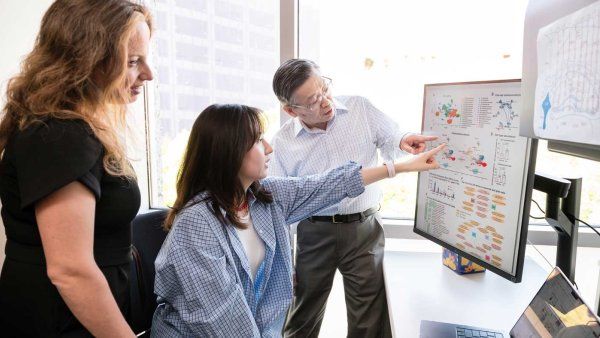
Do These Two Cancer Drugs Have What It Takes to Beat Alzheimer’s?
Scientists at UCSF and Gladstone Institutes have identified cancer drugs that promise to reverse the changes that occur in the brain during Alzheimer’s, potentially slowing or even reversing its symptoms.
-
Tailored Deep Brain Stimulation Improves Walking in Parkinson’s
For patients with Parkinson's disease, changes in their ability to walk can be dramatic. “Parkinson’s gait,” as it is often called, can include changes in step length and asymmetry between legs. This
-
The Best Plastic-Free Food Storage Containers for Meal Prep and More
-
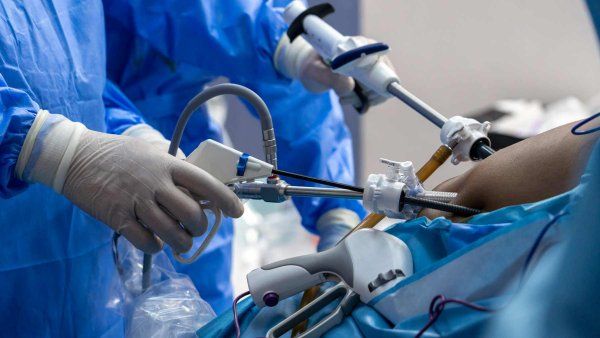
I’m a Bariatric Surgeon. Here’s How to Weigh GLP-1 or Surgery
Bariatric surgeon Jonathan Carter discusses the pros and cons of surgery compared with GLP-1 drugs. For those with severe obesity, few see long-term benefits in diet and exercise programs, and could benefit more from bariatric surgery and GLPs.
-
Can Type 2 Diabetes Be Identified Before a Positive Diagnosis?
A professor of physiological nursing explains the differences between genetic predisposition and lifestyle factors for type 2 diabetes, and how to predict and prevent it in high-risk racial groups.
-
A CRISPR Approach to Neurodegenerative Diseases
The Byers Award recognizes outstanding research by faculty members in the middle of their careers. Martin Kampman’s honorary 2025 lecture is titled “A CRISPR approach to neurodegenerative diseases.”

-
Visual Migraine Symptoms Linked to Tiny Brain Lesions
Visual auras, like those that occur in migraines, may be signs of small injuries to the brain’s visual cortex, according to a clinical trial at UC San Francisco that tracked the appearance of these
-
Spotting Skin Cancer
-
The Most Effective Diabetes Drugs Don’t Reach Enough Patients Yet
A study found that the newer generation of much more effective diabetes medications are reaching only a fraction of the patients who are recommended to take them based on new guidelines.

-
Why Do Some Brain Regions Resist Alzheimer’s?
It’s been recognized for some time that Alzheimer’s disease affects brain regions differently and that tau — a protein known to misbehave — plays an important role in the disease. Normally, tau helps
-
I Can’t Sleep. Now What?
-
How Much Can You Safely Drink? Here’s What to Know
Cardiologist Gregory Marcus answers questions about how much alcohol consumption is actually harmful to us.

-
UCSF Health Recognized for Treatment of Rare Kidney Stone Disease
The Oxalosis and Hyperoxaluria Foundation (OHF) has accepted UCSF Health into its OHF Care Center Network recognizing the health system’s dedication to providing high-quality medical care, resources,
-
How State Bans Increase Costs and Delay Abortion Care
People in states that have banned abortion were more than twice as likely to receive them later in pregnancy, according to a new study.

-
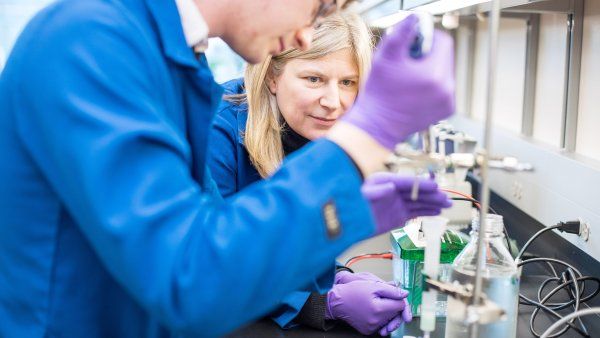
This is How AI Can Help Us Make New Medicines Faster
UCSF researchers recently created the world's first shape-shifting synthetic proteins using artificial intelligence (AI). The breakthrough opens the door to developing entirely new proteins that could, one day, produce medicines to stop diseases like cancer.
-
UCSF Leads Statewide Efforts to Improve Dementia Care, Diagnosis
A critical step in meeting the needs of the growing aging population is early recognition of cognitive decline. In California, women who live to be 65 or older have a one in four chance of developing
-
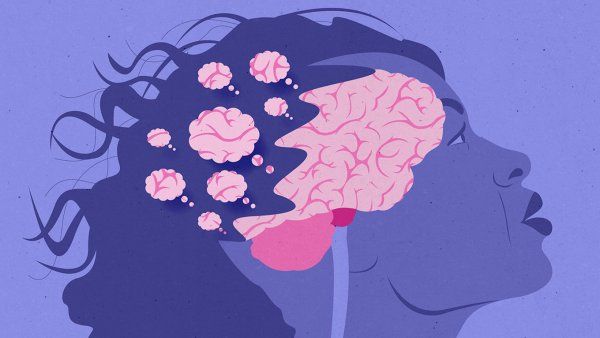
Could a Busier Social Life Be a Very Early Sign of Alzheimer’s?
Many experts believe that social isolation is a risk factor for Alzheimer’s disease, but a new study found that the disease may make them more sociable rather than less — at least in the early stages.
-
Real Risk to Youth Mental Health Is ‘Addictive Use,’ Not Screen Time Alone, Study Finds
-
Marijuana Use Dramatically Increases Risk of Dying From Heart Attacks and Stroke, Large Study Finds
-
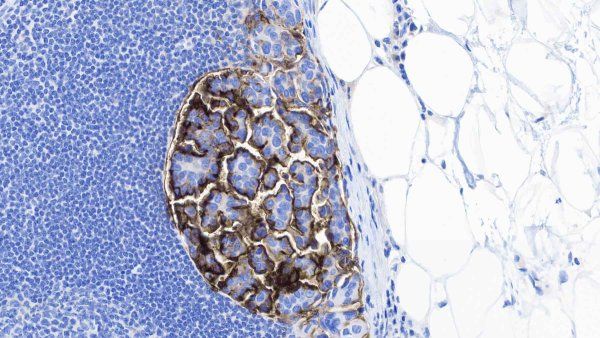
Science Clears the Way to Treating the Trickiest Bladder Cancers
Scientists found a way to identify and possibly treat a mysterious type of bladder cancer that affects up to 1 in 4 cases.
-
7 Ways UCSF Is Exploring the Eyes
Researchers and clinicians are advancing the science of sight to ensure the health of these complex and crucial organs.