Displaying 181 - 210 of 577
-
-
Blood Tests in Newly Brain-Injured Patients Predict Death, Severe Disability
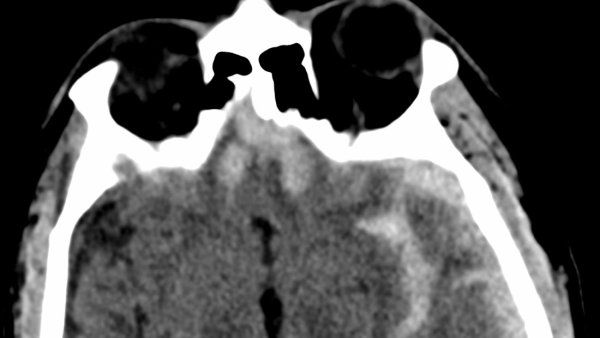
Blood tests taken within 24 hours of a traumatic brain injury (TBI) flag which patients are likely to die and which patients are likely to survive with severe disability, according to a study headed by UCSF, the University of Pennsylvania and the University of Michigan.
-
Abortion Ban May Mean Denial of Effective Drugs for Women with MS, Migraine, Epilepsy
Severe restrictions and bans on abortion access may have life-changing and even life-threatening consequences in as many as 28 states for women of childbearing age with conditions like migraine, multiple sclerosis (MS) and epilepsy.
-
Even When Stroke Centers Are Near, Black Americans Often Lack Access
-
Local Stroke Center May Be Off Limits to Patients in Black Neighborhoods
A new study shows that when residents in Black communities have a stroke, they are at greater risk of receiving care at a less-resourced hospital, where their chances of recovery are slimmer.
-
Overlooked Proteins May Be Key to Better Diagnosis of Alzheimer’s
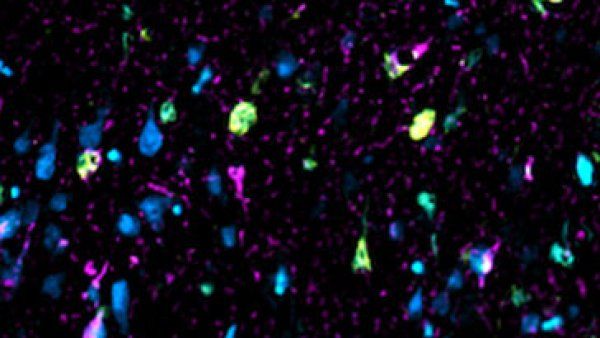
In a new study of Alzheimer’s disease, UCSF reserachers have discovered that a relatively unstudied form of the tau protein associated with neurodegeneration may be a means for better diagnosis and treatment of the disease.
-
In Long COVID, Blood Markers Are Linked to Neuropsychiatric Ills
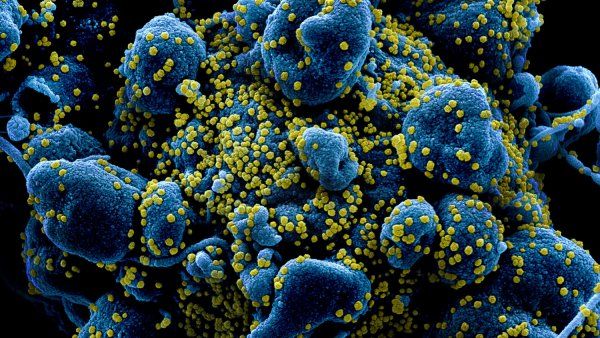
In a new study of long COVID, UCSF researchers identified biomarkers present at elevated levels that may persist for many months in the blood of study participants who had long COVID with neuropsychiatric symptoms.
-
How the Discovery of an Alzheimer’s Tipping Point Could Improve Drug Trials
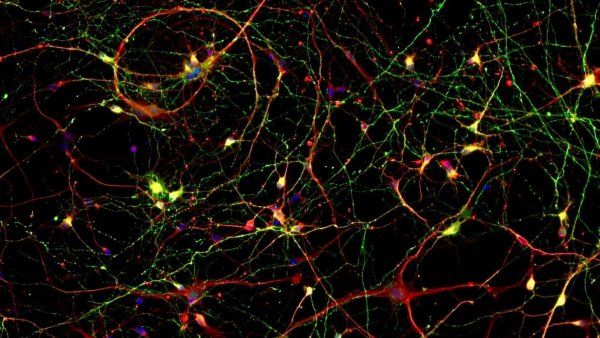
In a study, UCSF neurologist William Seeley, MD, and colleagues identified two key moments in the natural history of Alzheimer’s, pointing to a window of opportunity for treatment with amyloid-lowering drugs.
-
Genomic Sequencing Is Changing Diagnosis, Treatment for Patients with Brain Cancer
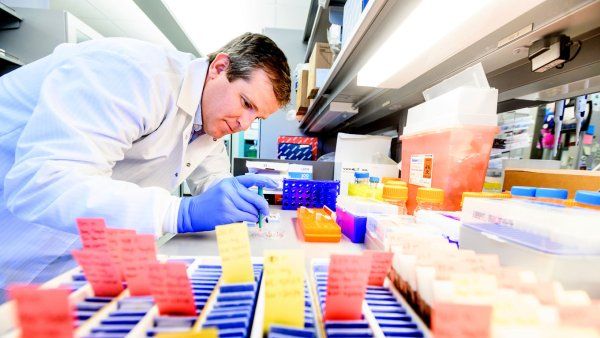
Brain tumor patients survived longer when treated aggressively with surgery, radiation and chemotherapy. Now, a UCSF study underscores the critical role of genomic profiling in diagnosing and grading brain tumors.
-
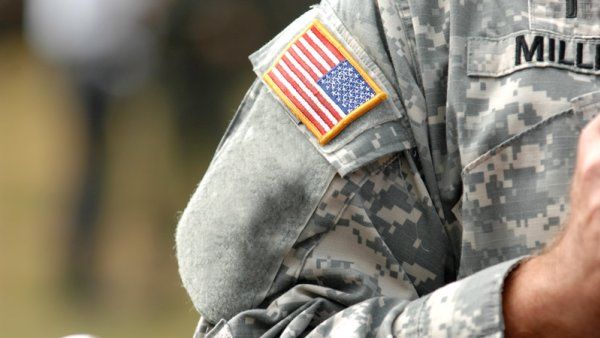
Cross-Racial Study of 1.87M Vets Shows Wide Disparities in Dementia
This study is believed to be the first to report the rate of dementia in Native Americans using a nationwide sample, the researchers stated in their paper.
-
Psilocybin Spurs Brain Activity in Patients With Depression, Small Study Shows
-
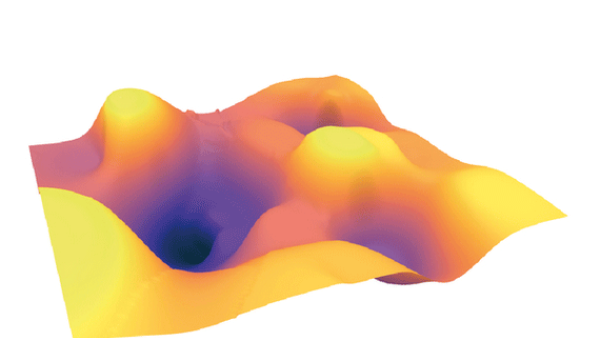
Psilocybin Rewires the Brain for People with Depression
Scientists at UC San Francisco and Imperial College London found that psilocybin fosters greater connections between different regions of the brain in depressed people, freeing them up from long-held patterns of rumination and excessive self-focus.
-
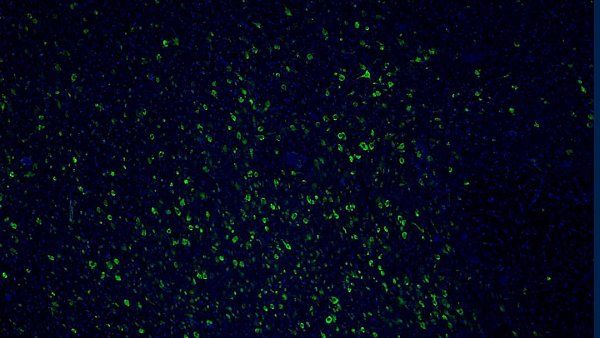
Loss of Neurons, Not Lack of Sleep, Makes Alzheimer’s Patients Drowsy
The findings contradict the common notion that Alzheimer’s patients sleep during the day to make up for a bad night of sleep and point toward potential therapies to help these patients feel more awake.
-
Excessive Napping Could Be a Sign of Dementia, Study Finds
-
Extended Napping in Seniors May Signal Dementia
Daytime napping among older people is a normal part of aging – but it may also foreshadow Alzheimer’s disease and other dementias.

-
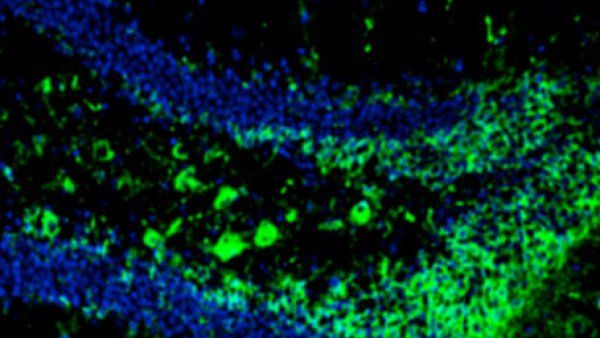
When It Comes to Sleep, It’s Quality Over Quantity
Not everyone needs 8 hours of sleep, say UCSF researchers. Some lucky people are “elite sleepers,” packing sleep’s benefits into 4 to 6 hours a night. Their genes may hold clues to how efficient sleep can fend off dementia.
-
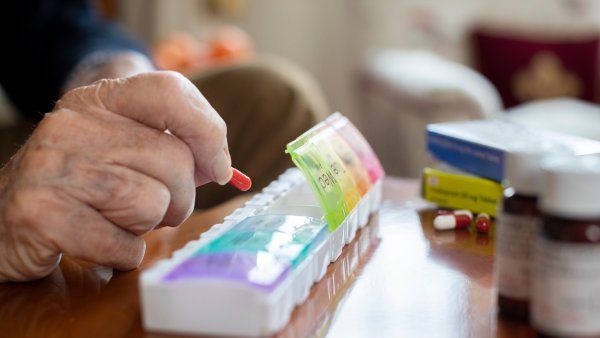
Seniors with Memory Issues Take Multiple Medications, but Most Are Willing to Cut Down
55% of seniors with dementia take more than six medications even though most have good health. However, a UCSF study showed that 87% are willing to cut down if their doctors agree.
-
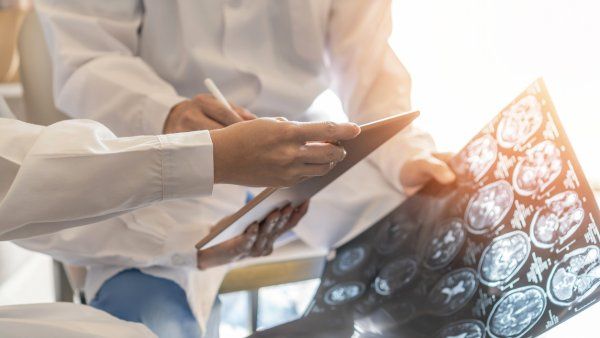
Brainpower May Take A Beating Following Concussion
Concussion may have a long-term impact on cognition, a new UCSF-led study finds. Fourteen percent of patients had "poor cognitive outcome" one year post injury, with car collisions being the leading cause of concussion.
-
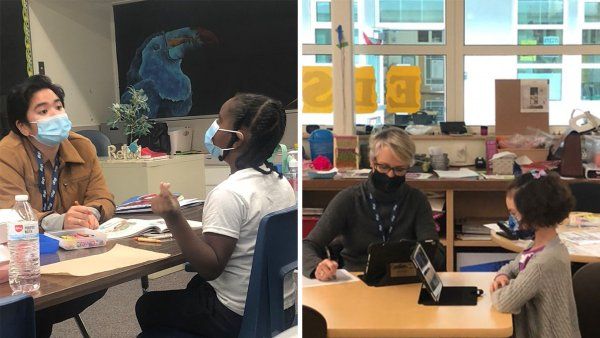
UCSF Dyslexia Researchers Develop Tool to Flag Early Reading Challenges
UCSF researchers have developed a digital tool to flag early reading challenges that may lead to dyslexia, and it could be in widespread use in California public schools by 2023. Governor Gavin Newsom is proposing $10 million in the state budget for the project.
-
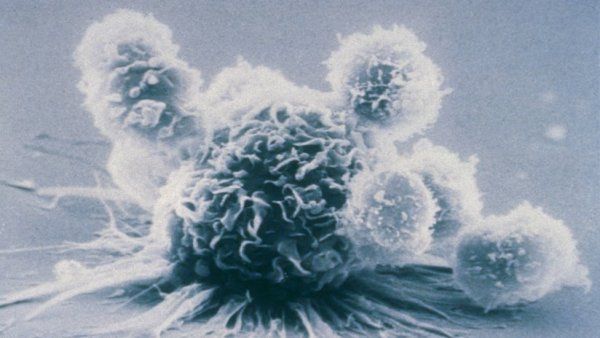
Drug Offers New Hope to Select Patients with ALS, UCSF-CPMC Study Shows
A UCSF-led study found a new drug for ALS that shows to slow or temporarily stall the progression of ALS in a select group of patients, with three times as many patients' disease slowing compared to those who received a placebo.
-
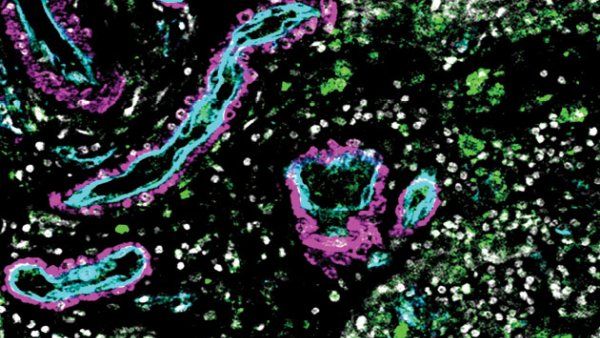
Newly Discovered Immune Cells Play a Role in Hemorrhagic Stroke
A new “atlas” of every cell in the brain’s blood vessels reveals that some strokes are caused by immune cells interacting with arteries, in a new study by UCSF researchers.
-
Drug Targeting Tauopathies in Mice Reveals Sex Differences in Response
UCSF researchers used multiple drug analogs to test CSF1R inhibition in transgenic mice with tauopathy, and observed suppressed biomarkers of neurodegeneration, rescued aberrant behavior, and extended survival in female mice.

-
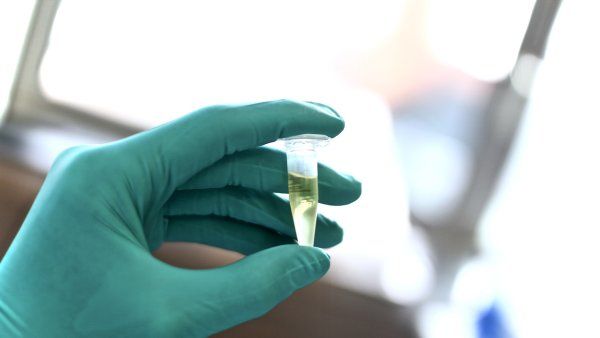
Cerebrospinal Fluid Offers Clues to Post-COVID ‘Brain Fog’
Many patients with COVID-19 develop brain fog and other cognitive symptoms months later. Their cerebrospinal fluid may hold clues to why this is happening.
-
Exercise Alters Brain Chemistry to Protect Aging Synapses
UCSF researchers show how physical activity protects cognition by altering brain chemistry that maintains synapses, especially for the elderly.

-
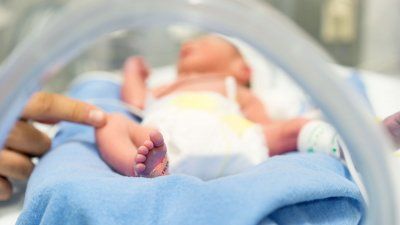
Timing of Brain Injury in Pregnancy, Birth May Impact Motor and Language Outcomes
Brain maps and developmental outcomes differ greatly in newborns with two of the most common brain injury types, which may have implications for early intervention.
-
An All-Out Quest to Understand Long COVID
A concerted research effort gave UCSF scientists early insight into long COVID. It also showed patients that they weren’t in the fight alone.
-
Can This Controversial New Drug Curb Alzheimer’s Disease?
UCSF neurologist Gil Rabinovici, MD, explains the controversy and shares why he thinks Alzheimer’s care is entering a new era “regardless of whether aducanumab proves to be a blockbuster or a bust.”
-
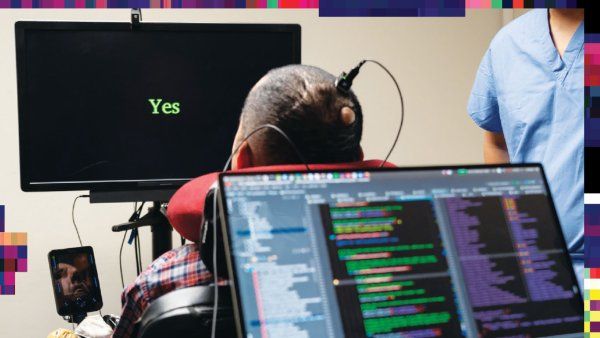
Speaking Again, With a Little Help from AI
How neuroscientists harnessed the power of artificial intelligence to give a paralyzed man back his voice.
-
Sunshine May Shield Children, Young Adults from Multiple Sclerosis
Spending time under the sun may raise the risk for skin cancer, but a new study led by UCSF and the Australian National University shows that for children and young adults, sun exposure may protect against multiple sclerosis.

-
For New Patients with Paralysis, Tighter Blood Pressure Control Management May Lead to More Mobility
A man was paralyzed from the neck down in a surfing accident. Now he can walk again. Using machine learning, UCSF researchers found that controlling blood pressure during surgery may aid in patient recovery from spinal cord injuries.