Severe COVID-19 Disables Disease-Fighting Immune Circuit
Patients with severe COVID-19 produce antibodies that paradoxically shut down their immune system’s virus-fighting response just when they need it most.
University of California San Francisco
Give to UCSF
Patients with severe COVID-19 produce antibodies that paradoxically shut down their immune system’s virus-fighting response just when they need it most.
We asked several UCSF experts for a personal take on what will convince them that a vaccine is safe.
This type of test could be used as a check against possible errors generated by the standard tests that directly detect the SARS-CoV-2 virus, the scientists said.
Immunotherapies are a promising anticancer arsenal and work by mobilizing the immune system to recognize and destroy cancer cells. Currently, however, only a third of patients respond to
Finding medicines that can kill cancer cells while leaving normal tissue unscathed is a Holy Grail of oncology research.
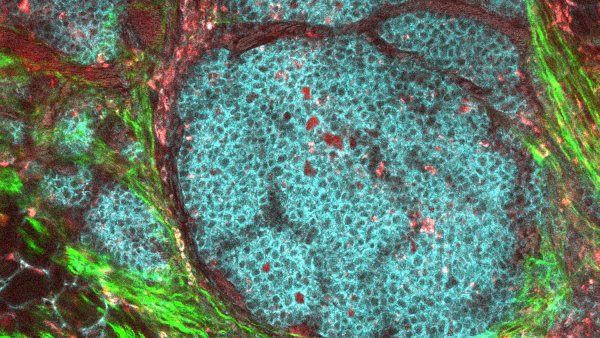
An international research team led by UCSF scientists has shown, for the first time, that gut immune cells travel to the brain during multiple sclerosis flare-ups in patients.
Now in their seventh year, the Best Global Universities rankings focus on schools’ academic research and reputation overall instead of specific undergraduate and graduate programs. These global rankings help the increasing number of students exploring international higher education options to more accurately compare institutions around the world.
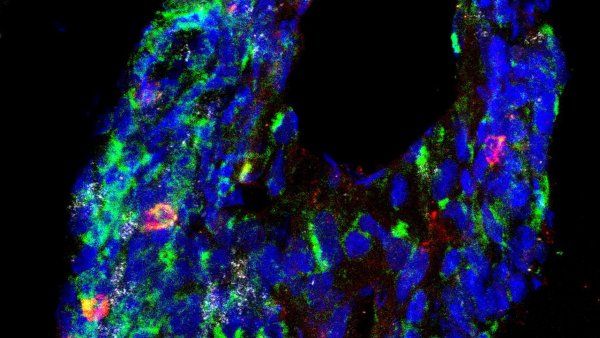
Though cancer immunotherapy has become a promising standard-of-care treatment – and in some cases, perhaps a cure – for a wide variety of different cancers, it doesn’t work for everyone, and researchers have increasingly turned their attention to understanding why.

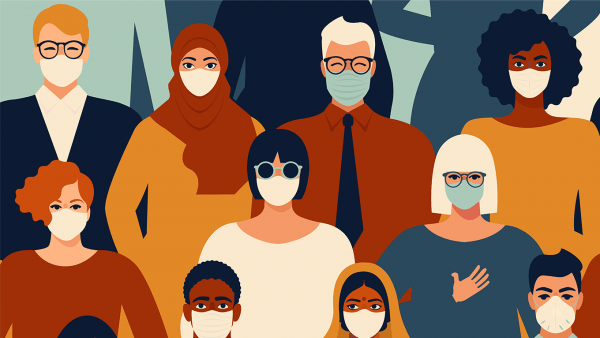
Infectious diseases expert Monica Gandhi, MD, MPH, explores her hypothesis that one of the benefits of masks may be that they provide exposure to enough coronavirus to build immunity but not enough to cause illness.
Though FTD is not as well known as Alzheimer’s disease, it’s the second most common cause of dementia in people under 65, and there’s currently no treatment.
New UCSF research sheds light on how immune system B cells that infiltrate the central nervous system may drive multiple sclerosis.
A look at past outbreaks offers guidance on bringing the current one to an end – and on thwarting the next one.
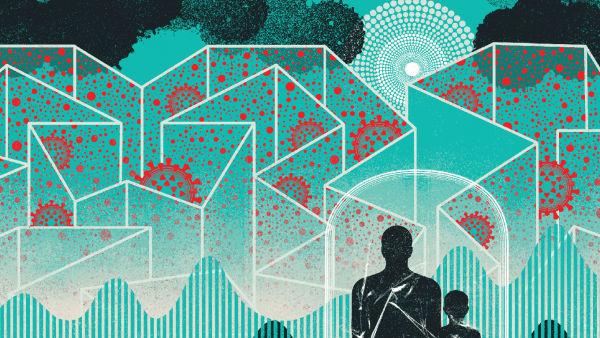
UCSF researchers are taking a closer look at COVID-19’s dizzying array of symptoms to get at the disease’s root causes.
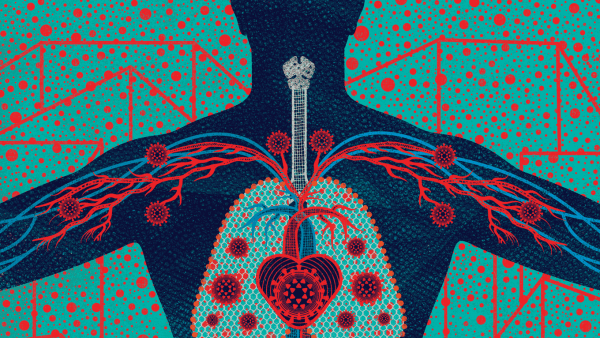
As the United States’ testing regime floundered early in the pandemic, scientists at UCSF and the Chan Zuckerberg Biohub created from scratch a diagnostic lab that became a model for the nation.
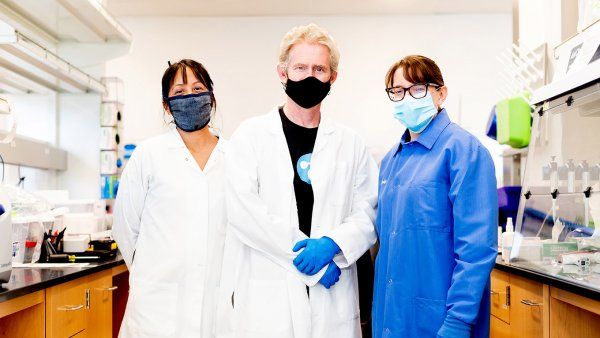
Clinical trial leader Annie Luetkemeyer, MD, tests promising therapies for COVID-19 – and soon a vaccine.
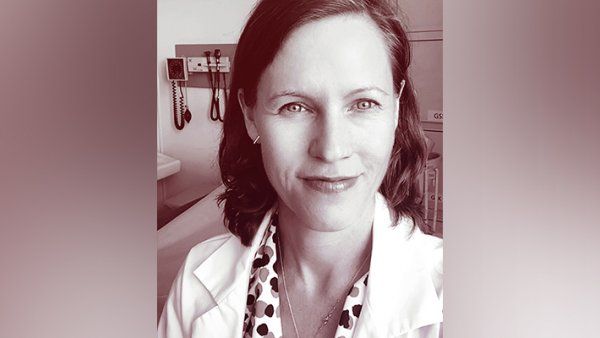
How I learned to use social media to advance the public’s understanding of COVID-19.

Joel Ernst, MD, addresses key questions about how vaccine development works and why vaccines are especially important in the case of COVID-19.
The finding could offer additional insights into other immune conditions, including a type of childhood leukemia and the severe inflammation response in some children with COVID-19.
Depending on a cancer’s tissue of origin, tumors cause widespread and variable disruption of the immune system throughout the body, not just at the primary tumor site.
Cancer specialists from UCSF will present new research findings at the annual scientific program of the American Society of Clinical Oncology, the world’s largest clinical cancer research meeting.
Cancer and autoimmune diseases, such as rheumatoid arthritis and multiple sclerosis, might not seem to have much in common, but some researchers now are pinning hopes on the same immune system cell –
A project launched by UC San Francisco and UC Berkeley scientists evaluated some of the more than 120 available antibody test kits.