$6M Gift from Family of Roblox Creator Launches New Initiative to Advance CAR T Therapy
The UCSF initiative aims to increase the effectiveness and availability of chimeric antigen receptor T-cell (CAR T) therapy for lymphoma patients.

University of California San Francisco
Give to UCSF
The UCSF initiative aims to increase the effectiveness and availability of chimeric antigen receptor T-cell (CAR T) therapy for lymphoma patients.
Spending time under the sun may raise the risk for skin cancer, but a new study led by UCSF and the Australian National University shows that for children and young adults, sun exposure may protect against multiple sclerosis.

Hoping to discover a new approach to treating depression, UCSF researchers looked at mitochondrial proteins and found that people with untreated depression have significantly lower levels of these proteins. New hypotheses emerge about the relationship between depression and the function of the brain’s energy-hungry neurons.
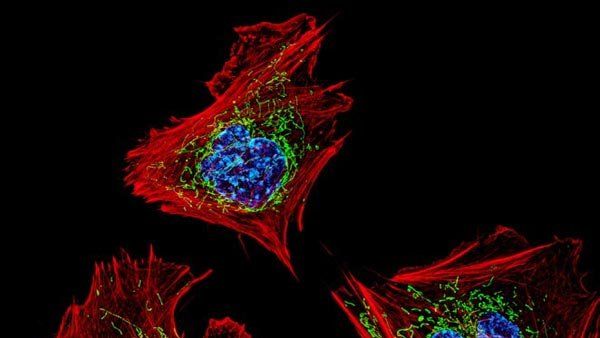
A recent UCSF study tested possible triggers of a common heart condition, including caffeine, sleep deprivation and sleeping on the left side, and found that only alcohol use was consistently associated with more episodes of heart arrhythmia.

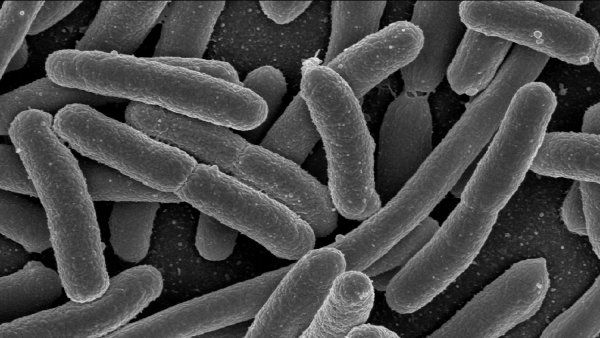
In a first, UCSF reserachers successfully used the DNA-editing system CRISPR to alter the genomes of bacteria living in the guts of mammals, which may advance our understanding of the microbiome and pave the way for treating gut-related disease.
A man was paralyzed from the neck down in a surfing accident. Now he can walk again. Using machine learning, UCSF researchers found that controlling blood pressure during surgery may aid in patient recovery from spinal cord injuries.
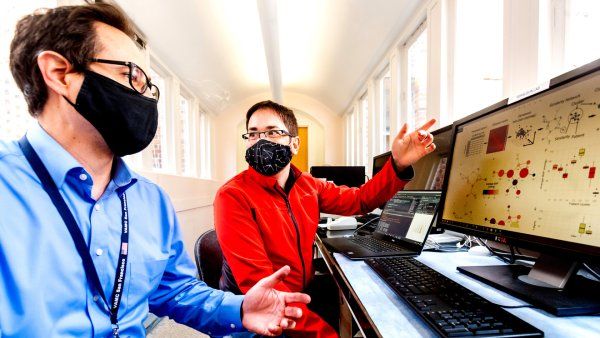
A UCSF and Stanford study of electronic health records linked SSRIs, the most widely prescribed antidepressants, to survival for COVID-19 patients.

A new UCSF study shows maintaining ties with friends and family reduces seniors’ risk of moving into a nursing home. Elders with someone to count on are more likely to remain in their homes in a health crisis.

A new study by UCSF researchers finds that more screen time was linked to poorer mental health and greater stress for U.S. teenagers; kids of color and with lower income logged more hours than white, wealthier peers.

UCSF researchers have discovered a new type of cell that may be responsible for the exaggerated immune response behind inflammatory disease.
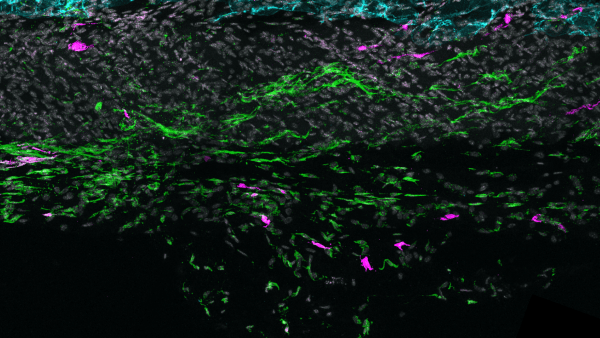
UCSF’s research has been ranked among the top in the world, according to the latest U.S. News & World Report’s Best Global Universities 2022 rankings.
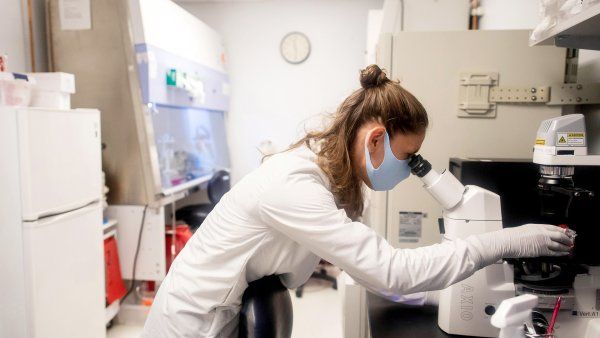
The California Labor Laboratory, a new initiative from UCSF, UC Berkeley, and the California Department of Public Health, will address the health of California workers in both traditional jobs and other employment arrangements, including gig workers.

Three adolescents who had mild or asymptomatic COVID-19 developed sudden severe psychiatric symptoms. A recent study into their immune responses identifies a potential mechanism by which these symptoms emerge.
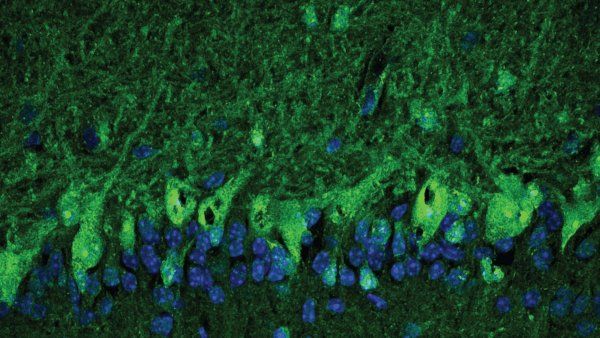
Researchers at UCSF’s Quantitative Biosciences Institute (QBI) have observed how molecular switches regulate many different biological processes simultaneously. Their findings may shed light on how disease mutations operate, offering new ways to target malfunctioning switches and prevent illness.
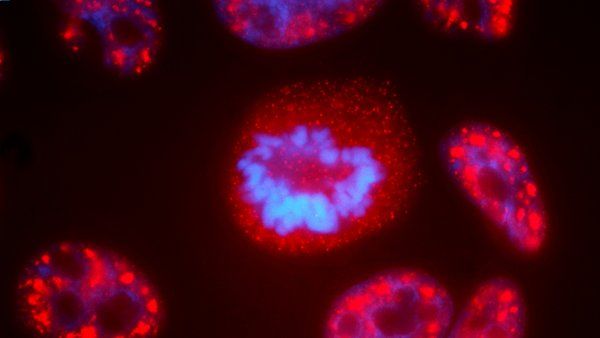
UCSF faculty will soon co-direct a new center to coordinate research from 11 newly funded centers across the U.S. on the root causes of, and ways to eliminate, disparities in multiple chronic diseases.

A team of UCSF scientists have identified the specific neurons and signaling pathway that make sexually receptive females of many species more active at the time of ovulation.

A groundbreaking national study led by UCSF finds that treating anal cancer precursor lesions reduces cancer risk for people with HIV.

Two new studies of the developing human brain are helping researchers reconcile a long-held debate over how the brain forms.

UCSF leads national efforts to develop new ways of calculating kidney function that leave race out of the equation.

A new prostate cancer test developed by UCSF and UCLA detects cancer cells that have spread to lymph nodes both inside and outside the pelvis.
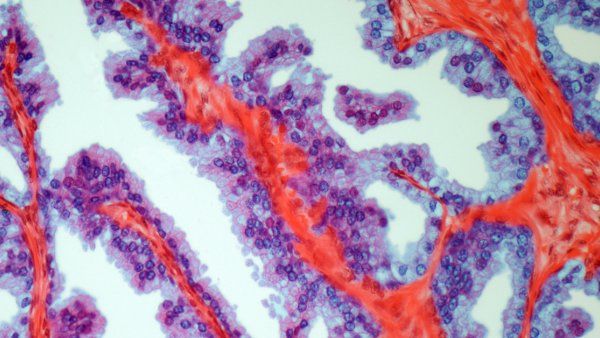
Glioblastoma is the most common malignant brain tumor and among the most treatment-resistant cancers. In the last 15 years, numerous attempts to develop new drugs for glioblastoma have failed.
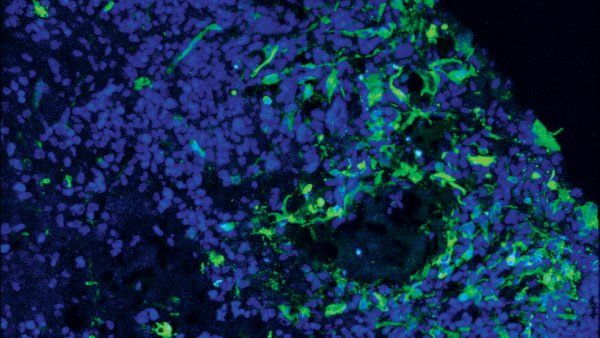
Researchers at UCSF and UC San Diego have mapped out how hundreds of mutations involved in two types of cancer affect the activity of proteins that are the ultimate actors behind the disease.
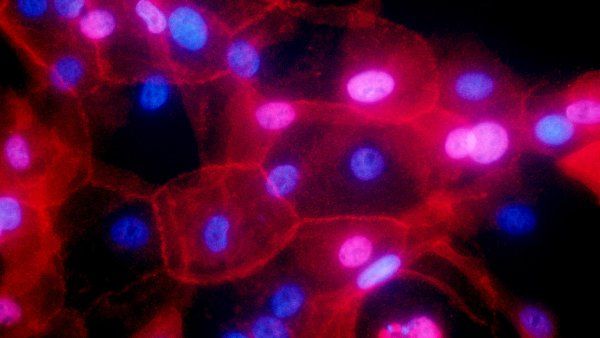
Trauma leaves marks on the body, as well as the mind. UCSF scientists have identified an immune signature to indicate which patients will respond best to therapy.