What’s New in the Search for a Long COVID Cure?
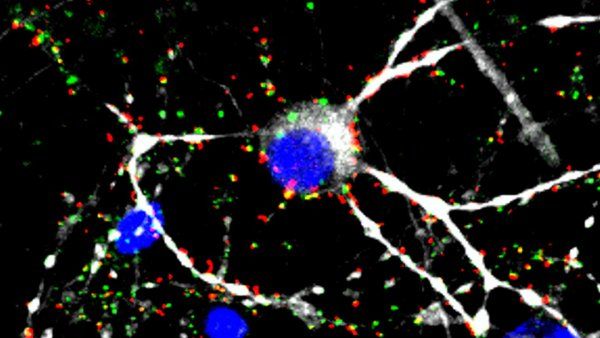
UCSF infectious disease specialist Michael Peluso, MD, who co-leads one of the world’s oldest studies of long COVID, discusses the condition’s mysteries.
University of California San Francisco
Give to UCSF
UCSF infectious disease specialist Michael Peluso, MD, who co-leads one of the world’s oldest studies of long COVID, discusses the condition’s mysteries.
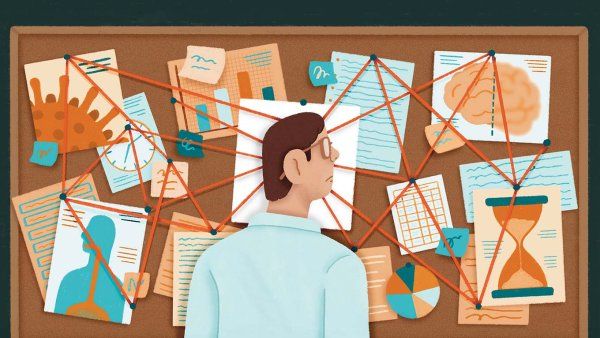
UCSF’s Nevan Krogan, PhD, is taking aim at the world’s deadliest diseases by uniting scientists and the biomedical industry to speed treatments.
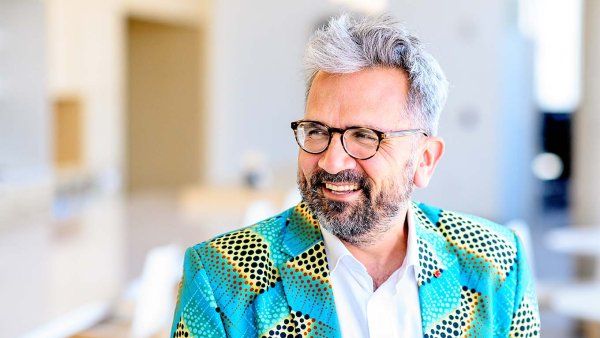
The advent of cheap, easy-to-use blood tests for Alzheimer’s disease has the potential to revolutionize diagnosis and treatment. But they also raise difficult questions that the field is only beginning to consider.

Engineered immune cells. Supercharged scans. Drug implants. Gene manipulators. Blood biopsies. Read how these breakthroughs are transforming cancer care.
A new treatment approach draws on research into the unique teenage brain.

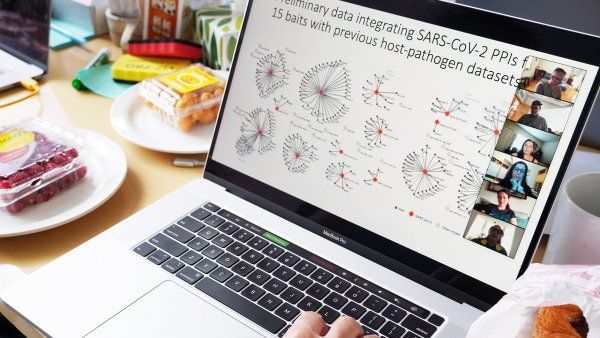
Quantitative Biosciences Institute’s Nevan Krogan reflects back on the COVID-19 pandemic and how internal and external communications, funding and international partnerships all contributed to a speedy COVID-19 response.
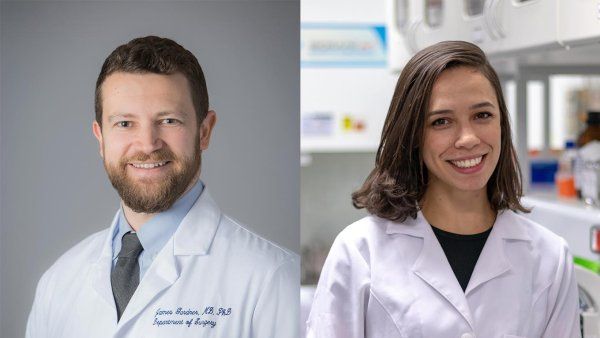
Two UCSF scientists – James Gardner, MD, PhD, and Rebeca de Pavia Fróes Rocha, PhD – have received Pew awards for their work in immunology as part of a program that supports promising early-career investigators.
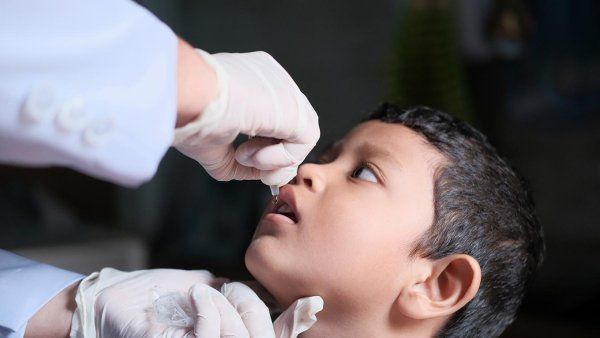
Two new oral polio vaccines will help limit the amount of new polio strains and outbreaks by genetically engineering weakened polio virus in the oral vaccine to reduce reversion to dangerous forms.
A new study shows that percutaneous coronary intervention can improve patient outcomes in communities with unmet needs.

UCSF researchers developed an approach to measure an over-the-counter allergy medication’s effectiveness in repairing brain damage from multiple sclerosis (MS), making it possible to also assess future therapies for the disorder.
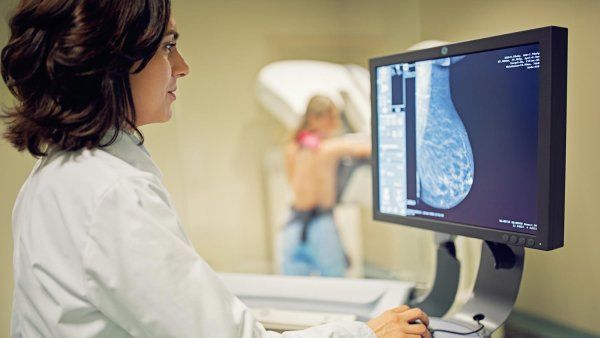
Laws in many states require notifying women if they have dense breasts, a risk factor for breast cancer. But density shouldn’t be the only factor in determining whether supplemental screening is
UCSF researchers tested nitroglycerin patches, an treatment for chest pain from coronary artery disease, for menopausal hot flashes. Short-term benefits were seen, but not long-term as some side effects occurred.

Oncology specialists from around the globe will gather for the American Society of Clinical Oncology (ASCO) Annual Meeting to discuss the latest cancer therapies, technologies, research and education.
Taking into account genetic factors that can change PSA levels not associated with cancer, the screening accuracy can be improved.
UCSF’s analysis of previously secret industry documents reveals that the chemical industry suppressed knowledge of health harms caused by PFAS exposure, mirroring tactics used by the tobacco industry and highlighting the need for stricter regulation and precautionary principles in chemical regulation.
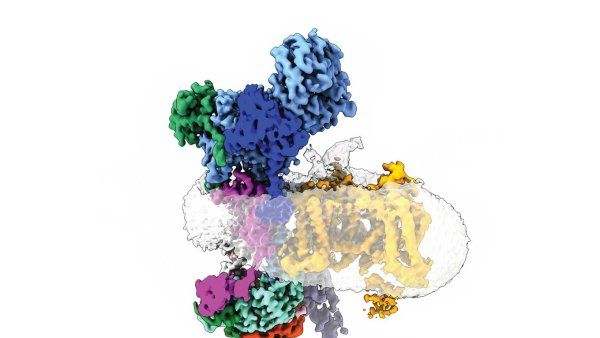
UCSF researchers discover how gabapentin interacts with calcium channels, opening doors for more effective treatments in epilepsy and Lupus by influencing channel biogenesis.
In sepsis cases, hydrocortisone is found to decrease the need for blood pressure-raising drugs and improves survival when used in combination with other corticosteroids.
While some patients recover from the effects of COVID-19, others experience the aftereffects long after the initial infection. UC San Francisco researchers are studying why some COVID-19 patients
In a first, researchers have identified chronic pain pathways in individuals directly from their neural activity, showing promising paths forward for treatment.
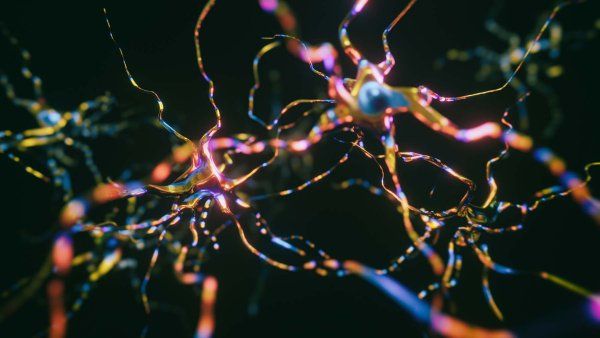
Breastfeeding duration increased for U.S. women who were able to work from home during COVID, suggesting that a lack of paid family leave policies is a barrier to longer breastfeeding in the US.

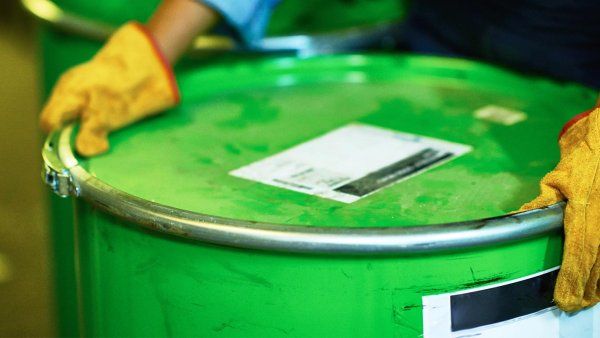
Exposure to trichloroethylene (TCE), a chemical found in the air, water, and soil, may increase the risk of Parkinson's disease by 70%, according to a UCSF study. TCE is commonly used today as a degreasing solvent.
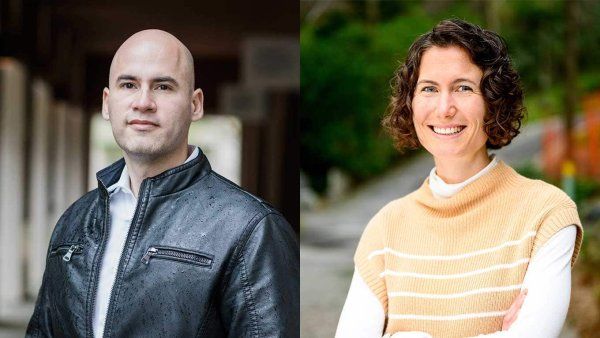
UCSF faculty members Walter G. Gonzalez and Angela Phillips have been selected as Howard Hughes Medical Institute (HHMI) Freeman Hrabowski Scholars. With up to $8.6 million in support, they will conduct research, create inclusive lab environments, and make a significant impact on the future of science. Both scholars are committed to fostering diversity and promoting scientific breakthroughs.
Deep neural networks (DNNs) can be used to collect data that predicts cardiac pump function.
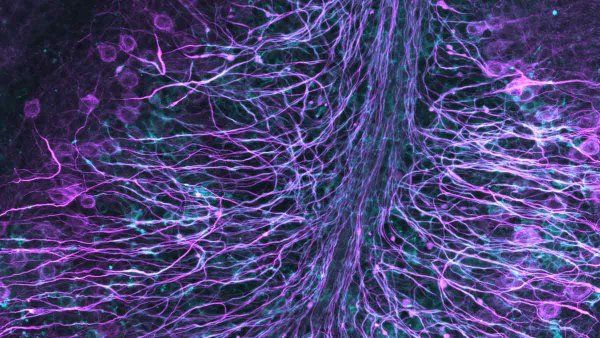
UCSF scientists have found that brain cancer glioblastoma can cause cognitive decline by affecting neural connections, but the epilepsy drug gabapentin shows promise in blocking this activity, offering hope for new treatments.