University of California San Francisco
Give to UCSF
Displaying 361 - 390 of 3378
-
-
How a UCSF Scientist Helped Ban a Chemical Connected to Parkinson’s
A new EPA ban on TCE, a common industrial cleaning agent and contaminant, begins this year. UCSF’s Samuel Goldman, who led groundbreaking research to link TCE to Parkinson’s Disease, talks about the health risks.

-
Delayed REM Sleep Could Be an Early Sign of Alzheimer’s
Delayed REM sleep was found to be linked to higher Alzheimer’s risk. Healthy sleep habits and treatments may help mitigate risks.
-
Doctors Test a New Way to Help People Quit Fentanyl
During COVID-19, researchers found that low-dose buprenorphine initiation for fentanyl users was largely unsuccessful, with repeated attempts also failing.
-
Boiling Won’t Help. Explaining the Palisades and Altadena ‘Do Not Use’ Water Alerts
-
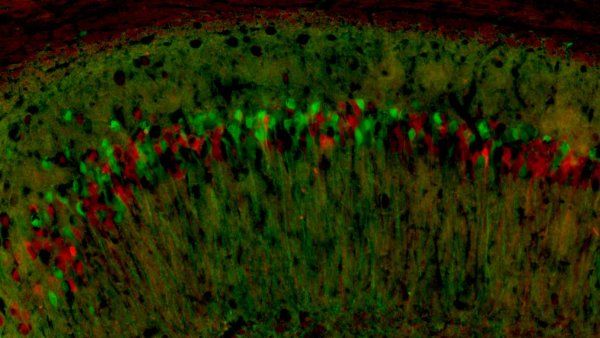
Could Brain Aging Be Mom’s Fault?
Researchers found that female mice using only maternal X chromosomes showed faster cognitive decline, which could help explain the variation in brain aging between the sexes.
-
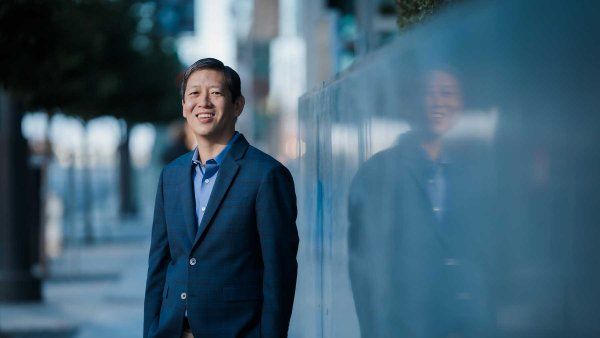
Felix Feng, Giant in the Field of Prostate Cancer, Dies at 48
Renowned radiation oncologist Felix Y. Feng, MD, passed away from cancer on Dec. 10, 2024, at the age of 48.
-
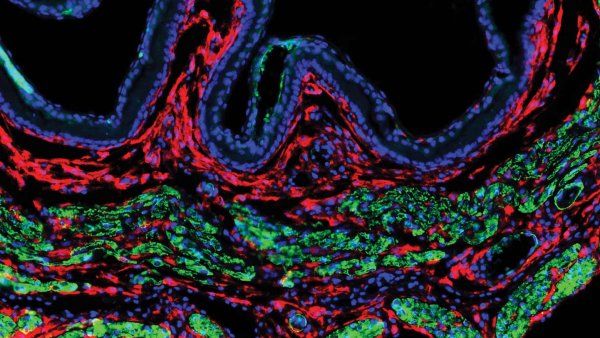
What’s Behind Preterm Birth? Scientists Just Found a Big Clue
Scientists discover how cells in the uterus keep track of pregnancy to ensure an on-time delivery.
-
Could We Ever Regrow Our Adult Teeth?
-
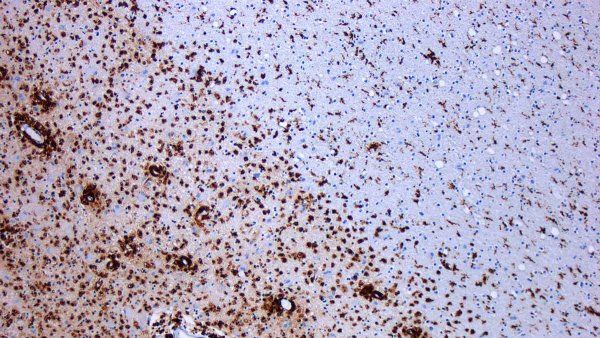
For Women With MS, Mobility Takes Step Backward at Menopause
A new study found that menopause can speed up the progression of multiple sclerosis (MS), affecting mobility and cognitive ability.
-
Can Employees Benefit from a Digital Mindfulness Program?
As little as five minutes of mindfulness meditation a day may help reduce work-related stress, even when done through self-guided smartphone apps.

-
Is Drinking Alcohol Ever Good for You? Here’s What the Science Says.
-
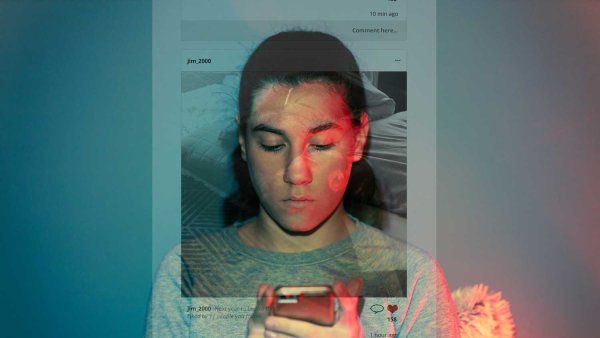
How Many Children Use TikTok Against the Rules? Most, Study Finds
High percentages of children under thirteen years old use social media apps that are meant for ages thirteen and over. Experts suggest parents model healthy behaviors to avoid health risks in children.
-
Genes That Grow a Healthy Brain Could Fuel Adult Glioblastoma
A new study paints one of the most detailed pictures of human brain development to date, opening the door to new tests and therapies, including for brain disorders such as autism.

-
Are Health Disparities Part of Climate Change? Or Can We Avoid them?
The Equity and Climate Opportunities for Health (ECO-Health) at the UC Center for Climate Health and Equity received a $4M NIH Health P20 Center award to quantify how climate change leads to poor health outcomes within communities that are heavily impacted by structural injustices.

-
Paxlovid Improved Long COVID Symptoms in Some Patients, Researchers Report
-
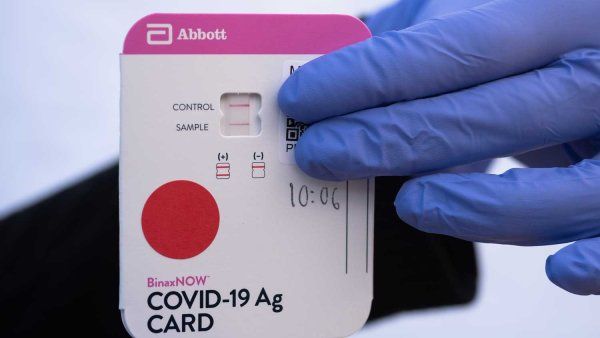
Extended Paxlovid May Help Some People with Long COVID
An extended course of Paxlovid appears to help some patients with long COVID, according to a study by UCSF researchers that suggests this treatment option holds promise for some of those struggling with lasting symptoms.
-
America’s Bird-Flu Luck Has Officially Run Out
-
UCSF-led Study Aims to Improve Treatment of Painful Skin Disease
Hidradenitis Suppurativa (HS) is a chronic inflammatory skin condition that disproportionately affects women and people of color. It begins in adolescence and can be debilitating, negatively impacting

-
Why Some People Can Get Away With Only a Little Sleep Every Night
-
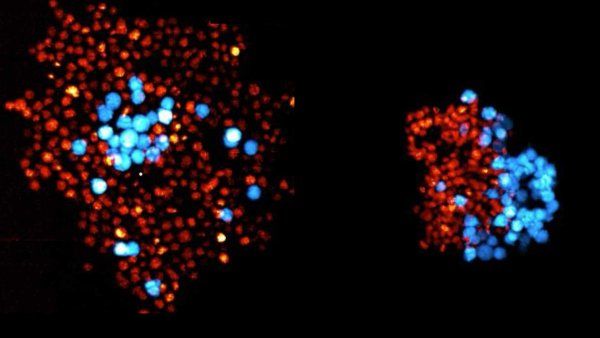
Scientists Take First Steps Toward Growing Organs from Scratch
Researchers from UC San Francisco and Cedars-Sinai have developed a new way to prompt stem cells to form specific organs. It sets the stage for growing human organs from scratch – a long-time goal of regenerative medicine.
-
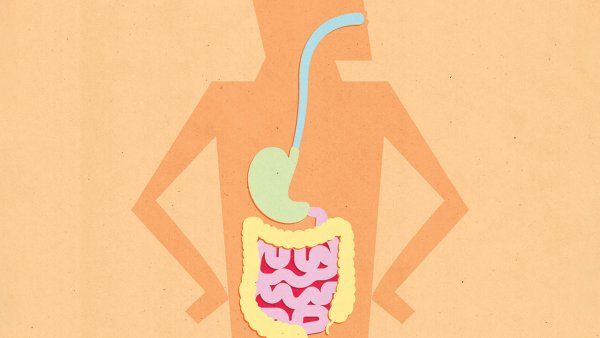
10 Ways UCSF Is Exploring the Gut
Scientists at UCSF are studying the gastrointestinal tract to unlock the healing secrets of our trillions of gut microbes.
-
Microplastics in the Air May Be Leading to Lung and Colon Cancers
summary

-
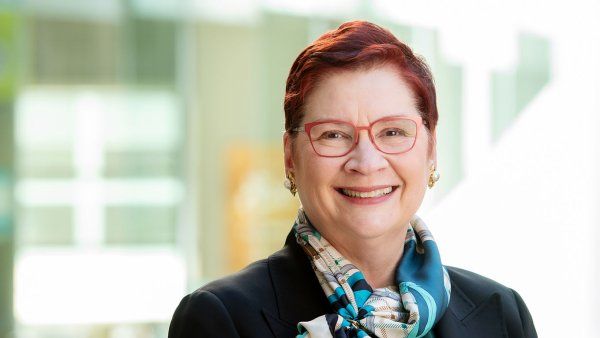
What Bold Steps Are Needed to Lead UCSF into a New Era?
One key is a building designed by scientists for scientists, says Catherine Lucey, MD, UCSF’s executive vice chancellor and provost.
-
The Future of Neuroscience: Building a Silicon Brain
A digital twin of a human mind? It isn’t science fiction.

-
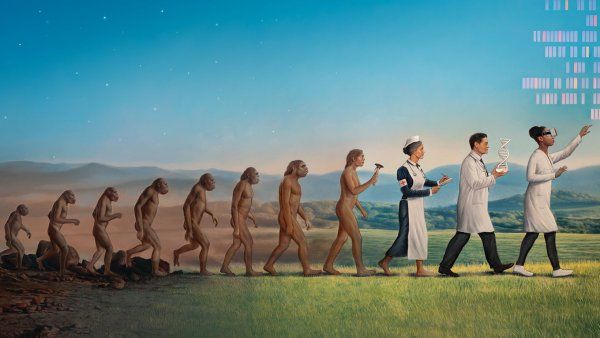
On the Origin of Diseases
Insights from human evolution could change how we understand and treat illness.
-
Medication Abortions May Be More Painful Than Women Expect, Study Finds
-
Feel Left Behind by Digital Health Tools? You’re Not Alone
New study finds that, among many factors, speaking Spanish is the most likely to result in lower scores on self-reported ability to navigate digital health tools such as patient portals.

-
State Approves UCSF Reading Screener in CA Public Schools
California officials have picked a UC San Francisco-created tool as one that public schools can use to spot early signs of reading problems including dyslexia. State law requires all California
-
Can AI Improve Diagnosis of Rare Diseases?
Researchers at UCSF and UCLA created an AI algorithm to analyze health records, identify patterns and flag potential AHP patients, aiming to enhance diagnosis of rare diseases.