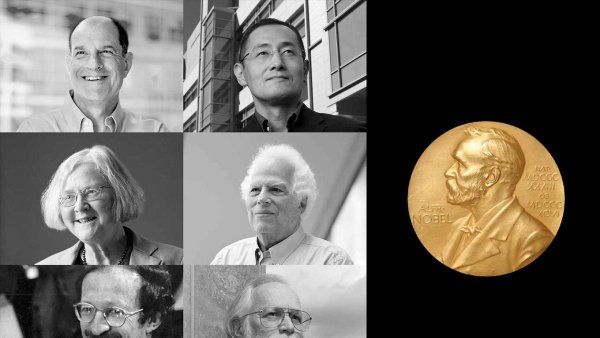
A Nobel Legacy: 5 Decades of Astounding Prize-winning Discoveries
Ahead of the 2025 Nobel Prize announcements, we take a look back at UCSF's Nobel laureates, their discoveries, and the UCSF research building on their work today.
University of California San Francisco
Give to UCSF
Ahead of the 2025 Nobel Prize announcements, we take a look back at UCSF's Nobel laureates, their discoveries, and the UCSF research building on their work today.
Thanks to funding from the National Institutes of Health (NIH), UC San Francisco researchers are revolutionizing what we thought we knew about how cancer spreads, opening new paths to cures.
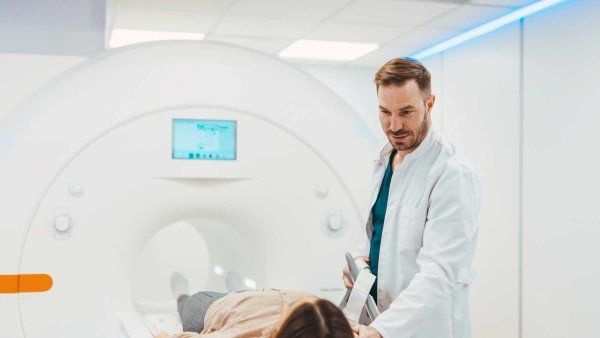
A study led by UCSF and UC Davis concluded that radiation from medical imaging is associated with a higher risk of blood cancers in children.
A new study from UCSF is the first to show a statistically significant increased risk of death in children with acute lymphoblastic leukemia exposed to any pesticide during or after pregnancy.

The UCSF Helen Diller Family Comprehensive Cancer Center announced today the awarding of a Specialized Programs of Research Excellence (SPORE) grant by the National Cancer Institute (NCI) for a

Urothelial carcinoma (UC) is the second most common genitourinary cancer, leading to over 16,000 deaths a year in the U.S. Despite recent advances, the five-year survival rate for metastatic UC
A new grant paves the way for UCSF to train one of Mexico’s first molecular pediatric pathologists, providing access to better cancer detection and treatment for the thousands of children diagnosed with cancer in Mexico every year.
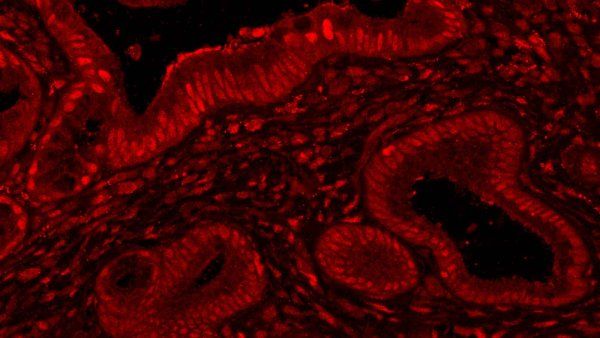
A UCSF team discover how breast cancer tumors tunnel into neighboring fat cells to trigger fat breakdown in order to feed on fat and grow.

Scientists found a way to identify and possibly treat a mysterious type of bladder cancer that affects up to 1 in 4 cases.
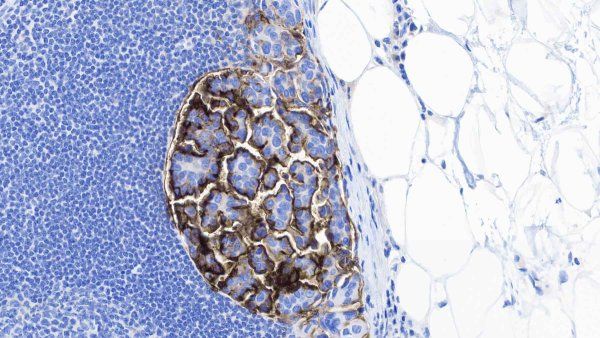
In pancreatic cancer, metastasis is often the first sign that a patient even has cancer, and by then, the cancer has spread out of control. Researchers discovered how pancreatic cancer cells migrate to other organs, where they become dangerous enough to kill.

Oncology specialists from UC San Francisco will present new clinical research findings and cutting-edge treatment strategies at the 2025 American Society of Clinical Oncology (ASCO) Annual Meeting,
Leading cancer researchers from UC San Francisco presented talks about advances in targeted therapies, cancer genomics, using AI to personalize cancer treatment, improving diagnosis of hard-to-treat
Scientists discover how to rouse the immune system around "cold" tumors, making them vulnerable to cancer-killing immune therapies with checkpoint inhibitors.

CT scans may account for 5% of all cancers annually, according to a new study that cautions against overusing and overdosing CTs.
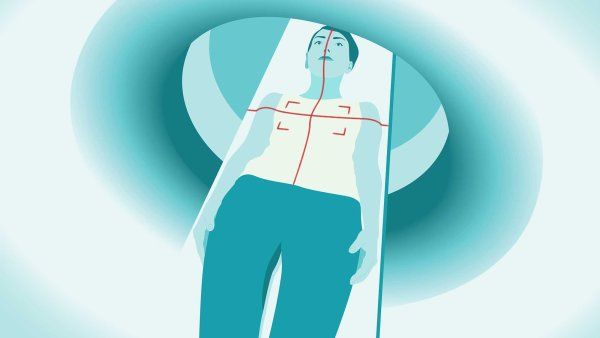
A cancer drug developed ten years ago at UCSF can also put the brakes on one of prostate cancer's deadliest molecular tricks.
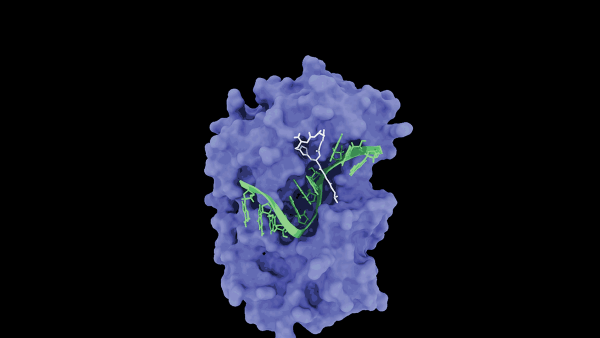
UCSF scientists have found that some cancers, like brain cancer, make unique, jumbled proteins that make them stand out. These newly recognized cancer-specific proteins, or antigens, could speed the development of potent immunotherapies that recognize and attack hard-to-treat tumors.
UCSF scientists discover how cancer cells hijack the protein factory of the cell to churn out MYC protein, the driver of 70% of all cancers.
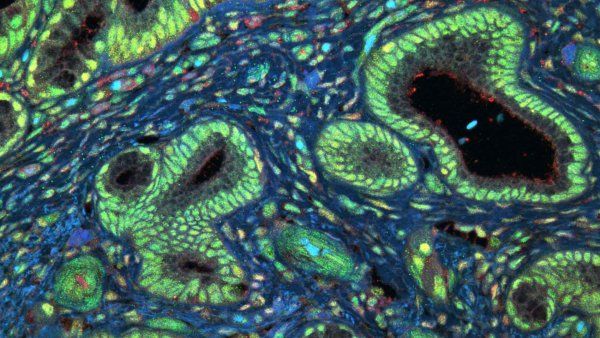
Scientists used implanted fat cells to gobble up available nutrients around cancer tumors, starving the tumors to death.
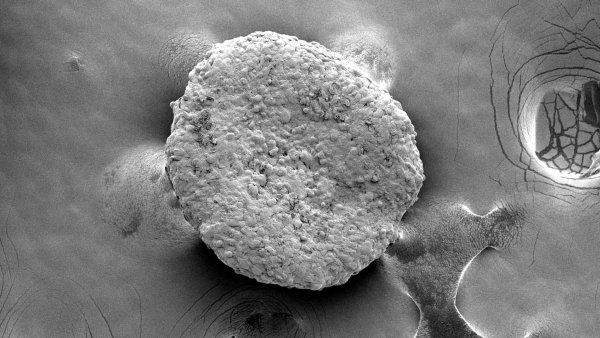
Rates of advanced prostate cancer in California rose significantly in the decade since doctors stopped routinely screening all men. A UCSF study reinforces the need for screening that can identify potentially fatal tumors without raising false alarms about ones that pose little threat.
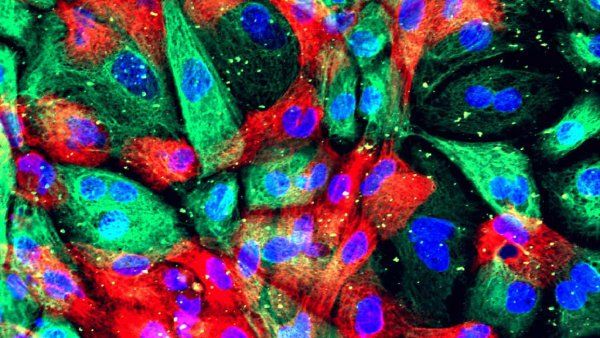
A new EPA ban on TCE, a common industrial cleaning agent and contaminant, begins this year. UCSF’s Samuel Goldman, who led groundbreaking research to link TCE to Parkinson’s Disease, talks about the health risks.

A new study paints one of the most detailed pictures of human brain development to date, opening the door to new tests and therapies, including for brain disorders such as autism.

Learn from an expert on how marketing shapes the use of flavored vapes, and and what it means for kids and teens.

Excessive drinking can damage the liver. Yet, unlike obesity or high cholesterol, clinicians only screen for alcohol use by asking their patients how much they drink. Turns out that method is not
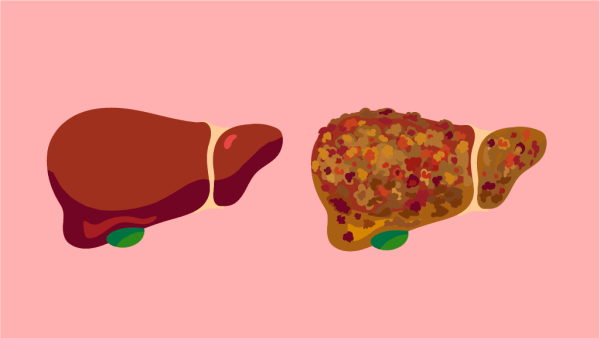
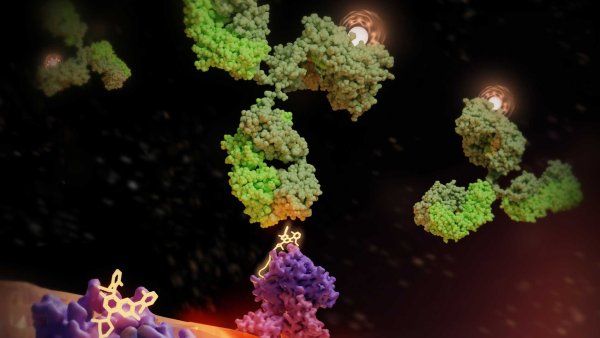
UCSF scientists developed a way to deliver radiation just to cancerous cells, rather than attacking both cancerous and healthy tissue. The therapy combines a drug to mark the cancer cells for destruction and a radioactive antibody to kill them.
Breast cancer experts from UCSF Health will present new research and clinical findings at the annual San Antonio Breast Cancer Symposium, the world’s largest and most prestigious breast cancer