University of California San Francisco
Give to UCSF
Displaying 151 - 180 of 436
-
-
Building Blocks for COVID-19 Antiviral Drugs Identified in Rapid Study
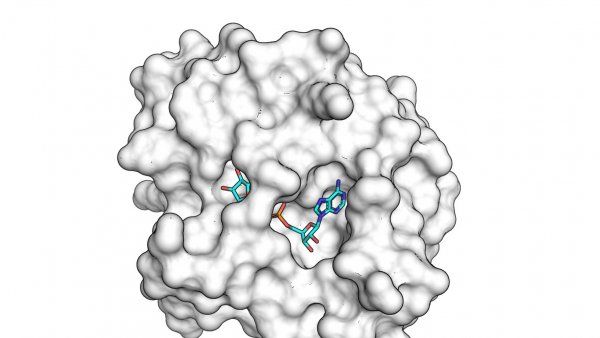
Scientists have identified key chemical building blocks for an eventual antiviral drug against SARS-CoV-2, the virus that causes COVID-19.
-
Newly Diagnosed COVID-19 Patients Needed for Antibiotic Clinical Trial
The nationwide clinical trial will assess whether the common antibiotic azithromycin can reduce hospitalization stays and death caused by the SARS-CoV-2 virus.
-
Recombinant Antibody Network Partners with Bristol Myers Squibb to Develop Novel Therapies
Under a new agreement, Celgene will further invest in the RAN’s state-of-the-art antibody engineering program to expand target discovery from oncology and immunology to include neurology.

-
How a Key Protein Juggles Multiple Demands to Keep Neurons Firing
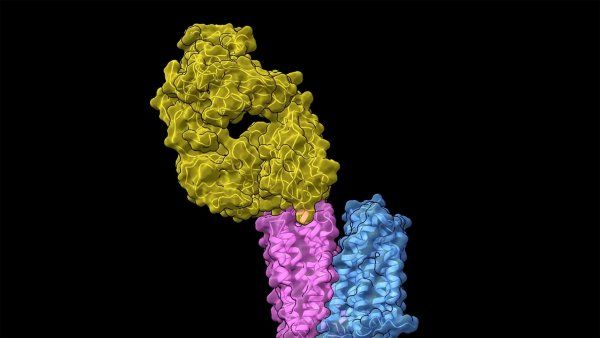
UCSF researchers have become to the first to solve the structure of a hard-working protein that helps reload neurons for repeated firing.
-
Chasing a Killer: Inside a UCSF Lab's Urgent, Unprecedented Effort to Decode and Destroy the Deadly Coronavirus
-
Old Drugs May Find a New Purpose: Fighting the Coronavirus
-
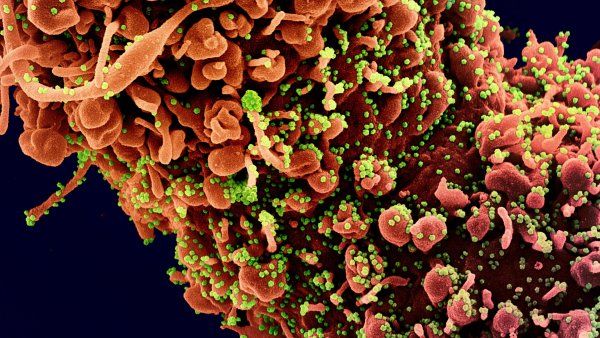
Nature Publication Presents New ‘Blueprint’ Revealing How SARS-CoV-2 Virus Hijacks Human Cells
An international team of more than 120 scientists has detailed the impact of 75 over-the-counter prescription and development-stage drug compounds on SARS-CoV-2, the virus that causes COVID-19.
-
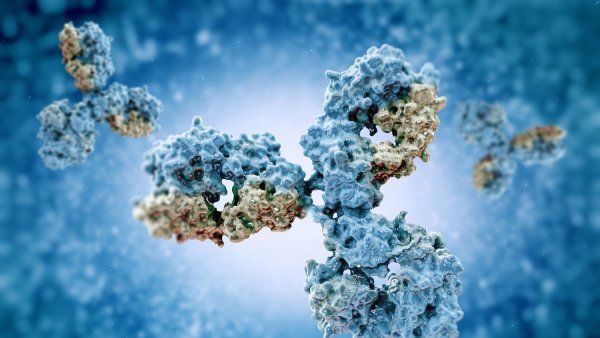
The Promise and Uncertainties of Antibody Testing for Coronavirus
As people around the world try to envision recovery from the COVID-19 pandemic, much attention has been paid to antibody testing as a way to identify people who have developed immunity to the virus. UCSF experts explain how antibody testing works, who it can be most useful for and why we should be cautious.
-
Clinical Trial Testing If Common Anti-Inflammatory Drug Reduces Hospitalization, Death Caused by Coronavirus
UCSF is recruiting newly diagnosed COVID-19 patients for a large global clinical trial testing whether the common anti-inflammatory drug colchicine can reduce hospitalization and death caused by the illness.

-
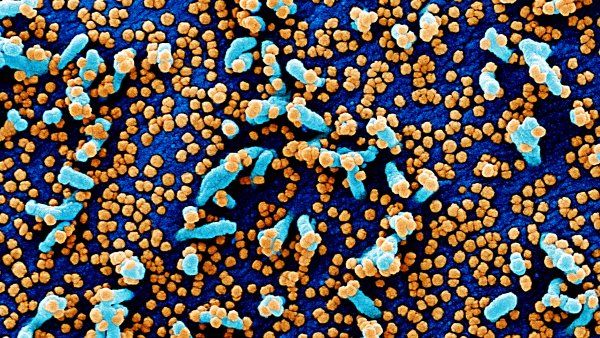
Unveiling How Coronavirus Hijacks Our Cells to Help Rush New Drugs to Patients
Though many hopes are hanging on the development of a vaccine or drug that targets the novel coronavirus directly, a UCSF-led team is taking an unconventional approach: target the host – in other words, you.
-
Scientists Identify 69 Drugs to Test Against the Coronavirus
-
Hundreds of Scientists Scramble to Find a Coronavirus Treatment
-
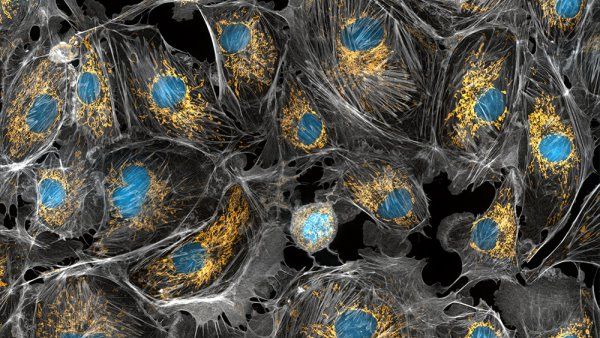
Cellular SOS: CRISPR Technique Reveals How Cell’s ‘Power Plants’ Activate Emergency Response
UC San Francisco researchers have finally identified the cellular circuit responsible for conveying stress signals from inside mitochondria to the integrated stress response, a discovery that may have important implications for treating the many debilitating diseases associated with mitochondrial stress.
-
Simple Blood Test May be Able to Diagnose Alzheimer’s Disease
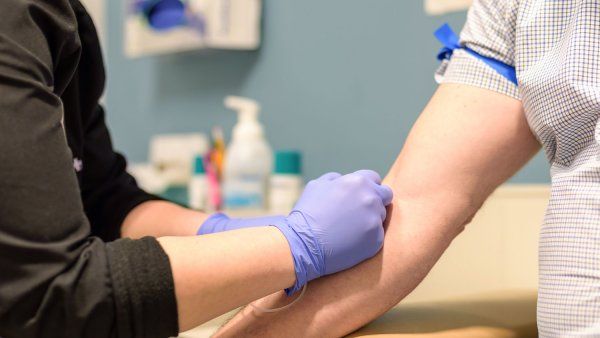
A simple blood test may soon be able to diagnose patients with two common forms of dementia – Alzheimer’s disease and frontotemporal dementia – and tell the two apart.
-
Acid Reflux Drug Is a Surprising Candidate to Curb Preterm Birth
The study also identified 12 other FDA-approved drugs that are deemed safe in pregnancy.

-
‘Virtual Pharmacology’ Yields Unprecedented Biological Clock Breakthrough
Researchers screened a massive library of over 150 million virtual molecules and discovered the first drugs that selectively target one of two mammalian melatonin receptors that modulate sleep-wake cycles.

-
There's So Much We Still Don't Know About Pain
-
The simple design change that could help doctors prevent opioid addiction
-
Opioid Prescriptions Affected by Computer Settings
Researchers found that when default settings, showing a preset number of opioid pills, were modified downward, physicians prescribed fewer pills. Fewer pills could improve prescription practices and protect patients from developing opioid addictions.
-
‘Living Fossil’ May Upend Basic Tenet of Evolutionary Theory
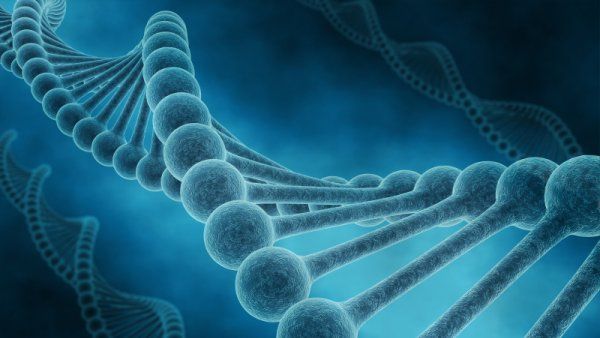
UCSF–led research team has discovered the first conclusive evidence that natural selection may also occur at the level of the epigenome and has done so for tens of millions of years.
-
How a Study of Horseshoe Crabs Led to Safer Joint Replacements
The breakthroughs came as Jack Levin was trying to find out if the cells normally circulating in the horseshoe crab’s blood, called amebocytes, triggered clotting, as platelets do in human blood.

-
Pharmacies Leave Customers Hanging When It Comes to Disposing of Antibiotics and Opioids
A survey found that fewer than half of California pharmacies provided antibiotics and opioids disposal instructions meeting U.S. FDA guidelines, and just 10 percent followed the FDA’s preferred recommendation to take back unused medications from their customers.
-
Old Drug Offers New Hope for Children with Devastating Disorder
A drug that once helped obese adults lose weight, but was withdrawn from the market due to heart risks, may be safe and effective for children with a life-threatening seizure disorder called Dravet syndrome.

-
The Startling Secret of an Invincible Virus
-
CRISPR-Resistant Viruses Build ‘Safe Rooms’ to Shield Genomes from DNA-Dicing Enzymes
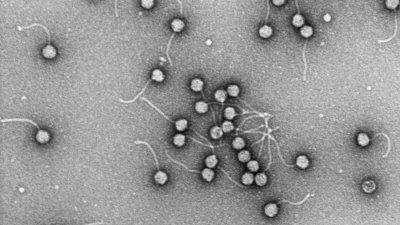
After phages infect bacteria, they construct an impenetrable “safe room” inside of their host, which protects vulnerable phage DNA from antiviral enzymes. This compartment, which resembles a cell nucleus, is the most effective CRISPR shield ever discovered in viruses.
-
‘Supergrowth’ Challenges Established Science of Cell Growth
Research shows that after cells are subjected to certain stressful treatments, they appear to gain a new “superpower” that allows them to grow twice as fast as normal — a feature the authors call “supergrowth.”
-
In Down Syndrome Mouse Model, Scientists Reverse Intellectual Deficits with Drugs
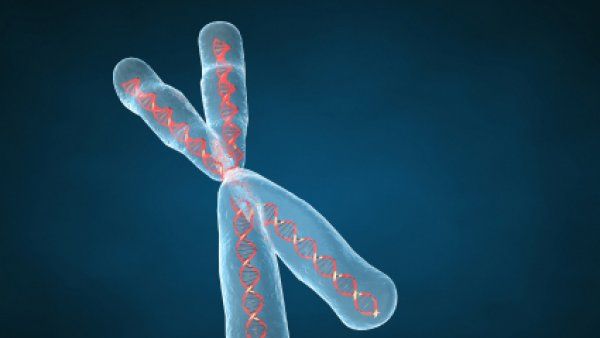
Using standard animal model of Down syndrome, scientists were able to correct the learning and memory deficits associated with the condition with drugs that target the body’s response to cellular stresses.
-
Researchers Halt Spread of Breast Cancer by Blocking Metastasis-Promoting Enzyme
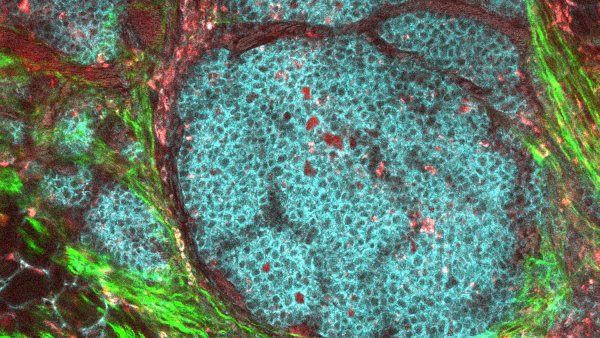
In a breakthrough with important implications for the future of immunotherapy for breast cancer, UCSF scientists have found that blocking the activity of a single enzyme can prevent a common type of breast cancer from spreading to distant organs.
-
Anticoagulant Benefits for Atrial Fibrillation Decrease With Age
The net clinical benefit of anticoagulants for atrial fibrillation decreases with age.